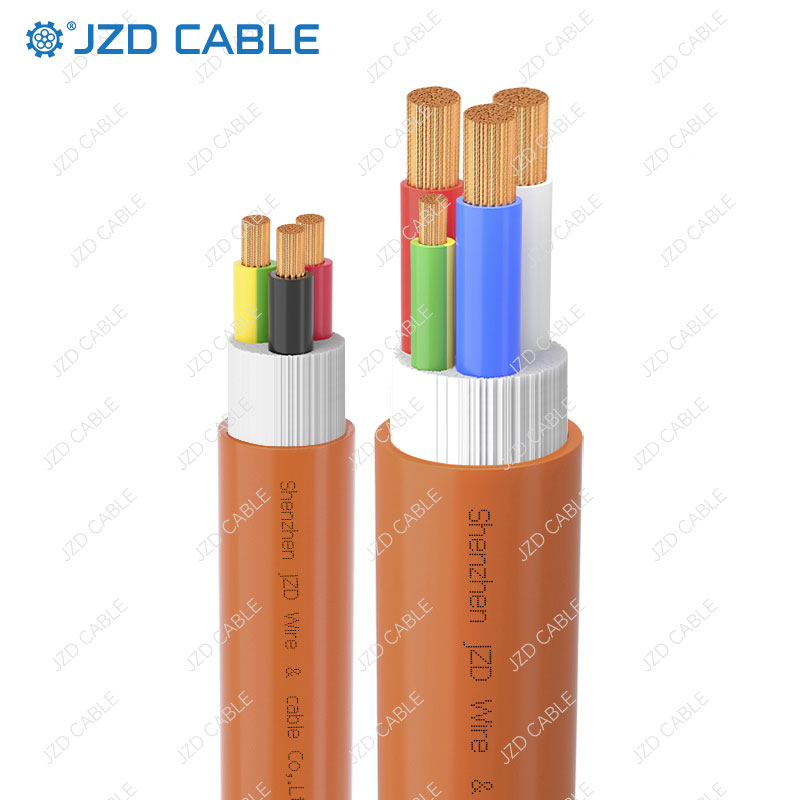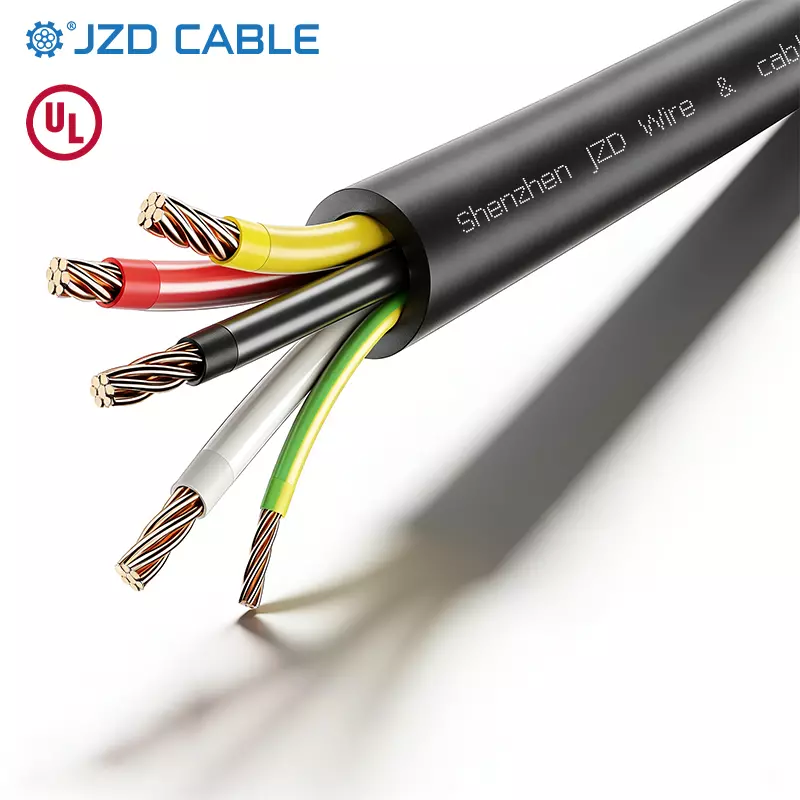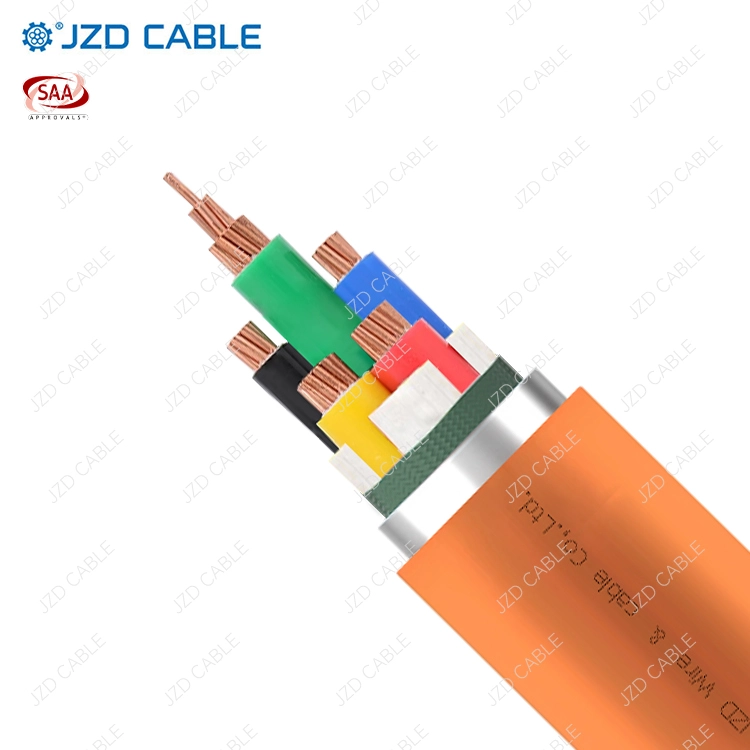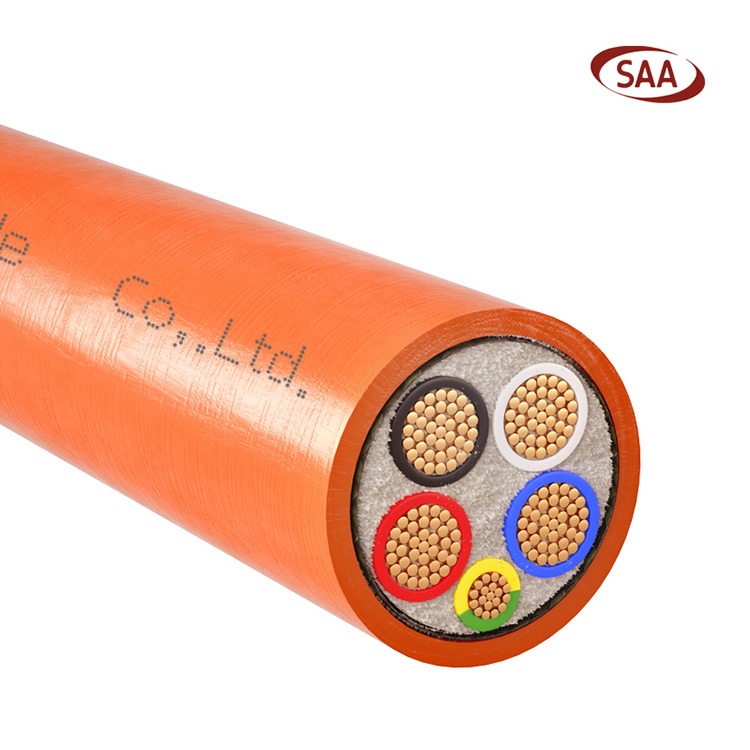



In the world of electrical and electronic systems, the choice between stranded and solid conductors is more than just a technical detail—it’s a fundamental decision that impacts performance, durability, and cost-effectiveness. Whether you’re designing complex machinery, installing network infrastructure, or working on simple electrical projects, understanding the differences between these two conductor types is essential for optimal results. This guide will explore the structural characteristics, applications, and selection criteria for both stranded and solid conductors, providing you with the knowledge needed to make informed decisions for your specific needs .
Understanding Stranded and Solid Conductors
Solid conductors consist of a single, continuous piece of wire made from conductive material such as copper or aluminum. These conductors are characterized by their rigidity and stable electrical properties. The simplicity of their design makes them ideal for applications where minimal movement is expected .
Stranded conductors, on the other hand, are composed of multiple smaller wires twisted or braided together to form a single conductor. This construction gives stranded wires their characteristic flexibility and resilience to repeated bending and flexing. The number of strands can vary significantly, from as few as 7 strands to over 1,600 in ultra-flexible cables, with more strands generally translating to greater flexibility .
The fundamental difference lies in their construction approach: solid conductors use a single large-diameter wire, while stranded conductors bundle multiple smaller wires together. This structural distinction accounts for nearly all the differences in their performance characteristics and application suitability .
Structural Characteristics Comparison
Table: Comparison of Stranded vs. Solid Conductors
|
Characteristic
|
Solid Conductor
|
Stranded Conductor
|
|---|---|---|
|
Flexibility & Bend Radius
|
Rigid, large bend radius (approx. 10x diameter)
|
Flexible, smaller bend radius (approx. 6x diameter, 3x for ultra-flexible)
|
|
Mechanical Strength
|
High resistance to crushing and penetration; poor vibration resistance
|
Excellent vibration/fatigue resistance; less resistant to crushing
|
|
Electrical Properties
|
Lower DC resistance, higher current capacity (same gauge); more pronounced skin effect at high frequencies
|
Slightly higher DC resistance; less affected by skin effect at high frequencies
|
|
Durability
|
Prone to breaking with repeated bending
|
Withstands frequent bending; damaged strands don’t necessarily compromise entire conductor
|
|
Installation
|
Easy long-distance straight runs; challenging in tight spaces
|
Easier handling in confined spaces; may require special termination techniques
|
|
Cost
|
Generally lower due to simpler manufacturing
|
Typically higher due to more complex manufacturing process
|
Detailed Characteristics
1.Electrical Performance: Solid conductors typically exhibit better DC performance due to their continuous cross-section, which offers lower resistance and slightly higher current-carrying capacity for the same gauge size. However, at high frequencies, stranded conductors may have an advantage due to reduced skin effect—where high-frequency currents tend to flow on the conductor’s surface rather than through its entire cross-section .
2.Mechanical Performance: The multi-strand design gives stranded conductors superior resistance to metal fatigue caused by bending and vibration. If a solid conductor develops a small crack or similar damage, it may fail completely after just a few bending cycles. In contrast, with stranded conductors, damage to a few strands doesn’t necessarily compromise the entire cable, as the remaining undamaged strands can continue to function .
3.Durability Considerations: Solid conductors maintain their shape well and are less susceptible to corrosion due to their smaller surface area compared to stranded conductors of the same gauge. Stranded conductors, while more flexible, may require special attention during termination to prevent individual strands from loosening or breaking over time .
Application Scenarios
1.When to Use Solid Conductors
Solid conductors are ideally suited for fixed installations where minimal movement is expected after installation. Common applications include:
- Structured wiring systems in buildings (through walls or conduits)
- Residential electrical wiring (e.g., Romex brand wiring typically contains three sets of 14AWG solid conductors)
- Backplane wiring and similar fixed equipment installation lines
- Situations where cost is a primary concern and flexibility is not required
The inherent rigidity of solid conductors makes them excellent for permanent installations where the cable will remain stationary once installed. Their stability also makes them preferable for certain high-frequency applications where consistent electrical characteristics are critical .
2.When to Use Stranded Conductors
Stranded conductors excel in applications requiring flexibility and repeated movement. Typical use cases include:
- Equipment connections and cross-connect jumpers
- Robotic systems and machinery with moving parts
- Test and measurement equipment connections
- Consumer electronics and appliance internal wiring
- Automotive wiring systems subject to vibration
- Open office environments where frequent reconfiguration is necessary
The versatility and flexibility of stranded conductors have made them the default choice for most electronic products and cable harnesses where movement, vibration, or frequent reconfiguration are expected .
Selection Guidelines
Choosing between stranded and solid conductors involves careful consideration of several factors:
1. Application Requirements
- Movement and Flexibility Needs: If your application involves frequent bending, movement, or vibration, stranded conductors are almost always the better choice. For static installations, solid conductors may be sufficient and more cost-effective .
- Industry Standards: Be aware that some industry standards dictate conductor type. For example, TIA and ISO/IEC standards typically require solid conductors for 90-meter horizontal permanent links, while allowing stranded conductors only for patch cords (limited to 10 meters in a 100-meter channel) .
- Temperature Considerations: In temperature-controlled environments like telecommunications rooms, stranded conductors perform well. However, in uncontrolled environments (e.g., connecting ceiling-mounted devices), solid conductors may be preferable due to their better performance at elevated temperatures .
2. Electrical Requirements
- Current Carrying Capacity: For the same gauge size, solid conductors typically have a slightly higher current capacity due to their continuous cross-section .
- Frequency Considerations: For high-frequency applications, consider that solid conductors exhibit more pronounced skin effect, while stranded conductors may perform better in certain RF applications .
3. Installation Factors
- Routing Complexity: For simple, straight runs with minimal bends, solid conductors are easier to install. For complex routing in confined spaces, stranded conductors offer significant advantages .
- Termination Methods: Solid conductors work well with insulation-displacement connectors (IDC), while stranded conductors may require different termination techniques to prevent strand damage .
4. Cost Considerations
While stranded conductors typically cost more due to their more complex manufacturing process, this should be weighed against the total cost of installation and long-term reliability. In applications where stranded conductors are clearly superior, the additional cost is usually justified by improved performance and longevity .
Why Choose JZD Cable for Your Conductor Needs?
At JZD Cable, we understand that every application has unique requirements. With our extensive experience in cable manufacturing and our commitment to quality, we’re well-equipped to provide expert guidance and superior products whether your project calls for stranded, solid, or specialized conductor types.
Our product development process begins with understanding your specific application needs, environmental conditions, and performance requirements. We then recommend the optimal conductor solution—whether it’s one of our standard offerings or a custom-designed cable tailored to your exact specifications.
Our capabilities include:
- Expert Technical Support: We provide comprehensive cable assembly design support to ensure optimal performance in any environment or condition .
- Quality Assurance: Rigorous testing and inspection processes ensure consistent, reliable performance for all our cable products .
- Custom Solutions: When standard products don’t meet your needs, we offer custom design services to develop precisely the right conductor solution for your application.
- Comprehensive Product Range: From standard building wire to specialized low-loss coaxial cables and everything in between, we offer solutions for virtually any application.
At JZD Cable, we’re committed to helping you navigate these choices to ensure optimal results for your projects. Visit our website at jzdcable.com to learn more about our comprehensive cable solutions and how we can support your specific needs.