

Industry

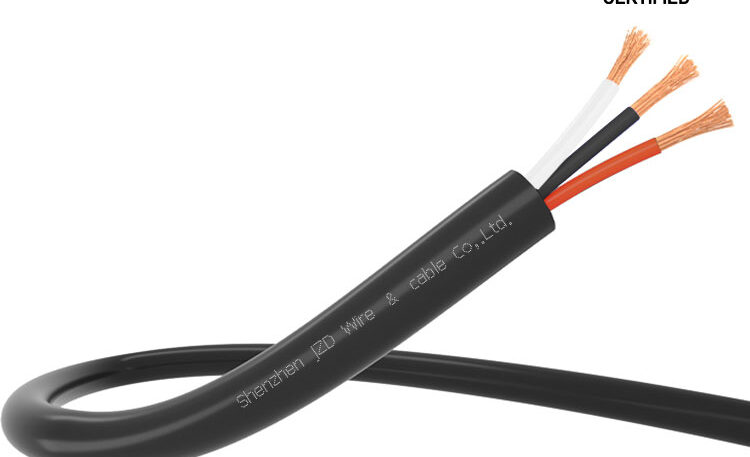
SIS wire

SIS Switchboard Wire: Specifications, Applications, and Selection Guide

Inside switchboards, switchgear, and Motor Control Centers (MCCs), conductor density is extremely high, terminals generate heat, and heat dissipation is far worse than in open building raceways. In these confined, heat-dense environments, standard building wire often fall short. To meet these harsh conditions, electrical codes and equipment standards require a specifically engineered single conductor—SIS wire. […]
Read More +
NM-B cable

Nylon-Jacketed Cable vs. PVC: The “Flexible Armor”

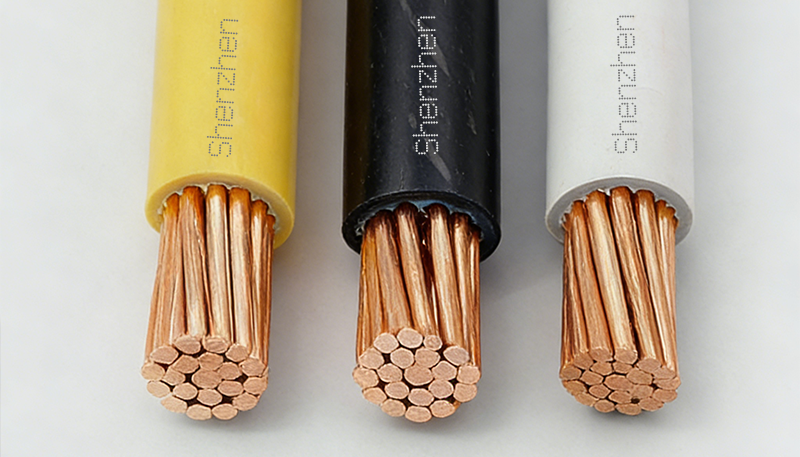
Cable jackets are often overlooked, assumed to be “just PVC.” Yet standard PVC wires easily scrape or tear in conduits. To solve this, North American THHN/THWN-2 wire adds an ultra-thin (0.1–0.3 mm) nylon jacket over PVC insulation, drastically improving mechanical and chemical resistance. What is a nylon-jacketed cable? Strictly speaking, “nylon cable” does not mean […]
Read More +
H05VV-F

Rubber vs. PVC Cable: A Selection Guide

In industrial projects, overlooking the jacket material is a costly mistake. Rubber and PVC cables may look identical, but their lifespan differs drastically. Since PVC is a thermoplastic and rubber is a cross-linked elastomer, you can’t judge by feel alone. Proper selection requires evaluating four core dimensions: load, mechanical stress, environment, and voltage. What Are […]
Read More +
PV cable

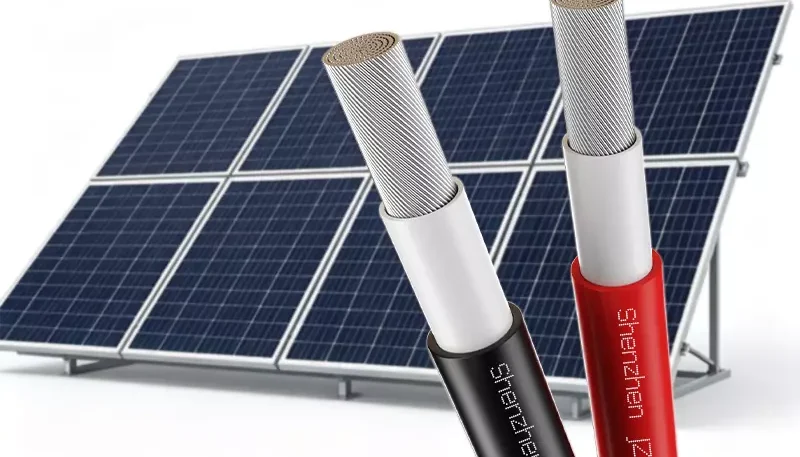
PV Cable vs. Standard Cable: Differences and Selection

Solar DC cables are costly yet frequently overlooked. Many substitute standard wires for dedicated PV Cable. However, PV systems require 25–30 years of durability against UV, heat, moisture, and 1500V DC. The wrong cable fails in 3–5 years, causing insulation breakdown and arc fires. This article covers PV Cable engineering: materials, failure modes, derating, wiring, […]
Read More +
XHHW-2 Cable

XHHW vs. XHHW-2: Key Differences and Selection

XHHW and XHHW-2 are often treated as interchangeable—both are XLPE-insulated, 600V, UL 44 listed. But the difference matters: it affects ampacity, derating, and wet-location compliance. For feeders in underground conduit, outdoor raceways, or damp spaces, the wrong temperature rating forces either conductor upsizing or excessive operating temperatures. This article covers temperature ratings, ampacity and voltage […]
Read More +
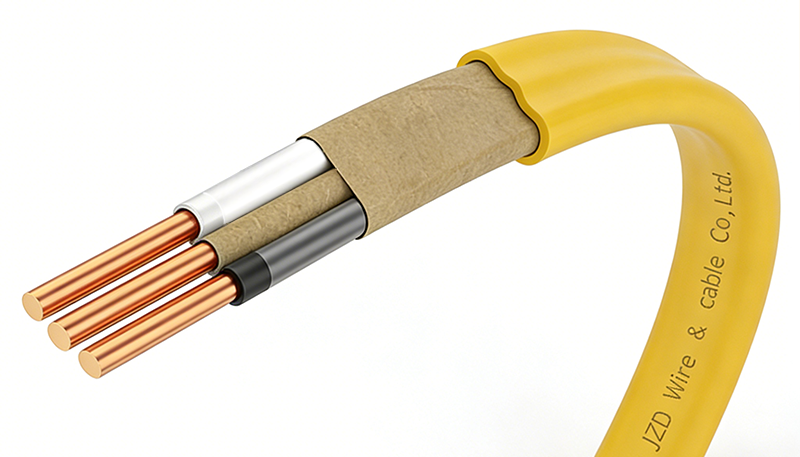
NM-B

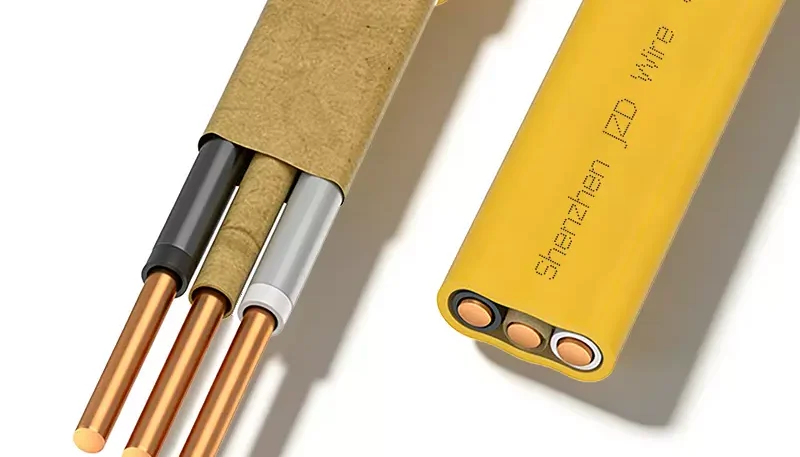
What Is Romex Wiring?

If you’ve ever done any electrical work on a house in the US or Canada, you’ve probably heard the word “Romex.” An electrician might say, “Run some Romex over to that box,” and the hardware store might list it right next to NM-B. But if you ask someone what Romex actually is, you’ll often get […]
Read More +
THHN Cable

Solid vs. Stranded Wire Selection Guide

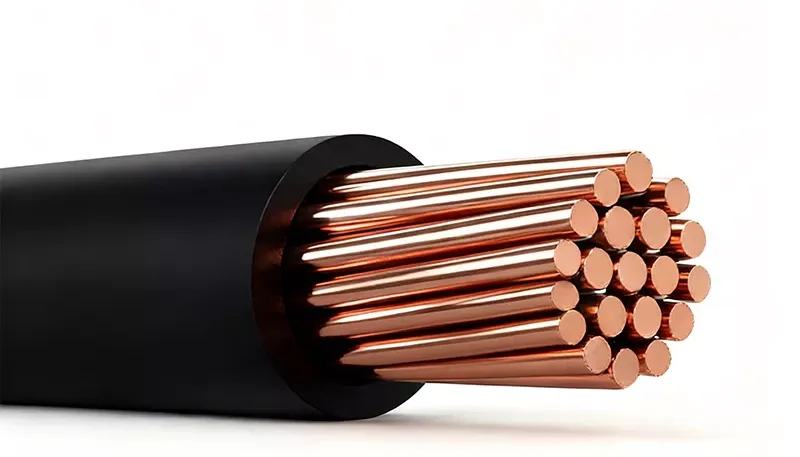
Wire selection often overlooks conductor construction—solid or stranded—which affects installation, termination, fatigue life, and reliability. Solid wire uses a single core: rigid, easy to terminate, for fixed installation. Stranded wire uses multiple thin strands: flexible, vibration-resistant, for moving equipment and continuous flex. Neither is universally superior; wrong choice causes routing issues, breakage, or premature failure. […]
Read More +
Cart
  • Your cart is empty Browse Shop
    Select the fields to be shown. Others will be hidden. Drag and drop to rearrange the order.
    • Image
    • SKU
    • Rating
    • Price
    • Stock
    • Availability
    • Add to cart
    • Description
    • Content
    • Weight
    • Dimensions
    • Additional information
    Click outside to hide the comparison bar
    Compare