

In Philippine electrical projects, the selection of Royal Cord directly impacts the operational safety of terminal equipment, the thermal stability of the distribution system, and whether the project successfully passes local fire and electrical inspections (PEC). Because the Philippines is located in the tropics with year-round high temperatures and humidity, the insulation aging rate of cables is much faster than in temperate regions. Understanding Royal Cord’s material positioning and thermodynamic boundaries under the PNS 163 framework is a prerequisite for avoiding long-term operational risks.
What is Royal Cord Cable?
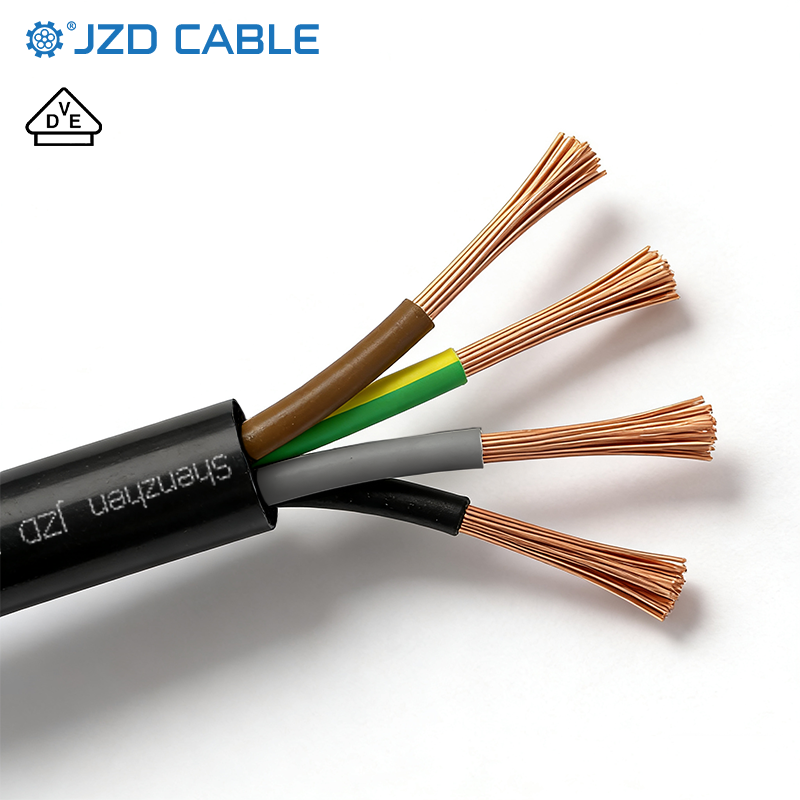
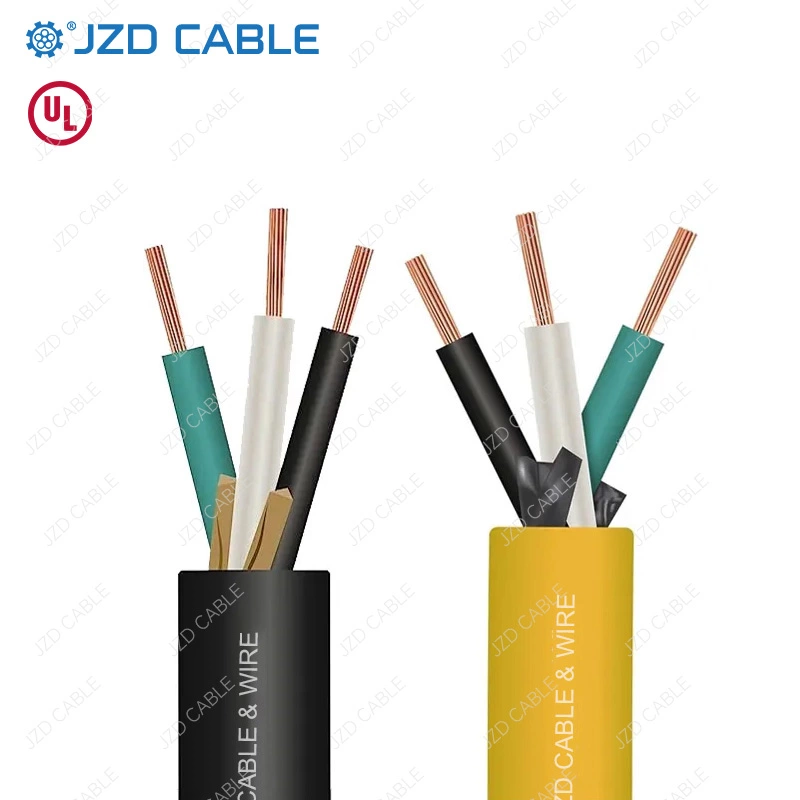
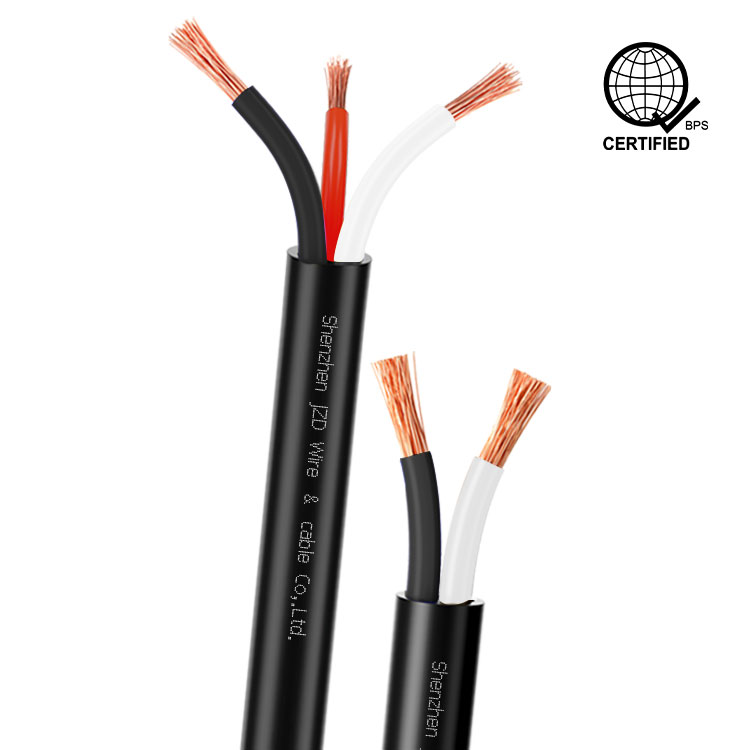
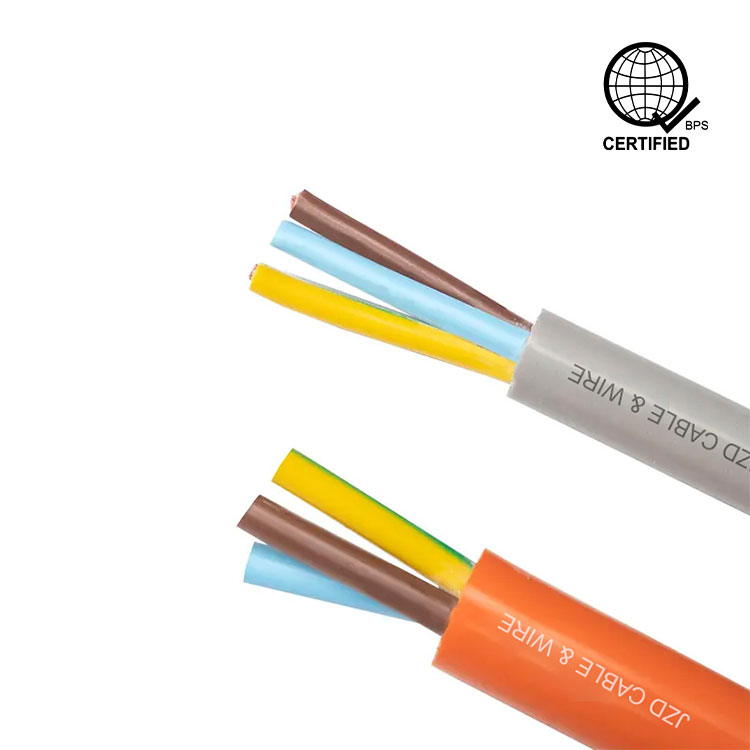
Royal Cord is not a brand-specific name but a generic term in the Philippines and parts of Southeast Asia for multi-core flexible portable power cords. Its typical construction features finely stranded copper conductors (meeting Class 5 flexibility standards), enclosed in flexible PVC insulation and a jacket.
Unlike rigid single-core building wires (such as THHN) used in conduit, Royal Cord has a shorter lay length and finer individual strand diameters (e.g., commonly 0.26 mm). This highly flexible design is specifically engineered for terminal equipment that requires frequent movement, bending, or may be subject to mechanical vibration. Its fatigue life depends on the stranding process; low-quality cables that use coarser stranding or fewer strands are highly susceptible to internal breakage during frequent coiling and uncoiling on job sites.
What are the PNS 163 Standard and PEC Codes?
PNS 163 is a mandatory national standard established by the Philippine Bureau of Product Standards (BPS). Any Royal Cord sold and used in the Philippines must pass this certification and bear the PS mark; otherwise, it is considered non-compliant.
The standard sets the safety baseline: conductors must be ASTM B-3 annealed bare copper; insulation and jacket must be lead-free flame-retardant PVC, with a temperature rating of 75°C. However, actual project acceptance must also align with the PEC (Philippine Electrical Code), which enforces strict requirements for ampacity correction, termination temperature limits, and grounding systems.
Engineering Red Line: PNS 163 is a “market access pass,” not a “quality guarantee.” Even when meeting the standard, manufacturers vary significantly in their PVC plasticizer formulations (affecting heat and oil resistance) and extrusion processes (affecting insulation eccentricity). These differences directly determine the cable’s lifespan in enclosure environments exceeding 40°C.
Core Engineering Positioning: Thermodynamic Analysis Using 3.5 mm² as an Example
To address actual working conditions in the Philippines, one cannot stop at “passing certification”—thermodynamic derating calculations for ampacity must be introduced. Let’s take the commonly used 3.5 mm² specification as an example:
| Parameter Dimension | 2.5 mm² | 3.5 mm² (Typical Specification) | 5.5 mm² |
| Typical Ampacity (30°C base) | Approx. 16A – 20A | Approx. 20A – 25A | Approx. 25A – 32A |
| Conductor Structure (Ref) | Approx. 49 / 0.25 mm | 65 / 0.26 mm | Approx. 105 / 0.26 mm |
| Applicable AC Capacity | 1.0 HP (Short distance) | 1.5 HP – 2.0 HP | 2.5 HP and above |
| Installation Convenience | Excellent, fits tight conduit | Good, balanced flexibility and strength | Stiffer, harder to terminate |
1. Why Must Temperature Derating Be Considered?
The ampacity in the table above is based on a 30°C ambient. However, in the Philippines, outdoor or rooftop ambient temperatures often reach 40°C or even 45°C. According to IEC or NEC correction factors, PVC-insulated cables at 40°C require an ampacity derating factor of approximately 0.87; if multiple cables are bundled together (bundled installation), an additional 0.8 factor applies.
Example: A 1.5 HP air conditioner draws about 7 A at full load, but starting current can double. Choosing 2.5 mm² (base 16A) may seem sufficient, but after applying the 40°C ambient derating, the actual safe ampacity plummets to 13.9A. Operating near the limit long-term accelerates thermal aging of the PVC jacket. Choosing 3.5 mm² provides higher thermal buffer capacity, offering crucial safety margins for starting currents and high-temperature environments.
2. Mechanical Advantages of Fine Stranding
The 3.5 mm² utilizes a 65/0.26 mm stranded structure. Fine copper strands distribute the surface strain during bending, significantly reducing the probability of conductor fatigue breakage. In the temporary dragging and coiling scenarios common on Philippine job sites, this structure is far more durable than coarser stranding.
Typical Applications and Failure Prevention
Air Conditioning and Refrigeration Equipment. Inverter ACs generate high-frequency harmonics during operation, which can increase conductor heating. The larger cross-section of 3.5 mm² effectively reduces resistance heating and slows insulation degradation.
Construction Sites and Temporary Power. Job sites are filled with oil, gravel, and UV exposure. Beyond physical protection, the cable’s flame retardancy is critical. Compliant PNS 163 products must pass vertical flame tests to prevent fire spread from makeshift site connections.
Light Industrial Equipment and Water Pumps. Frequent starts and stops of water pumps introduce mechanical vibration. Royal Cord’s flexible jacket absorbs vibration energy, preventing termination loosening due to stress concentration.
Technical Specification Review and Compliance Verification
Since the market contains many products that merely meet “minimum standards,” engineering teams must look beyond appearances for verification:
-
Comprehensive Certification: Require suppliers to provide BPS-recognized PNS 163 certificates and test reports, confirming that conductor resistance, insulation thickness, and flame retardancy all pass.
-
Conductor Purity and Structure: Measure the DC resistance of the conductor (at 20°C). Low-quality products often contain impurities or fewer copper strands, leading to higher resistance and severe overheating under high currents.
-
Insulation Eccentricity and Thickness: Use slice sampling. If the insulation layer is eccentric, the thinner side is highly susceptible to breakdown during voltage surges. Uneven jacket thickness compromises mechanical abrasion resistance.
-
Flame Retardancy Verification: Require vertical tray flame test reports (FT2 or equivalent), not just a standard certificate of conformity.
FAQ
1. Should the wire size be upgraded when using Royal Cord for Inverter ACs?
Upgrading is recommended. High-frequency harmonics generated by inverters increase the AC resistance of conductors (skin effect), and inverter equipment is more sensitive to voltage drop. In a 40°C environment, using 3.5 mm² instead of 2.5 mm² is a more robust engineering practice.
2. Can Royal Cord be buried in walls or underground?
No. Royal Cord is a portable flexible cable; its jacket lacks resistance to mechanical impact and long-term moisture. Wall or underground installations require dedicated building wire or direct-burial armored cables.
3. Does PNS 163 certification guarantee cable lifespan under high temperatures?
It does not directly guarantee it. PNS 163 is the baseline for room-temperature market access. Actual lifespan depends on whether the correct derating selection was made for Philippine high temperatures (e.g., whether 3.5 mm² was chosen) and the manufacturer’s PVC formulation.
For Royal Cord specifications, third-party test reports, or bulk supply solutions compliant with PNS 163 and PEC, please contact us.