

Month: October 2026

data cabling

Data Center Cabling: Building a Reliable Physical Layer

Data center cabling is the physical backbone that connects every IT device. It carries power from the utility entrance to the rack and every data packet between servers. As AI workloads push rack power from 16 kW to 246 kW, cabling is no longer a background utility; it directly determines power delivery capacity, cooling efficiency, […]
Read More +
data cabling

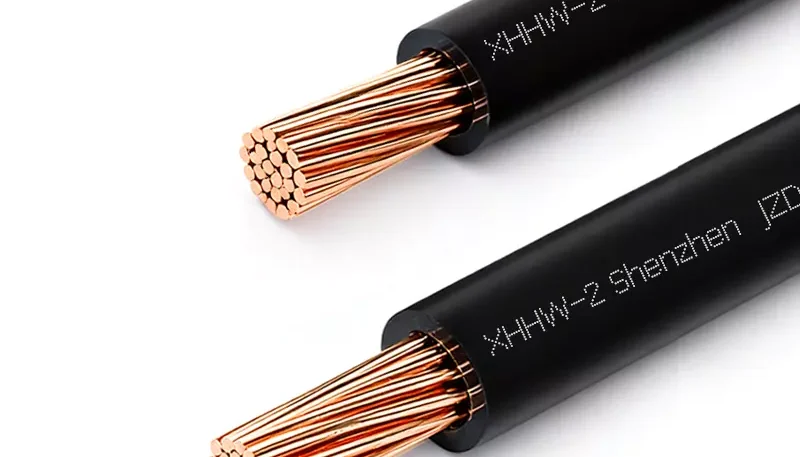
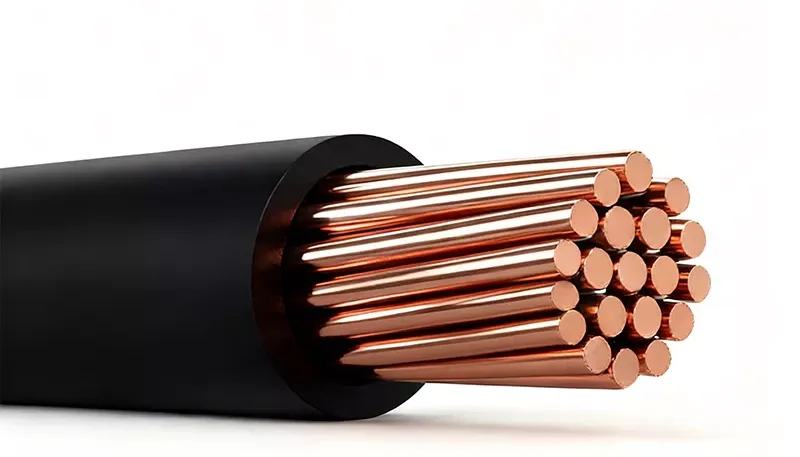
XHHW-2 Cable for High-Density AI Data Centers

AI data center power density is rising faster than anticipated: rack density grew from 16 kW in 2025 to 27 kW in 2026, with next-gen platforms targeting 250 kW+. Global demand is projected to reach 132 GW by 2026 and 290 GW by 2030, making cable selection critical. XHHW-2, a UL 44 listed XLPE-insulated building […]
Read More +
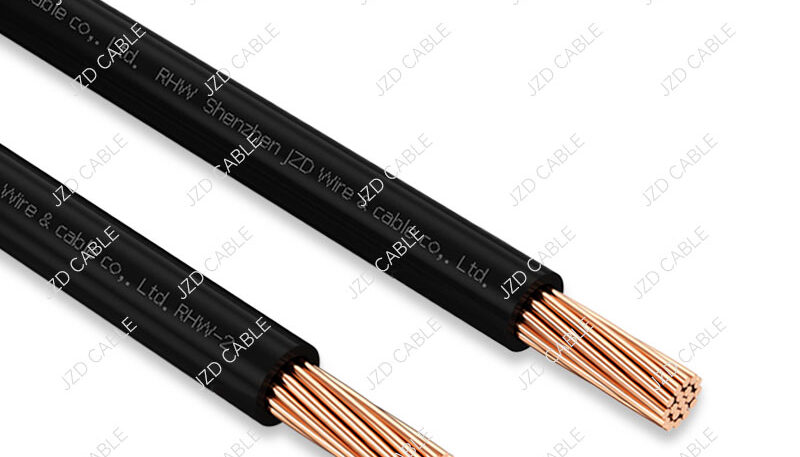
THHN Cable

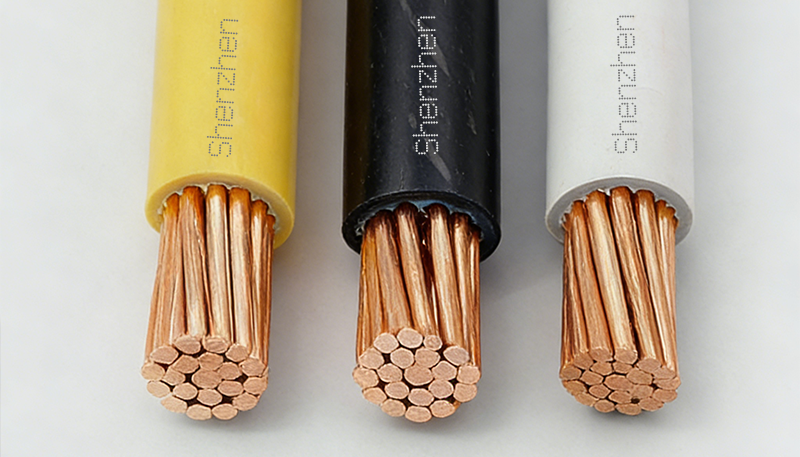
Solid vs. Stranded Wire Selection Guide

Wire selection often overlooks conductor construction—solid or stranded—which affects installation, termination, fatigue life, and reliability. Solid wire uses a single core: rigid, easy to terminate, for fixed installation. Stranded wire uses multiple thin strands: flexible, vibration-resistant, for moving equipment and continuous flex. Neither is universally superior; wrong choice causes routing issues, breakage, or premature failure. […]
Read More +
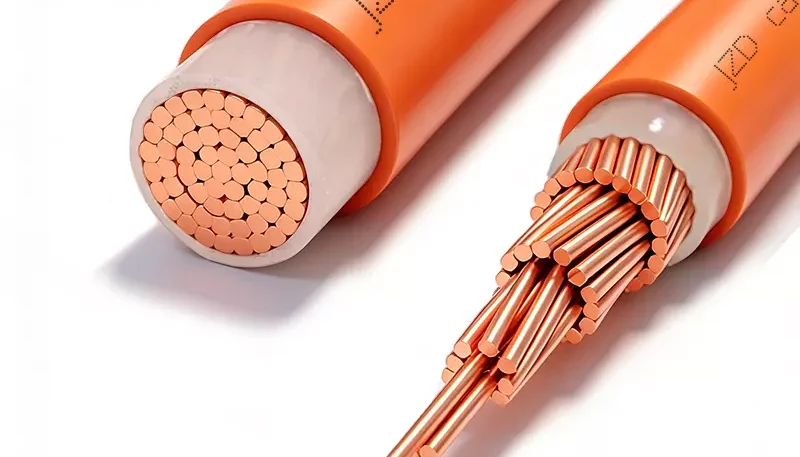
XLPE Insulation XHHW-2

Aluminum vs. Copper XHHW-2 Cable: Applications and Selection Guide

XHHW-2 is the standard building wire for North American commercial and industrial projects. Its XLPE insulation provides a 90°C dry/wet rating, making it suitable for conduits, cable trays, and outdoor exposed runs. But XHHW-2 ships with two conductor options: copper and aluminum. Both share identical insulation and voltage ratings, yet the conductor metal determines ampacity, […]
Read More +

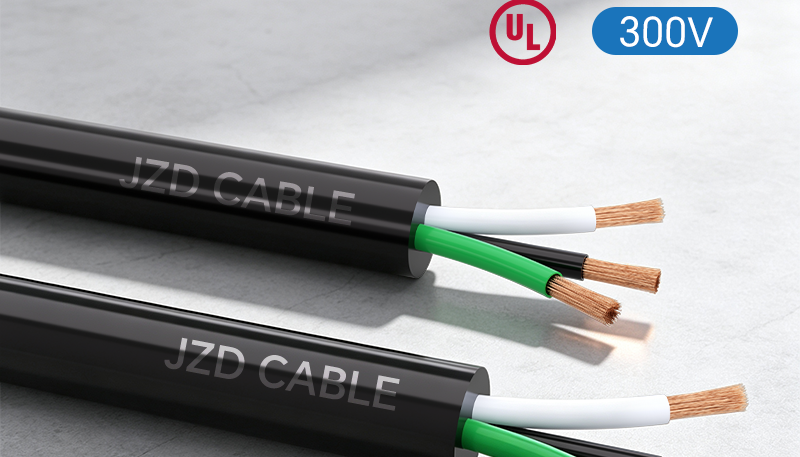
SJT, SJTW, and STW Portable Cords: Selection Guide

In industrial equipment power, temporary construction site wiring, and outdoor equipment connections, portable cords are consumables—but not disposable. From the same batch, some cords stay flexible for two or three years, while others harden, crack, or break at the bend within three months. SJT, SJTW, and STW are the three most common portable cord types […]
Read More +
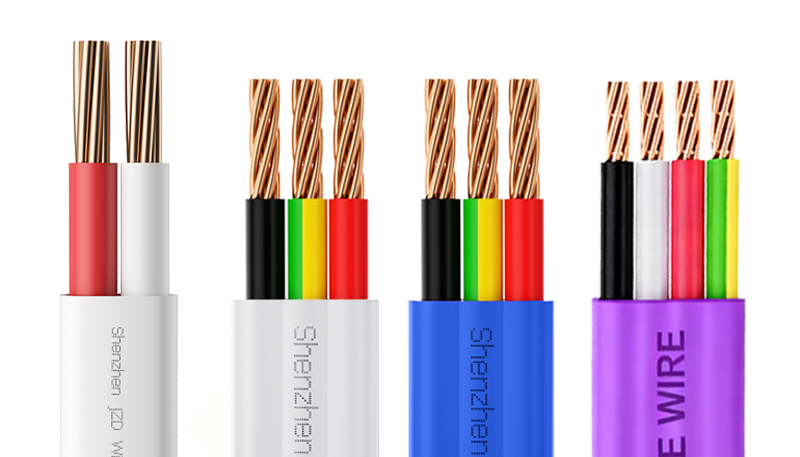
TPS 2 Core vs Twin and Earth Cable

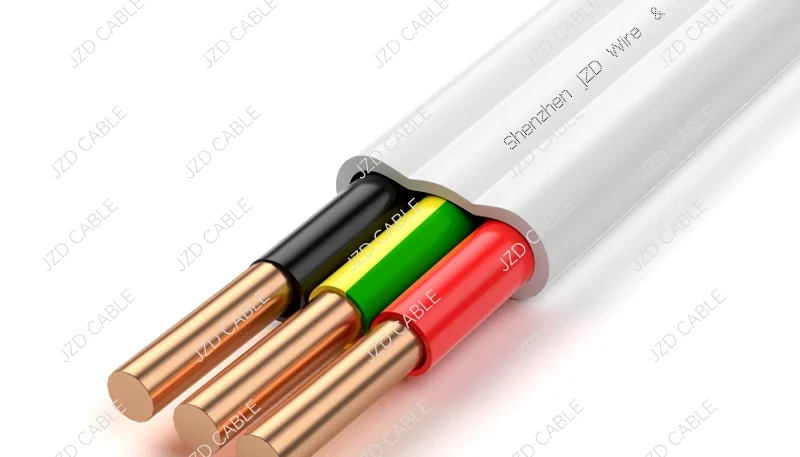
TPS Cable: AS/NZS 5000.2, SAA Certification, and Selection for Australian Projects

TPS cable (Thermoplastic Sheathed cable) is the standard fixed wiring cable for residential, commercial, and light industrial installations in Australia and New Zealand. It is a thermoplastic-insulated, thermoplastic-sheathed cable, typically with stranded copper conductors and a PVC outer sheath, rated 450/750V with a 90°C maximum conductor temperature. TPS cable is governed by AS/NZS 5000.2, the […]
Read More +
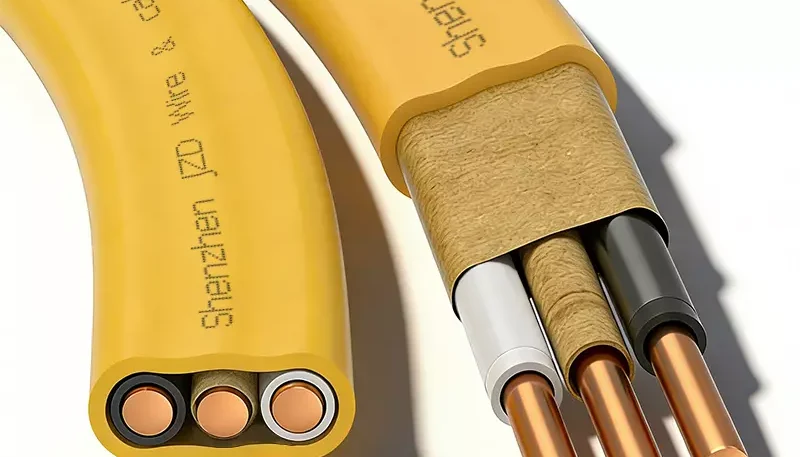
NM-B Cable

NM vs. NM-B Cable: Ampacity, Code Rules, and Selection

NM and NM-B cable look similar. Both are non-metallic sheathed cables used for dry indoor wiring. Many project teams treat them as interchangeable—until inspection reveals a problem. The difference is conductor insulation temperature: Type NM is rated 60°C, while Type NM-B is rated 90°C. This difference affects not only code compliance but also long-term reliability […]
Read More +

YJV Cable: XLPE Insulation, Flame Retardancy, and Ampacity Derating

YJV cable—copper conductor, XLPE insulation, PVC sheath—is a low-voltage power cable widely used in commercial buildings, industrial plants, and infrastructure distribution. Its continuous operating temperature reaches 90°C, short-circuit withstand is 250°C for 5 seconds, and ampacity is 15%–30% higher than PVC-insulated cable of the same cross-section. But selection is not only about cross-section. Flame retardancy, […]
Read More +
Cart
  • Your cart is empty Browse Shop
    Select the fields to be shown. Others will be hidden. Drag and drop to rearrange the order.
    • Image
    • SKU
    • Rating
    • Price
    • Stock
    • Availability
    • Add to cart
    • Description
    • Content
    • Weight
    • Dimensions
    • Additional information
    Click outside to hide the comparison bar
    Compare