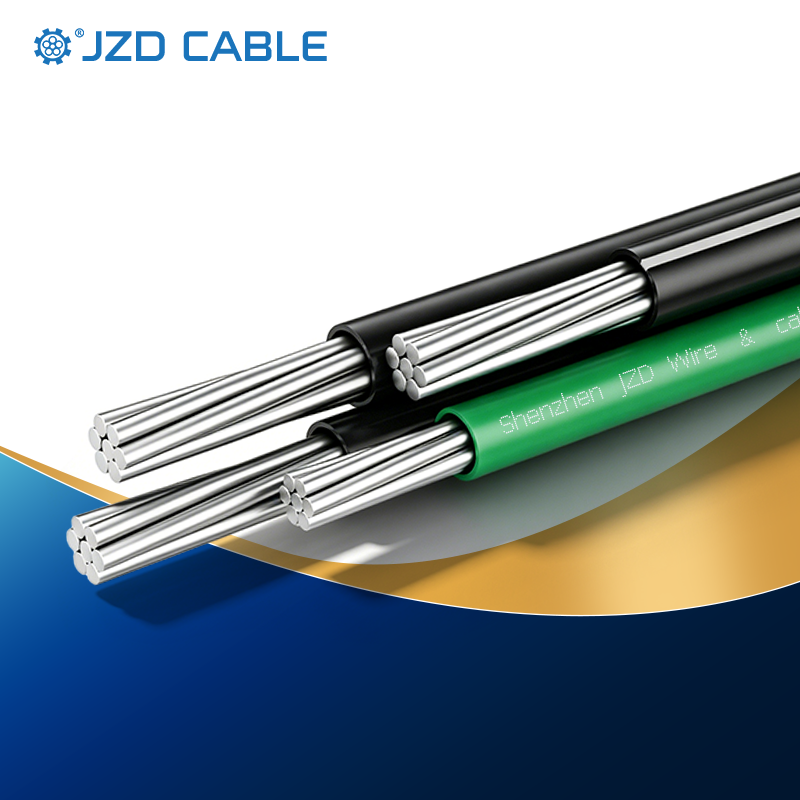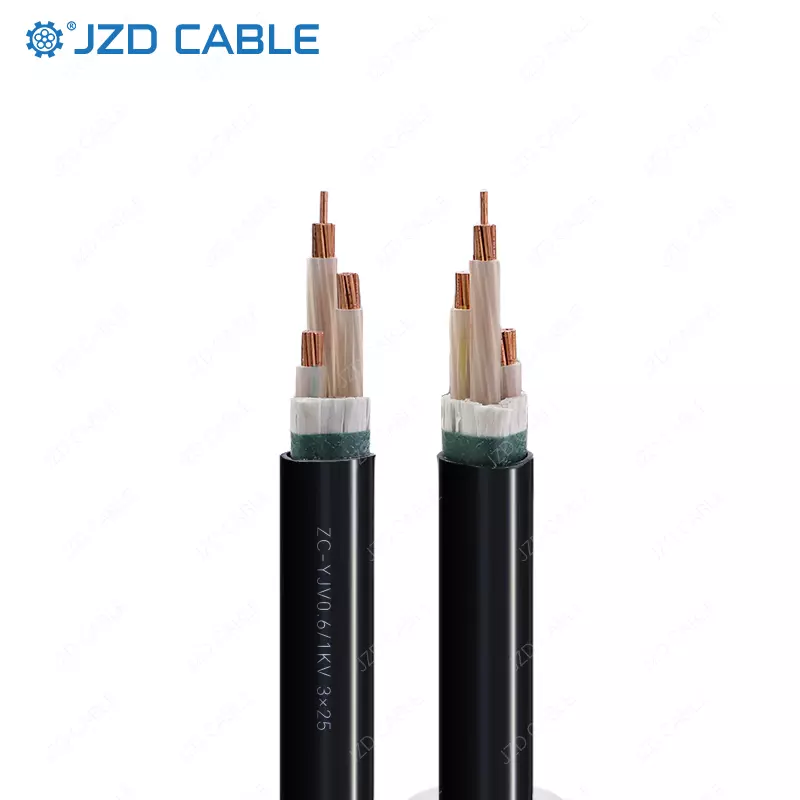


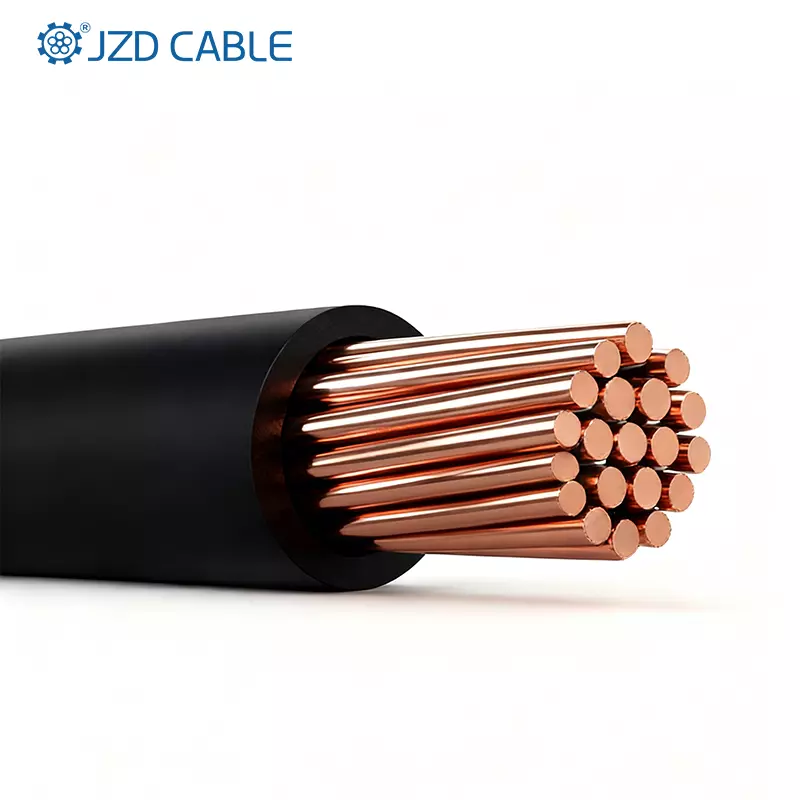
AI data center power density is rising faster than anticipated: rack density grew from 16 kW in 2025 to 27 kW in 2026, with next-gen platforms targeting 250 kW+. Global demand is projected to reach 132 GW by 2026 and 290 GW by 2030, making cable selection critical. XHHW-2, a UL 44 listed XLPE-insulated building wire, is now a standard conductor for low-voltage distribution due to its thermal and fault-withstand performance.
Power Demand in AI Data Centers
AI workloads differ fundamentally from traditional cloud computing. Traditional facilities are designed for 5–10 kW per rack, supporting steady, moderate CPU loads. AI training clusters deploy dense GPU arrays, with single-rack power reaching 30–100 kW or more, and next-generation platforms targeting 250 kW or higher. These loads are not only large but also operate near peak for extended periods, imposing sustained electrical and thermal stress on conductors and insulation systems.
Training cluster scale is also changing. Mainstream AI racks are moving toward 240 kW in 2026 and may approach 1.5 MW by 2028. This jump in power density means larger feeder conductors, more frequent parallel cable runs, and greater reliance on higher-temperature insulation. Cooling equipment itself is also adding electrical load: pumps, heat exchangers, and controls for direct-to-chip liquid cooling require dedicated power feeders, further increasing circuit count and load complexity in the low-voltage distribution system.
Where XHHW-2 Fits in the Data Center Power Chain
The typical AI data center power path is medium-voltage service → main switchgear → transformer (medium voltage stepped down to low voltage, commonly 480V or 415V) → UPS system → secondary distribution (busway or feeder cable) → power distribution unit → IT rack. XHHW-2 is used in all low-voltage feeder segments from the transformer secondary to the IT rack.
These include transformer: secondary to low-voltage switchgear; switchgear to UPS input; UPS output to secondary distribution panels; distribution panels to remote power panels or PDUs; and diesel generator and ATS feeders. XHHW-2 is installed as single-conductor cable in conduit or cable tray, or as multi-conductor TC-ER tray cable for exposed tray installation without conduit. In data centers, XHHW-2 routing is concentrated in conduit, cable tray, under raised floors, and busway parallel paths. It does not involve outdoor or direct-burial installation.
Having established where XHHW-2 sits in the power chain, the next question is why it meets the stringent requirements of these locations.
Key Performance of XHHW-2 in Data Centers
1. Temperature Rating of XLPE Insulation
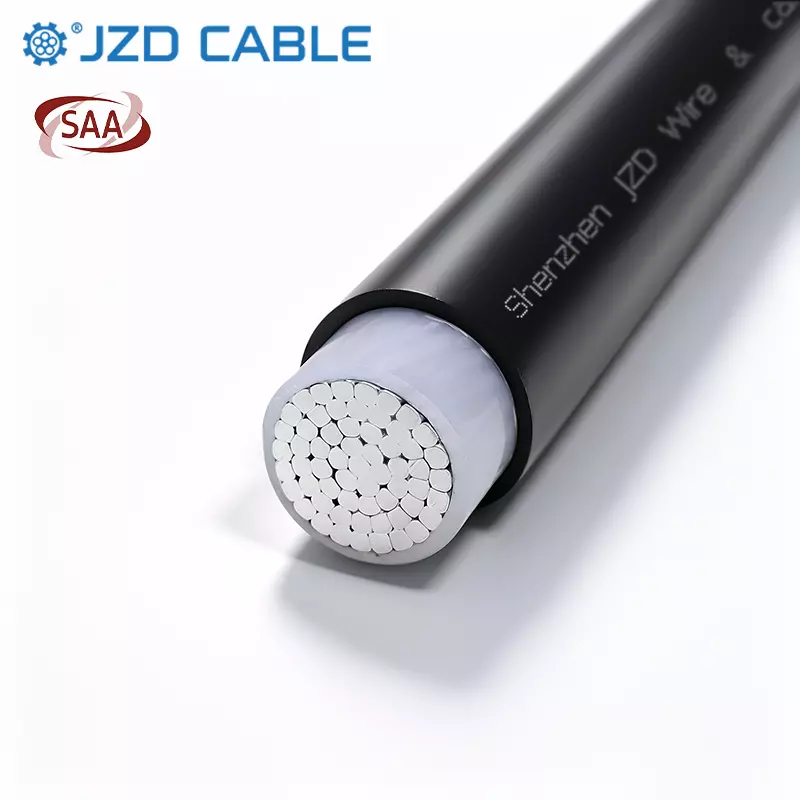
XHHW-2 uses cross-linked polyethylene insulation and complies with UL 44 for thermoset-insulated wire. XLPE forms a three-dimensional network through chemical cross-linking and does not rely on plasticizers for flexibility. It will not soften or reflow under long-term heat exposure. This characteristic directly matches the 24/7 continuous full-load operation of AI data centers.
The conductor is rated for a continuous operating temperature of 90°C and is suitable for both dry and wet locations. XHHW-2 also carries a 130°C emergency overload rating and a 250°C short-circuit rating. UPS feeders and main distribution circuits in data centers operate continuously at high current. The 90°C continuous rating provides the thermal margin needed to prevent accelerated insulation aging under sustained load.
2. Low Smoke Zero Halogen Characteristics of XLPE Insulation
XLPE insulation is a polyolefin material and contains no halogens. Under fire conditions, XLPE releases very little halogen acid gas, and its smoke density is far lower than PVC insulation. Under equivalent test conditions, its smoke density is less than 20% that of PVC. This is an inherent property of the XLPE insulation material and does not require an additional jacket.
Data centers have extremely low tolerance for downtime during a fire event. Dense smoke impedes emergency response and evacuation, while halogen acid gas corrodes sensitive electronic components in servers, network equipment, and storage systems. XLPE insulation reduces the release of corrosive gases at the source, lowering the risk of damage to critical equipment during a fire incident.
Compliance for low smoke zero halogen performance is supported by three key standards: IEC 60332-3-24 (vertical flame spread of bunched cables), IEC 60754-1/2 (halogen acid gas content and acidity), and IEC 61034-2 (smoke density). These three standards test flame spread, halogen acid gas release, and smoke density, respectively. Data center projects should confirm that products have test reports for these standards.
3. Voltage Rating and Installation Methods
XHHW-2 is standard rated 600V, and sizes 8 AWG and larger typically carry a 600V/1000V dual rating. For 480V data center distribution, the 600V rating is sufficient. For the 800V DC architecture now emerging in the industry, 1000V-rated XHHW-2 provides the necessary insulation margin.
In data centers, XHHW-2 is primarily installed in conduit and cable tray as low-voltage feeders from the transformer secondary to switchgear, UPS input/output, and distribution panels. In some projects, it may also be used under raised floors or in parallel busway paths. The choice of installation method depends on the designed routing, maintenance access, and heat dissipation conditions.
Typical Applications
UPS feeders. The UPS system is one of the most demanding locations for cable in an AI data center. AI loads require power reliability above 99.9999%, and UPS input/output cables operate continuously at high current. XHHW-2’s 90°C continuous rating and 250°C short-circuit withstand provide the necessary thermal margin and fault tolerance for UPS circuits.
Because XLPE insulation itself has low smoke zero halogen characteristics, UPS feeders reduce the risk of corrosive gas damage to UPS batteries and power modules under fire conditions.
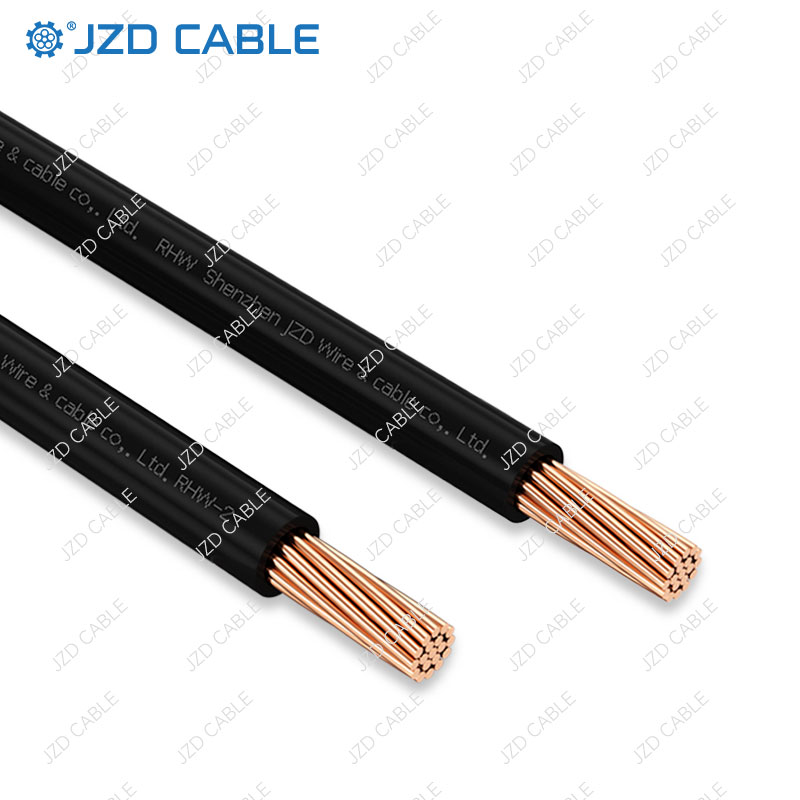
Low-voltage distribution panel feeders. Main feeders from the transformer secondary to switchgear and from switchgear to distribution panels are typically large conductors, installed as copper XHHW-2 in conduit or cable tray. Long feeders require voltage drop verification. Copper’s lower resistance allows the specified conductor size to be maintained when approaching the 3% or 5% limit.
Cooling equipment power. Pumps, heat exchangers, and coolant distribution units in direct-to-chip liquid cooling systems require dedicated power circuits. Motor loads may create inrush current. XHHW-2’s thermoset insulation is more stable than thermoplastic insulation under frequent starts or load fluctuations.
Other auxiliary equipment feeders. Diesel generator and ATS feeders, battery energy storage system DC connections, and building management system power circuits also use XHHW-2.
Based on the applications above, selection requires verifying the following parameters.
Selection and Installation of XHHW-2 in Data Centers
1. Conductor Material
Copper is the standard choice for data center feeders and UPS circuits because of its lower resistance and simpler termination. Aluminum XHHW-2 can be used for large feeders where weight and cost are priorities, but it requires bi-metal lugs and antioxidant treatment. For long runs where voltage drop control is critical, copper’s lower resistance avoids the need for additional upsizing.
2. Ampacity and Derating
Ampacity is based on the 90°C column of NEC Table 310.16. In practice, derating factors must be applied. For ambient temperature, the correction factor for 90°C-rated conductors is approximately 0.88 at 40°C and 0.82 at 45°C. For bundled installation, when more than three current-carrying conductors are in a tray, derating factors are 0.80 (4–6 conductors), 0.70 (7–9), or 0.50 (10–20). Data center cables are densely installed, making bundled derating a routine consideration.
3. Voltage Drop
NEC limits voltage drop to 3% for branch circuits and 5% combined for feeders and branch circuits. Data centers have higher voltage stability requirements; excessive voltage drop can cause IT equipment misoperation. Long feeders should be checked section by section, and conductor size increased when approaching the limit.
4. Termination
Aluminum conductors require bi-metal lugs and antioxidant treatment. Copper conductors use standard copper lugs with direct crimping. All connections must be torqued per manufacturer instructions. In high-fault-current data center scenarios, termination quality directly affects long-term reliability.
5. Selection Decision Logic
| Location | Recommended Cable | Reason |
| UPS input/output feeders | Copper XHHW-2 | 250°C short-circuit withstand, low resistance, XLPE low smoke zero halogen, protects sensitive equipment in fire |
| Transformer to switchgear main feeders | Copper XHHW-2 | Large size, low voltage drop |
| Switchgear to distribution panel feeders | Copper XHHW-2 (long runs) or aluminum XHHW-2 (cost priority) | Determined by voltage drop and budget |
| Dry branch circuits | THHN/THWN-2 | Lower cost, controlled environment |
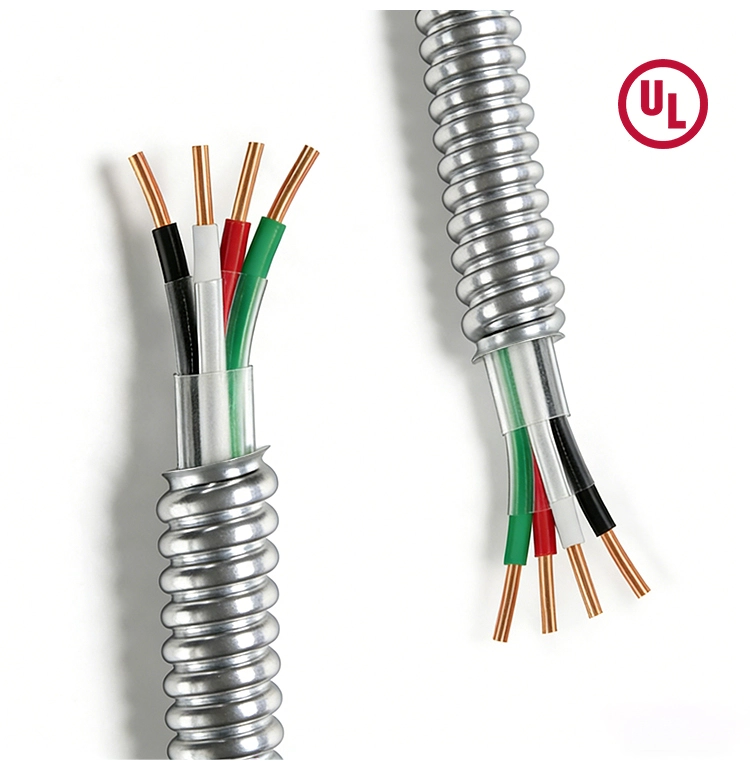
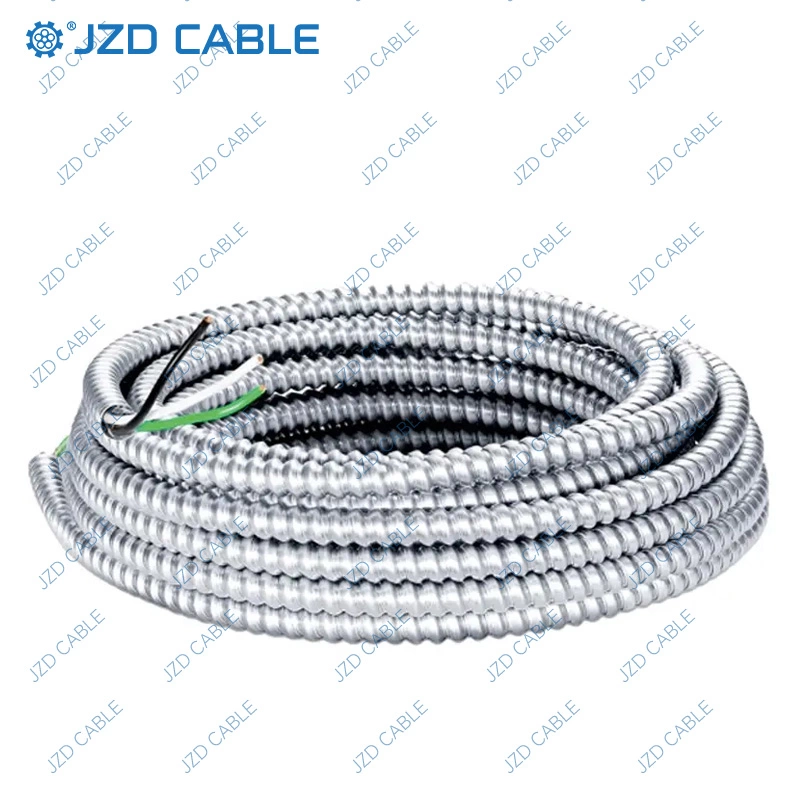
| Feeders requiring mechanical protection | MC Cable (XHHW-2 conductor) | Metal armor + XLPE insulation |
| Exposed tray installation | XHHW-2 TC-ER | No conduit, FT4 flame test |
Coordination with Other Cables in Data Center Applications
1. XHHW-2 vs. THHN/THWN-2
Both are rated 600V and 90°C continuous. The key difference is short-circuit withstand: THHN/THWN-2 is 150°C, while XHHW-2 is 250°C. In high-fault-current data center scenarios, this difference makes XHHW-2 the safer choice for feeders and UPS circuits. For GPU racks operating near full load continuously, engineers are moving from THHN to XHHW-2 for better thermal regulation. THHN/THWN-2 remains suitable for dry, controlled branch circuits, but XHHW-2 has clear advantages in wet locations and circuits requiring higher short-circuit withstand.
2. XHHW-2 vs. MC Cable
MC cable is a cable construction type using interlocked metal armor; XHHW-2 is an insulation type using XLPE. When MC cable uses XHHW-2 conductors, it combines the 90°C wet/dry performance of XLPE insulation with the mechanical protection of metal armor. In data centers, MC cable is suitable for routing segments requiring additional mechanical protection, while bare XHHW-2 provides standard protection in conduit or tray.
Conclusion
Rack density growth from 16 kW to 246 kW makes XHHW-2’s XLPE insulation, 90°C rating, and 250°C short-circuit withstand essential for data center low-voltage distribution. XLPE is halogen-free, with smoke density under 20% of PVC. THHN/THWN-2 suits dry branch circuits, but XHHW-2 is critical for UPS and main distribution.
JZD supplies XHHW-2 for data center projects. For specifications or bulk supply, contact us.