

Construction

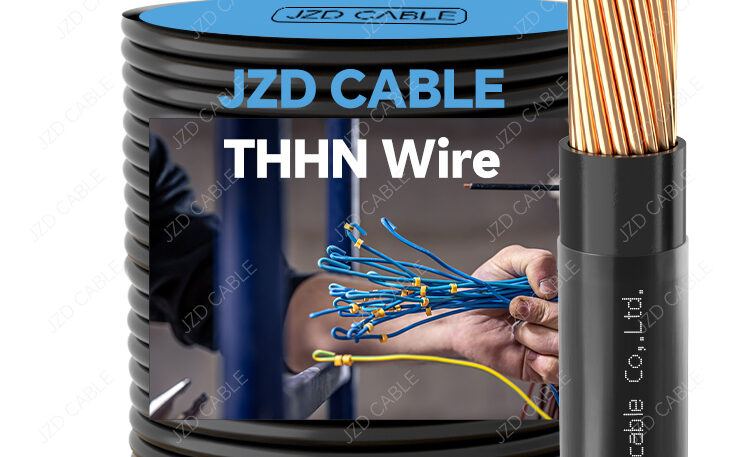
THHN

Philippine THHN vs American THHN: What’s the Difference?

If you’ve had THHN wire rejected for the wrong certification mark, received cable that doesn’t match the drawings, or struggled with wire too stiff to pull through conduit, you already know the surface similarities can be misleading. Philippine standard THHN and American standard THHN look alike—copper, PVC, nylon jacket, 600V, 90°C—but they’re not the same. […]
Read More +

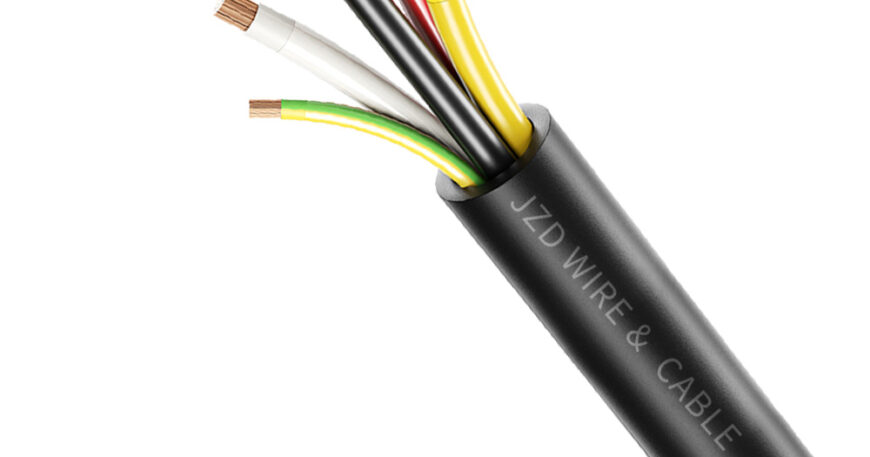
NMD90 vs. NM-B: What’s the Difference? A Guide to Building Wire in Canada and the U.S.

If you work with building wire in North America, you’ve likely encountered both NM-B and NMD90. On the surface, they look almost identical—copper conductors, PVC/nylon insulation, a flame-retardant PVC jacket, and a 90°C temperature marking. But in practice, they belong to two different regulatory systems and are not interchangeable. If you’re looking for the right […]
Read More +
AC90

AC90 vs BX (AC) Cable: Differences & Applications

In North American armored cable procurement and engineering applications, the most common source of confusion isn’t technical specifications—it’s the naming itself. BX, AC Cable, and AC90 are often used interchangeably, but they are not on the same level. If you’re sourcing CSA-certified armored cable for Canadian or North American projects, understanding the essential differences between […]
Read More +
MC Cable

MC Metal-Clad Cable: The Commercial and Industrial Wiring Standard for the U.S. Market

In commercial construction, cable selection mistakes often don’t surface until inspection—and by then, the cost of tear-out and rework far exceeds the cable’s price difference. MC cable is one of the most widely used wiring methods in commercial construction. Per NEC Article 330, it is permitted in ceiling spaces, exposed runs, wet locations, and more. […]
Read More +
NM-B Cable

NM-B (Romex) Cable: A Contractor’s Guide to Selection

“This doesn’t meet code. It all needs to be ripped out and redone.” No contractor wants to hear those words. Yet it happens regularly. The cable looks fine. The numbers seem right. But the electrical inspection fails. The usual culprits: NM-B cable without UL certification, 14 AWG wire on a 20A breaker, or non-UL-listed cable […]
Read More +
URD Triplex Aluminum Cable

Aluminum URD Cable: Direct Burial and 3-Core/4-Core Selection Guide

Across the United States and Canada, new residential and commercial developments increasingly rely on underground power distribution, eliminating weather-related outages and improving aesthetics. For developers, contractors, and utility engineers, URD cable selection directly impacts project cost, code compliance, and long-term reliability. URD cables must meet four criteria: direct burial (no conduit), long-term moisture resistance, economical […]
Read More +
SER Cable

Aluminum Wire vs Copper Wire: A B2B Decision Framework for Conductors

With copper prices remaining elevated in 2026, aluminum conductors offer a practical way to control material costs in large electrical projects. AA-8000 series aluminum building wire, when properly sized and installed with AL/CU-rated terminations, provides a Code-compliant option for many North American applications. This guide explains when aluminum makes sense for contractors, developers, and procurement […]
Read More +
SER Cable

SER Cable: UL 854, Construction & Application

SER (Service Entrance Cable, Style R) is the most commonly specified service entrance cable for U.S. residential and light commercial buildings. It carries power from the utility drop to the meter and from the meter to the main panel. Per NEC 338.12(A)(2), SER is not permitted underground even in conduit. The 600V rating covers 240V […]
Read More +
Cart
  • Your cart is empty Browse Shop
    Select the fields to be shown. Others will be hidden. Drag and drop to rearrange the order.
    • Image
    • SKU
    • Rating
    • Price
    • Stock
    • Availability
    • Add to cart
    • Description
    • Content
    • Weight
    • Dimensions
    • Additional information
    Click outside to hide the comparison bar
    Compare