


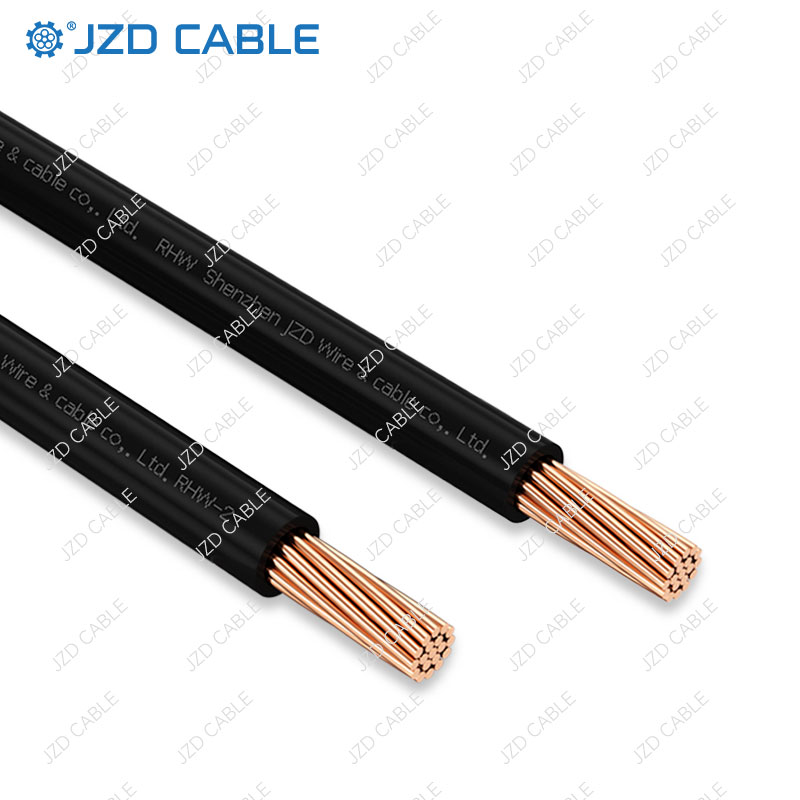
Data Center Cabling: Building a Reliable Physical Layer
Data center cabling is the physical backbone that connects every IT device. It carries power from the utility entrance to the rack and every data packet between servers. As AI workloads push rack power from 16 kW to 246 kW, cabling is no longer a background utility; it directly determines power delivery capacity, cooling efficiency, and fault recovery speed. Many
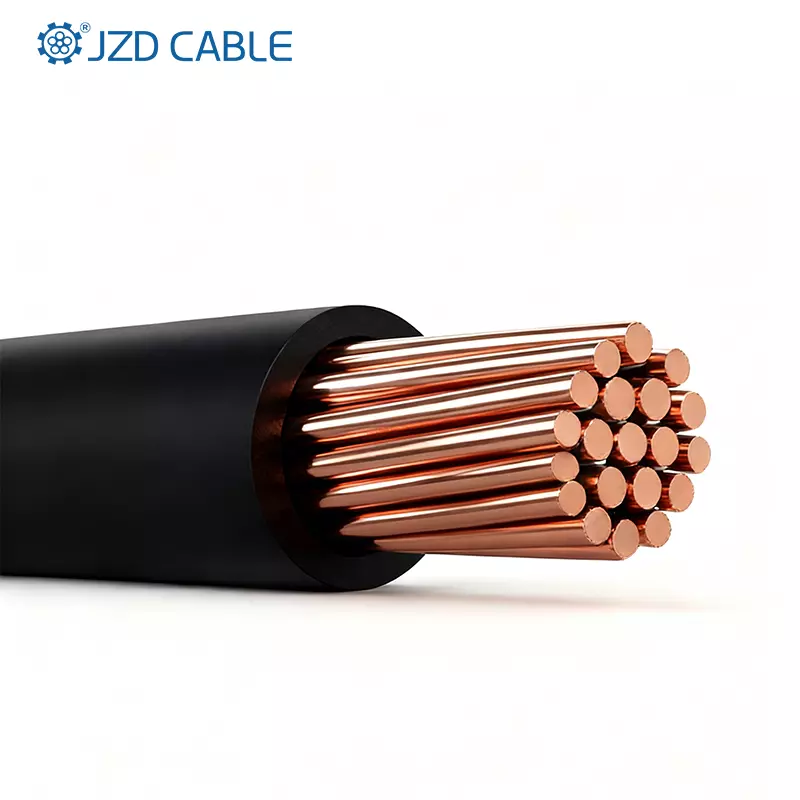
XHHW-2 Cable for High-Density AI Data Centers
AI data center power density is rising faster than anticipated: rack density grew from 16 kW in 2025 to 27 kW in 2026, with next-gen platforms targeting 250 kW+. Global demand is projected to reach 132 GW by 2026 and 290 GW by 2030, making cable selection critical. XHHW-2, a UL 44 listed XLPE-insulated building wire, is now a standard
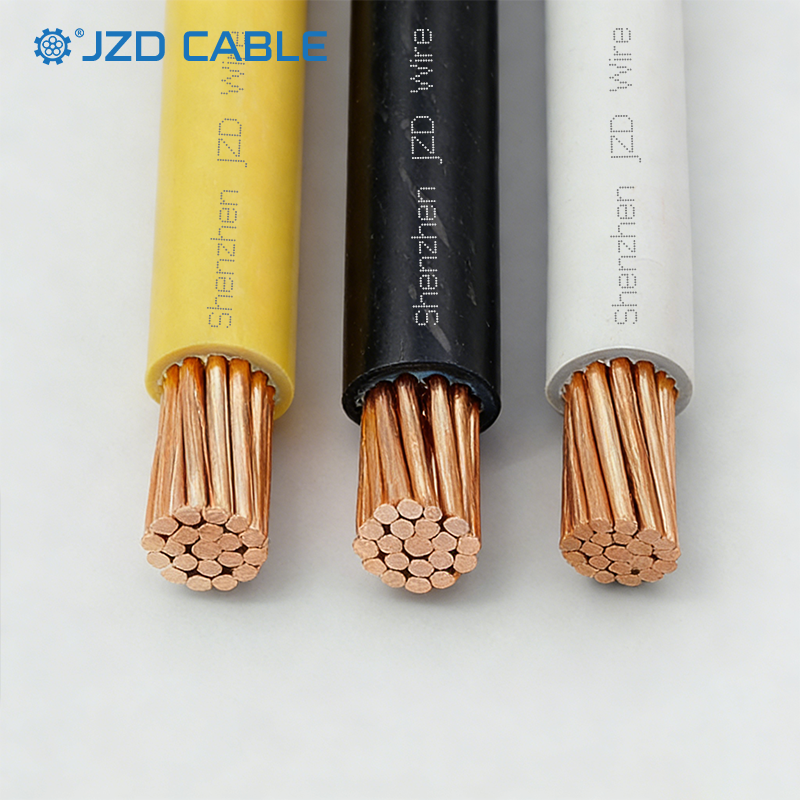
Solid vs. Stranded Wire Selection Guide
Wire selection often overlooks conductor construction—solid or stranded—which affects installation, termination, fatigue life, and reliability. Solid wire uses a single core: rigid, easy to terminate, for fixed installation. Stranded wire uses multiple thin strands: flexible, vibration-resistant, for moving equipment and continuous flex. Neither is universally superior; wrong choice causes routing issues, breakage, or premature failure. This article covers conductor classification,
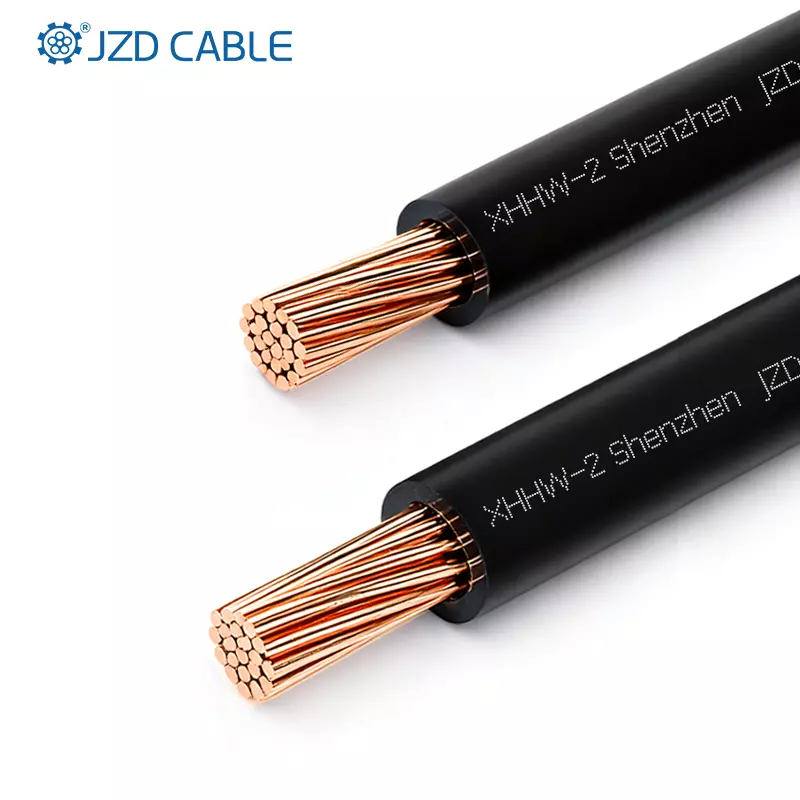
Aluminum vs. Copper XHHW-2 Cable: Applications and Selection Guide
XHHW-2 is the standard building wire for North American commercial and industrial projects. Its XLPE insulation provides a 90°C dry/wet rating, making it suitable for conduits, cable trays, and outdoor exposed runs. But XHHW-2 ships with two conductor options: copper and aluminum. Both share identical insulation and voltage ratings, yet the conductor metal determines ampacity, weight, termination method, and lifecycle
Data Center Construction: How to Plan and Select Power Cables
U.S. electricity demand is rising at its fastest four-year pace since 2000, driven largely by data centers. EIA forecasts 1.9% load growth in 2026 and 2.5% in 2027. LBNL estimates data centers could reach 11.8% of U.S. electricity use by 2030 (range: 9.5–15.3%). DOE projects an additional 100 GW of peak capacity by 2030, half from data centers. Behind these

AS/NZS 3808: Insulation and Sheathing Material Standard, Not a Cable Standard
In Australian and New Zealand electrical projects, AS/NZS 3808 is often mistaken for a cable product standard. In fact, it specifies requirements for the insulation and sheathing materials of cables, not the construction or performance of the cable as a whole. Confusing the two can lead to the wrong verification focus during selection—treating a material standard as a product standard—and