


American Wire Gauge (AWG): What Every Engineer Needs to Understand
Open a cable specification sheet and see “12 AWG.” It’s easy to assume that since 12 is bigger than 14, 12 AWG must be thicker. But the opposite is true: 14 AWG is thinner than 12 AWG, and 10 AWG is thicker than 12 AWG. The logic is counterintuitive, and it catches many engineers and contractors off guard. To understand
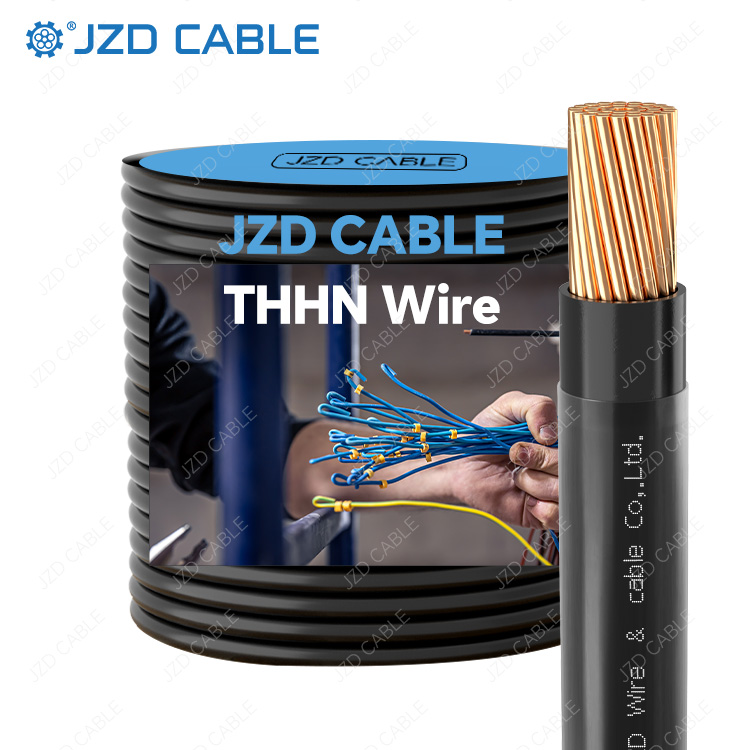
Philippine THHN vs American THHN: What’s the Difference?
If you’ve had THHN wire rejected for the wrong certification mark, received cable that doesn’t match the drawings, or struggled with wire too stiff to pull through conduit, you already know the surface similarities can be misleading. Philippine standard THHN and American standard THHN look alike—copper, PVC, nylon jacket, 600V, 90°C—but they’re not the same. If you’re looking for a
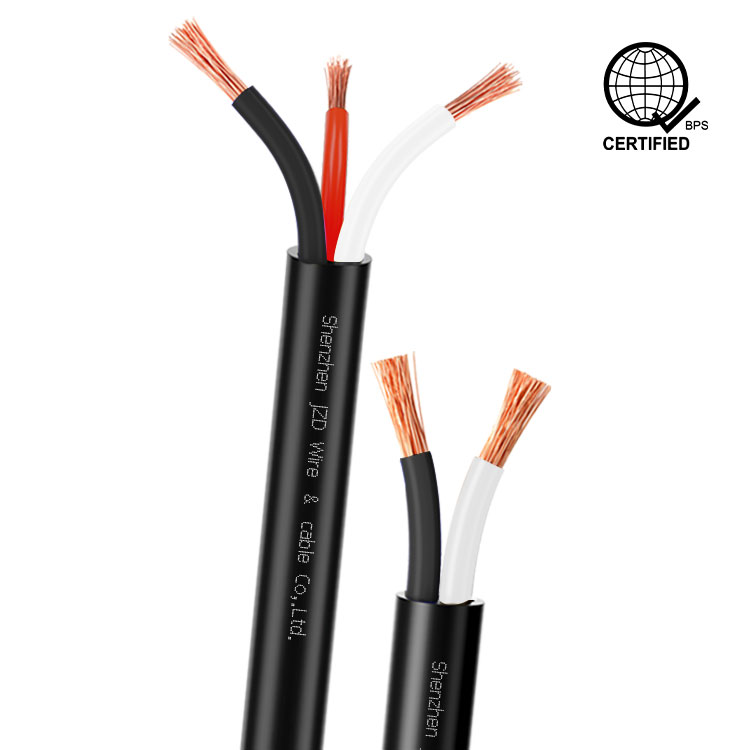
Royal Cord vs. Regular Cable: What’s the Real Difference?
If you’ve ever had someone hand you a roll of Royal Cord and a regular cable with the words “either works,” you already know the surface similarities can be misleading. Copper conductors, PVC insulation, and a jacket—maybe the same voltage rating—but in practice, they behave very differently. One is built to move. The other is built to stay put. If
NMD90 vs. NM-B: What’s the Difference? A Guide to Building Wire in Canada and the U.S.
If you work with building wire in North America, you’ve likely encountered both NM-B and NMD90. On the surface, they look almost identical—copper conductors, PVC/nylon insulation, a flame-retardant PVC jacket, and a 90°C temperature marking. But in practice, they belong to two different regulatory systems and are not interchangeable. If you’re looking for the right nonmetallic-sheathed cable for a Canadian
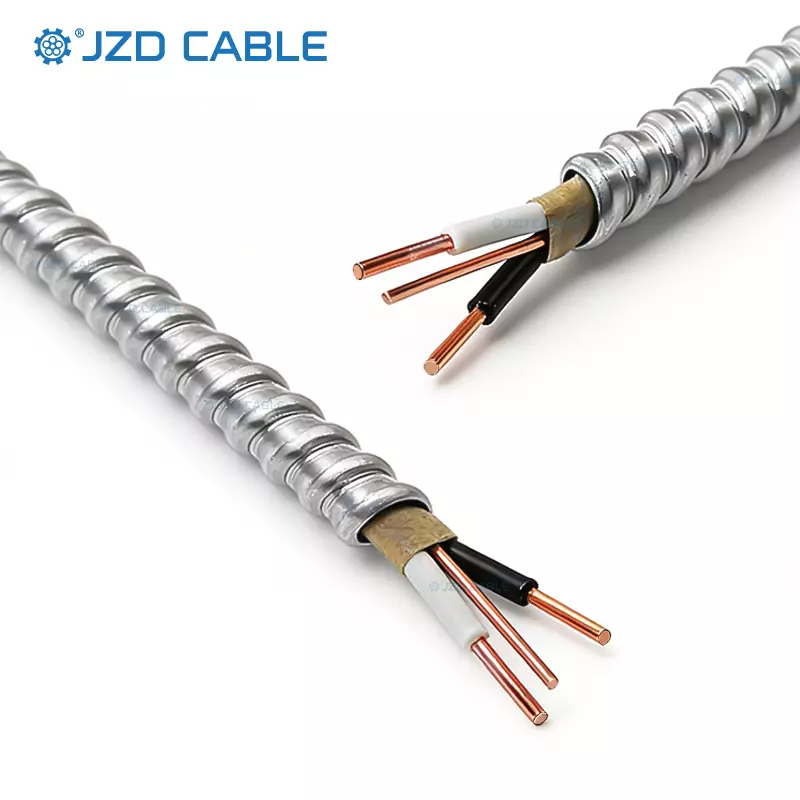
AC90 vs BX (AC) Cable: Differences & Applications
In North American armored cable procurement and engineering applications, the most common source of confusion isn’t technical specifications—it’s the naming itself. BX, AC Cable, and AC90 are often used interchangeably, but they are not on the same level. If you’re sourcing CSA-certified armored cable for Canadian or North American projects, understanding the essential differences between AC90, BX, and AC cable—and
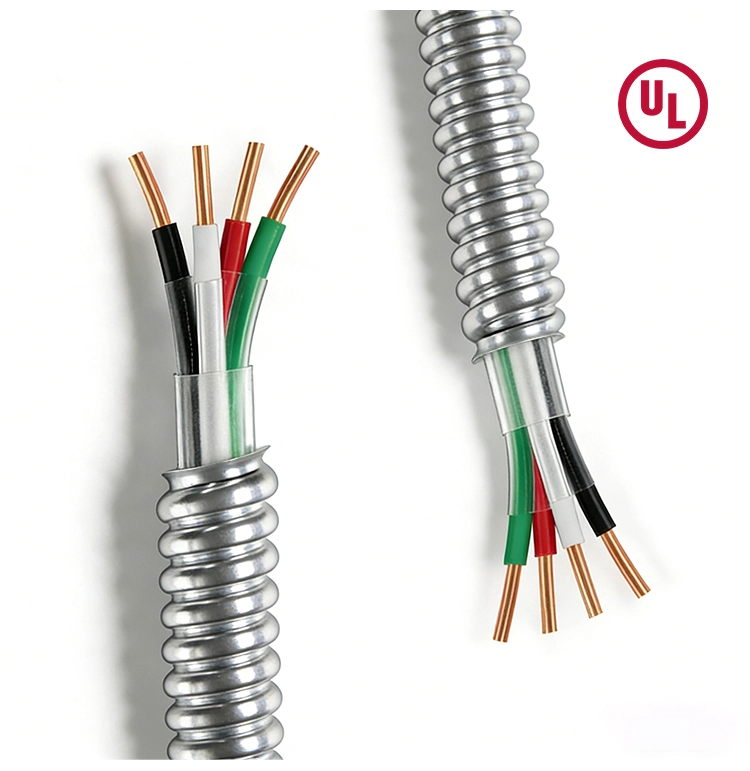
MC Metal-Clad Cable: The Commercial and Industrial Wiring Standard for the U.S. Market
In commercial construction, cable selection mistakes often don’t surface until inspection—and by then, the cost of tear-out and rework far exceeds the cable’s price difference. MC cable is one of the most widely used wiring methods in commercial construction. Per NEC Article 330, it is permitted in ceiling spaces, exposed runs, wet locations, and more. Specifying MC cable isn’t an