

As solar installations expand into coastal areas, tropical regions, and other harsh weather environments, system resilience has become increasingly important. The U.S. Department of Energy – Severe Weather Resilience in Solar Photovoltaic System Design recommends considering weather risks during PV system planning and installation.
While solar panels and inverters receive much attention, the cables connecting these components play a critical role in power transmission. For PV projects exposed to storms, heavy rainfall, humidity, and temperature changes, selecting the right solar cable is essential for reliable system operation.
How Extreme Weather Affects Solar PV Cable Systems
Outdoor PV systems are designed for long-term operation, but harsh weather conditions can increase stress on cable installations.
In storm-prone areas, solar cables may be exposed to:
- Heavy rainfall and moisture
- Strong UV radiation
- High temperatures
- Seasonal humidity changes
- Mechanical stress caused by outdoor installation conditions
The impact is often seen at cable routing areas, connection points, and exposed sections of the installation.
For example, rooftop solar systems are frequently exposed to direct sunlight, heat buildup, and heavy rain, while ground-mounted solar farms may face longer cable routes and higher moisture exposure around cable pathways.
These conditions do not necessarily cause immediate system failure, but they make cable selection and installation quality important factors in maintaining PV system performance.
Why Solar Cable Is Important for Outdoor PV Applications
PV Systems Need Cable Designed for Outdoor Operation
When planning how to wire solar panels, cable selection should be considered together with the overall system design.
A typical PV connection includes:
Solar Panel → Solar Cable → Combiner Box → Inverter
Unlike many general electrical wires used inside buildings, solar cables are installed outdoors and remain exposed throughout the operating life of the PV system.
For outdoor photovoltaic applications, cable materials need to be handled:
- Continuous sunlight exposure
- Temperature fluctuations
- Moisture and humidity
- Mechanical handling during installation
The insulation and sheath materials used in solar cables are designed to maintain electrical performance under these conditions, helping reduce premature aging and unnecessary maintenance.
Practical Solar Cable Installation Tips for Extreme Weather Conditions
Extreme weather does not usually damage a PV cable because of one single factor. In many cases, cable-related problems are caused by installation details, cable routing decisions, and whether the selected cable matches the project environment.
For solar EPC contractors and installers, cable design and installation should be considered as part of the overall PV system planning, especially for projects located in coastal areas, tropical regions, or storm-prone environments.
Avoid Installing Cable Connections in Vulnerable Locations
In outdoor PV systems, connection points often require more attention than the cable itself because they involve multiple components and installation steps.
During heavy rainfall or storms, water may accumulate around:
- Low points in cable routes
- Areas near roof drainage paths
- Unprotected cable tray sections
- Poorly planned connection locations
Although solar connectors are designed for outdoor applications, their installation location can still affect long-term performance.
Recommended practices include:
- Keep connectors away from direct water flow paths
- Avoid placing connection points near drainage outlets
- Maintain accessible locations for inspection and maintenance
For commercial and utility-scale PV projects, reducing unnecessary exposure at connection points can simplify future troubleshooting and reduce maintenance time.
Design Cable Routing According to Project Conditions
Cable routing should be considered during the PV system design stage rather than adjusted only during installation.
Different project types create different cable requirements.
1. Rooftop Solar Projects
Rooftop installations are often exposed to:
- Direct sunlight
- High roof temperatures
- Limited installation space
- Rainwater flows from roof structures
During installation, contractors should consider:
- Avoiding direct contact between cables and high-temperature surfaces
- Maintaining proper cable support and fixing
- Preventing sharp contact points with metal structures
These practices help reduce mechanical stress and unnecessary material aging.
2. Ground-Mounted Solar Farms
Ground-mounted systems usually involve longer cable routes and larger outdoor areas.
Common considerations include:
- Soil moisture exposure
- Cable route planning
- Mechanical protection
- Future maintenance access
A well-planned cable layout helps reduce unnecessary cable length, improve inspection efficiency, and simplify maintenance work.
Select Solar Cable Based on Local Climate Conditions
Solar projects operate under different environmental conditions, and cable selection should reflect the actual installation location.
1. Coastal Solar Projects
Coastal environments may expose PV systems to:
- High humidity
- Salt-containing air
- Increased corrosion risks
Project teams should consider cable materials and construction suitable for long-term outdoor exposure.
2. Tropical and High-Temperature Regions
Projects in tropical climates often experience:
- Strong solar radiation
- High ambient temperatures
- Continuous UV exposure
Solar cable selection should consider:
- Temperature rating
- UV-resistant materials
- Suitable insulation systems
3. Storm-Prone Areas
Projects exposed to storms, typhoons, or hurricanes may face:
- Heavy rainfall
- Strong wind conditions
- Increased inspection requirements after extreme weather
Cable installation should focus on:
- Secure fixing methods
- Proper routing
- Protection of exposed cable sections
4. Maintain Proper Cable Length and Avoid Excessive Stress
Cable management is an important part of PV installation quality.
Too much excess cable can create:
- Unnecessary loops
- Difficult inspection areas
- Additional exposure to outdoor conditions
However, insufficient cable length may cause:
- Excessive tension on connectors
- Mechanical stress on cable structures
- Difficult future maintenance
Professional installation requires maintaining appropriate cable length while avoiding unnecessary bending and tension.
5. Consider Future Maintenance During Cable Design
PV systems are designed for long service periods, but maintenance requirements should be considered from the beginning.
During cable layout planning, project teams should evaluate:
- Whether cable routes are easy to inspect
- Whether damaged sections can be replaced efficiently
- Whether connectors remain accessible
- Whether cable identification is clear
A well-designed cable system not only improves installation quality but also helps reduce downtime when inspection or maintenance is required.
Solar Cable Applications in Different PV Projects
1. Commercial and Industrial Rooftop Solar Systems
Commercial rooftop solar projects often install cables in areas with direct exposure to sunlight, roof heat, and seasonal weather changes.
Typical applications include:
- Factory rooftops
- Commercial buildings
- Solar carport systems
In these projects, cable routing is often limited by building structures, making flexibility, weather resistance, and installation quality important considerations.
Selecting suitable solar cable during the design stage helps installers create reliable PV connections and simplifies future maintenance work.
2. Utility-Scale Ground-Mounted Solar Farms
Large solar farms involve extensive outdoor cable networks connecting multiple PV modules, combiner boxes, and inverters.
Compared with rooftop projects, these systems typically involve:
- Longer cable routes
- Larger installation areas
- Exposure to soil moisture and changing weather conditions
For these projects, cable construction and installation planning directly affect maintenance efficiency and system operation.
Key Factors When Selecting Solar Cable
Choosing a solar cable requires evaluating both electrical requirements and the actual installation environment.
| Selection Factor | Consideration |
| Voltage rating | Match the requirements of the PV system design |
| Temperature rating | Suitable for the expected operating environment |
| UV resistance | Supports continuous outdoor sunlight exposure |
| Insulation material | Affects durability and environmental protection |
| Conductor material | Influences electrical performance and corrosion resistance |
| Certification | Ensures compliance with photovoltaic installation standards |
For projects located in coastal, tropical, or storm-prone regions, these factors should be considered during the early design stage rather than after installation.
How to Wire Solar Panels for Reliable PV Connections
Correctly wiring solar panels involves more than connecting components together. Cable selection, routing, and installation methods all affect system performance.
A typical PV connection includes:
Solar Module → Solar Cable → Combiner Box → Solar Cable → Inverter
During installation, contractors should consider:
- Cable routing distance
- Exposure to sunlight
- Temperature conditions
- Moisture risks
- Mechanical protection
Choosing the correct solar panel wire helps ensure that the DC connection between PV components remains suitable for long-term outdoor operation.
Solar Cable vs General Electrical Wire
| Requirement | General Electrical Wire | Solar Cable |
| Outdoor sunlight exposure | Depends on cable type and application | Designed for photovoltaic outdoor use |
| Moisture exposure | Depends on installation conditions | Designed for outdoor PV environments |
| DC solar applications | Not always suitable | Developed specifically for PV systems |
| Temperature changes | Application dependent | Designed for solar installation conditions |
| Long-term outdoor use | Depends on cable design | Suitable for continuous PV operation |
PV Wire Standards for Solar Projects
For commercial and utility-scale solar projects, cable certification is an important part of quality control.
Project teams usually consider:
- Applicable PV standards
- Product consistency
- Installation requirements
- Manufacturer specifications
Common standards for photovoltaic cables include:
- IEC 62930
- EN 50618
Using certified PV wire helps ensure that cable products meet the requirements of modern solar installations.
H1Z2Z2-K: A Widely Used European Solar Cable Solution
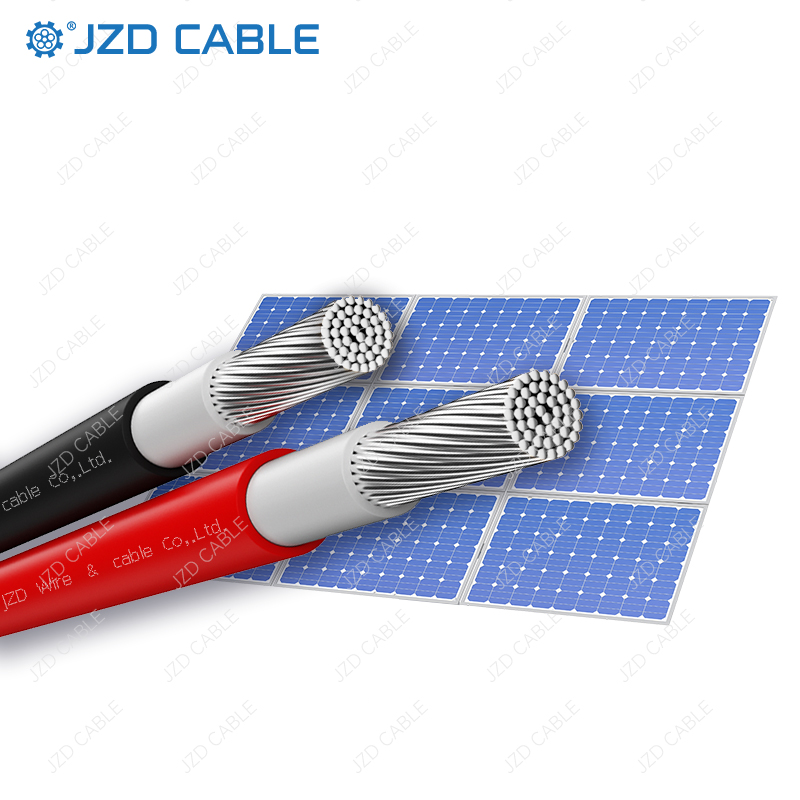
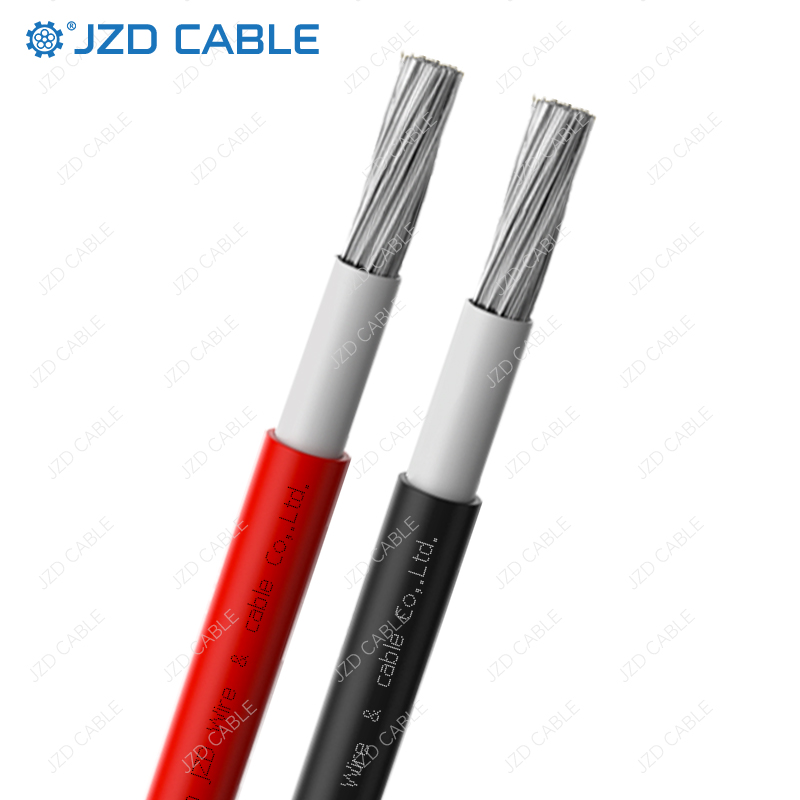
For European PV projects, H1Z2Z2-K solar cable is widely used for DC connections between solar modules, combiner boxes, and inverters.
Featuring a double-insulation structure, halogen-free materials, and a 1500V DC rating, H1Z2Z2-K is designed for reliable outdoor photovoltaic applications. Its construction provides resistance against:
- UV exposure
- Moisture and heavy rainfall
- Temperature variations
- Long-term weather conditions
With excellent flexibility, weather resistance, and durability, H1Z2Z2-K is suitable for commercial rooftops, industrial PV systems, and utility-scale solar installations.
For EPC contractors and solar installers, certified H1Z2Z2-K solar cable helps ensure reliable DC connections and long-term PV system performance.
Conclusion
Extreme weather conditions create additional considerations for solar system design. Storms, heavy rainfall, humidity, and strong sunlight can all influence the performance requirements of PV components.
For solar EPC contractors, installers, and project developers, selecting the right solar cable is an important part of building reliable photovoltaic systems.
By using certified PV wire designed for outdoor environments, project teams can improve installation quality and support consistent solar system performance throughout the project lifecycle.
Contact JZD today to find the right solar cable solutions for your photovoltaic projects.