


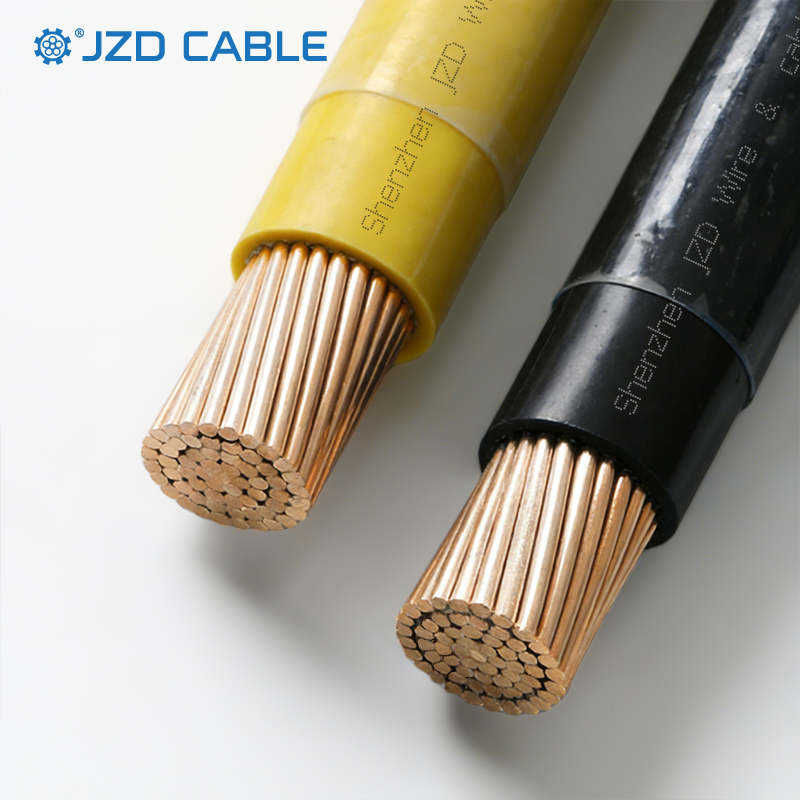
How to Choose Between THHN and Romex: UL Certification, Ampacity, and Project Cost
THHN and Romex are both 600V rated but differ in construction, installation, and application. THHN is a single-conductor wire for conduit in commercial and industrial settings; Romex (NM-B) is a multi-conductor sheathed cable for dry indoor residential and light commercial wiring. Selection depends on UL certification, ampacity, environment, code, and total cost—not unit price alone. Quick Comparison Item THHN /
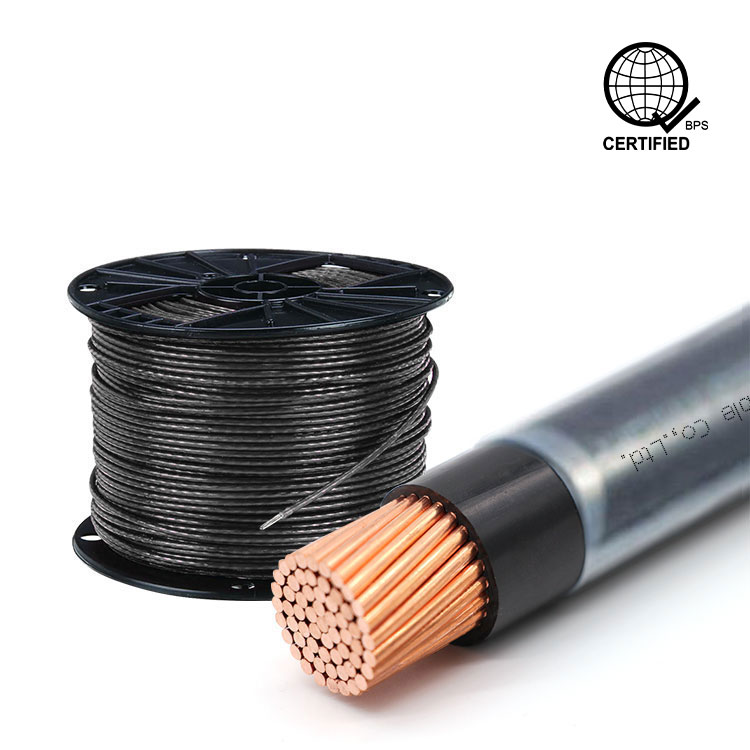
Custom Cable: The Decisions That Really Affect Cost and Lead Time
Custom cable projects often go over budget or miss deadlines due to pre-design-freeze decisions that look technical but are commercial. This article examines the decisions that really matter—conductor stranding, insulation thickness, certification, ampacity correction, batch consistency, and cost structure and why they are so often underestimated. Conductor Stranding: A Complex Problem That Gets Oversimplified 1. Lay Length and Direction “Class
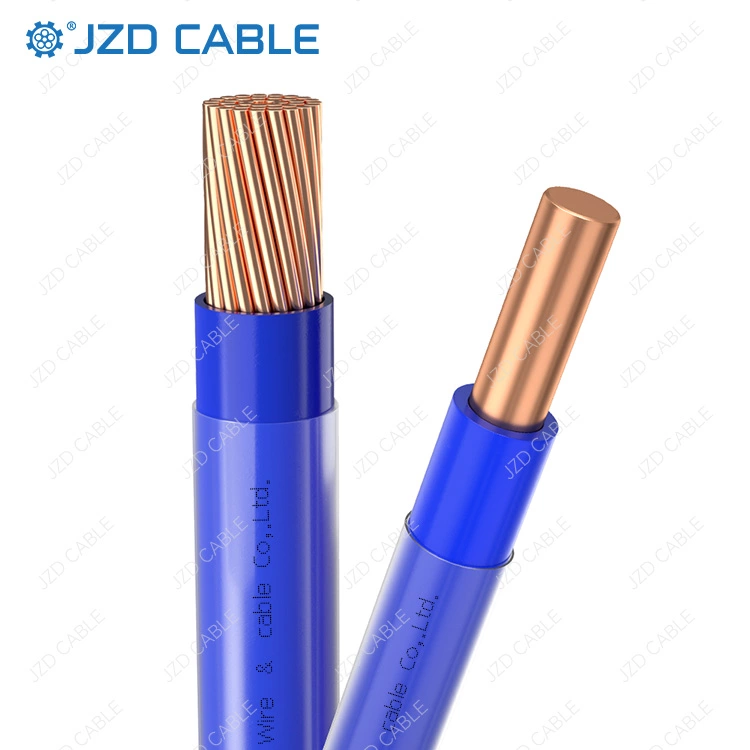
Wire vs. Cable: A Complete Guide from Standards to Engineering Selection
In electrical engineering and procurement, few questions come up as often as the difference between “wire” and “cable”—yet even seasoned professionals often struggle to explain it. The answer depends on perspective. Structurally, wire is typically a single conductor; cable is an assembly of multiple conductors. Under the NEC, wire requires conduit; cable may be directly installed. In UL classification, the
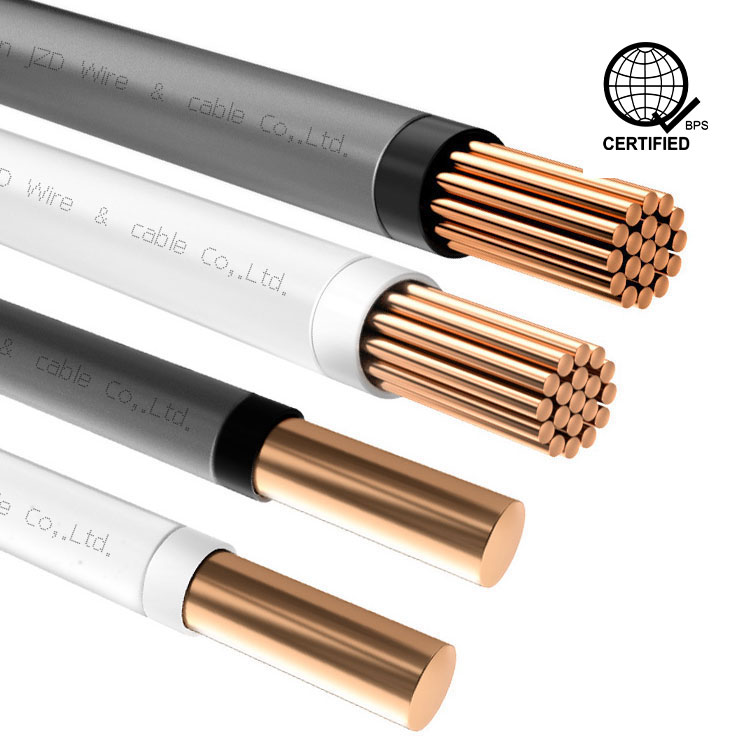
Building Wire Selection Guide: PEC Code and Engineering Practice
In construction projects across the Philippines and Southeast Asia, few engineering decisions affect electrical safety, efficiency, and service life as much as conductor selection. In the Philippines, building wire selection is governed by the Philippine Electrical Code (PEC)—based on NFPA 70 and adopted by the IIEE and BEE. The PEC sets mandatory rules for conductor sizing, ampacity, correction factors, voltage
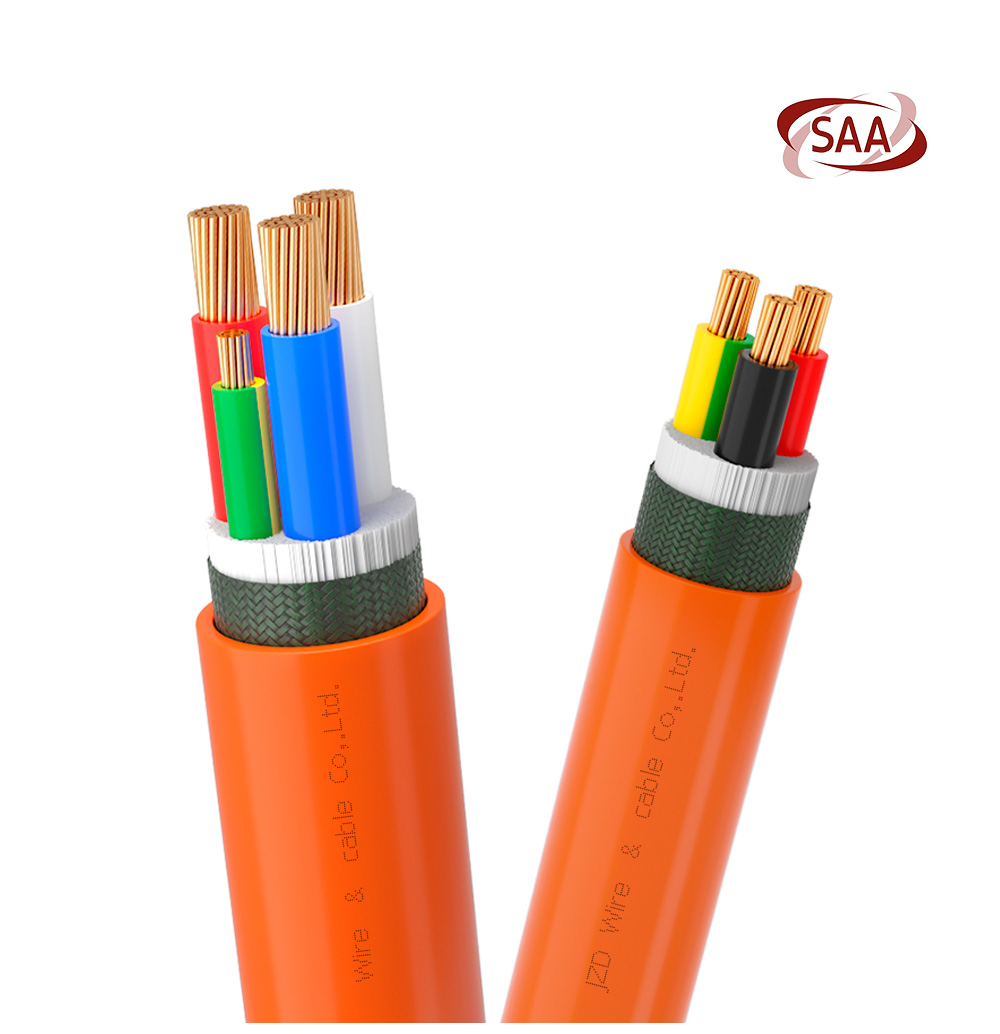
Power Cable Types: A Complete Guide for B2B Procurement and Engineering
Price alone won’t tell you if a power cable passes inspection, lasts, or keeps total costs down. Ampacity, voltage drop, and short-circuit rating are often overlooked—leading to failures. This guide covers cable types and selection by voltage class, construction, and key parameters. Start with Voltage Class: Low, Medium, High The first step in cable selection is always confirming the voltage
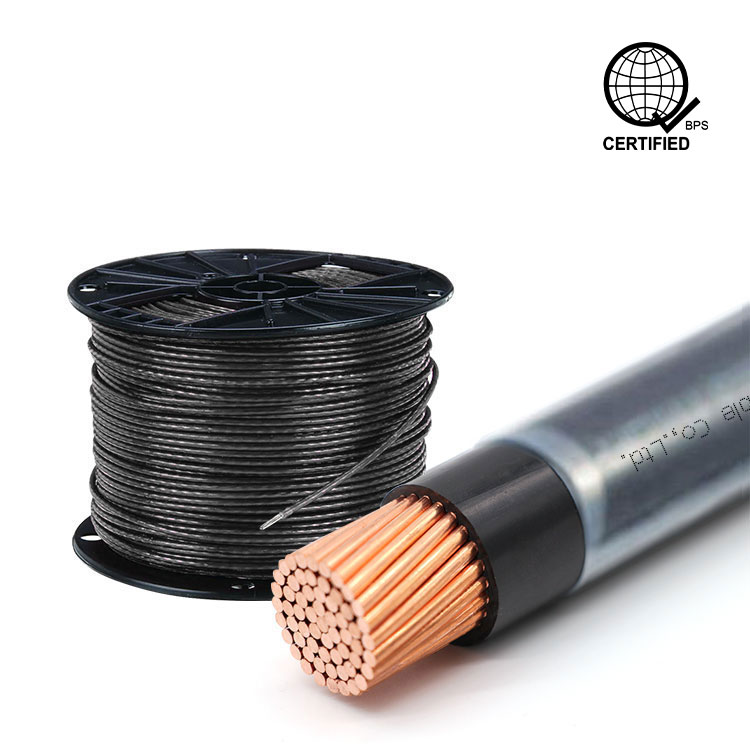
THW vs THWN Wire: The Engineering Difference of a Nylon Jacket
THW and THWN belong to the same UL 83 family of thermoplastic-insulated wires. Both are rated 600V. Both carry a 75°C conductor temperature rating. The only difference in their designation is a single letter—”N” for nylon jackets. That one letter changes three things in real-world engineering: how the wire pulls through conduit, how long it lasts in wet locations, and