

If you’ve ever had someone hand you a roll of Royal Cord and a regular cable with the words “either works,” you already know the surface similarities can be misleading. Copper conductors, PVC insulation, and a jacket—maybe the same voltage rating—but in practice, they behave very differently. One is built to move. The other is built to stay put.
If you’re looking for a clear breakdown of Royal Cord versus regular cable—how they differ in construction, flexibility, applications, and safety—this guide covers what actually matters before you make a choice.
What Is Royal Cord?
Royal Cord is a market name for a class of flexible/portable cords—not a standardized cable type defined by an international body. Actual specs and certifications depend on the manufacturer.
In the Philippines and parts of Southeast Asia, “Royal Cord” is widely used. Typical specs include:
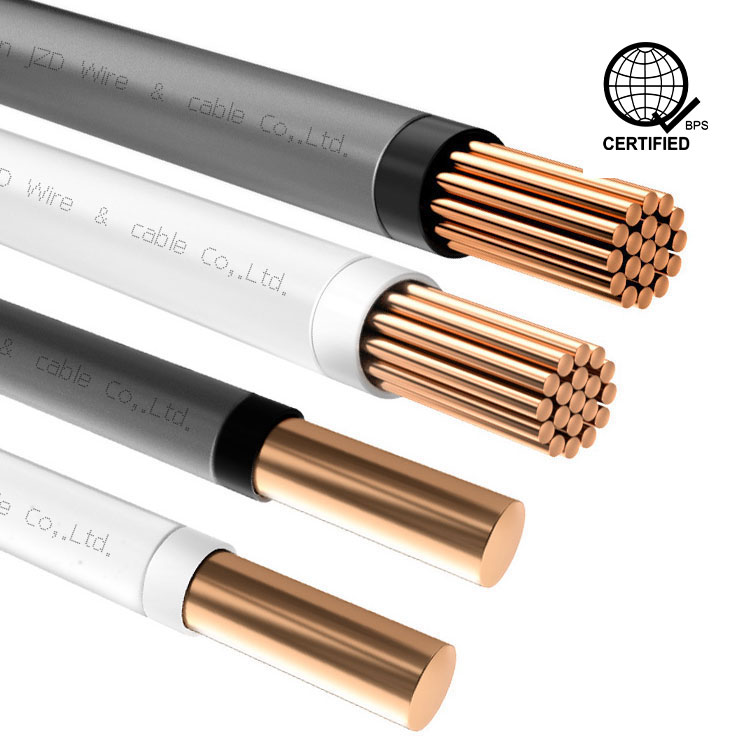
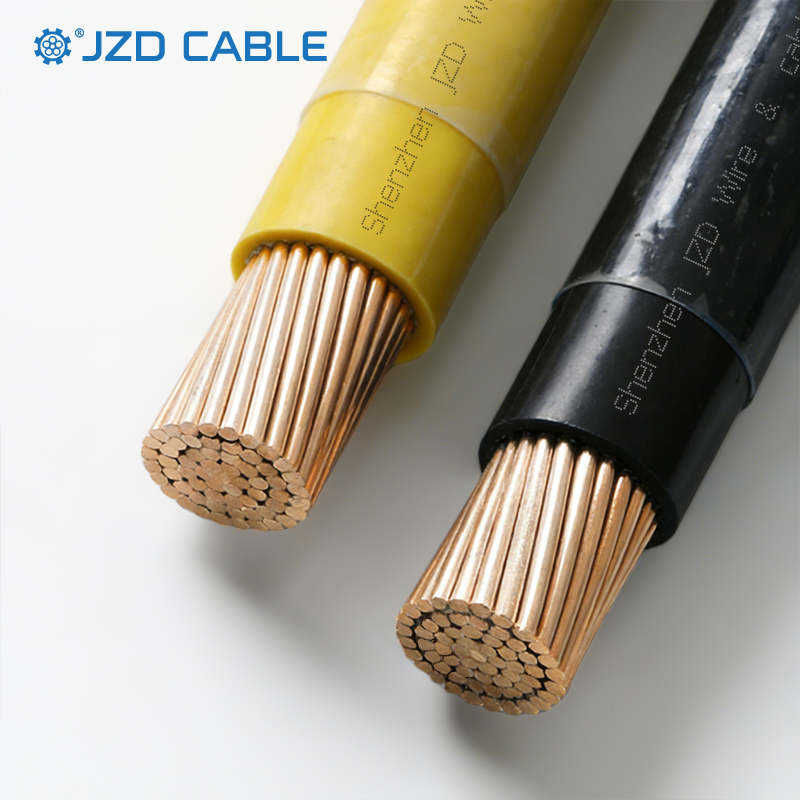
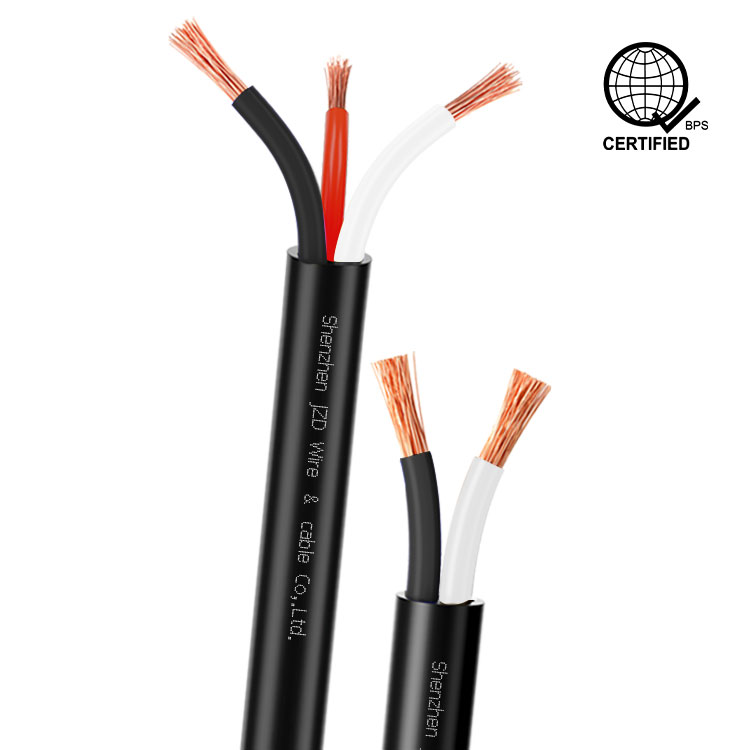
- Stranded copper conductors
- PVC insulation and PVC jacket
- 600V rating
- 75°C temperature rating
- PNS 163 compliance or UL 62 reference
PNS 163 is the Philippine National Standard for flexible cords and power cables. If a cable is marked PNS 163, it meets local requirements for conductor, insulation thickness, jacket, voltage withstand, and marking.
What Does “Regular Cable” Mean?
“Regular cable” isn’t a technical term. It can mean solid or stranded conductors, single or multi-core, stiff or flexible.
- THHN uses stranded conductors but is a fixed wiring cable.
- NM-B can be solid or stranded depending on size.
In this article, “regular cable” means general-purpose cable designed for fixed installation or general electrical connection—not for repeated movement or flexing.
Where Does Royal Cord’s Flexibility Come From?
1. Fine Stranded Copper Conductors
Royal Cord uses fine stranded copper. For the same 3.5 mm² cross-section:
- A fixed wiring cable might use 7 thick strands.
- Royal Cord might use dozens of fine strands.
Finer strands = less deformation per strand during bending = longer flex life.
2. Stranding Class
- Class B – standard stranding for fixed wiring (e.g., THHN/THWN)
- Class K / Class M – fine stranding for flexible cords
Royal Cord uses Class K/M-type construction.
3. Why Fine Stranding Survives Bending
When a solid conductor bends, the outer surface stretches and the inner surface compresses. Surface stress is highest. Repeated bending creates micro-cracks that grow until the conductor breaks.
Fine stranding spreads the stress across many small strands and allows slight movement between them. That’s why Royal Cord can handle tens of thousands of flex cycles, while solid conductors fail after relatively few.
Insulation and Jacket: Not Just PVC
1. PVC Insulation
Royal Cord insulation has a higher plasticizer content to stay soft. Trade-off: over time and at high temperatures, plasticizers migrate out, making the insulation hard and brittle. Flex cord lifespan is sensitive to heat and environment.
2. PVC Jacket
The outer jacket must resist:
- Abrasion
- Cutting
- Heat
- Moisture
When equipment moves, the cord gets dragged, stepped on, caught in doors. The jacket is the first line of defense.
3. Regular Cable Materials Vary
- Building wire: PVC + nylon
- Industrial cable: XLPE + PE
- No single “regular cable” jacket spec exists.
Voltage and Temperature: Not All Royal Cord Is the Same
Common Philippine Royal Cord: 600V / 75°C
Other products: 300V / 60°C
Don’t assume every Royal Cord is 600V. Check the cable marking.
Temperature rating matters: 75°C means the conductor’s continuous temperature must stay below that. High ambient temperature or bundled cables reduce allowable ampacity—apply derating factors.

Core Differences at a Glance
| Feature | Royal Cord / Portable Cord | Regular Cable |
| Conductor | Fine stranded copper | Solid or stranded, type-dependent |
| Flexibility | High, repeated bending | Usually limited |
| Jacket | Flexible, abrasion-resistant | Type-dependent |
| Design purpose | Movement, portability, temporary power | Fixed installation |
| Voltage | 600V or 300V common | Type-dependent |
| Temperature | 75°C common | Type-dependent |
| Standards | PNS 163, UL 62, etc. | Cable-type standards |
Royal Cord is built to move. Regular cable is built to stay put.
What Happens If You Use Regular Cable on Moving Equipment?
Example: a power drill.
The cord twists and bends with every use. After a few months, the drill cuts out intermittently—you shake the cord and it works again. That’s early conductor fatigue.
Fixed wiring cable wasn’t designed for repeated flexing. Royal Cord is. It’s not that regular cable is low quality; it’s simply not built for movement.
Safety: No Blanket Comparisons
Avoid claims like “Royal Cord is safer than regular cable.”
Safety depends on:
- Correct voltage
- Temperature limits
- Environmental suitability
- Proper installation
- Grounding
- Strain relief
- Protection from physical damage
Royal Cord is safe in its intended use—portable equipment, temporary power. Misapplied, it fails just like any cable.
Cable safety comes from correct selection and use, not the cable type itself.
Strain Relief: The Overlooked Detail
The most common failure point on a moving cord is not the middle—it’s the ends, where it enters equipment or meets the plug.
Those points carry the most tension. Without strain relief, pulling force transmits directly to terminals, causing:
- Loose conductors
- Thinned insulation
- Broken grounding
Strain relief transfers mechanical stress to the jacket and fitting, not the electrical connections.
Common types:
- Cord grips
- Jacket clamps
- Molded strain relief boots
The Philippine Electrical Code (PEC) and international safety standards require strain relief on flexible cords. Check it during equipment inspection.
Royal Cord Cannot Replace Fixed Wiring
The Philippine Electrical Code is explicit: flexible cords cannot substitute for fixed building wiring.
Fixed wiring cables must meet specific code requirements:
- Flame spread resistance
- Structural stability
- Insulation suited for conduit pulling
Royal Cord’s flexible design doesn’t meet those requirements.
And fixed wiring cable shouldn’t be used on moving equipment. Each has its place.
How to Choose Royal Cord: Six Checks
1. Current Requirements
Calculate equipment current, including startup. Use ampacity tables. A 3.5 mm² cord works for some appliances, but verify with data.
2. Number of Conductors
Metal-enclosure equipment needs 3-conductor (with ground). Ground size must match code.
3. Voltage and Temperature
Match 600V or 300V to system voltage. Is 75°C enough? Consider ambient temperature.
4. Mechanical and Environmental Conditions
Oil, chemicals, water, sunlight? Long-term outdoor use needs a weather-resistant jacket. Bending radius too tight? Even soft cable fails.
5. Standards and Certifications
Look for PNS 163, UL 62, or other applicable marks. Documentation > verbal claims.
6. Strain Relief
Are strain relief devices intact at both ends? For DIY extension cords, use connectors with proper strain relief.
Final Decision Logic
- Equipment moves, is portable, or needs temporary power → Royal Cord / flexible cord
- Fixed building wiring → building wire per code
- Unsure → ask: Will it move? Will it flex? What’s the environment? What does code say?
Conclusion
Royal Cord and regular cable serve different purposes. Royal Cord solves flexibility and durability for moving applications. Regular cable handles fixed wiring and general electrical work.
In the Philippine market, PNS 163-compliant Royal Cord typically features 600V, 75°C, stranded copper, PVC insulation and jacket—ideal for appliances, office equipment, power tools, and temporary power.
Before you choose, answer these: Will the equipment move? Will the cable flex? What’s the environment? What do codes require? Are ampacity corrections applied? Is strain relief in place?
If you’re looking for Royal Cord flexible cable for moving equipment, portable appliances, or temporary power, Contact us to discuss your requirements or request free samples.