


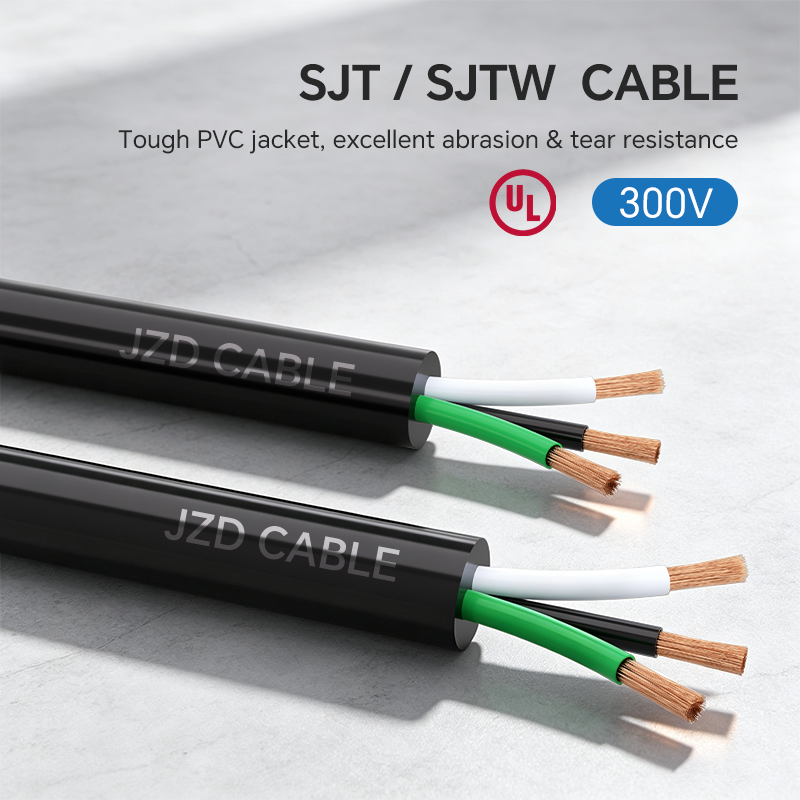
SJT, SJTW, and STW Portable Cords: Selection Guide
In industrial equipment power, temporary construction site wiring, and outdoor equipment connections, portable cords are consumables—but not disposable. From the same batch, some cords stay flexible for two or three years, while others harden, crack, or break at the bend within three months. SJT, SJTW, and STW are the three most common portable cord types under UL 62. They look
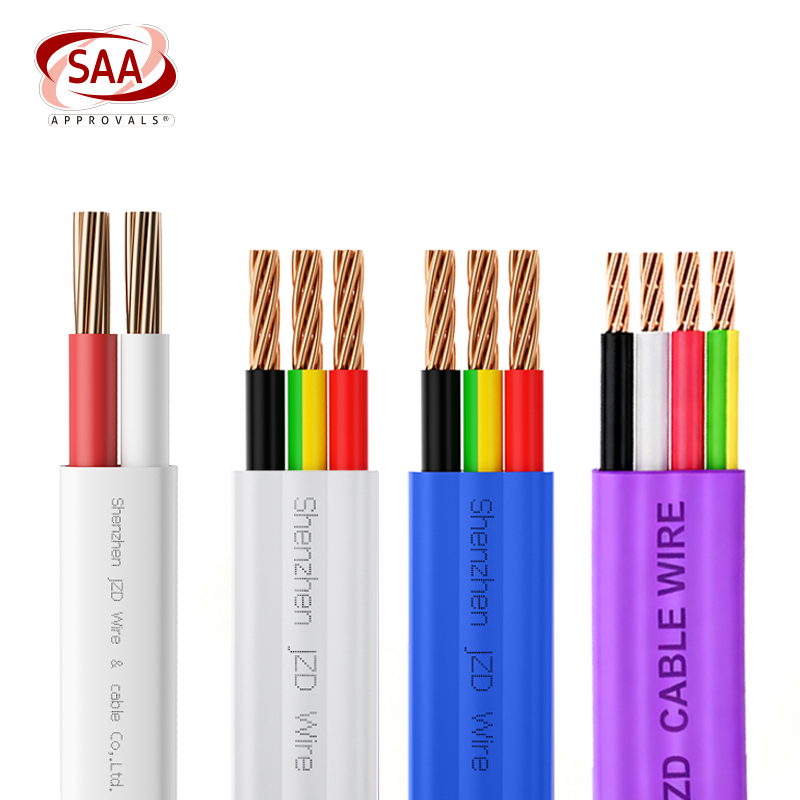
TPS Cable: AS/NZS 5000.2, SAA Certification, and Selection for Australian Projects
TPS cable (Thermoplastic Sheathed cable) is the standard fixed wiring cable for residential, commercial, and light industrial installations in Australia and New Zealand. It is a thermoplastic-insulated, thermoplastic-sheathed cable, typically with stranded copper conductors and a PVC outer sheath, rated 450/750V with a 90°C maximum conductor temperature. TPS cable is governed by AS/NZS 5000.2, the Australian/New Zealand standard for thermoplastic-sheathed
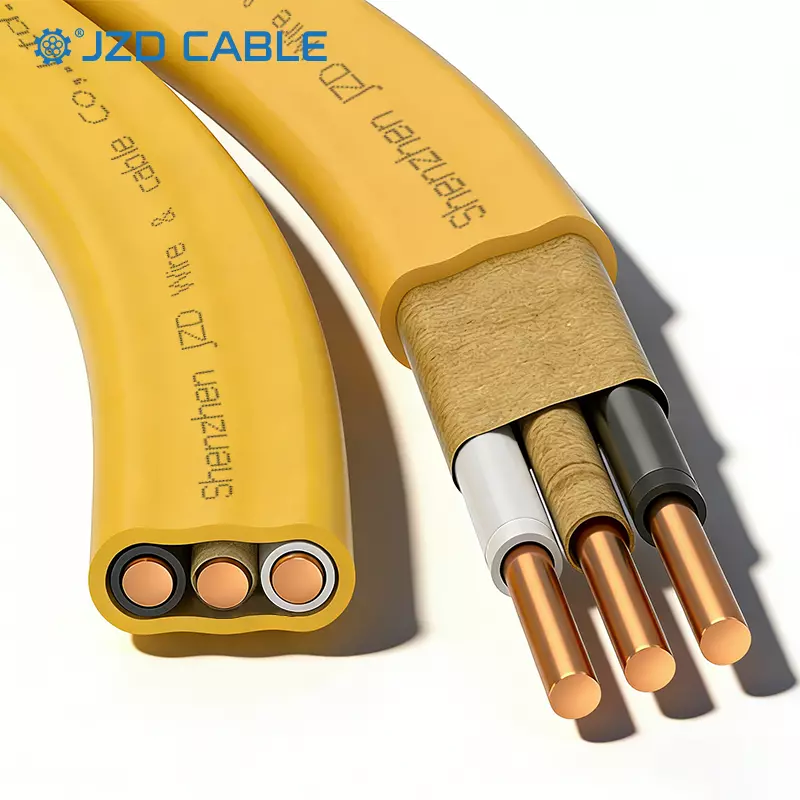
NM vs. NM-B Cable: Ampacity, Code Rules, and Selection
NM and NM-B cable look similar. Both are non-metallic sheathed cables used for dry indoor wiring. Many project teams treat them as interchangeable—until inspection reveals a problem. The difference is conductor insulation temperature: Type NM is rated 60°C, while Type NM-B is rated 90°C. This difference affects not only code compliance but also long-term reliability in insulated wall cavities. This
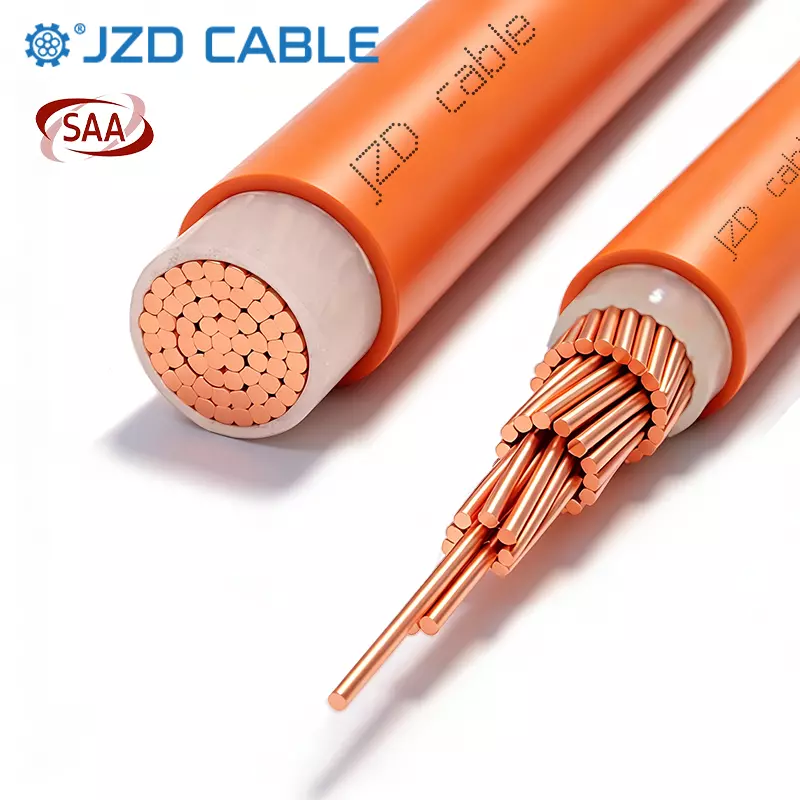
YJV Cable: XLPE Insulation, Flame Retardancy, and Ampacity Derating
YJV cable—copper conductor, XLPE insulation, PVC sheath—is a low-voltage power cable widely used in commercial buildings, industrial plants, and infrastructure distribution. Its continuous operating temperature reaches 90°C, short-circuit withstand is 250°C for 5 seconds, and ampacity is 15%–30% higher than PVC-insulated cable of the same cross-section. But selection is not only about cross-section. Flame retardancy, conductor configuration, and ambient temperature
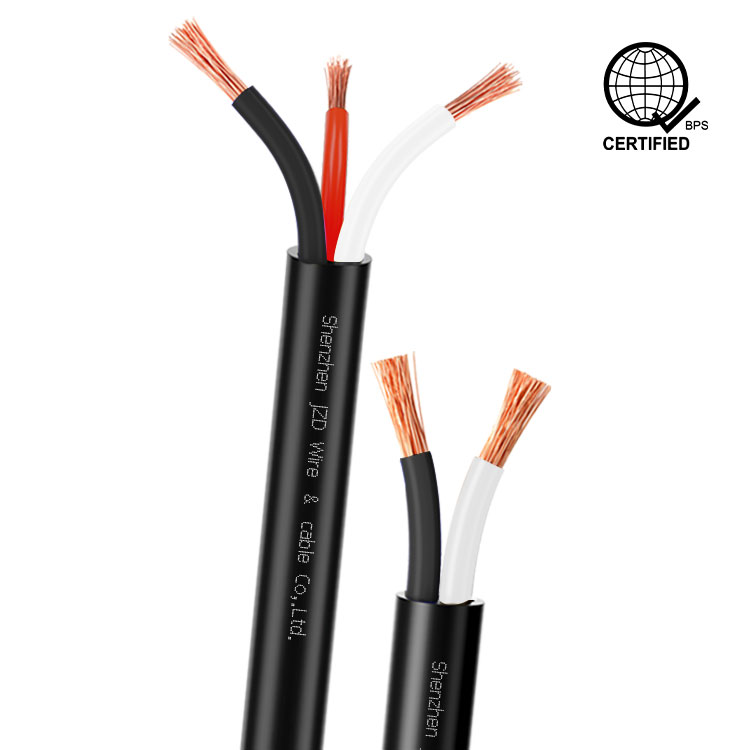
Royal Cord Selection: Why Cable Life Varies
PNS 163 certification is mandatory for Royal Cord in the Philippines, but it only sets minimum requirements. Conductor stranding, ampacity derating, and jacket performance determine actual service life. This article covers the selection factors that matter. PNS 163 Is a Threshold, Not a Guarantee 1. What PNS 163 Covers Royal Cord must be PNS 163 certified in the Philippines. Inspection
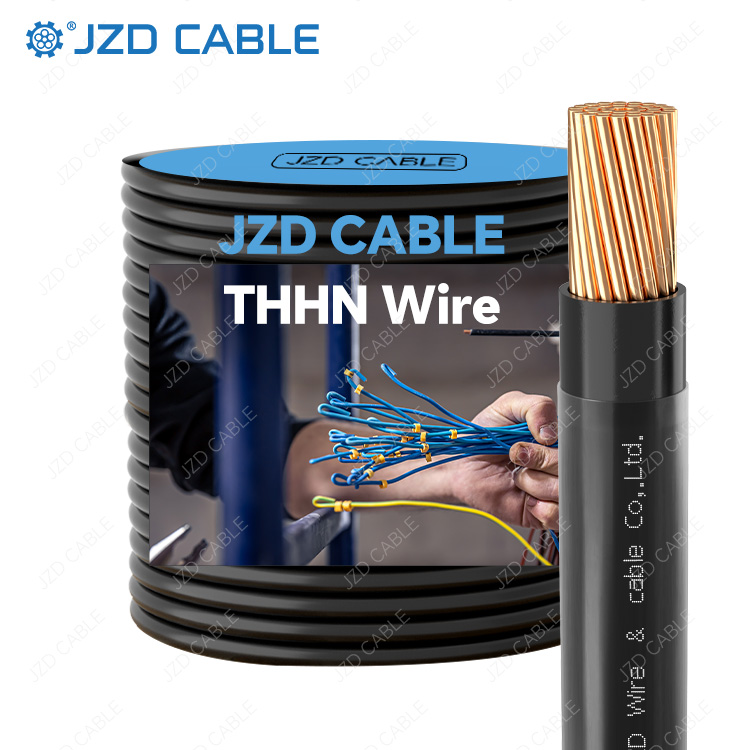
PVC Insulated Copper Cable: UL 83, Ampacity, and Selection
PVC insulated copper cable is widely used in commercial and industrial power distribution. Selection depends not only on gauge and price but also on insulation formulation, UL 83 testing, ampacity correction, and jacket performance. This article covers construction, certification, ampacity correction, and verification. Material Construction 1. Conductor The conductor is annealed copper per ASTM B3 or B8. Sizes range from