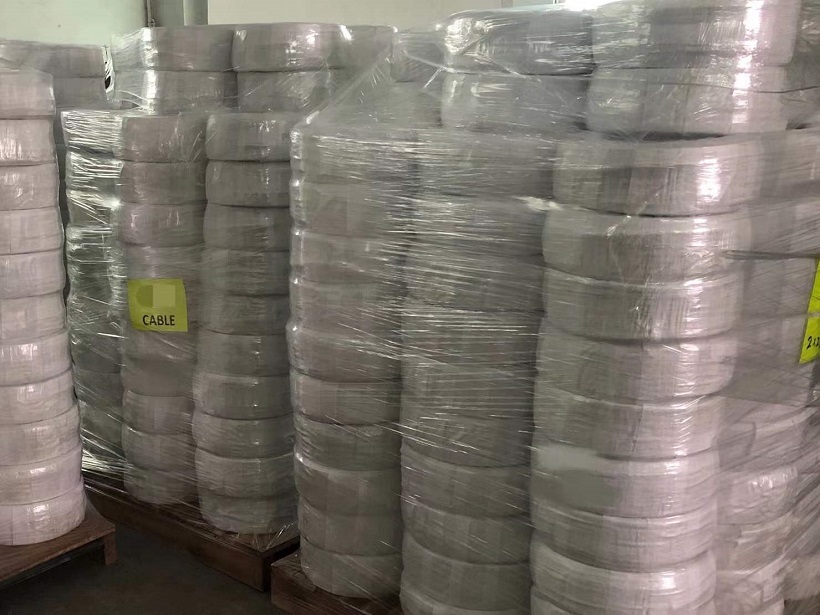



For switchboard manufacturers and electrical panel builders, selecting the right internal wiring solution directly affects electrical safety, assembly efficiency, and equipment reliability.
Inside switchboards, wires connect breakers, busbars, protection devices, and control components while operating under continuous electrical loads and limited enclosure space.
A suitable SIS wire for switchboard applications provides the flexibility, heat resistance, and insulation performance required for modern electrical equipment manufacturing.
Switchboard Internal Wiring Requirements
Internal wiring is a critical part of switchboard assembly. It connects electrical components and ensures stable power distribution and control signal transmission.
Common switchboard wiring applications include:
- Circuit breaker connections
- Busbar connections
- Protection device wiring
- Control circuits
- Terminal block connections
A reliable switchboard wiring cable should provide:
| Requirement | Why It Matters |
| Current carrying capability | Supports continuous electrical loads |
| Heat resistance | Handles heat generated inside electrical enclosures |
| Flexibility | Allows easier routing in compact spaces |
| Insulation durability | Improves electrical protection |
| Standard compliance | Supports equipment certification |
How to Wire a Switchboard?
When considering how to wire a switchboard, manufacturers usually follow several key steps.
1. Design the Switchboard Layout
Before wiring begins, components are arranged based on:
- Power distribution paths
- Component locations
- Maintenance requirements
- Available wiring space
A well-planned layout helps reduce unnecessary cable length and improves internal organization.
2. Select the Correct Switchboard Wire
Wire selection depends on:
- Operating current
- Voltage rating
- Conductor size
- Temperature conditions
- Application requirements
For internal switchboard wiring, UL 44 SIS wire is commonly selected because it is designed for electrical equipment applications requiring reliable performance under demanding conditions.
3. Route and Secure Internal Wiring
During assembly, wires are connected between:
- Circuit breakers
- Busbars
- Relays
- Contactors
- Terminal blocks
Flexible conductors help create cleaner wiring paths and reduce installation difficulty in compact electrical panels.
Proper routing also helps improve:
- Heat management
- Maintenance access
- Assembly efficiency
Why Is SIS Wire Used for Switchboards?
SIS wire (Switchboard Insulated Wire) is designed specifically for internal wiring applications in switchboards, switchgear, and electrical equipment.
Compared with general-purpose building wires, SIS wire provides better performance in enclosed electrical environments.
1. Heat-Resistant XLPE Insulation
Switchboards often operate continuously under electrical loads, which can increase internal temperatures.
XLPE insulation provides stable electrical performance and improved resistance to heat exposure.
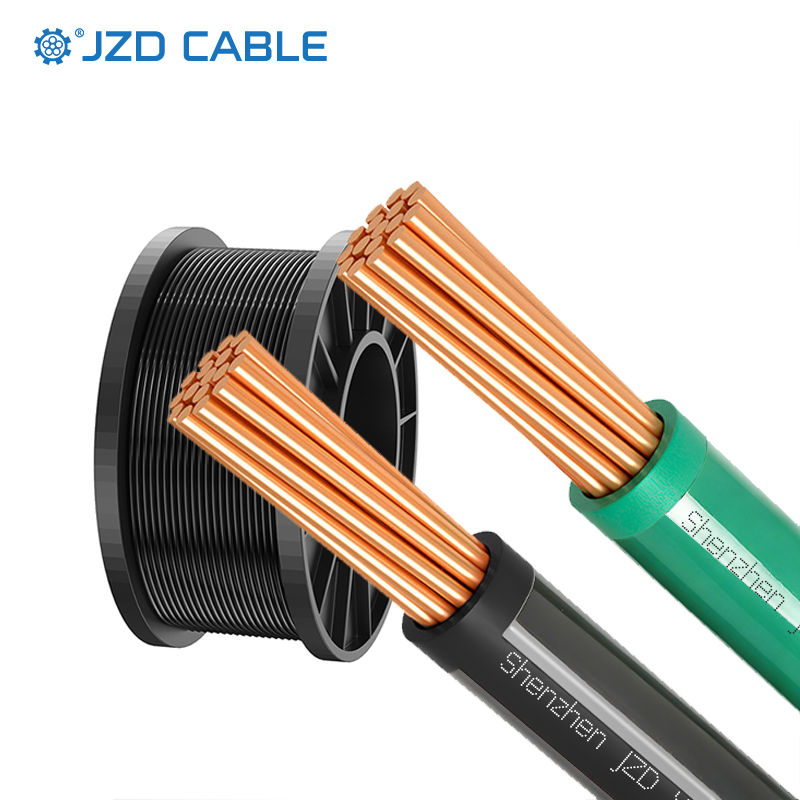
2. Flexible Copper Conductor
Switchboard assemblies often require complex wiring routes.
Stranded copper conductors provide:
- Excellent conductivity
- Easier installation
- Better flexibility for internal connections
3. Flame-Retardant Performance
Electrical equipment contains multiple energized components in a confined space.
Flame-resistant insulation helps improve safety and supports reliable equipment operation.
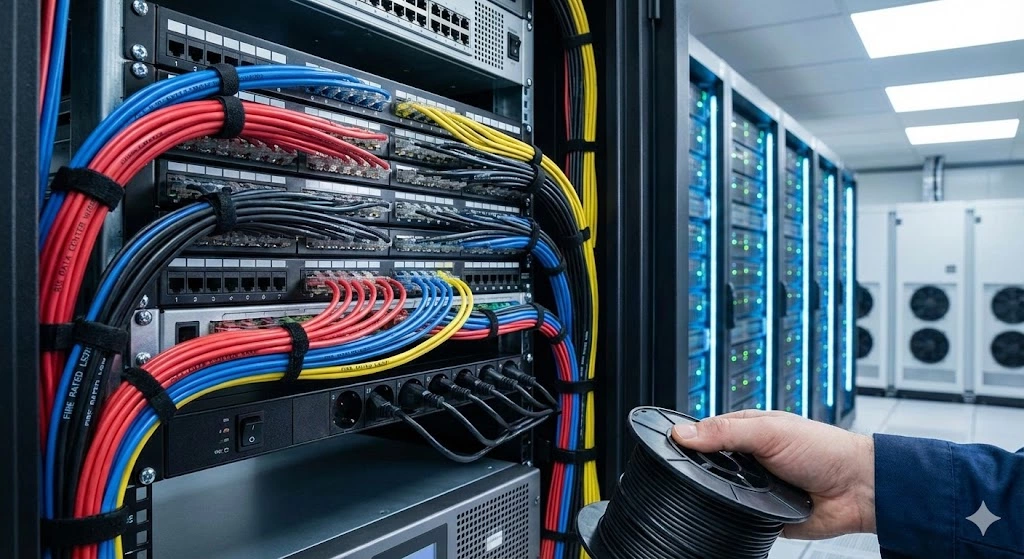
What Is UL 44 SIS Wire?
UL 44 SIS wire is covered under CSA C22.2 No.38 thermoset-insulated wire and cable standard, which defines requirements for thermoset-insulated conductors used in electrical applications.
UL 44 SIS Wire Specifications
| Parameter | Description |
| Standard | UL 44 |
| Wire Type | SIS (Switchboard Insulated Wire) |
| Conductor | Stranded copper |
| Insulation | XLPE (Cross-linked polyethylene) |
| Voltage Rating | 600V |
| Temperature Rating | 90°C |
| Application | Switchboards, switchgear, electrical panels, control equipment |
| Main Features | Heat-resistant, flexible, flame-retardant |
These characteristics make SIS wire suitable for applications where reliable internal electrical connections are required.
SIS Wire Applications in Electrical Equipment
Although SIS wire is commonly used in switchboards, its applications extend to various electrical assemblies.
| Application | Typical Use |
| Switchboards | Internal power distribution wiring |
| Switchgear | Breaker and bus connection wiring |
| Electrical Panels | Internal component connections |
| Control Cabinets | Control circuit wiring |
| Industrial Equipment | Internal electrical connections |
For manufacturers producing electrical equipment, SIS wire provides a reliable solution for applications requiring flexible and heat-resistant internal wiring.
SIS Wire vs THHN/THWN-2 for Electrical Applications
Different wire types are designed for different installation environments.
| Feature | SIS Wire | THHN/THWN-2 |
| Main Application | Switchboards and electrical equipment | Building and conduit wiring |
| Installation Location | Inside electrical assemblies | Raceway and conduit systems |
| Flexibility | High flexibility | Depends on conductor type |
| Insulation | XLPE | PVC/Nylon |
| Typical Use | Internal equipment wiring | General electrical distribution |
For switchboard manufacturers, SIS wire is often preferred because it is specifically designed for internal electrical equipment wiring.
JZD UL 44 SIS Wire Solution
JZD UL 44 SIS wire is designed for manufacturers requiring reliable internal wiring solutions for switchboards and electrical equipment.
Key advantages include:
- UL 44 compliant design
- Flexible stranded copper conductor
- Heat-resistant XLPE insulation
- Suitable for complex internal wiring layouts
Applications include:
- Switchboards
- Electrical panels
- Switchgear assemblies
- Industrial control cabinets
JZD Cable provides SIS wire solutions for electrical equipment manufacturers requiring consistent quality and reliable performance.
Conclusion
For switchboard manufacturers and electrical panel builders, choosing the correct internal wiring solution is essential for safe and efficient equipment operation.
SIS wire for switchboard applications provides the flexibility, heat resistance, and electrical performance required for modern switchboard manufacturing.
By selecting the right switchboard wiring cable, conductor size, and insulation system, manufacturers can improve assembly efficiency and build more reliable electrical systems.
Contact JZD today to find the right UL 44 SIS wire solution for your switchboard and electrical panel applications.