


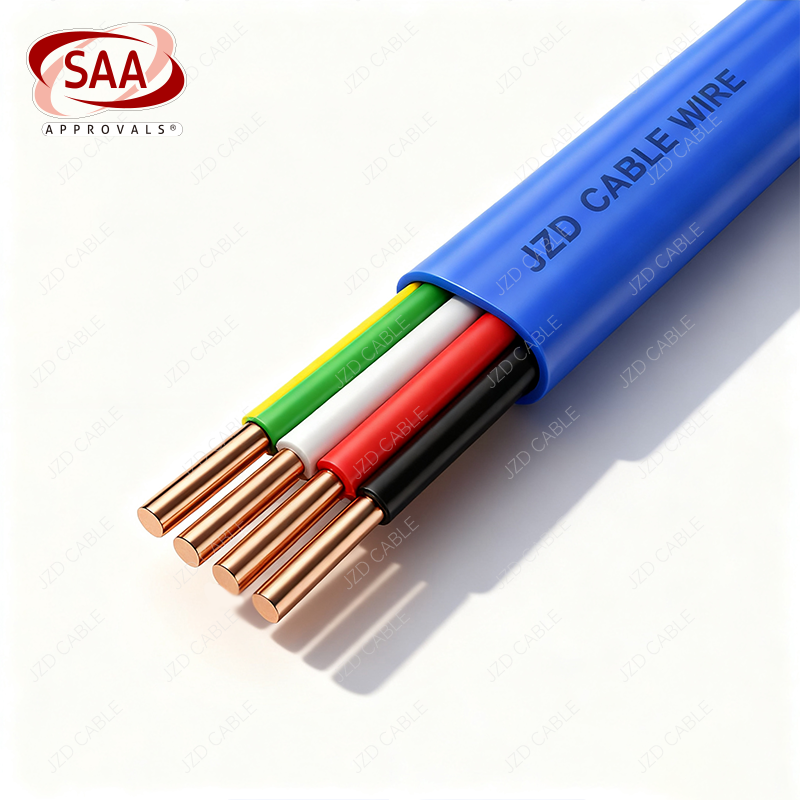
Blue TPS Cable: Why Australian Electricians Call It Air Conditioning Cable
On Australian job sites, electricians often wire split-system air conditioners by matching terminal colors—black to black, white to white, red to red. The problem: black is active, white is neutral, red is communication. Connecting by color rather than function is wrong. Energy Safe Victoria issued an alert on this. The wiring must comply with AS/NZS 3000 Table 3.4. Wrong connections

SAA TPS Flat Cable: How AS/NZS 5000.2 Non-Migratory Sheath Protects Building Insulation
When standard PVC cable contacts polystyrene (EPS or XPS) insulation, the plasticizers that keep the sheath flexible migrate out of the cable and are absorbed by the foam. The cable hardens and cracks. The polystyrene swells and loses its insulating properties. Within years—not decades—the sheath can become brittle enough to expose conductors, creating shock and fire hazards. The Northern Territory

UL1277 TC-ER Cable: Avoid Unnecessary Conduit Costs
In 2026, the NEC revised Section 336.10(7), clarifying where TC-ER cable may transition without continuous support for a distance not exceeding 6 feet (1.8 meters) between a cable tray, raceway, enclosure, or equipment and the utilization equipment it serves. Behind this rule is a fundamental engineering question: Does cable protection have to come from external conduit, or can the cable’s
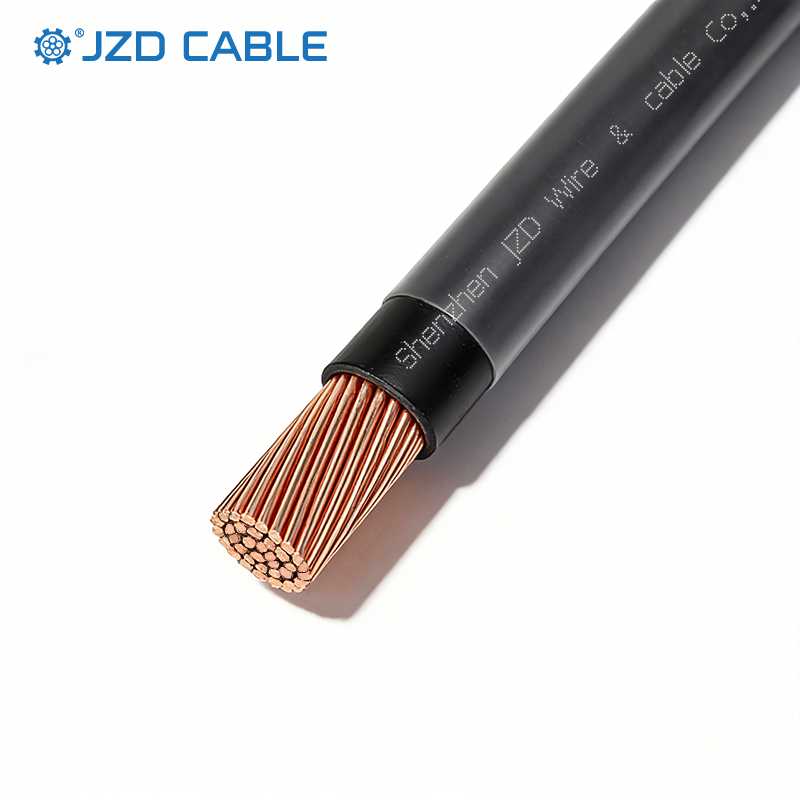
Royal Cord vs THHN: A Deep Dive into Philippine Market Cable Selection
In Philippine electrical engineering practice, cable selection is never as simple as “just powering up”—it’s about safety compliance, long‑term reliability, and passing project inspections. Faced with fixed wiring and mobile power supply scenarios, engineers and procurement professionals often struggle with the most fundamental question: Which one should I choose? Both appear to transmit electricity, but their design logic, engineering parameters,
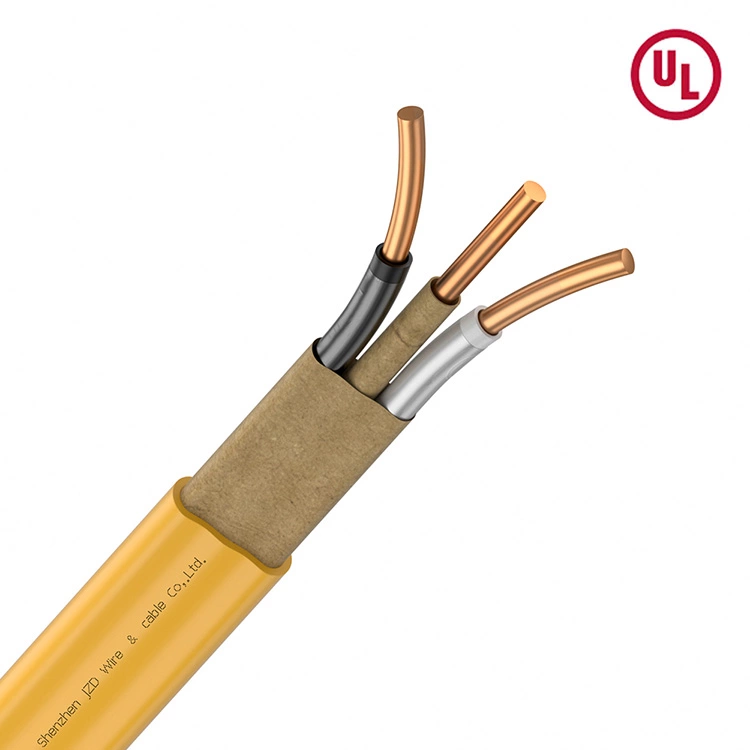
NM-B (Romex) Cable: A Contractor’s Guide to Selection
“This doesn’t meet code. It all needs to be ripped out and redone.” No contractor wants to hear those words. Yet it happens regularly. The cable looks fine. The numbers seem right. But the electrical inspection fails. The usual culprits: NM-B cable without UL certification, 14 AWG wire on a 20A breaker, or non-UL-listed cable used on a U.S. project.
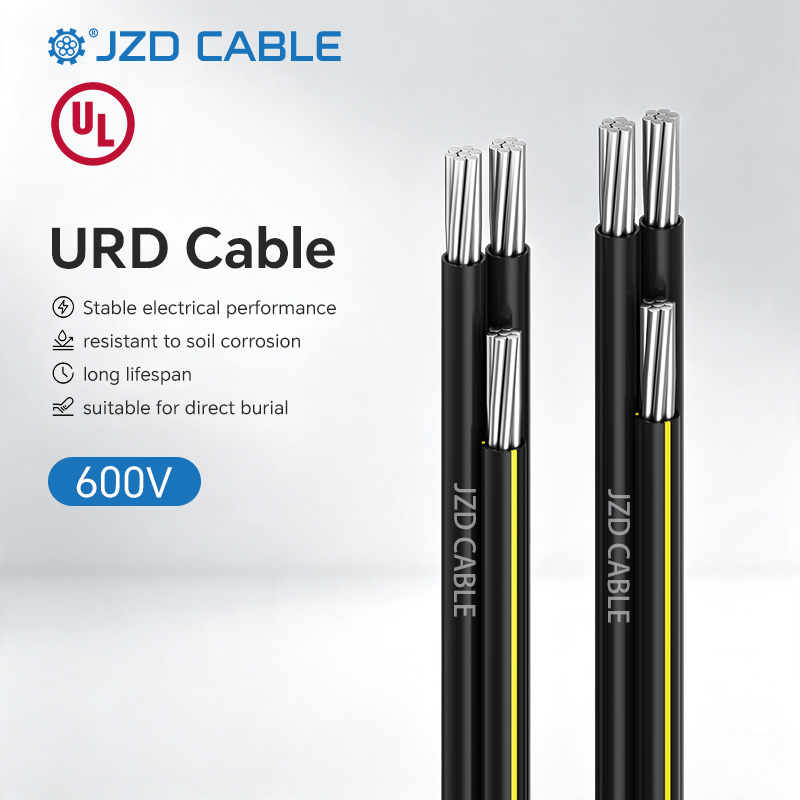
Quadruplex URD Cable for 3-Phase Commercial Service
In North American residential distribution, single-family homes typically use a single-phase, three-wire system (120/240V) served by triplex URD. Multi-family, commercial, and industrial projects, however, require three-phase, four-wire systems (120/208 V or 277/480 V)—which demand quadruplex URD. The difference between triplex and quadruplex is not just one extra conductor. They serve fundamentally different distribution systems, and the choice is not interchangeable.