


Inside switchboards, switchgear, and Motor Control Centers (MCCs), conductor density is extremely high, terminals generate heat, and heat dissipation is far worse than in open building raceways. In these confined, heat-dense environments, standard building wire often fall short. To meet these harsh conditions, electrical codes and equipment standards require a specifically engineered single conductor—SIS wire.
What is SIS Wire?
SIS stands for Switchboard, Insulated, Stranded. It is a single-conductor wire designed specifically for internal wiring in switchboards and switchgear, compliant with UL 44.
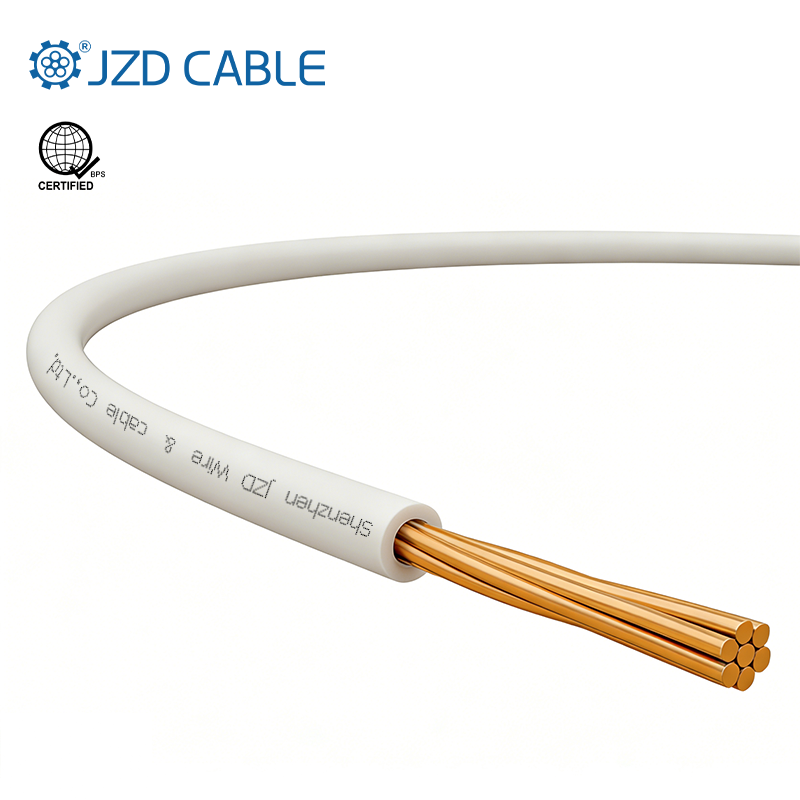
Its defining feature is the cross-linked polyethylene (XLPE) thermoset insulation. Unlike thermoplastic insulations (such as PVC), XLPE forms a three-dimensional molecular network. When subjected to extreme heat or an overload, it will char and maintain its shape rather than melt or drip, preventing exposed conductors and short circuits. Additionally, SIS uses finely stranded copper (e.g., 14 AWG typically has 41 strands), providing the flexibility needed to route around contactors and across hinged doors without fatigue.
SIS Wire Specifications
When specifying SIS wire for a project, the following core parameters apply:
- Voltage Rating: 600V.
- Temperature Rating: 90°C dry. When dual-rated as SIS/XHHW-2, it also carries a 90°C wet rating.
- Insulation Material: Thermoset XLPE, passing the VW-1 vertical flame test.
- Conductor: Stranded bare or tinned copper (meeting ASTM B174). Tinned copper is preferred in hot, humid enclosures to prevent oxidation.
- Sizes and Colors: Available from 18 AWG to 4/0 AWG, in a full range of colors for phase, neutral, ground, and control circuit identification.
Common Applications for SIS Wire
SIS wire is engineered for enclosed equipment where heat, density, and reliability intersect:
- Switchboards and Panelboards: Internal jumpers and power distribution between breakers, contactors, relays, and busbars. This is SIS’s primary application.
- Motor Control Centers (MCCs): Power distribution and motor starting control circuits, where the wire must maintain stability in vibrating and heat-generating environments.
- Industrial Control Panels: Weak-current signals and drive wiring for PLCs, VFDs, and soft starters.
- Switchgear: Secondary control and instrument circuits in low-voltage substation distribution cabinets.

Selection and Installation Considerations
While SIS is the standard for enclosure wiring, using it correctly requires understanding its boundaries compared to other wire types and applying proper derating calculations.
1. Differentiating SIS from THHN and MTW
A common selection error is substituting THHN (building wire) or MTW (machine tool wire) for SIS. THHN is designed for pulling through long conduit runs; its PVC insulation will soften under high heat, and its stiffer stranding makes it difficult to lay neatly in an enclosure. MTW is designed for industrial machinery and often rated to 105°C. While the applications of MTW and SIS sometimes overlap in control panels—leading many modern wires to be dual-rated SIS/MTW—SIS remains the specific standard for switchboards. Note that SIS lacks a heavy outer jacket and is strictly prohibited for long conduit pulls or tray installations.
2. The Triple Threat of Ampacity Derating
SIS’s 90°C insulation rating does not mean you can directly use the 90°C column in NEC Table 310.16. The baseline assumes 30°C ambient, no more than 3 conductors, and a 90°C conductor temperature. Inside a switchboard, actual ampacity is significantly reduced by:
- Higher ambient temperatures inside the enclosure.
- Bundled installation (applying adjustment factors like 80% for 4–6 conductors).
- Terminal temperature limitations (if breakers are rated 75°C, the final ampacity must be based on the 75°C column).
3. Support and Securing
Where SIS crosses moving parts (like a hinged door), a service loop must be left to prevent fatigue, and fasteners must not excessively compress the XLPE insulation.
FAQ
1. What size is sis wire?
SIS wire is typically available from 18 AWG to 4/0 AWG, utilizing finely stranded copper to ensure flexibility for internal panel routing.
2. What are the differences between SIS wire and THHN wire?
SIS uses thermoset XLPE insulation that chars under heat, suitable for switchboard interiors. THHN uses thermoplastic PVC that softens and melts and is designed for building raceways, not internal enclosure wiring.
3. What are the differences between MTW and SIS wire?
MTW is designed for industrial machinery and often rated to 105°C. SIS is specific to switchboards, rated 90°C dry. Many modern wires are dual-rated SIS/MTW to satisfy both applications.
4. What is a SIS cable used for?
SIS cable is used for internal wiring of switchboards, panelboards, MCCs, and switchgear, especially in high-density areas where heat dissipation is poor and reliable operation is critical.
For specifications or certification documents for UL 44 listed SIS switchboard wire, please contact us.