



TC-ER Cable: Selection and Verification for Exposed Runs
In industrial and commercial power distribution projects, the run from the main cable tray to the equipment often presents a choice: conduit, or a cable rated for exposed installation. The cost of conduit is not just the raceway itself. It includes elbows, fittings, pulling labor, and construction time. When the distance is short and the path is open, the material
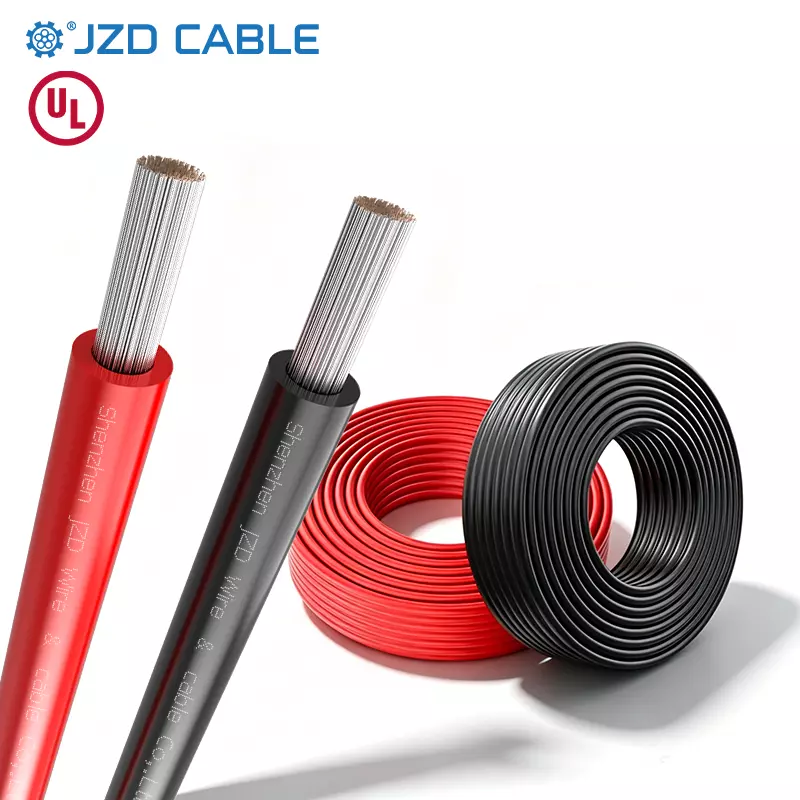
Solar Panel Wiring: PV Wire Selection Guide for Commercial and Industrial Projects
Solar panel wiring is often treated as a simple extension of general electrical work. In practice, the DC side of a photovoltaic system operates under conditions that demand a dedicated conductor: continuous UV exposure, wide temperature swings, moisture, and elevated DC voltages. Selecting the wrong cable for exposed array wiring can lead to accelerated insulation aging, code violations, and DC-side
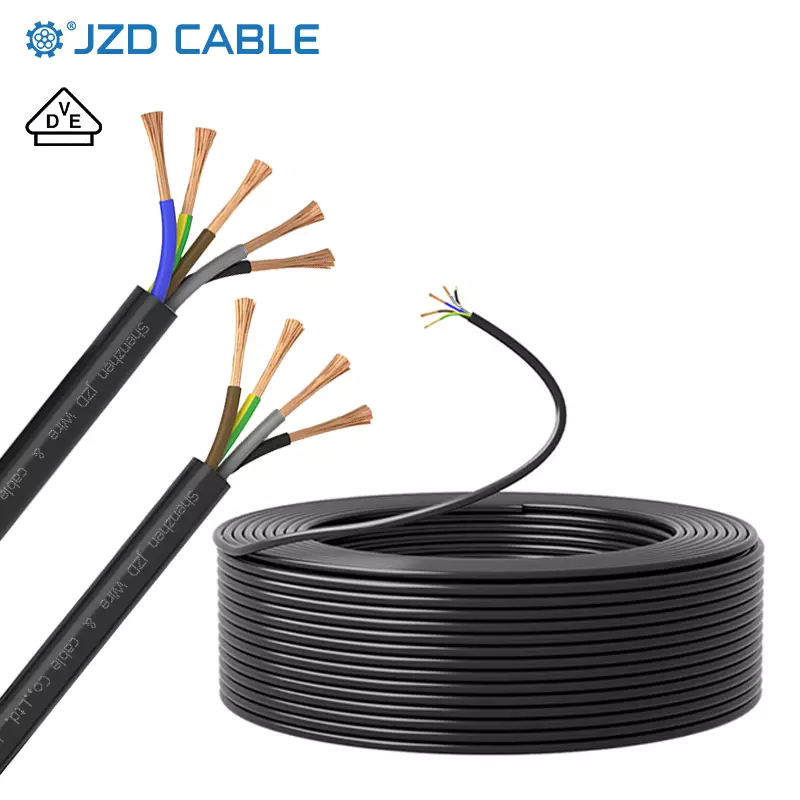
Flexible vs. Standard Cable in Industrial Equipment: Selection Differences
In industrial equipment and moving machinery, cable failures often trace back to a selection mismatch: standard cable used in dynamic service, or flexible cable not matched to the application in conductor class, lay length, jacket, and bending radius. The difference is not just soft versus hard; it involves stranding, stress distribution, fatigue life, and installation factors. This analysis examines those
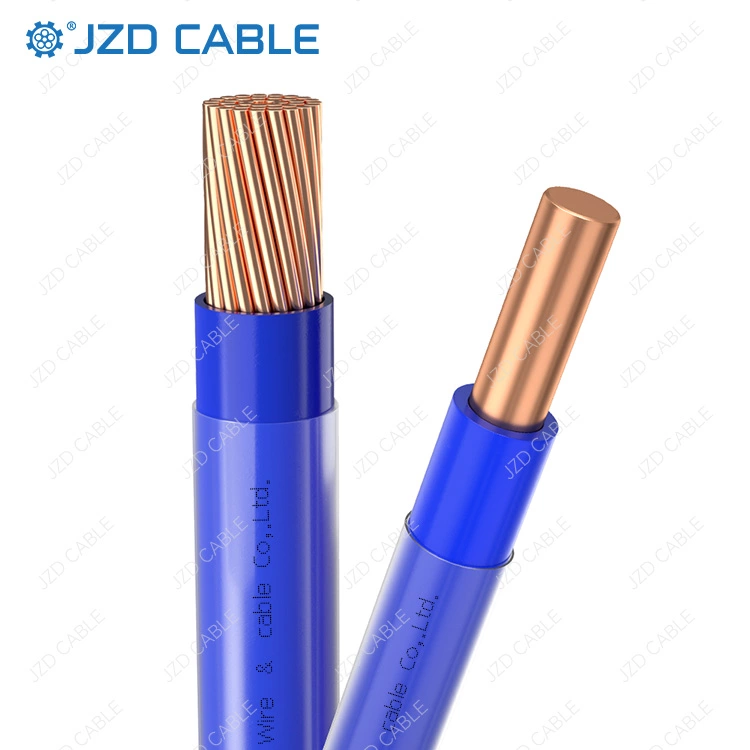
THHN/THWN-2 vs. XHHW-2: Insulation, Wet Locations, and Lifecycle Cost
In commercial and industrial power distribution, the choice between THHN/THWN-2 and XHHW-2 is often driven by price or habit. But the real differentiator is insulation material—thermoplastic PVC versus thermoset XLPE—and how it behaves over decades of operation in wet, hot, or chemically exposed environments. Both wires are rated 600V and 90°C, and both meet UL standards. The difference lies in
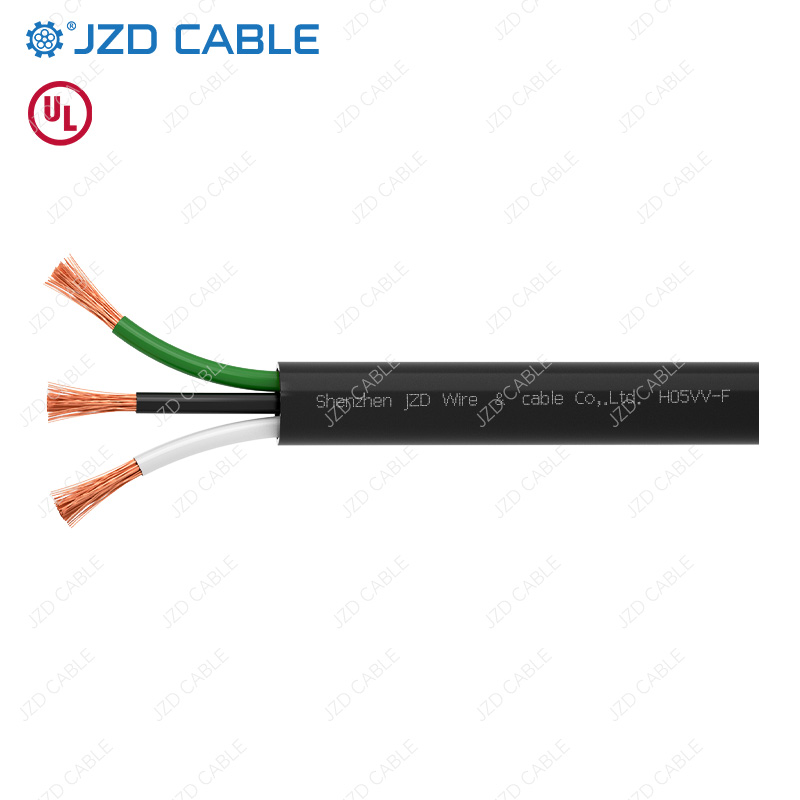
SJTW vs. SJT vs. STW: Jacket, Ampacity, and Application
On construction sites, outdoor equipment, and temporary power distribution, portable cables from the same batch can last years in one project but crack within months in another. The cause is usually not cable quality but whether the jacket material fits the application. SJTW, SJT, and STW are three UL 62 portable cable types. None is inherently superior; each suits different
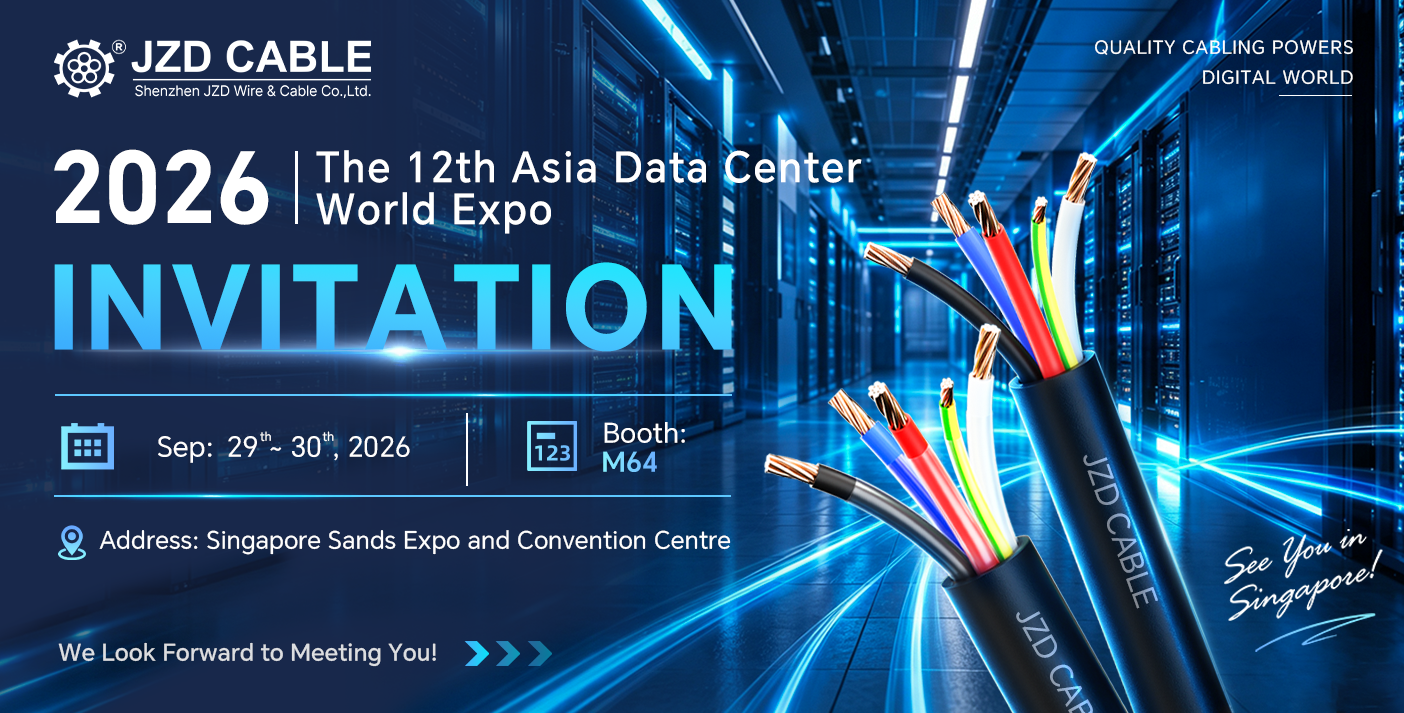
JZD CABLE to Exhibit at DCWA 2026 with Advanced Cabling Solutions
JZD CABLE (Shenzhen JZD Wire & Cable Co., Ltd.) has confirmed its participation in the 12th Data Centre World Asia (DCWA) 2026, to be held September 29–30 at the Sands Expo and Convention Centre, Singapore. The company will showcase its data center power distribution and high-speed network cabling solutions at Booth M64. Asia-Pacific Data Center Market Accelerates, DCWA Remains a