

Extreme weather events such as hurricanes, severe storms, and flooding can disrupt electrical infrastructure and cause extended power outages.
NOAA’s 2026 Atlantic Hurricane Season Outlook highlights continued hurricane risks, with forecasts of 8–14 named storms and 3–6 hurricanes during the season.
Backup power systems, including portable generators, diesel generators, battery storage, and solar solutions, help maintain power continuity during outages. However, reliable operation also depends on selecting cables designed for the required electrical load and installation environment.
Why Backup Power Systems Require Different Cable Solutions
Backup power systems may serve the same purpose — maintaining electricity during outages — but the cable requirements vary depending on the installation environment, electrical load, and operating conditions.
The main factors engineers and contractors consider include:
- Installation location
- Environmental exposure
- Operating temperature
- Mechanical stress
- Electrical load requirements
For example:
- Portable generators used for temporary storm power require flexible cables that can withstand movement, moisture, and outdoor exposure.
- Diesel generator systems supporting commercial and industrial facilities require durable cable connections for continuous operation and higher power loads.
- Home battery backup systems require cables designed for high-current DC transmission between batteries and inverters.
- Solar generator systems require cables that can withstand sunlight, weather exposure, and long-term outdoor installation.
Choosing cables according to the actual application environment helps improve backup power system reliability and service life.
Portable Generator Cable Solutions for Storm and Temporary Power
Portable generators are commonly deployed during storms, emergency situations, construction projects, and temporary power applications.
Unlike fixed electrical installations, portable generators are frequently
- Moved between locations
- Connected and disconnected
- Installed outdoors
- Exposed to changing weather conditions
These conditions require cables with strong flexibility and environmental durability.
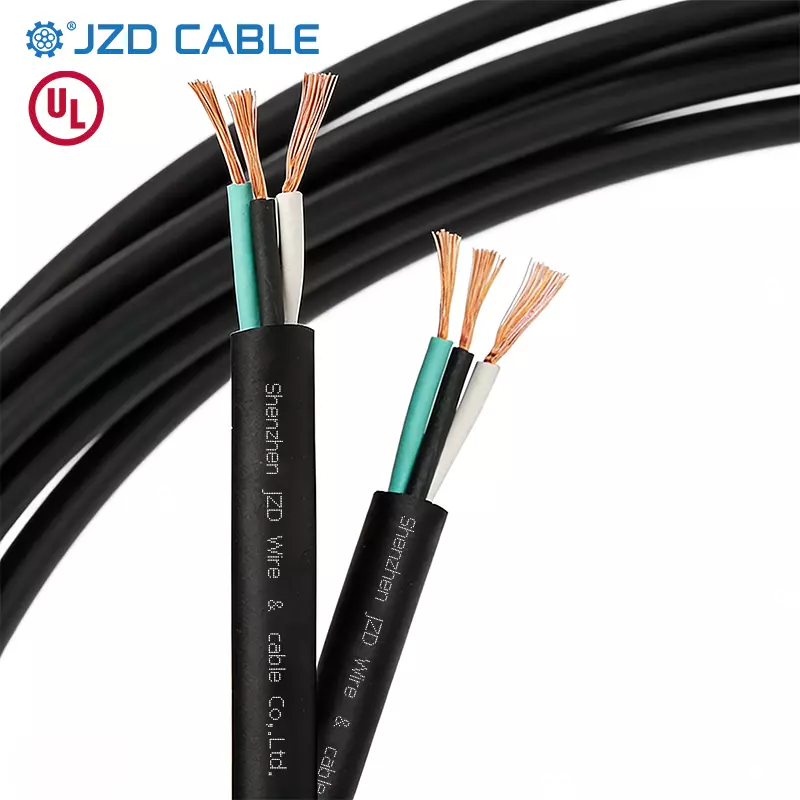
Flexible portable power cables such as SJOOW, SJT, and STW cables are commonly selected for these applications.
Their construction typically includes:
- Stranded copper conductors for flexibility and easier handling
- EPDM or PVC insulation for electrical protection
- Durable outer jackets for abrasion resistance
Depending on the cable design, materials such as EPDM insulation and CPE jackets help improve resistance against:
- Moisture exposure
- Oil contact
- Mechanical wear
- Temperature changes
These characteristics make flexible generator cables suitable for:
- Portable generator connections
- Emergency power distribution
- Outdoor equipment power supply
- Temporary construction power
Electrical contractors, rental power companies, and temporary power providers often select flexible cables to support fast deployment and reliable operation.
Diesel Generator Cable Solutions for Commercial Backup Power
Diesel generators are commonly used as emergency power sources for:
- Commercial buildings
- Industrial facilities
- Data centers
- Hospitals
- Critical infrastructure
During severe weather events or grid failures, these systems may operate for extended periods to maintain essential loads.
Therefore, generator cable connections must provide:
- Stable electrical performance
- Long-term insulation durability
- Mechanical protection
- Resistance to demanding environments
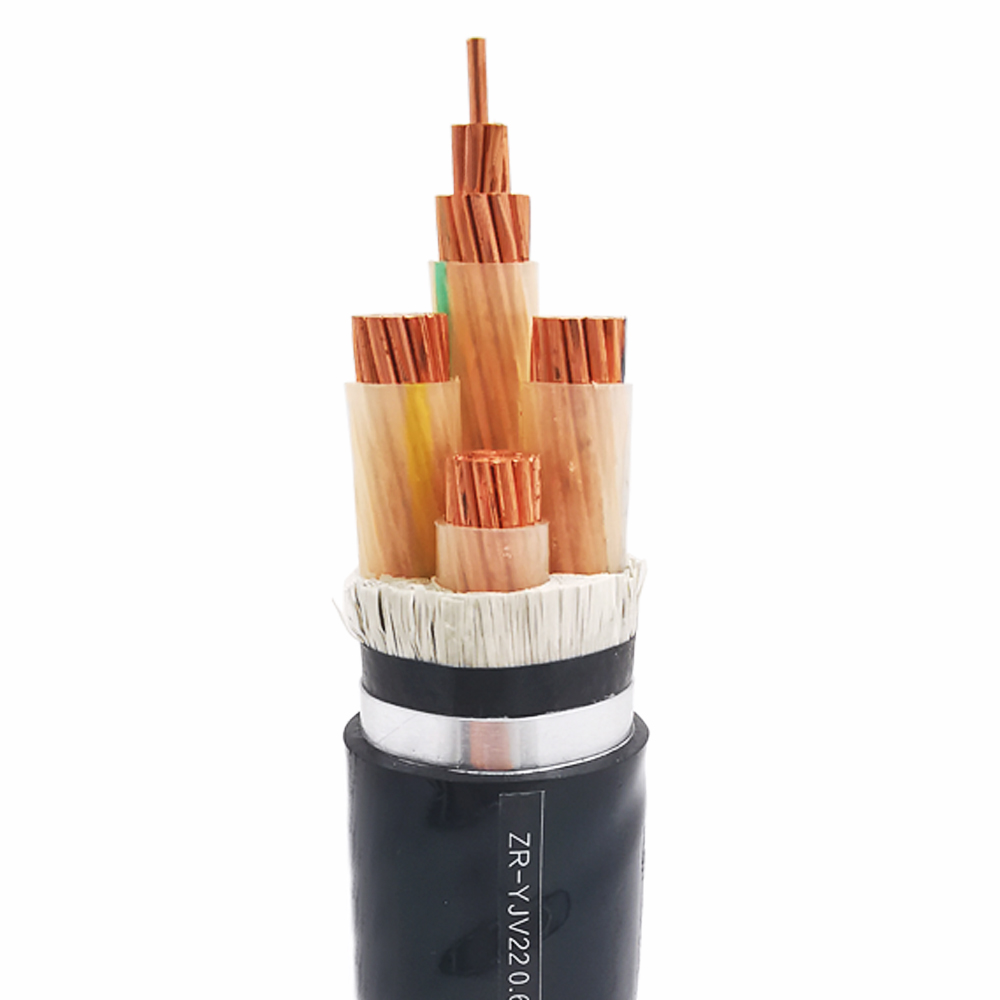
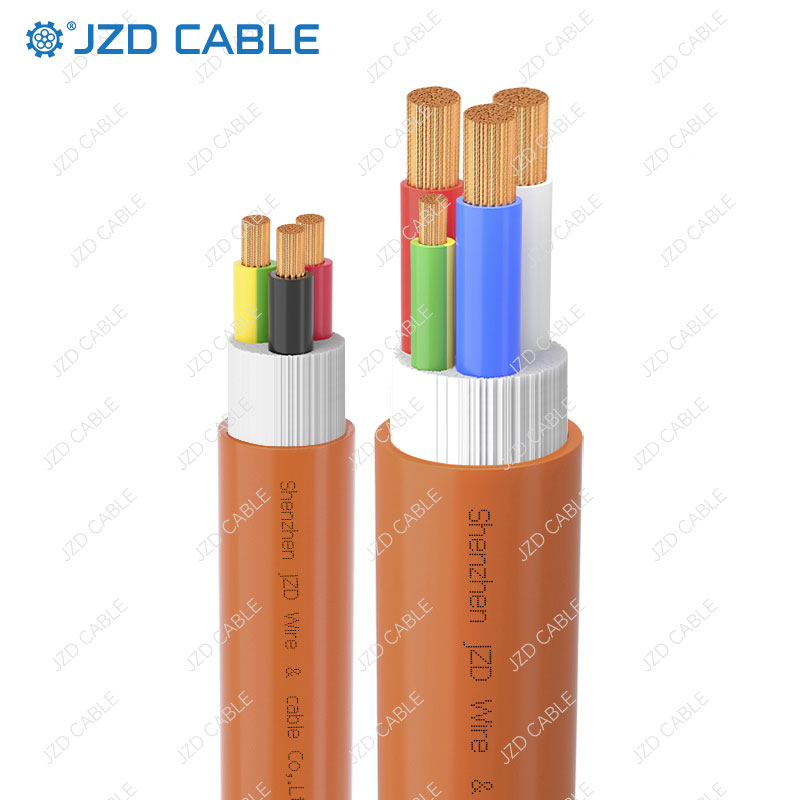
Heavy-duty power cables are commonly used for generator output connections.
Their construction advantages include:
- Durable insulation systems for continuous operation
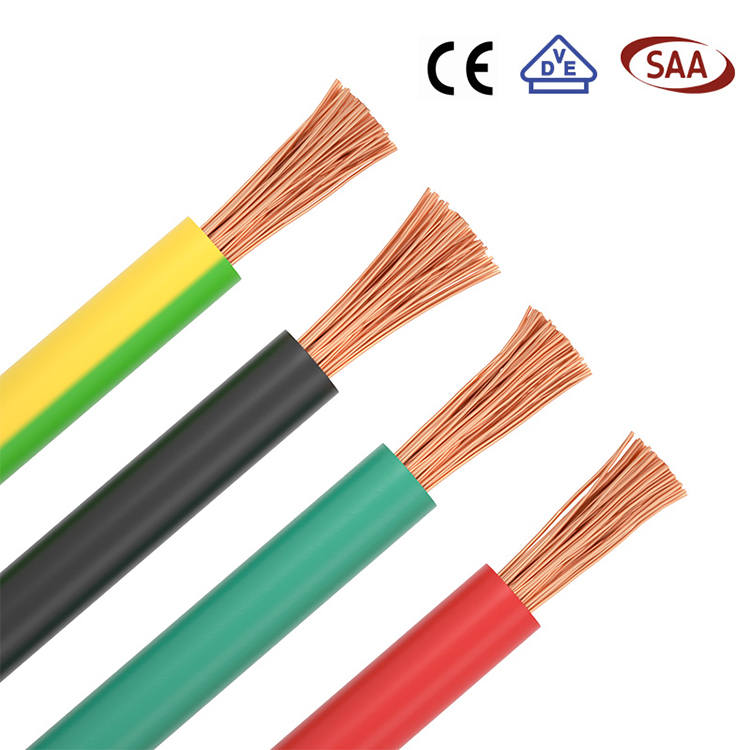
- Flexible conductors for equipment connections
- Abrasion-resistant jackets
- Reliable performance under high electrical loads
Materials such as EPDM and CPE jackets provide improved resistance against:
- Heat
- Moisture
- Mechanical stress
For critical power applications, selecting durable generator cables helps maintain reliable operation during extended outages.
Home Battery Backup Cable Solutions
Home battery backup systems provide an alternative power source during grid interruptions caused by storms, equipment failures, or infrastructure issues.
A typical system includes:
Battery Storage → Inverter → Electrical Panel → Essential Loads
In residential applications, battery backup systems are commonly used to support:
- Lighting
- Refrigerators
- Communication equipment
- Security systems
- Essential household devices
The connection between batteries and inverters requires cables designed for high-current DC applications.
Battery cables typically feature:
- Fine-stranded copper conductors for flexibility
- High current carrying capability
- Heat-resistant insulation materials
- Durability during repeated charging cycles
Common insulation materials include:
- PVC
- XLPE
- Silicone rubber
These materials help maintain electrical performance in environments where heat may accumulate around batteries and inverters.
For energy storage manufacturers and installers, selecting suitable battery cables improves system reliability and operational stability.
Solar Generator and Energy Storage Cable Solutions
Solar generator systems combine photovoltaic generation with battery storage to provide independent backup power.
A typical system includes:
Solar Panel → Charge Controller → Battery → Inverter → Electrical Loads
Because solar components are often installed outdoors, cable selection must consider long-term environmental exposure.
1. PV Cable for Solar Connections
PV cables are designed for outdoor photovoltaic applications and typically include:
- XLPE insulation
- UV-resistant jacket materials
- Moisture-resistant construction
- Weather-resistant performance
These characteristics help cables maintain performance under:
- Direct sunlight
- Rain exposure
- Temperature fluctuations
- Long-term outdoor installation
2. Battery Cable for Energy Storage Connections
Battery cables connect storage batteries with inverters and require:
- High current capability
- Flexible installation
- Heat resistance
- Reliable electrical connections
Combining PV cables and battery cables provides a complete cable solution for solar generators and energy storage backup systems.
High-Temperature Wire for Backup Equipment Internal Wiring
Beyond external power connections, backup power equipment also requires reliable internal wiring solutions.
Components such as:
- Generator control systems
- Inverters
- Battery management systems
- Electrical assemblies
may generate heat during operation.
For these applications, 110°C wire is designed to provide improved temperature resistance.
Key characteristics include:
- High-temperature insulation performance
- Stable electrical protection near heat sources
- Flexible construction for equipment assembly
- Long service life in compact electrical systems
Typical applications include:
- Generator control wiring
- Inverter internal connections
- Battery backup equipment
- Electrical control assemblies
Temperature-resistant wire helps equipment manufacturers improve reliability in demanding internal environments.
NM-B (Romex Wire) for Indoor Backup Circuits
Backup power systems may also connect to existing residential electrical circuits.
NM-B cable (commonly known as Romex wire) is commonly used for indoor branch circuit wiring.
Typical applications include:
- Backup power outlets
- Indoor lighting circuits
- Residential electrical panels
However, NM-B cable is designed for fixed indoor installations and should not replace:
- Outdoor generator cables
- High-current battery cables
- Flexible portable power cables
Selecting the correct cable type based on installation location is essential for electrical safety.
How to Choose the Right Backup Power Cable?
The correct cable depends on the power system, installation environment, and operating requirements.
| Backup Power Application | Installation Environment | Cable Solution | Key Requirements |
| Portable Generator | Outdoor temporary power | SJOOW / SJT / STW Cable | Flexibility, moisture resistance, abrasion resistance |
| Diesel Generator | Commercial and industrial facilities | Heavy-duty Generator Cable | Continuous operation, mechanical durability |
| Home Battery Backup | Indoor energy storage systems | Battery Cable | High current capacity, heat resistance |
| Solar Generator System | Outdoor renewable energy systems | PV Cable + Battery Cable | UV resistance, weather protection |
| Equipment Internal Wiring | Generator and power equipment assemblies | 110°C Wire | High temperature resistance, insulation stability |
| Indoor Backup Circuits | Residential electrical systems | NM-B (Romex Wire) | Fixed indoor wiring performance |
Cable Standards and Certifications for Backup Power Applications
For contractors, OEM manufacturers, distributors, and system integrators, cable certification is an important factor when selecting backup power solutions.
Common standards include:
| Cable Type | Standard | Purpose |
| Portable Power Cable | UL 62 | Flexible cords and portable power equipment |
| Building Wire | UL 44 / UL 83 | Fixed electrical wiring applications |
| PV Cable | UL 4703 | Solar photovoltaic systems |
| NM-B Cable | UL 719 | Residential branch circuit wiring |
Certified cable products help ensure:
- Electrical safety
- Temperature performance
- Insulation reliability
- Application compliance
For large-scale backup power projects, selecting cables manufactured according to recognized standards helps simplify engineering approval and system integration.
Related reading: Round NM-B vs Flat NM-B: Which Non-Metallic-Sheathed Cable Belongs in Your Walls?
Conclusion
Reliable backup power depends not only on generators, batteries, or solar systems, but also on the cables connecting each component.
Portable generators require flexible and durable cables, diesel generators require reliable power connections, battery backup systems require high-current cables, solar generators require weather-resistant PV cables, and equipment assemblies require temperature-resistant internal wiring.
Contact JZD today to find the right cable solutions for generator systems, energy storage, and backup power applications.