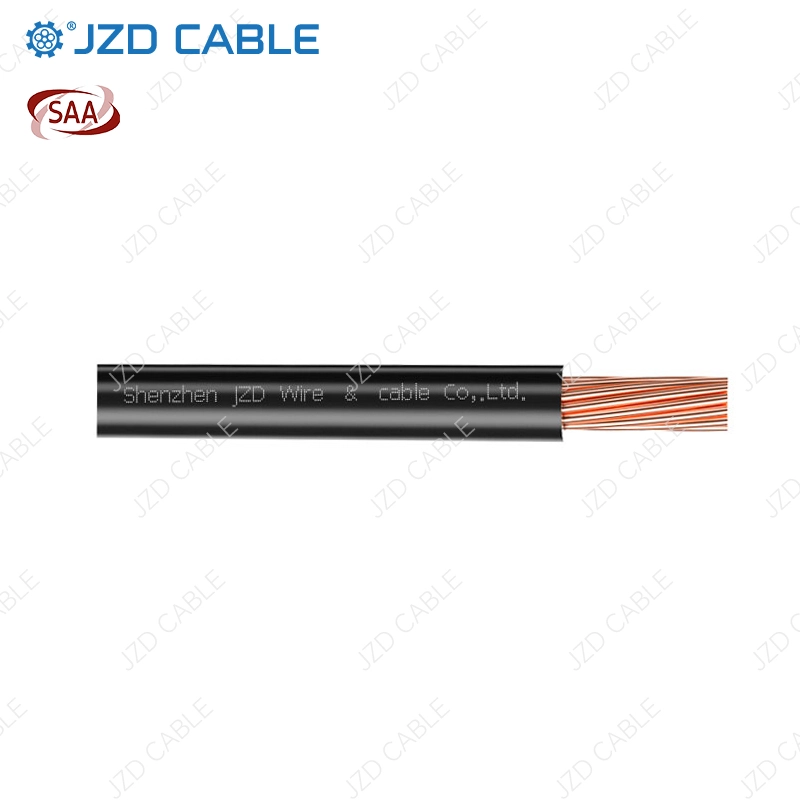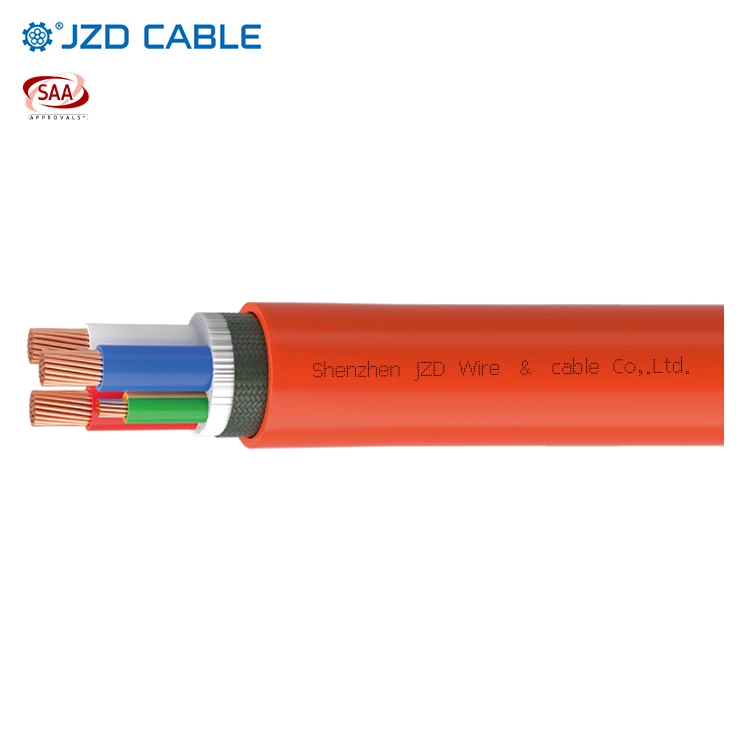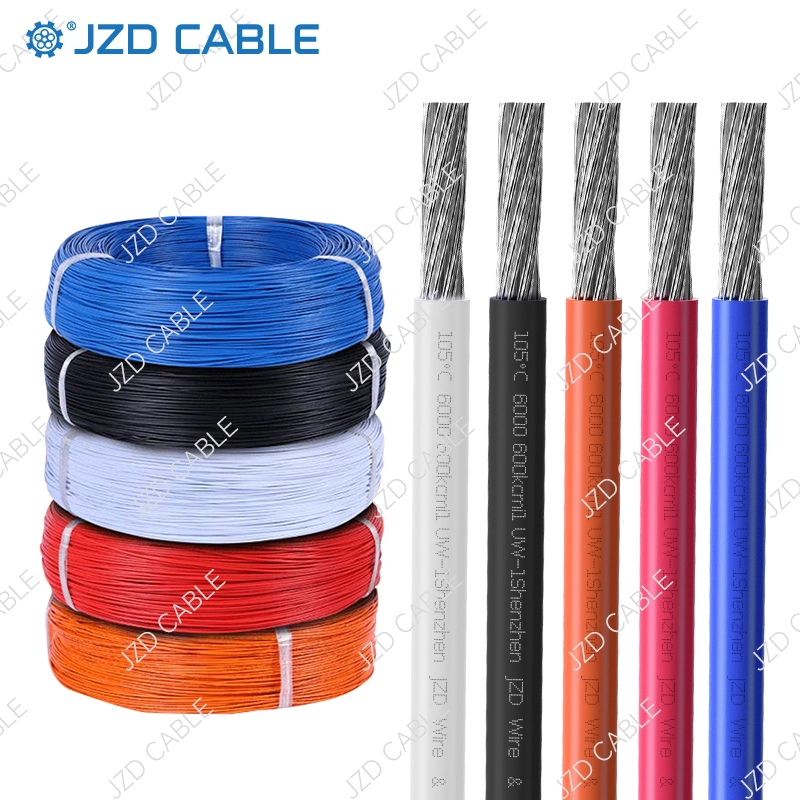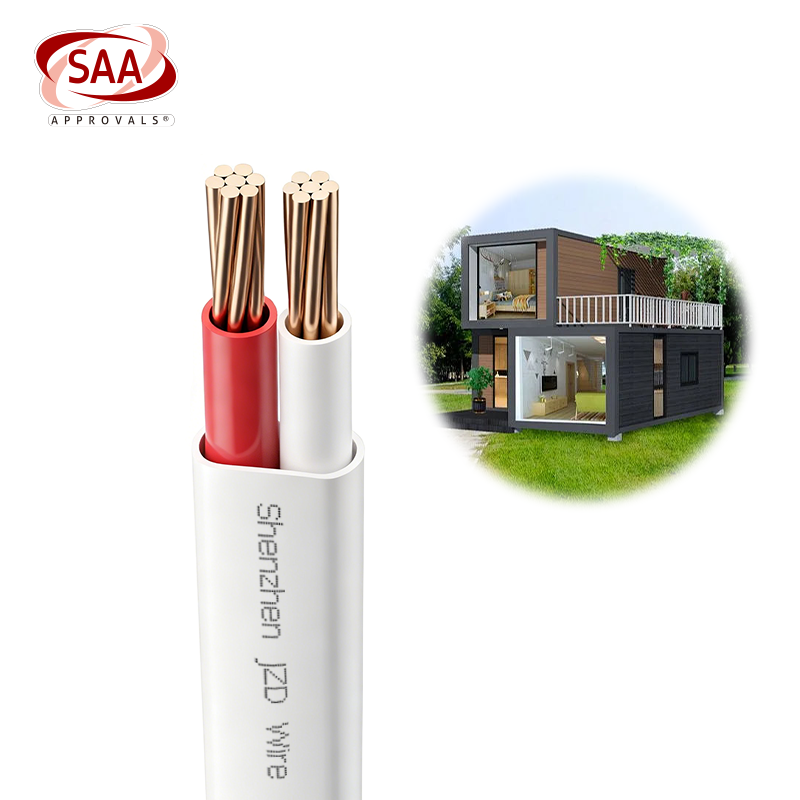


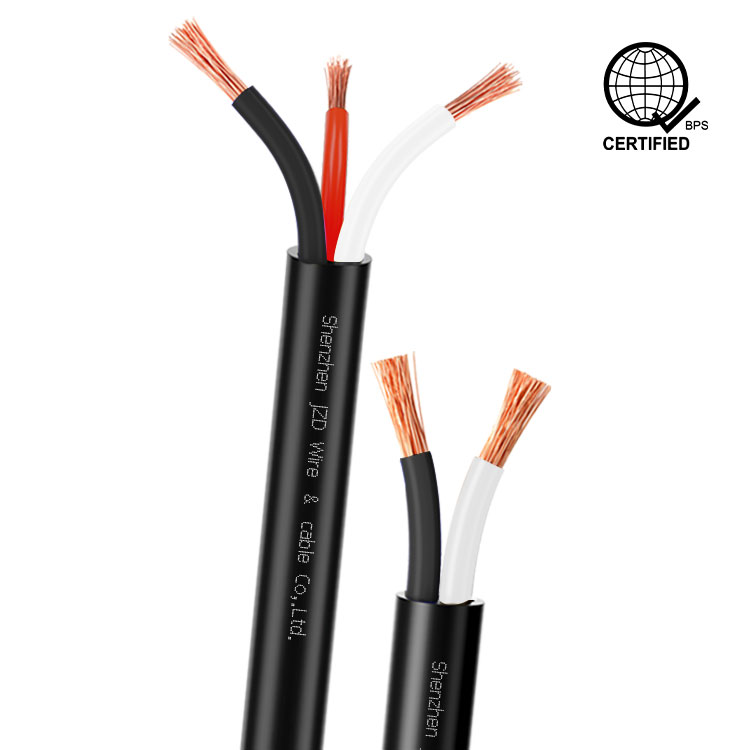
PNS 163 certification is mandatory for Royal Cord in the Philippines, but it only sets minimum requirements. Conductor stranding, ampacity derating, and jacket performance determine actual service life. This article covers the selection factors that matter.
PNS 163 Is a Threshold, Not a Guarantee
1. What PNS 163 Covers
Royal Cord must be PNS 163 certified in the Philippines. Inspection checks the certificate of conformity and the jacket marking. Without certification, the cable cannot be installed.
The standard requires annealed bare copper per ASTM B-3, lead-free flame-retardant PVC, rated 75°C, 600V. But it only sets minimum requirements. Two certified 3.5 mm² Royal Cords can still use different stranding—one with 65 strands of 0.26 mm copper, another with fewer, thicker strands. The latter costs less but breaks more easily after repeated bending.
2. What Inspection Checks
Inspection verifies the certificate, test report, and jacket marking. The marking includes size, temperature rating, voltage rating, and certification number. If either is missing, the cable may be rejected.
The first step in Philippine projects is confirming certification documents, not comparing prices. Once cleared, the first factor determining service life is conductor construction.
Conductor Construction Determines Fatigue Life
1. Fine Stranding vs. Coarse Stranding
THHN uses solid or coarsely stranded conductors for fixed installation. Royal Cord uses finely stranded conductors for repeated bending. IEC 60228 classifies these as Class 5 or Class 6. For 3.5 mm², a typical Class 5 construction is 65/0.26.
Surface strain during bending is proportional to strand diameter. If strand diameter doubles from 0.26 mm to 0.5 mm, surface strain nearly doubles, and fatigue cracks initiate much faster.
2. Why THHN Cannot Replace Royal Cord
When a strand breaks, resistance rises, heat concentrates, and insulation breakdown or fire can occur. THHN’s rigid conductor will fatigue and break within months under repeated bending.
This is a design difference, not a jacket thickness issue.
Ampacity Drops in High-Temperature Environments
1. How Ambient Temperature Affects Ampacity
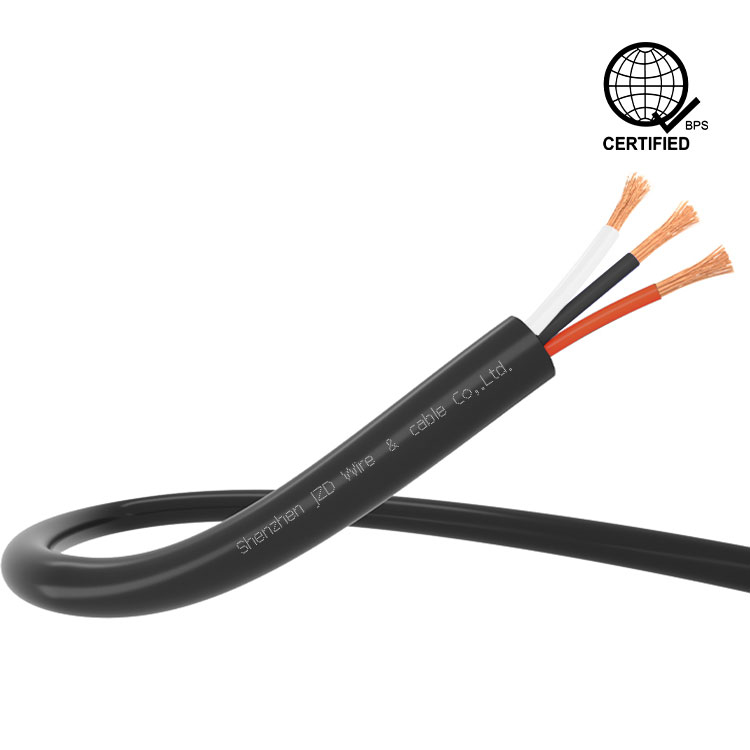
PNS 163’s 75°C rating is based on standard test conditions. In Philippine workshops, ambient temperatures can exceed 40°C. For 3.5 mm², allowable ampacity drops from about 20A at 30°C to roughly 17.6 A at 40°C.
If the cable is in conduit or bundled, ampacity drops further. Basing selection on 30°C nominal values may push operating temperature beyond the insulation limit, accelerating PVC aging and jacket cracking.
2. How to Determine If Size Is Sufficient
A 1.5 HP air conditioner draws 6–7 A. At 40°C, 2.5 mm² may be marginal. Moving up to 3.5 mm² cuts resistance and heat generation by about 30%.
If the cable feels warm in operation, move up one size.
Jacket Performance Under Oil and UV Exposure
1. PVC’s Oil Resistance Limits
PVC oil resistance depends on formulation. Long-term contact with mineral oil causes plasticizer migration—flexibility is lost, the jacket shrinks, hardens, and cracks.
In workshops, garages, and maintenance areas, confirm the jacket’s oil resistance rating.
2. Outdoor UV Exposure
For outdoor exposure, black PVC resists UV better than light-colored jackets because carbon black absorbs UV. Light-colored jackets may chalk and form microcracks.
In the hot, humid Philippine environment, these aging effects are amplified.
Lifecycle Cost: The Hidden Price of Cheap Cable
The initial price difference between Royal Cord cables may be small, but lifecycle cost differs significantly. A properly selected cable can last two to three years; a poorly selected one may need replacement in three months.
Replacement involves cable cost, labor, downtime, and inspection risk. On a job site, downtime losses from cable failure often exceed the cable price many times over. Getting selection right and reducing replacement frequency controls total cost better than pushing unit price down.
PNS 163 Selection Priorities
PNS 163 certification is only the threshold—it confirms inspection compliance, not long-term reliability. The cable’s real service life depends on how well these selection factors match the application:
- Conductor construction: Fine Class 5/6 stranding is essential for repeated bending. Coarse or rigid THHN-style conductors may fatigue and break much sooner.
- Ampacity under real conditions: The 75°C rating assumes standard test conditions. Above 30°C ambient, or in conduit or bundled installation, derate accordingly. If the cable runs warm, move up one size.
- Jacket performance: Oil contact can cause plasticizer migration, hardening, and cracking. Outdoor UV exposure favors black or UV-resistant PVC.
- Lifecycle cost: A lower unit price is meaningless if the cable fails in months. Replacement, labor, downtime, and inspection risk often cost far more than the cable itself.
In summary, certification gets the cable approved. Conductor, size, and jacket determine how long it lasts. Match these to the actual application, and cable life takes care of itself.
For PNS 163 certified Royal Cord specifications or certification documents, please contact us.