


In Australian and New Zealand electrical projects, AS/NZS 3808 is often mistaken for a cable product standard. In fact, it specifies requirements for the insulation and sheathing materials of cables, not the construction or performance of the cable as a whole. Confusing the two can lead to the wrong verification focus during selection—treating a material standard as a product standard—and problems only surface at inspection.
AS/NZS 3808 is titled “Insulating and sheathing materials for electric cables.” It governs the materials themselves: what compounds they consist of, what tests they must undergo, and what criteria they must meet. It does not cover conductor construction, cable core count, shielding methods, ampacity, or voltage drop.
What AS/NZS 3808 Covers
AS/NZS 3808 covers a range of insulation and sheathing material types, including elastomers, PVC, reduced fire hazard materials, and polyolefins. It specifies compound requirements and test methods for these materials before they are formed into cable. Tests include tensile strength and elongation before and after aging, heat deformation, oil resistance, and ozone resistance.
These tests and criteria become mandatory only when referenced by another standard. AS/NZS 3808 itself does not specify cable construction, dimensions, or overall performance, nor does it cover tests that can only be performed on finished cable, such as partial discharge, impulse voltage, shrinkage, and adhesion tests.
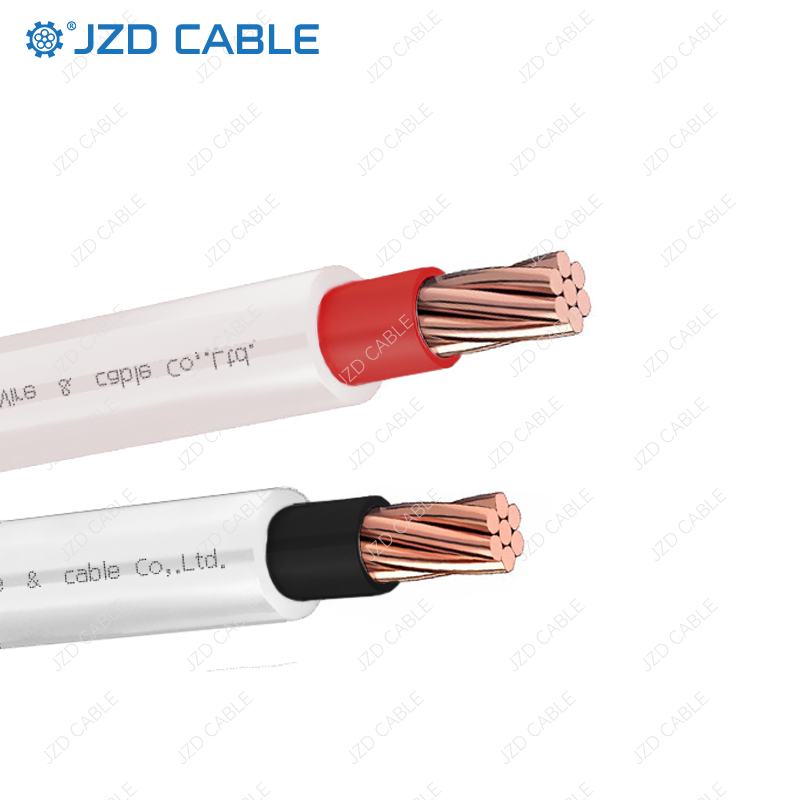
For TPS cable, insulation is typically V-90 PVC and sheathing is 3V-90 PVC. These materials must comply with the corresponding material specifications in AS/NZS 3808. Material suppliers must provide compounds according to the specified material types and issue test reports confirming performance. But compliant material does not mean a compliant cable.
Where AS/NZS 3808 Sits in the Standard System
AS/NZS 3808 is not a standalone standard. It sits in a “referenced” position within the Australian/New Zealand cable standard system. Both AS/NZS 5000.1 and AS/NZS 5000.2 reference AS/NZS 3808:2025 in their normative references as the compliance basis for insulation and sheathing materials.
This means AS/NZS 3808 is a component of AS/NZS 5000. 2. AS/NZS 5000.2 includes AS/NZS 3808, but AS/NZS 3808 itself is not a cable standard. The former specifies how the cable as a whole is made, what materials are used, and what tests it must pass; the latter specifies how the material itself is tested and what the pass criteria are.
AS/NZS 5000.2 Is the Cable Standard
AS/NZS 5000.2:2025 specifies requirements for the cable as a whole. It applies to polymeric insulated cables rated up to and including 450/750 V AC, with conductor sizes up to 16 mm², covering single-core to 4-core plus earth multicore cables for fixed power and lighting circuits.
The standard covers conductors, insulation, sheathing, dimensions, electrical performance, mechanical performance, and flame retardancy. For materials, AS/NZS 5000.2 does not specify formulations itself; it references AS/NZS 3808. When a cable manufacturer demonstrates compliance with AS/NZS 5000.2, it must also demonstrate that its insulation and sheathing materials comply with AS/NZS 3808.
Three levels of compliance are required: conductors to AS/NZS 1125, insulation and sheathing materials to AS/NZS 3808, and the cable as a whole to AS/NZS 5000. 2. Missing any one level means the compliance claim is incomplete.
Once material and product standards are clear, selection also requires reference to ampacity calculation standards. AS/NZS 3008.1.1:2025 provides ampacity, voltage drop, and short-circuit temperature rise data. Selection should be based on the 2025 edition.
Typical Specifications for 4-Core TPS Cable
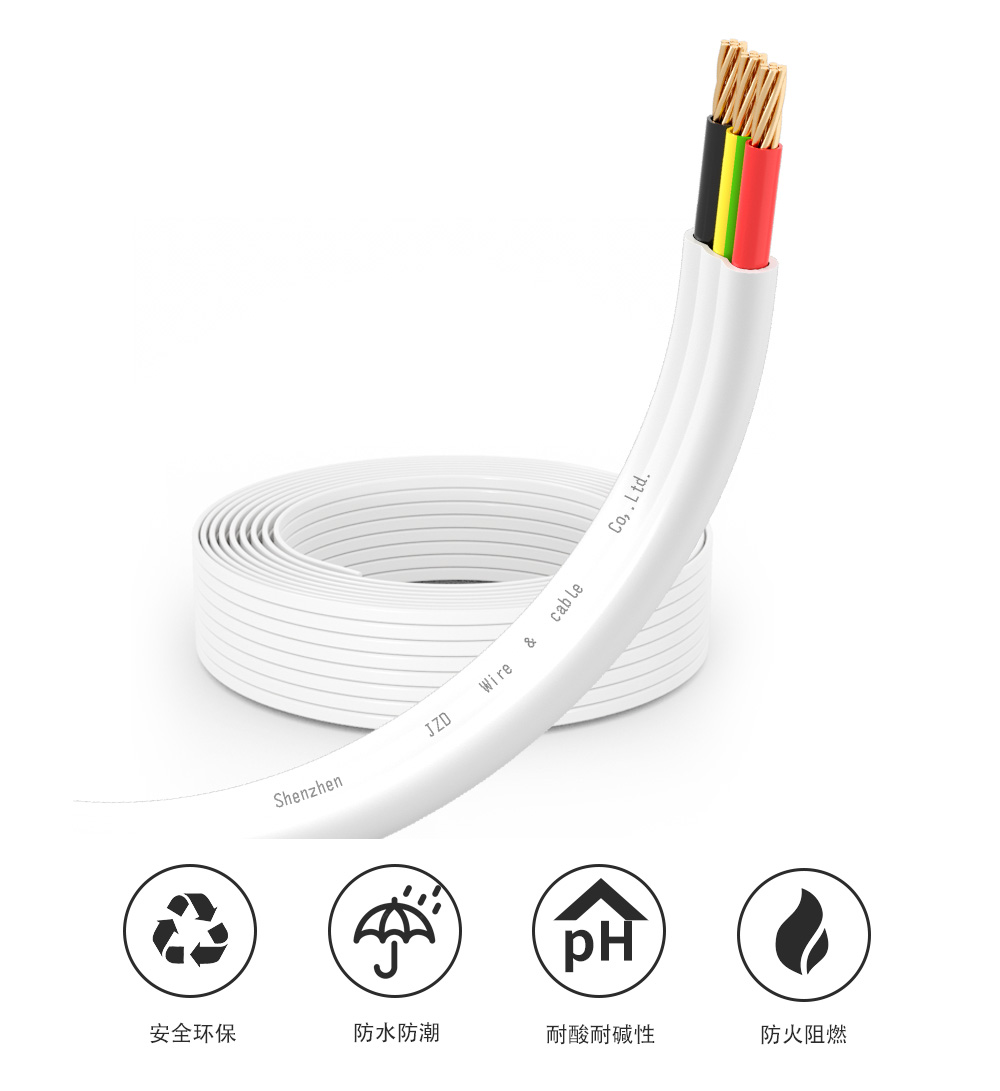
In practice, 4-core TPS cable is a common configuration. It typically contains four conductors plus earth, suitable for three-phase distribution, multi-circuit control, or applications requiring a separate neutral. Common applications include solar PV connections, HVAC equipment power, lighting circuits and distribution sub-mains, and industrial control panel wiring.
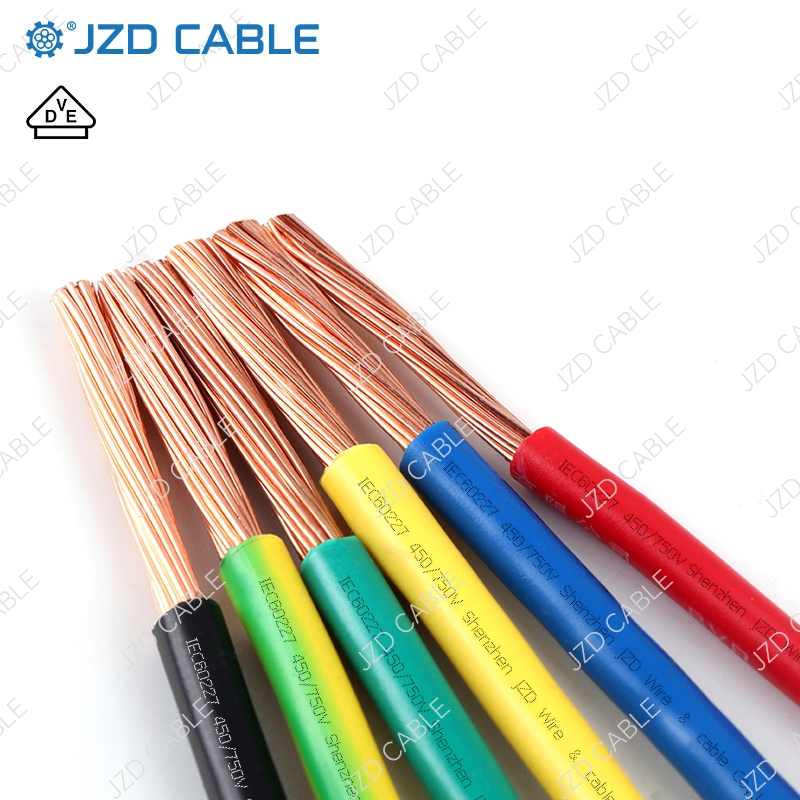
Typical specifications include rated voltage 450/750 V, V-90 PVC insulation, 3 V-90 PVC sheathing, annealed copper conductors, temperature range -40°C to +90°C, UV resistance, and flame retardancy. Conductor sizes cover the applicable range of AS/NZS 5000. 2.
These performance characteristics depend on insulation and sheathing materials complying with AS/NZS 3808. Without compliant materials, the cable’s overall performance cannot be achieved.
Procurement Verification: Don’t Rely on the SAA Mark Alone
SAA certification is a market access mark, but the technical basis for compliance is AS/NZS 5000. 2. Verification should focus on AS/NZS 3808 material compliance:
- Confirm that insulation and sheathing compound types match the corresponding specifications in AS/NZS 3808
- Require material test reports verifying tensile strength, elongation, heat deformation, oil resistance, and ozone resistance
- Confirm the cable as a whole complies with AS/NZS 5000.2
- Confirm conductors comply with AS/NZS 1125
- Confirm voltage rating, temperature rating, and flame retardancy match project requirements
- Confirm batch consistency in material thickness, conductor stranding, and marking
Confirming only the SAA mark without verifying specific standard compliance can lead to problems at inspection. The SAA certificate lists applicable standard numbers, but the certificate itself does not replace item-by-item verification of material compliance.
FAQ
1. Can AS/NZS 3808 be used as a cable standard?
No. It is a material standard and only applies when referenced by a cable standard such as AS/NZS 5000. 2. It does not cover cable construction, dimensions, or overall performance.
2. Does AS/NZS 5000.2 include AS/NZS 3808?
Yes. AS/NZS 5000.2 references AS/NZS 3808 in its normative references as the compliance basis for insulation and sheathing materials.
3. Do TPS cable insulation and sheathing need to comply with AS/NZS 3808?
Yes. V-90 PVC insulation and 3V-90 PVC sheathing must comply with the corresponding material requirements in AS/NZS 3808.
4. How does AS/NZS 3008.1.1:2025 affect TPS selection?
Ampacity tables and correction factors have been updated. TPS cable ampacity should be based on the 2025 edition.
For TPS cable specifications or certification documents complying with AS/NZS 5000.2 and AS/NZS 3808, please contact us.