

Industry

XHH vs XHHW vs XHHW-2

XHH vs XHHW vs XHHW-2: UL44 Wire Differences Explained

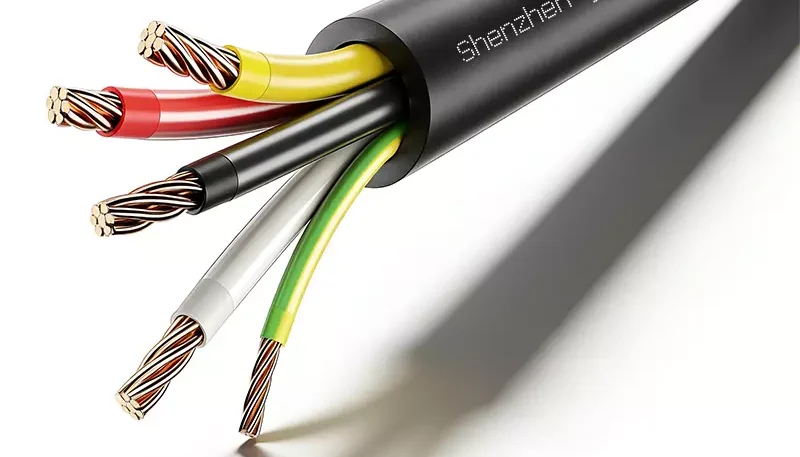
If you’re specifying building wire under UL 44​ and NEC Table 310.15, you’ve likely encountered the XHH family: XHH, XHHW, and XHHW-2. They look similar on a quote — all use XLPE (cross-linked polyethylene)​ insulation, no PVC jacket, 600V (with 1 kV common for photovoltaic feeders) — but the three-letter suffixes decide whether your run […]
Read More +
RHH RHW RHW-2

RHH vs RHW vs RHW-2: Complete Guide to UL44 Building Wire

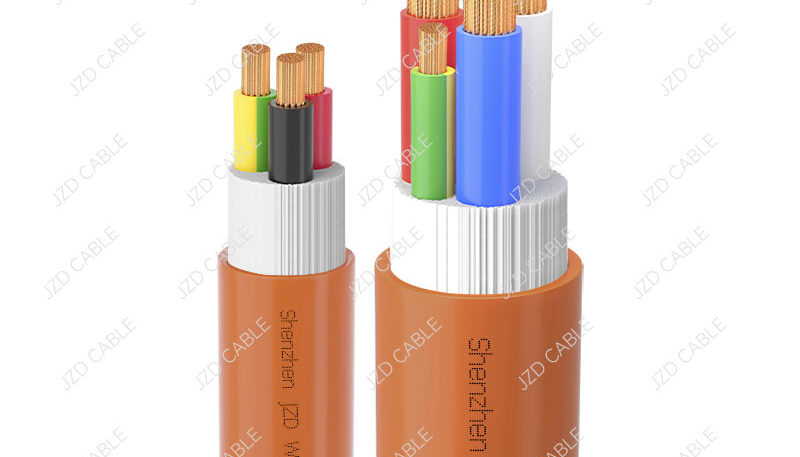
When specifying building wire for North American commercial or industrial projects, three common UL44 types often cause confusion: RHH, RHW, and RHW-2. They share the same basic construction — stranded copper or aluminum conductor with EPR (ethylene propylene rubber) or XLPE (cross-linked polyethylene) insulation, no PVC jacket, rated 600V (also available 1000V/2000V) — but differ […]
Read More +
THHN/T90 Cable

T90 vs R90 CSA Building Wire: A Comprehensive Technical Comparison

When selecting building wire for Canadian electrical installations, understanding the distinction between T90​ and R90​ is essential. Both are rated 90°C and comply with Canadian Standards Association (CSA) requirements, yet they serve fundamentally different applications due to their insulation materials and structural design. This article provides a detailed side-by-side comparison of T90 and R90, covering […]
Read More +
Aluminum THHN

Copper THHN vs. Aluminum THHN: Which One Should You Choose?

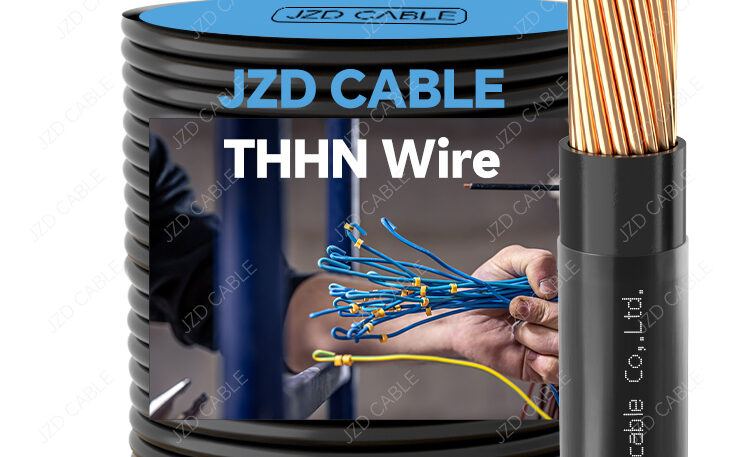
When planning an electrical installation, one of the most critical decisions you will make is selecting the right conductor material for your THHN wire. While both copper and aluminum AA8000 series THHN wires share the same robust outer construction—PVC insulation with a nylon jacket, rated for 600V and 90°C in dry locations—their internal differences are […]
Read More +
Aluminum Alloy Cable

Aluminum Alloy vs Tinned Copper Clad Aluminum Photovoltaic Cables: Which One Is Right for Your Solar Project?

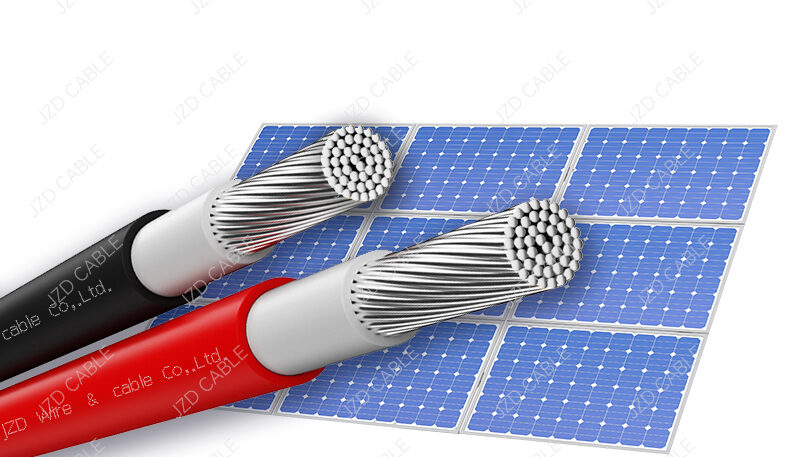
Choosing the right photovoltaic (PV) cable is critical for the long-term safety, efficiency, and reliability of any solar installation. Two popular alternatives to pure copper cables are aluminum alloy (PV-AL)​ and tinned copper clad aluminum (TCCA)​ cables. While both offer cost savings over solid copper, they differ significantly in material composition, electrical performance, corrosion resistance, […]
Read More +
Aluminium Aerial Bundled Cable

Aluminium vs Copper Aerial Bundled Cable (ABC): Which One Should You Choose?

When planning an overhead power distribution network under AS/NZS 3560.1, one of the first decisions you face is conductor material: aluminium or copper? While both materials are recognised by the standard, the reality is that aluminium is the absolute mainstream​ for low‑voltage Aerial Bundled Cables (ABC) in Australia. Copper is reserved for niche, high‑reliability scenarios. […]
Read More +
2 Core vs 3 Core Australian Standard ABC Cable

2 Core vs 3 Core Australian Standard ABC Cable: Key Differences, Safety & Applications

When designing overhead power distribution for residential, commercial, or industrial projects in Australia, choosing the right Aerial Bundled Cable (ABC) is critical. The most common question we encounter at JZD Cable is: What’s the difference between a 2‑core and a 3‑core ABC cable under AS/NZS 3560.1? Although both are rated for 0.6/1 kV low voltage […]
Read More +
MC4 Connector

Solar PV Extension Cables: The Complete Guide to Pre-Assembled DC Cable Assemblies with MC4 Connectors

When installing a photovoltaic system, reliable DC connections between solar panels, inverters, and junction boxes are critical. That’s where solar PV extension cables​ — also known as PV harnesses or DC extension leads — come into play. These pre-assembled cable assemblies come with MC4 (or other) connectors attached at one or both ends, providing a […]
Read More +
MC4 Connector

MC4 Connector: The Global Standard for Solar PV Systems – Structure, Specs & Applications

When it comes to connecting solar panels and building a reliable photovoltaic (PV) system, one component stands out as the global benchmark: the MC4 connector. Whether you are a solar installer, engineer, or DIY enthusiast, understanding the MC4 connector is essential for ensuring safety, efficiency, and long-term performance. In this article, we’ll break down everything […]
Read More +
Cart
  • Your cart is empty Browse Shop
    Select the fields to be shown. Others will be hidden. Drag and drop to rearrange the order.
    • Image
    • SKU
    • Rating
    • Price
    • Stock
    • Availability
    • Add to cart
    • Description
    • Content
    • Weight
    • Dimensions
    • Additional information
    Click outside to hide the comparison bar
    Compare