

NM and NM-B cable look similar. Both are non-metallic sheathed cables used for dry indoor wiring. Many project teams treat them as interchangeable—until inspection reveals a problem. The difference is conductor insulation temperature: Type NM is rated 60°C, while Type NM-B is rated 90°C. This difference affects not only code compliance but also long-term reliability in insulated wall cavities.
This article explains the difference between NM and NM-B from several angles: insulation thermal performance, ampacity rules, derating calculations, building type restrictions, and UL verification.
Structural Differences Between NM and NM-B
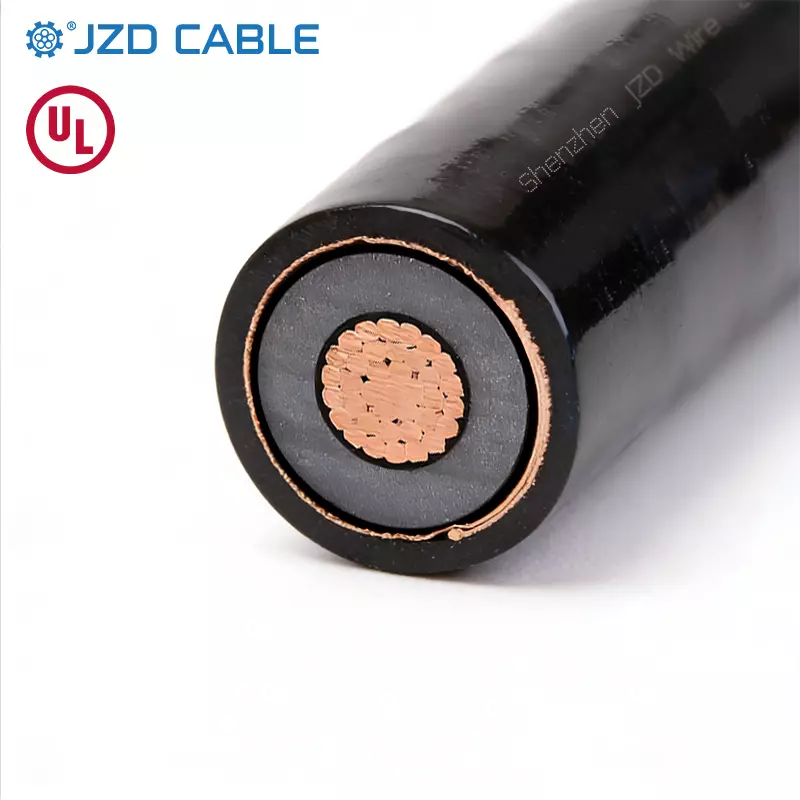
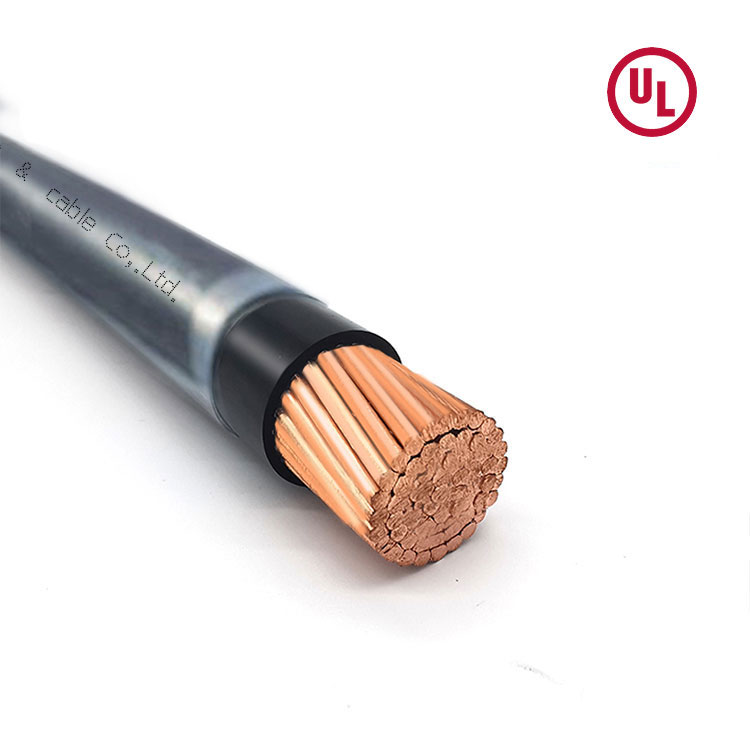
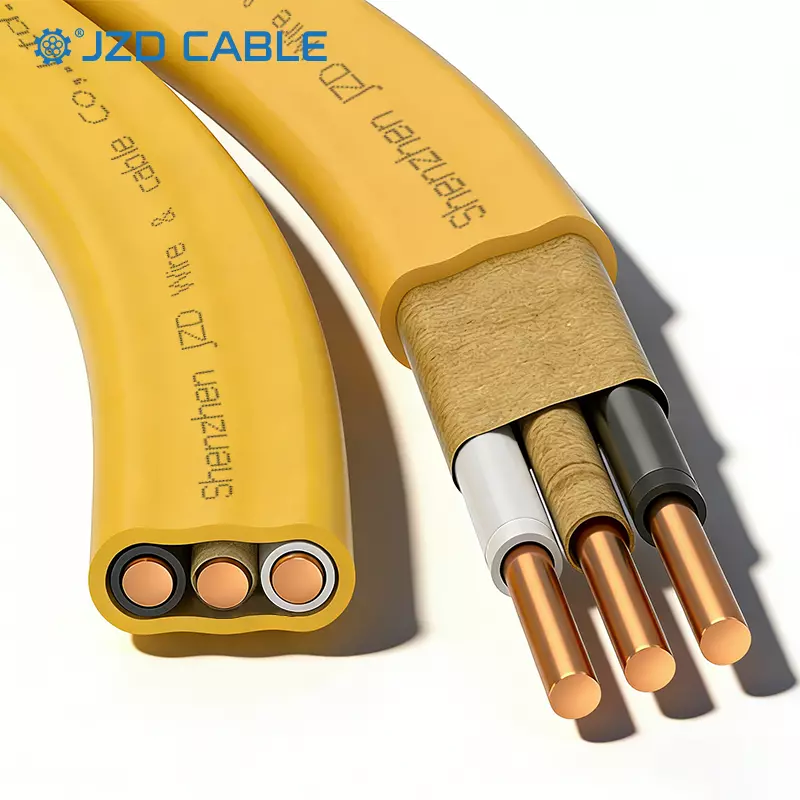
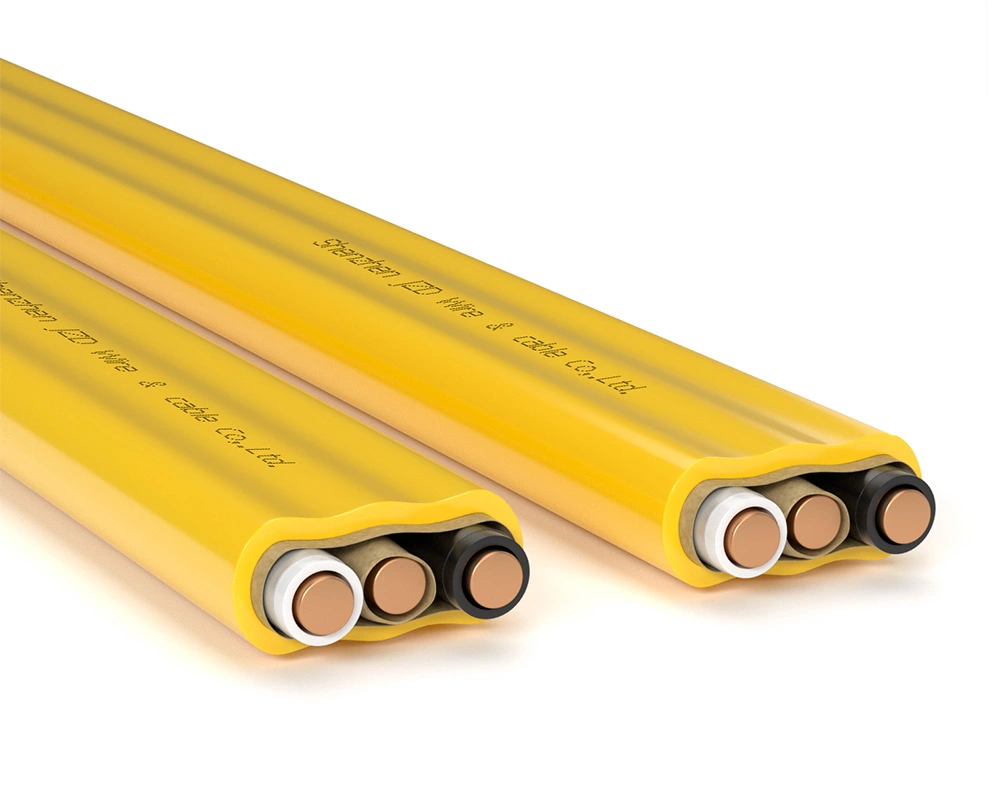
NM and NM-B are both non-metallic sheathed cables. They contain two or more insulated copper conductors plus a bare equipment grounding conductor, all enclosed in a flame-retardant PVC jacket. Conductors are annealed copper; 14 AWG through 10 AWG are solid, and 8 AWG and larger are stranded.
Both are intended for dry indoor locations: wall cavities, ceilings, and floors. Neither is permitted in wet or damp locations, outdoors, underground in conduit, or direct burial.
The difference is in the conductor insulation. Type NM cable has conductor insulation rated 60°C. Type NM-B is rated 90°C. The internal conductors of NM-B are typically equivalent to THHN/THWN, with a nylon jacket over insulation. The nylon jacket provides not only mechanical protection but also a low-friction surface for pulling and enhanced chemical resistance.
Why 90°C Insulation Cannot Be Used at 90°C Ampacity
NM-B has conductor insulation rated 90°C, but its allowable ampacity must be based on the 60°C column of NEC Table 310.16. This is the most commonly misunderstood aspect of NM-B selection.
The reason is termination temperature. Standard circuit breakers and receptacles have terminations rated 60°C or 75°C. NEC 110.14(C) states that conductor ampacity cannot exceed the value corresponding to the termination temperature rating. Even if the conductor insulation can withstand 90°C, the actual ampacity is limited by the lowest-rated component in the circuit.
NEC 334.80 further states that the allowable ampacity of NM cable cannot exceed the value for 60°C-rated conductors. The 90°C rating may be used only for derating calculations, and the final derated ampacity cannot exceed the 60°C column value.
Common sizes, 60°C ampacity, and maximum breaker ratings are shown below:
| Conductor Size | 90°C Column Ampacity | 60°C Column Ampacity | Maximum Breaker |
| 14 AWG | 25A | 15A | 15A |
| 12 AWG | 30A | 20A | 20A |
| 10 AWG | 40A | 30A | 30A |
| 8 AWG | 55A | 40A | 40A |
| 6 AWG | 75A | 55A | 60A |
If 14 AWG NM-B is connected to a 20A breaker, it violates NEC 334.80 even though the conductor insulation is rated 90°C. Selection should be based directly on the 60°C column.
But the 90°C insulation rating is not meaningless. Its role is thermal margin.
The Real Purpose of 90°C Insulation: Thermal Margin in Wall Cavities
If ampacity is based on 60°C, why use 90°C insulation?
The answer is thermal margin. In insulated wall cavities, conductors run hotter than in open air. As insulation practices improve and wall cavities become more tightly sealed, heat dissipation is reduced. The 60°C insulation of older NM cable has little margin under these conditions.
A 1985 University of Toronto study cited by NEMA found that 14 AWG and 12 AWG NM-B conductors encapsulated in spray foam insulation reached maximum temperatures of 48.8°C and 53.9°C, respectively.
These temperatures are well below the 90°C insulation rating, but already close to the 60°C limit. With older NM cable, the 60°C insulation could be pushed to its limit under these conditions, accelerating long-term aging.
By raising the insulation rating to 90°C, NM-B provides greater thermal margin. This keeps insulation temperature well below its rated limit in insulated wall cavities, extending insulation life and improving long-term reliability. This is why NM-B became the standard for modern residential and light commercial wiring.
Beyond thermal margin, the 90°C rating is also used for derating calculations in bundled installations.
Building Type and Installation Restrictions
1. Building Type Restrictions
The allowable use of NM-B depends directly on the building construction type.
Not permitted: In Type I (fire-resistive, such as high-rise buildings, parking garages, stadiums) and Type II (noncombustible, such as large retail, warehouses, schools), NM-B cannot be used.
Permitted with conditions: In Type III (ordinary, such as dwellings, apartments, mid-rise commercial), Type IV (heavy timber), and Type V (combustible) construction, NM-B may be used in one- and two-family dwellings. In multifamily and other structures, it must be concealed within a 15-minute thermal barrier, typically 1/2-inch gypsum board.
Older code cycles (pre-2002) limited NM to multifamily buildings of three floors or fewer above grade. That floor limit was removed; the current determinant under NEC 334.10 is the building construction type, not the number of stories. Some projects may appear residential in nature, but if the building classification is commercial and the building exceeds three floors, the allowable use of NM-B must be re-evaluated.
2. Securing Requirements
NM-B must be secured within 12 inches of every box and at intervals not exceeding 4.5 feet thereafter. Fasteners must cross over the cable without piercing the jacket.
A single fastener may secure no more than two cables. Where three or more cables share a run, each pair requires an independent fastener, or a listed multi-cable staple must be used.
3. Jacket Protection
Jacket damage is a leading cause of inspection failure and operational faults. Once the jacket is damaged, moisture can corrode copper conductors and reduce insulation performance. Jacket damage can also interrupt the grounding path, preventing fault current from effectively tripping the breaker.
Before installation, inspect the entire cable length for cuts, indentations, and kinks. During installation, avoid excessive pulling, sharp bends, and contact with sharp edges.
Beyond installation compliance, product certification must also be verified.
UL Standard Verification
NM-B cable is listed as a complete assembly to UL 719 (Nonmetallic-Sheathed Cables), and the internal conductors are certified to UL 83 (Thermoplastic-Insulated Wires and Cables). UL 719 covers the overall construction, including the PVC jacket, conductor insulation, and grounding conductor. UL 83 covers the internal conductors.
Confirm the following:
- UL 719 listing covering crush and flame test requirements for the complete cable assembly
- Internal conductor compliance with UL 83
- Conductor material: annealed copper per ASTM B3 (solid) or ASTM B8 (stranded)
- Voltage rating: 600V
- Temperature marking: 90°C conductor insulation, with ampacity limited to 60°C per NEC
- Jacket color matching the conductor size
- Batch consistency: jacket thickness, conductor stranding, and marking consistent across reels
Conclusion
The core difference between NM and NM-B is conductor insulation temperature. The 90°C insulation of NM-B provides the thermal margin needed for operation in insulated wall cavities, but ampacity is still based on the 60°C column because standard terminations are rated 60°C or 75°C. The 90°C rating is used for derating calculations, but the final value is capped by the 60°C column.
Building type restrictions, securing intervals, and jacket integrity directly affect inspection compliance. Matching insulation temperature, ampacity rules, and installation limitations is essential to avoid problems caused by mixing the two cable types. Selection should confirm UL 719 listing, conductor material, and batch consistency.
For UL 719 listed NM-B cable in 14 AWG to 2 AWG configurations, contact us for specifications and certification documents.
FAQ
1. What is the difference between NMB and UFB wire?
NM-B is for dry indoor locations. UF (Underground Feeder) cable is rated for direct burial and wet locations, with a solid thermoplastic jacket resistant to moisture and sunlight. NM-B cannot be buried.
2. Is Romex the same as NM?
Romex is a trade name for NM-B cable. NM is the generic term for non-metallic sheathed cable. Modern Romex products are NM-B, but not all NM cable is Romex.
3. Can NM-B wire be buried?
No. NM-B is not permitted for direct burial or in wet locations. Underground runs require UF cable or another wiring method rated for the application.
4. What does the B stand for in NMB?
It indicates 90°C conductor insulation. Older NM cable without the “B” was rated 60°C. The higher rating provides thermal margin in insulated wall cavities.