

• Home
  • Industry
  • SIS vs RHW-2 Wire: A Comprehensive Comparison for Electrical Applications

SIS vs RHW-2 Wire: A Comprehensive Comparison for Electrical Applications

Heat-Resistant SIS Wire
Selecting the appropriate electrical wire is critical for ensuring safety, reliability, and compliance in electrical installations. While both SIS (Switchboard Instrumentation and Switchgear) and RHW-2 (Rubber Heat and Water Resistant) wires serve important roles in electrical systems, they are designed for distinct applications and environments. This comprehensive guide examines the key differences between these two wire types to help professionals make informed decisions for their specific projects.

What is SIS Wire?

SIS wire is a specialized cable designed specifically for internal wiring in electrical equipment enclosures. Its construction features:
  • Conductor:​ Stranded copper conductors for enhanced flexibility
  • Insulation:​ Cross-linked polyethylene (XLPE) insulation
  • Voltage Rating:​ 600 volts
  • Temperature Rating:​ 90°C in dry locations
  • Standards Compliance:​ UL 44 standard with VW-1 flame test certification
  • Primary Characteristic:​ Optimized for switchboard and panelboard applications

SIS Wire detail

What is SIS Cable Used For?

SIS cable is specifically designed for these applications:
  • Industrial switchboards and panelboards
  • Control panels and motor control centers (MCCs)
  • Instrumentation and automation systems
  • Electrical equipment internal wiring
  • Important Note:​ Suitable for dry locations only, within protective enclosures

What is RHW-2 Wire?

RHW-2 is a robust building wire designed for demanding environments, featuring:
  • Conductor:​ Copper or aluminum conductors
  • Insulation:​ Thermoset polymer insulation (typically XLPE or EPR)
  • Voltage Rating:​ 600 volts
  • Temperature Rating:​ 90°C in both dry and wet locations
  • Standards Compliance:​ UL 44 and UL 83 standards
  • Key Advantage:​ Excellent moisture and heat resistance

What is RHW-2 Wire Used For?

RHW-2 wire finds applications in these scenarios:
  • Service entrance conductors
  • Feeder and branch circuit wiring
  • Wet locations and direct burial applications
  • Conduit and cable tray installations
  • Commercial and industrial power distribution
  • Underground installations

Detailed Comparison: SIS vs RHW-2 Wire

Parameter
SIS Wire
RHW-2 Wire
Primary Application
Internal panel wiring
General purpose building wire
Environment Rating
Dry locations only
Dry and wet locations
Temperature Rating
90°C (dry)
90°C (dry/wet)
Installation Method
Inside enclosures
Multiple methods including direct burial
Conductor Material
Typically copper
Copper or aluminum
Insulation Material
XLPE
Thermoset (XLPE/EPR)
Cost Factor
Higher (specialized)
More economical
Flexibility
Excellent for panel work
Good

When to Choose SIS Wire vs RHW-2 Wire

Choose SIS Wire When:
  • Wiring inside switchgear, panelboards, or control cabinets
  • Project specifications require UL 44 compliant wire
  • Maximum flexibility is needed for tight panel spaces
  • Application is exclusively in dry locations
  • Working with control circuits and instrumentation
  • Priority is panel-friendly installation characteristics
Choose RHW-2 Wire When:
  • General building wiring is required
  • Wet location rating is necessary
  • Direct burial or underground installation is needed
  • Cost-effectiveness is a priority
  • Versatility for various installation methods is required
  • Service entrance or feeder applications

Conclusion: Making the Right Choice

Understanding the distinct characteristics of SIS and RHW-2 wires is essential for proper electrical system design and installation. While both are quality products, their applications differ significantly:
  • SIS wire​ excels in its specialized role as internal wiring for electrical equipment enclosures, offering superior flexibility and performance in controlled environments.
  • RHW-2 wire​ provides versatile, robust performance for general building wiring applications, particularly where moisture resistance or outdoor installation is required.
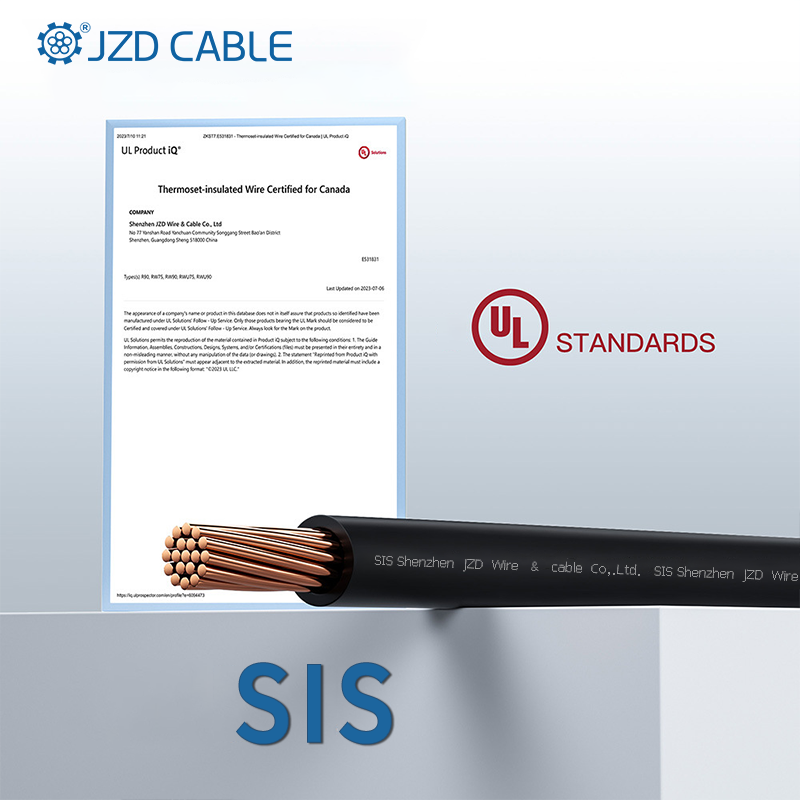
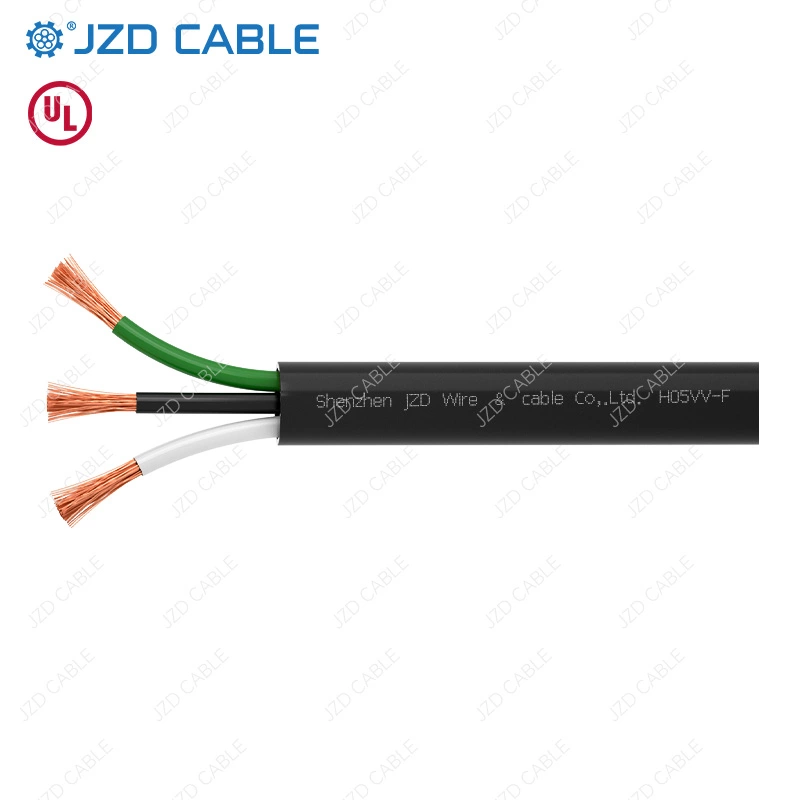
UL Certified SIS Wire

The key to proper selection lies in matching the wire’s characteristics to the specific application requirements, environmental conditions, and project specifications.
For professional guidance and high-quality cable solutions, contact JZD Cable today.​ Our team of experts is ready to help you select the perfect wire for your project needs.

Send inquiry

Cart
  • Your cart is empty Browse Shop
    Select the fields to be shown. Others will be hidden. Drag and drop to rearrange the order.
    • Image
    • SKU
    • Rating
    • Price
    • Stock
    • Availability
    • Add to cart
    • Description
    • Content
    • Weight
    • Dimensions
    • Additional information
    Click outside to hide the comparison bar
    Compare