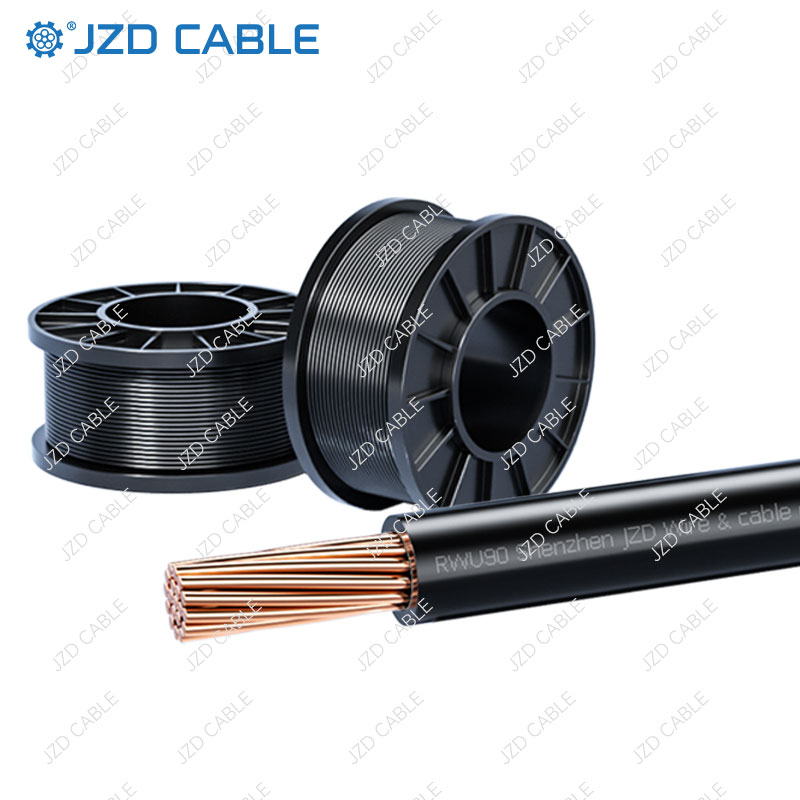



When selecting the right electrical cord for lamps, appliances, or seasonal lighting, you’ve likely encountered the terms SPT-1, SPT-2, and SPT-3. These designations refer to specific types of “Service Parallel Thermoplastic” (SPT) cords, commonly known as lamp cords or zip cords. While they may look similar at a glance, critical differences in their construction determine their safety, capacity, and suitable applications. Choosing the wrong type can be inefficient or even hazardous. This guide from JZD Cable will break down SPT-1, SPT-2, and SPT-3 cables, providing a clear comparison to ensure you make a safe and informed decision for your wiring needs.
What is SPT-1/SPT-2/SPT-3?
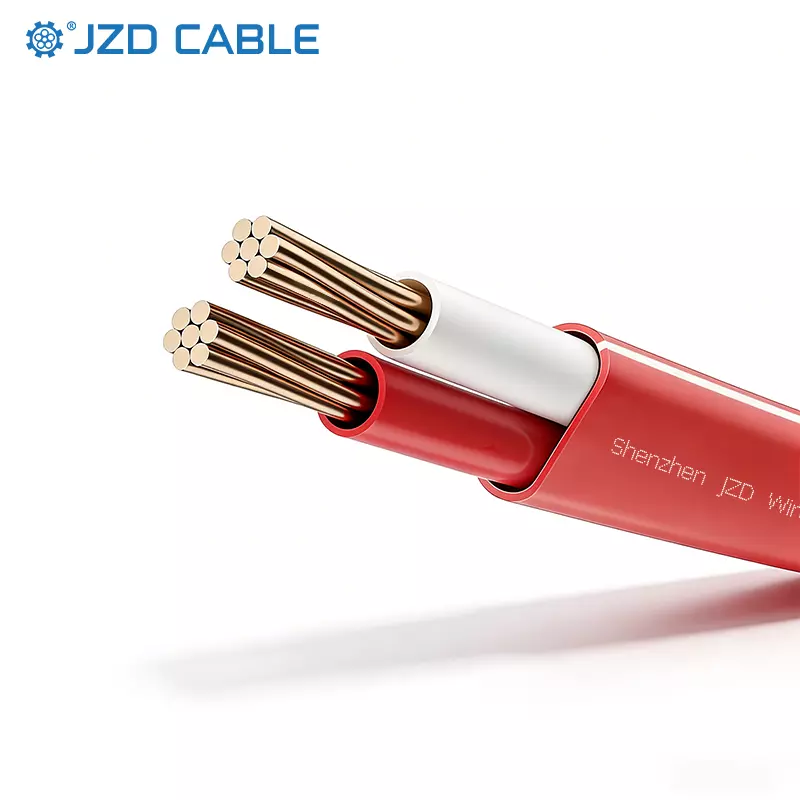
SPT stands for Service Parallel Thermoplastic. It is a common type of lightweight electrical cord where two insulated conductors (wires) are laid parallel and joined together by a central web, making it easy to “zip” or separate the wires for connections. The numbers -1, -2, and -3 primarily indicate the thickness of the insulation surrounding the individual current-carrying conductors. SPT-1 has the thinnest insulation, SPT-2 is standard and most common, and SPT-3 has the thickest, most durable insulation. The wire gauge (like 18 AWG or 16 AWG) is a separate specification, but it is often associated with these types.

SPT-1/SPT-2/SPT-3 Characteristics
- SPT-1: Features the thinnest layer of insulation. It is the most flexible and least expensive of the three but offers the lowest level of mechanical protection. It is typically found with smaller wire gauges (e.g., 18 AWG).
- SPT-2: Considered the general-purpose standard. It has a thicker, more robust insulation jacket than SPT-1, providing better durability, heat resistance, and protection against abrasion. It is highly common for a wide range of household items.
- SPT-3: Has the heaviest and thickest insulation. This provides the highest degree of mechanical protection, weather resistance, and longevity. It is the most durable and rigid of the three types.
SPT-1/SPT-2/SPT-3 Applications
- SPT-1: Best suited for very light-duty, low-stress indoor applications. Think of lightweight indoor holiday lights (not LEDs, which often use even smaller wire), some low-wattage decorative lighting, or simple DIY projects where the cord is fully protected and not subject to handling.
- SPT-2: The workhorse of service cords. Its applications are vast: table lamps, floor lamps, clocks, small kitchen appliances (blenders, coffee makers), power tools, extension cords, and most indoor household electronics. It’s suitable for applications where the cord may be moved or handled occasionally.
- SPT-3: Designed for more demanding environments. It’s ideal for heavy-duty appliances, commercial lighting, outdoor-use extension cords (often labeled as “outdoor” cords), and applications where the cord might be exposed to physical wear, pinching, weather, or higher temperatures.

SPT-1 vs SPT-2 vs SPT-3: Comparison Chart
|
Feature
|
SPT-1
|
SPT-2
|
SPT-3
|
|---|---|---|---|
|
Insulation Thickness
|
Thinnest
|
Standard / Medium
|
Thickest / Heaviest
|
|
Durability
|
Low
|
Moderate
|
High
|
|
Flexibility
|
Highest
|
High
|
Moderate (more rigid)
|
|
Common Wire Gauges
|
18 AWG
|
18 AWG, 16 AWG
|
16 AWG, 14 AWG
|
|
Typical Ampacity (varies by gauge)
|
Lower (e.g., 7A for 18AWG)
|
Moderate (e.g., 10A for 16AWG)
|
Higher (e.g., 15A for 14AWG)
|
|
Primary Use Case
|
Light-duty, low-stress indoor items
|
General-purpose indoor appliances & lamps
|
Heavy-duty, commercial, or outdoor use
|
|
Cost
|
Lowest
|
Moderate
|
Highest
|
Selection Guide: Which One Should You Choose?
Follow this simple logic to make your choice:
- Determine the Environment: Is it for indoor or outdoor/commercial use?
- Outdoor/Heavy-Duty: Always choose SPT-3. Its thick insulation is crucial for safety and longevity against the elements and physical stress.
- Check the Appliance Rating: Look at the wattage or amperage rating of the device you’re powering. Calculate the amperage (Amps = Watts / Volts).
- For higher-wattage appliances (like large heaters, power tools, or commercial equipment), you need a cord that can handle the current. This often means a 16 AWG SPT-2 or, better yet, a 14 AWG SPT-3 for safety margins.
- Consider Longevity and Handling:
- For a lamp that rarely moves, SPT-2 is perfect.
- For an extension cord you’ll use in the workshop or yard, where it might be dragged or stepped on, SPT-3 is the safer, more durable investment.
- General Rule of Thumb: When in doubt between SPT-1 and SPT-2, choose SPT-2 for its better protection. When in doubt between SPT-2 and SPT-3, especially for anything beyond basic indoor use, leaning towards SPT-3 is the safer, more reliable choice.
Your Trusted Partner for Quality Cable Solutions
Navigating wire and cable specifications is key to a safe and successful project. At JZD Cable, we specialize in manufacturing a wide range of high-standard electrical cables, including various SPT service cords built to precise specifications. We ensure our products meet rigorous safety and performance benchmarks.
If you’re working on a project and need expert guidance on selecting the perfect cord—whether it’s SPT-1, SPT-2, SPT-3, or any other specialized wire—our team is here to help. Contact JZD Cable today to discuss your requirements or to request a quote for reliable, certified cabling solutions. Let us power your projects with confidence.