

• Home
  • Industry
  • TW vs THW Wire: Key Differences, Applications, and How to Choose

TW vs THW Wire: Key Differences, Applications, and How to Choose

TW vs THW Wire
Choosing the right electrical wire is critical for safety, performance, and compliance. Two commonly used types of building wires are TW and THW. While they share similarities, key differences in temperature ratings, mechanical properties, and applications can impact your project’s success. In this guide, we’ll break down the features, uses, and selection criteria for TW and THW wires to help you make an informed decision.

What is TW Wire?

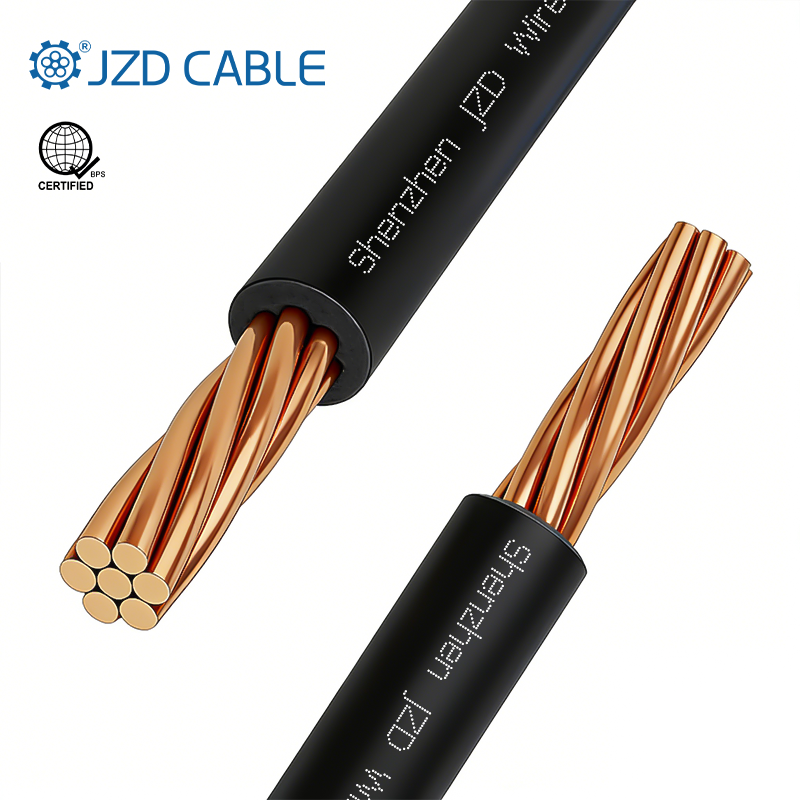
TW wire is a single-conductor copper wire with PVC insulation, designed for use in dry or damp environments. It is rated for up to 600V and can withstand conductor temperatures of up to 60°C. TW wire offers resistance to flame, moisture, and abrasion, making it a reliable choice for basic electrical installations.

What is TW Wire Used For?

Thanks to its moisture resistance and flexibility, TW wire is ideal for:
  • Fixed wiring in damp locations: bathrooms, kitchens, basements, and swimming pools.
  • Internal wiring of appliances: refrigerators, washing machines, and lighting fixtures.
  • Motor lead wiring: short connections between motors and junction boxes.
  • General building wiring: installed in conduits or behind walls in dry or damp conditions.

What is THW Wire?

THW wire is also a single-conductor copper wire with PVC insulation but is engineered for higher temperature tolerance. It operates at up to 600V and supports conductor temperatures of up to 75°C in both dry and wet environments. THW wire features superior thermal adaptability, mechanical strength, and resistance to oil, chemicals, and impact.

What is THW Wire Used For?

With its enhanced durability and heat resistance, THW wire is suitable for:
  • Industrial control systems: machine tools, assembly lines, and manufacturing plants.
  • Commercial and residential permanent installations: service feeders, branch circuits, and underground conduits.
  • Harsh environments: areas exposed to high temperatures, moisture, or mechanical stress.
  • Frequent flexing applications: woodworking machinery and automated equipment.

When to Use TW Wire vs. THW Wire

Feature
TW Wire
THW Wire
Voltage Rating
600V
600V
Max Temperature
60°C (dry or damp)
75°C (dry or damp)
Tensile Strength
10.3 MPa
12.4 MPa
Elongation Rate
100%
150%
Ideal Applications
Moderate-temperature environments: indoor residential wiring, damp locations.
Higher-temperature settings: industrial machinery, high-heat areas, harsh conditions.
Choose TW Wire if:
You need a cost-effective solution for residential or light commercial applications where temperatures do not exceed 60°C.
Choose THW Wire if:
Your project involves higher temperatures, mechanical stress, or harsh conditions, such as industrial plants or outdoor installations.

Why Choose JZD Cable for TW and THW Wires?

At JZD Cable, we specialize in manufacturing high-performance TW and THW wires that meet international standards, including UL, CE, and TUV certifications. Our wires are engineered for:
  • Durability: Superior abrasion and impact resistance.
  • Safety: Flame-retardant and moisture-resistant materials.
  • Compliance: Adherence to strict industry regulations.
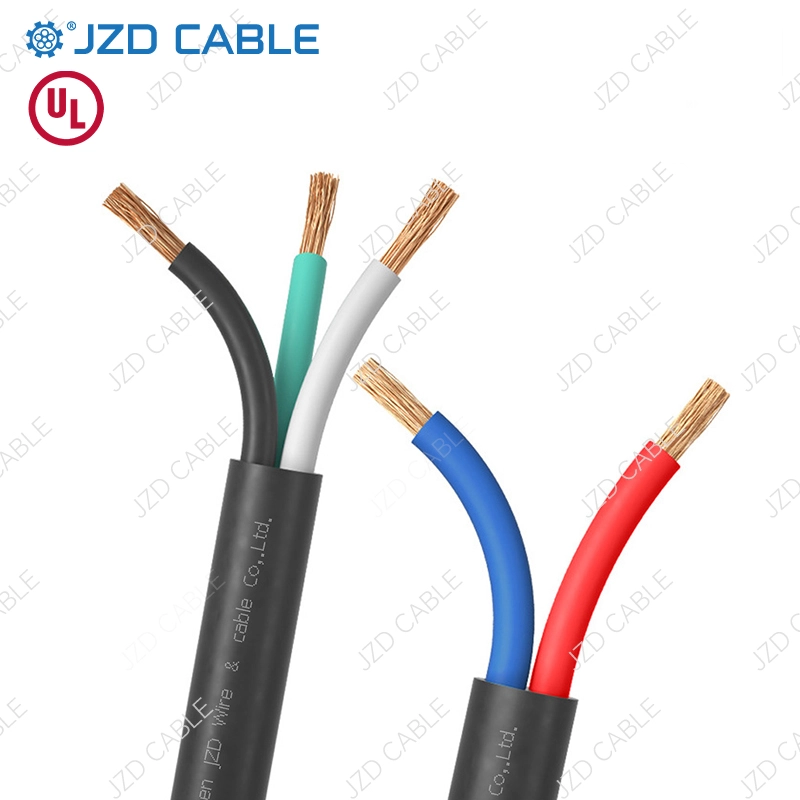
Whether you’re working on a residential building or an industrial facility, JZD Cable provides reliable, certified wiring solutions tailored to your needs.​
Don’t compromise on safety or performance. Contact JZD Cable at jzdcable.com to explore our full range of TW, THW, and other industrial-grade wires. Let us help you power your projects with confidence.

Send inquiry

Cart
  • Your cart is empty Browse Shop
    Select the fields to be shown. Others will be hidden. Drag and drop to rearrange the order.
    • Image
    • SKU
    • Rating
    • Price
    • Stock
    • Availability
    • Add to cart
    • Description
    • Content
    • Weight
    • Dimensions
    • Additional information
    Click outside to hide the comparison bar
    Compare