

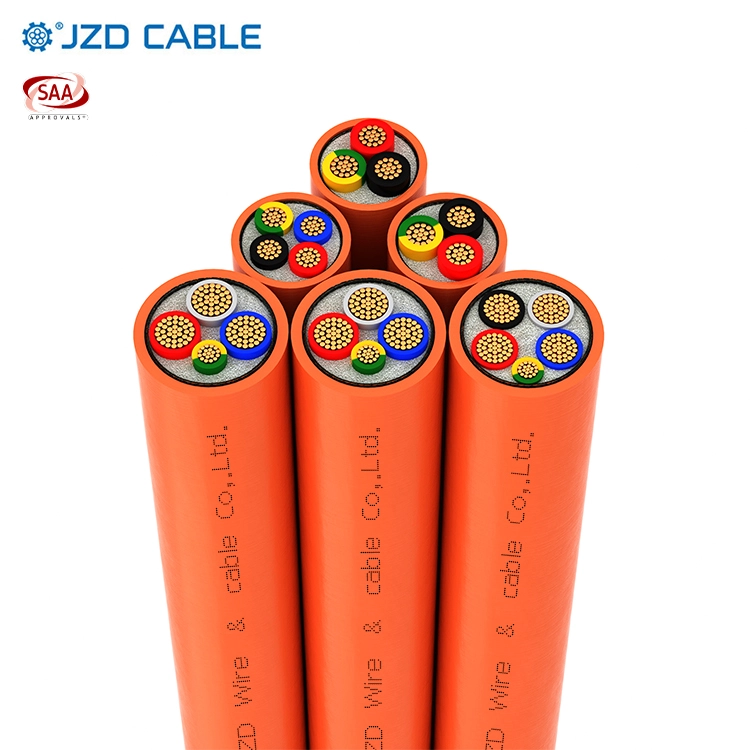
In the world of electrical power distribution, the choice of cable insulation is a critical decision impacting safety, efficiency, and longevity. Among the top contenders, Cross-linked Polyethylene (XLPE) insulated cable stands out as a modern engineering marvel, powering everything from industrial plants to urban skyscrapers. But what exactly makes it the preferred choice for demanding applications? Let’s dive into the world of XLPE cable technology.
What is an XLPE Insulated Cable?
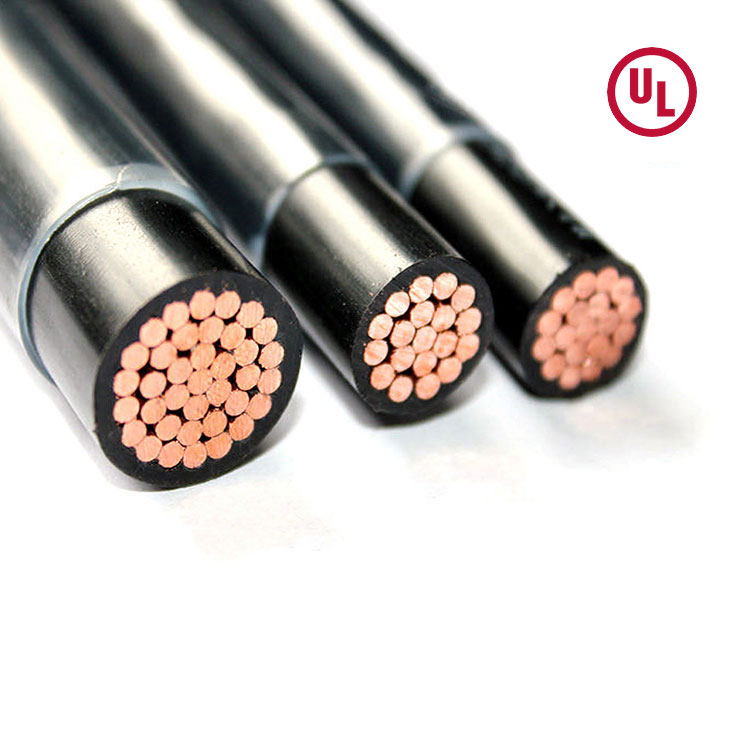
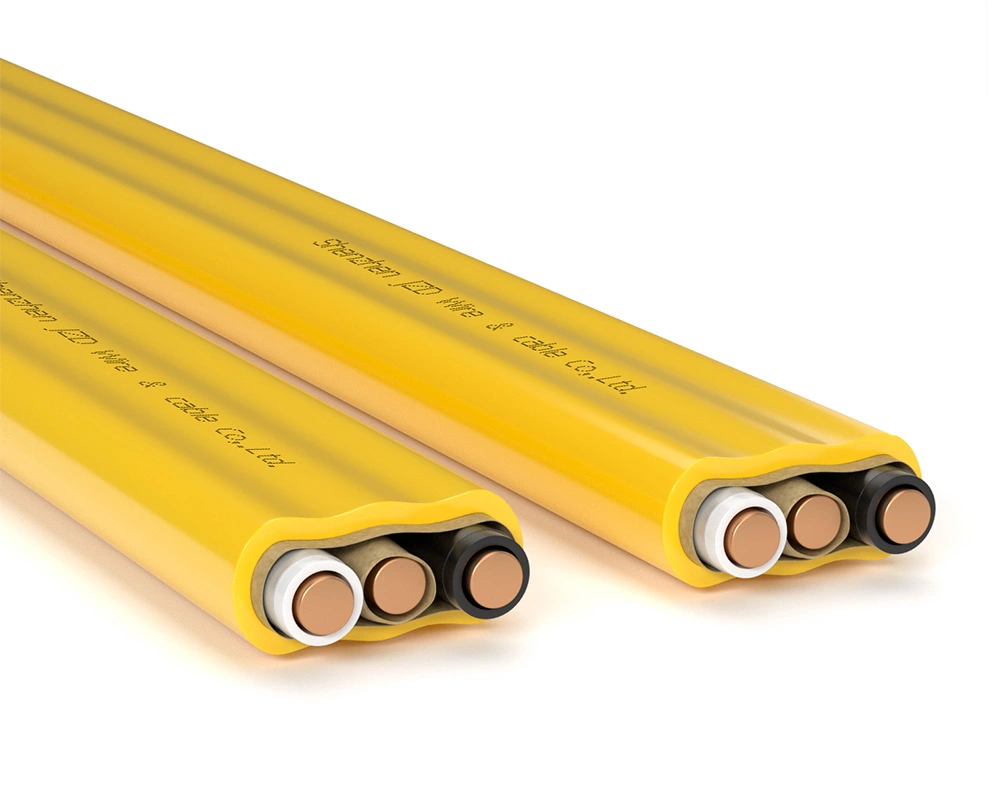
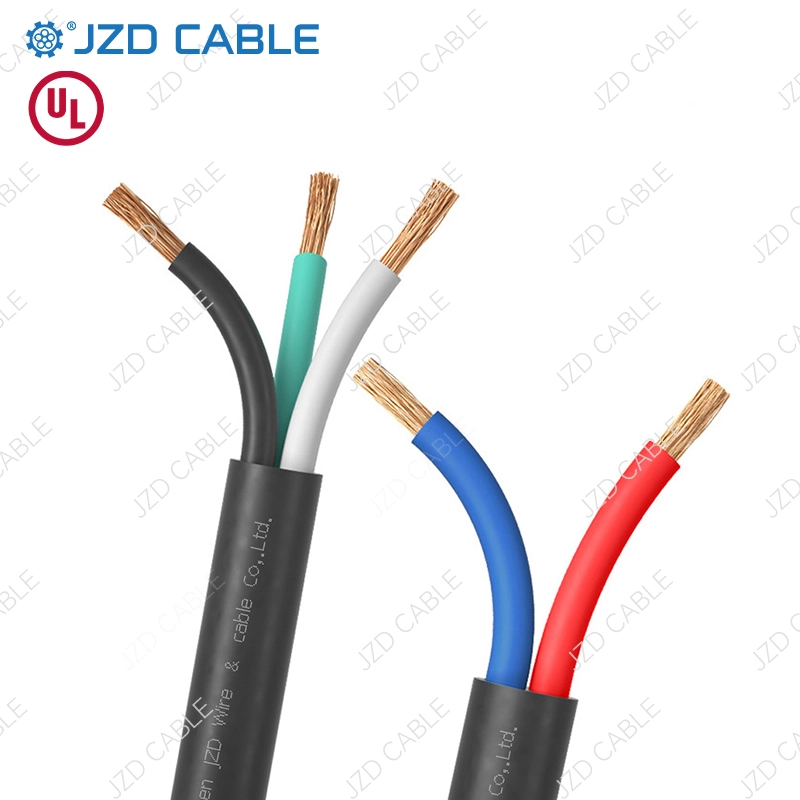
An XLPE (Cross-linked Polyethylene) insulated cable uses cross-linked polyethylene as the core insulation layer for its conductors. Through chemical (silane/peroxide) or physical (irradiation) cross-linking processes, the linear molecular structure of standard Polyethylene (PE) is transformed into a stable, three-dimensional network. This fundamental change overcomes the performance limitations of ordinary PE and PVC materials. XLPE has become one of the most widely used insulation materials in electrical applications, prized for its balanced electrical, thermal, and mechanical properties, ease of processing, installation, and maintenance.
Core Performance Advantages of XLPE Cables
Engineers and project managers specify XLPE cables for tangible, on-the-ground benefits that translate to safer, more reliable, and cost-effective installations.
1. Superior Temperature & Overload Resistance
XLPE cables excel where heat is a factor. Their long-term allowable operating temperature is 90°C for standard versions, with high-temperature variants reaching 110°C or 125°C—far exceeding the 70°C limit of standard PVC cables. This makes them perfect for high-ambient-temperature environments. Their short-circuit withstand temperature can reach up to 250°C (compared to ~160°C for PVC), ensuring exceptional stability and resistance to aging during surge currents or temporary overloads, a critical factor for heavy-duty industrial applications.
2. Top-Tier Electrical Insulation Properties
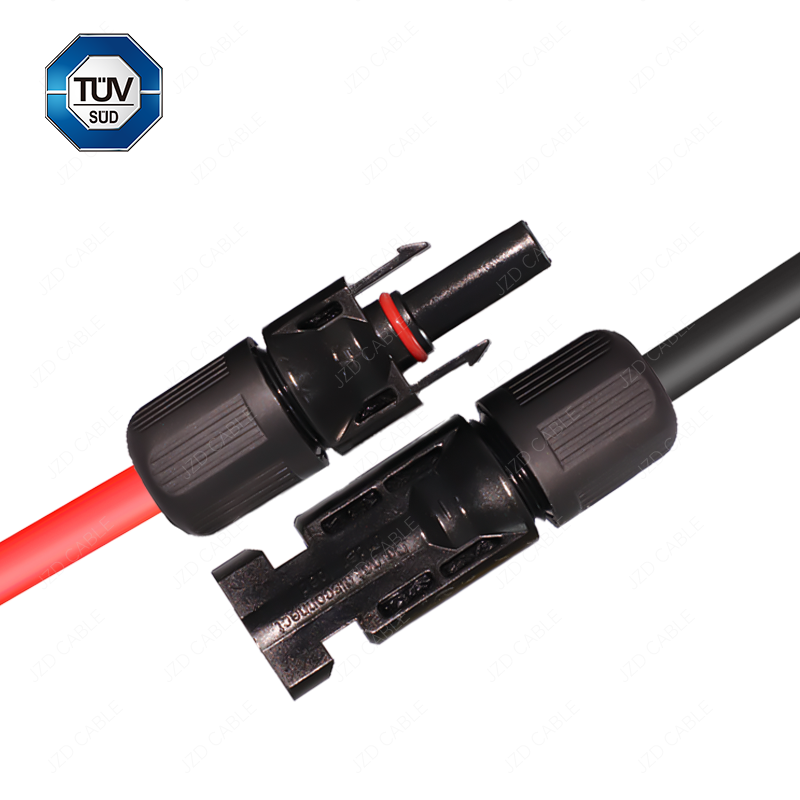
XLPE insulation offers extremely low dielectric loss, high breakdown strength, and long-term stable insulation resistance. Its performance is particularly outstanding under DC voltage, making it the insulation material of choice for PV DC sides and energy storage systems. Its versatility spans a wide voltage range, suitable for everything from low-voltage 0.6/1kV systems to high-voltage power transmission of 110kV and above.
3. Excellent Environmental & Weathering Resistance
These cables boast strong resistance to environmental stress cracking, abrasion, oils, acids, and alkalis. Special weather-resistant modifications enhance performance against UV radiation and salt spray, making them ideal for outdoor rooftop, offshore, and coastal photovoltaic projects. They also maintain flexibility at extremely low temperatures (down to -40°C), preventing brittle cracking in cold climates.
4. Compliance & Environmental Safety
XLPE insulation can be paired with Low Smoke Zero Halogen (LSZH) sheathing. This combination meets stringent flame-retardant and low-toxicity requirements of standards like AS/NZS and GB. In the event of a fire, they produce minimal smoke and release no corrosive, toxic gases, ensuring stronger compliance and enhanced safety for buildings, tunnels, and industrial facilities.
Key Application Scenarios for XLPE Cables
1. Industrial Power Distribution & High-Power Equipment
- Factory floors, production lines, and power supply for machine tools, pumps, and fans.
- Inverter/Motor Special Cables: XLPE insulation with shielding offers high-temperature resistance and excellent EMI protection.
- High-Current Main Feeders: XLPE cables can carry over 20% more current than PVC cables of the same cross-section, making them more efficient and suitable for heavy-load scenarios.
2. Construction & Public Works
- Power distribution in high-rise residential buildings, office towers, shopping malls, and hospitals.
- Subways, Tunnels, Utility Tunnels: Often use LSZH-sheathed XLPE cables for their low smoke, zero halogen, and enhanced fire safety properties.
- Firefighting and Emergency Power Circuits: Chosen for their high-temperature resistance and proven reliability.
3. Power Transmission & Distribution (Grid Infrastructure)
- Covering the full spectrum from Low Voltage (0.6/1kV) and Medium Voltage (10kV/35kV) to High Voltage (110kV+).
- Urban Grids, Industrial Park Supply, Long-Distance Transmission: XLPE insulated cables have largely replaced oil-paper insulated types due to their lighter weight, easier installation, and minimal maintenance requirements.
Conclusion: Power Your Projects with Confidence
Choosing XLPE insulated cables is an investment in durability, safety, and performance. Whether you’re engineering a vast solar farm, powering a critical industrial process, or ensuring the safety of a public infrastructure project, XLPE technology provides a robust and future-proof solution.
At JZD Cable, we specialize in manufacturing high-quality XLPE insulated cables tailored to meet international standards and the specific demands of your project. Explore our comprehensive range of power solutions designed for excellence.
Ready to specify the right cable for your next project? Contact JZD Cable today for expert technical support and premium cable solutions.