

In the intricate world of industrial automation and control systems, signal integrity is paramount. The choice of cable can mean the difference between flawless operation and erratic system behavior plagued by noise and interference. Two primary contenders dominate this space: Shielded Control Cables and Unshielded Control Cables. For engineers, system integrators, and procurement specialists, understanding the fundamental differences is crucial for optimal performance and cost-effectiveness.
This guide from JZD Cable, a leading manufacturer of industrial cables, will delve into the core distinctions to help you make an informed decision.
Core Functional Difference: The Shield Against Interference
The most significant difference lies in the ability to handle electromagnetic noise.
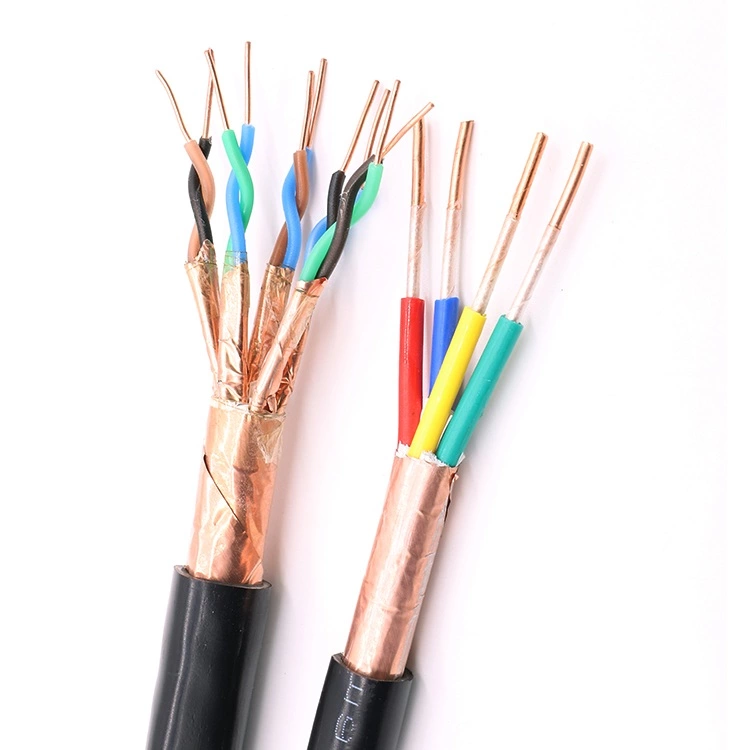
- Shielded Control Cables are engineered with an additional metallic layer (typically braided or foil) surrounding the insulated conductors. This shield acts as a barrier, effectively blocking Electromagnetic Interference (EMI) and Radio Frequency Interference (RFI). It ensures stable signal transmission by containing signals within and deflecting external noise. In high-frequency environments (1MHz-300MHz), a properly installed shielded cable can reduce interference by up to 100 times. It also offers some attenuation against low-frequency electrical surges.
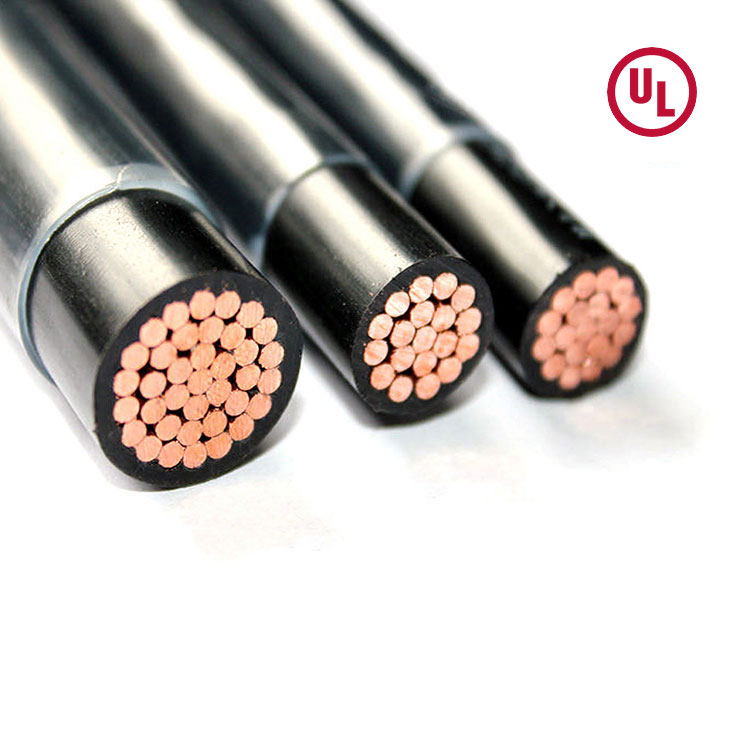
- Unshielded Control Cables (UTC) lack this metallic shield. They are more susceptible to picking up EMI/RFI from nearby sources like power lines, variable frequency drives (VFDs), and motors, which can corrupt sensitive analog or digital control signals.
Structure, Installation & Cost Implications
This functional difference directly impacts physical design and budget.
- Shielded Cables have a more complex structure. The addition of the shield, and often a drain wire, increases material use, weight, and overall diameter. Installation requires specialized shielded connectors and proper grounding techniques to be effective. This complexity translates to a higher unit cost and potentially higher labor costs for termination.
- Unshielded Cables boast a simpler, more flexible design. Easier to handle and terminate with standard connectors, they are more cost-effective both in terms of material and installation time.
Electrical Performance Comparison
|
Feature
|
Unshielded Control Cable
|
Shielded Control Cable
|
|---|---|---|
|
Noise Immunity
|
Poor; susceptible to interference from power lines, VFDs, etc.
|
Excellent; suppresses both common-mode and differential-mode interference.
|
|
Signal Stability
|
Adequate for basic digital signals in clean environments.
|
High; essential for analog signals, instrumentation, PLC I/O, and sensitive data.
|
|
Grounding Requirement
|
Not required.
|
Mandatory. The shield must be correctly earthed at one end to drain noise effectively.
|
|
Relative Cost
|
Lower.
|
Higher.
|
|
Bandwidth / Data Rate
|
Sufficient for lower-speed communication.
|
Supports wider bandwidth and is suitable for higher data-rate applications.
|
Key Application Scenarios: Where to Use Each Type
Choosing the right cable depends entirely on the electrical environment.
1.Use Shielded Control Cables When:
- The installation environment has high EMI/RFI pollution (e.g., near radio transmitters, airports, heavy machinery, welding equipment).
- You are transmitting sensitive analog signals (4-20mA, 0-10V) or high-speed digital data.
- The system involves precision instrumentation, PLC analog modules, or servo drives.
- Best Practice: Ensure the entire system—cable, connectors, patch panels—is shielded and properly grounded. An ungrounded shield can act as an antenna, making problems worse.
2.Use Unshielded Control Cables When:
- The environment has low levels of electromagnetic noise (e.g., standard office buildings, dedicated control rooms, short cable runs).
- The application involves basic digital on/off signals (e.g., limit switches, relay controls) where minor noise is tolerable.
- Cost and ease of installation are primary concerns for non-critical links.
Installation & Maintenance Note
A shielded cable is only as good as its installation. The grounding must be impeccable—a poor ground connection can lead to signal reflection and a loss of shielding effectiveness. Regular inspection of ground connections is recommended for critical systems.
Conclusion: Making the Right Choice for Your System
There is no universal “better” option—only the most suitable one for your specific application.
- Choose Shielded Control Cable for performance and reliability in electrically noisy industrial settings. It’s an investment in signal integrity and system stability.
- Choose Unshielded Control Cable for cost efficiency and simplicity in controlled, low-interference environments.
At JZD Cable, we provide a comprehensive range of both shielded and unshielded industrial control cables. Our technical experts can help you analyze your application’s requirements to specify the perfect cable solution, ensuring your control systems run with maximum reliability and efficiency.
For premium control cables built to exacting standards, explore our solutions at jzdcable.com.