

Navigating Australian and New Zealand (AS/NZS) cable standards is crucial for electrical safety, compliance, and project success. Among the most important standards for low-voltage polymeric cables are AS/NZS 5000.1 and AS/NZS 5000.2. While they share a family name, their applications are distinctly different.
A common point of confusion is: Which standard covers my cable?The short answer lies in the voltage rating and intended use.
This guide will break down the core differences between AS/NZS 5000.1 and 5000.2, helping engineers, contractors, and project managers make the correct specification every time.
Part 1: Core Scope & Application at a Glance
Think of the two standards as serving different tiers of an electrical system.
AS/NZS 5000.1: The General-Power & Distribution Standard
- Full Title: Electric cables – Polymeric insulated – Part 1: For working voltages up to and including 0.6/1 (1.2) kV
- Primary Role: The workhorse for general power distribution.
- Key Application Areas:
- Voltage: 0.6/1 kV (up to 1.2 kV). This is the standard for most building and industrial main power feeds.
- Conductor Size: No upper limit. Covers the full range from 1.5 mm² to 630 mm² and beyond.
- Where it’s Used: Main building submains, industrial power circuits, feeder cables for switchboards, underground or direct buried supplies, and cable in conduit for high-power applications.
AS/NZS 5000.2: The Fixed Wiring & Final Subcircuit Standard
- Full Title: Electric cables – Polymeric insulated – Part 2: For working voltages up to and including 450/750 V
- Primary Role: The standard for final subcircuit wiring within buildings.
- Key Application Areas:
- Voltage: 450/750V. This is the standard domestic/commercial low voltage.
- Conductor Size: Up to 16 mm². Focused on smaller cross-sections for final circuits.
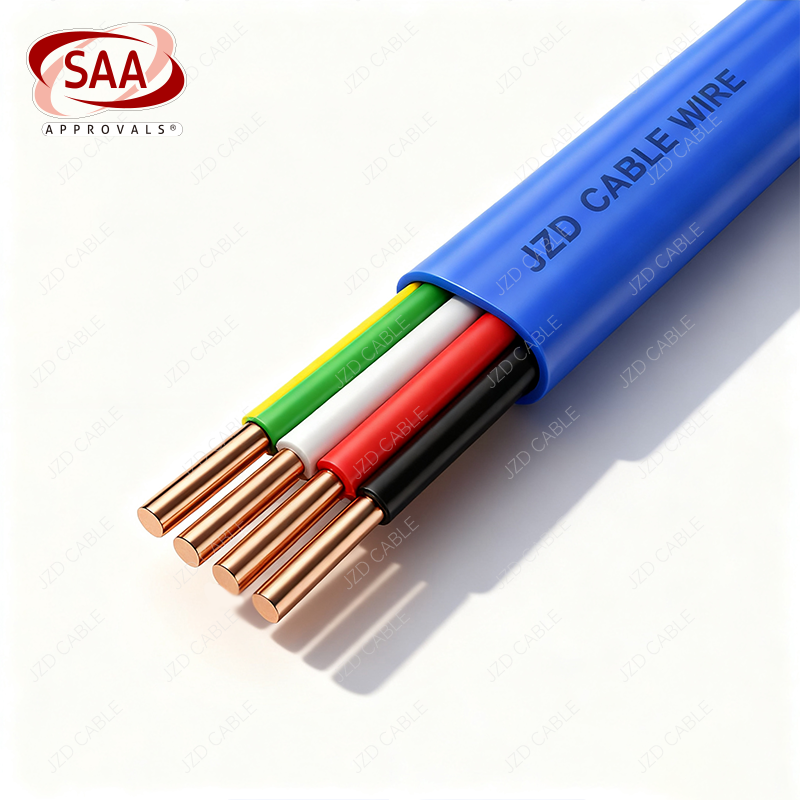
- Where it’s Used: Residential and commercial fixed wiring for lighting, power outlet (socket) circuits, and specifically includes TPS (Flat Profile Sheathed) cable used throughout Australian homes.
Part 2: Key Differences Breakdown
Here is a detailed, side-by-side comparison of the critical technical and application differences.
|
Feature
|
AS/NZS 5000.1
|
AS/NZS 5000.2
|
|---|---|---|
|
Rated Voltage
|
0.6/1 kV (1.2 kV max)
|
450/750 V
|
|
Conductor Size
|
Full range, no upper limit (e.g., 1.5mm² to 630mm²+)
|
Small截面 only, maximum 16 mm²
|
|
Insulation Types
|
PVC (V-90), XLPE (X-90), and other elastomers.
|
Primarily PVC, some XLPE.
|
|
Armouring
|
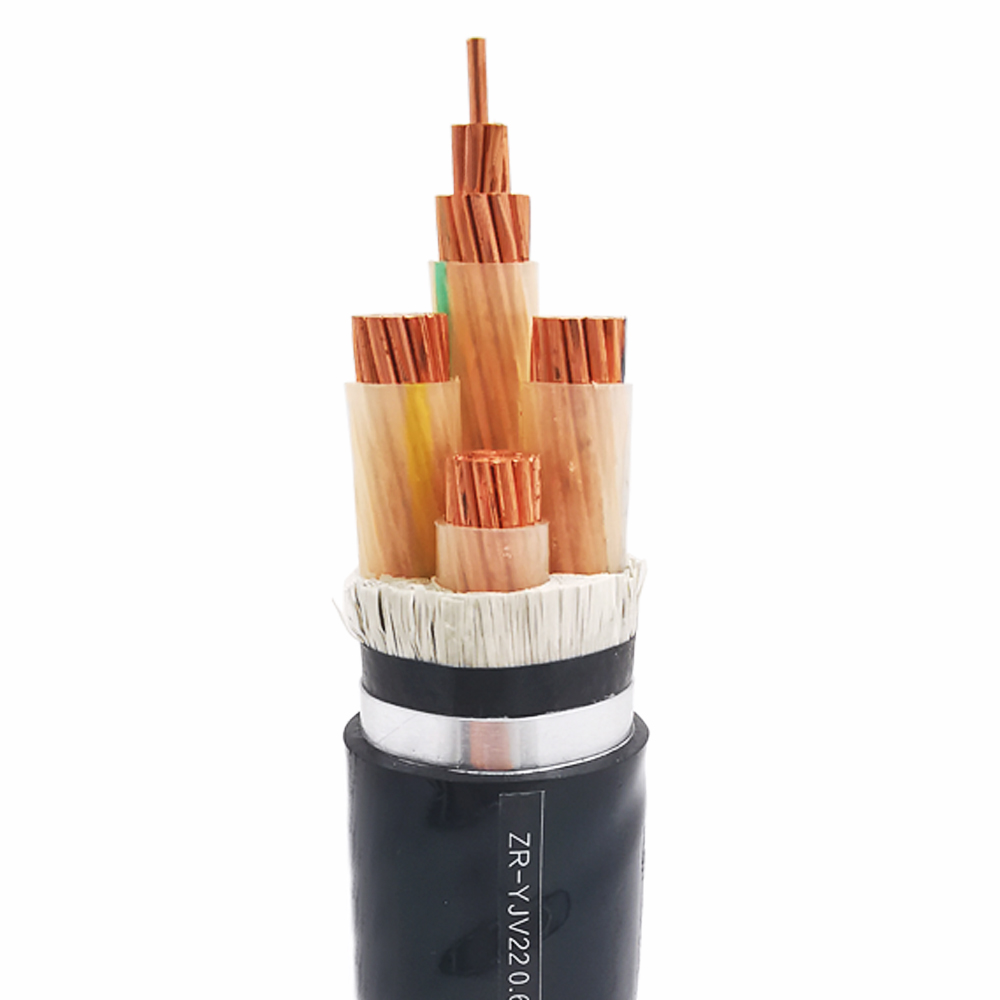
Allowed. Steel wire or tape armour for direct burial, underground, or heavy-duty applications.
|
Not allowed. Designed for light-duty fixed wiring installations (in walls, conduits, cavities).
|
|
Sheathing
|
Optional, but common. Thickness based on mechanical protection needs. Can be specified for sunlight resistance, oil resistance, flame retardancy (FR, FRL, etc.).
|
Mandatory outer sheath. Minimum 1.2mm for round multi-core cables. Specific construction rules for TPS flat cables.
|
|
Core Configuration
|
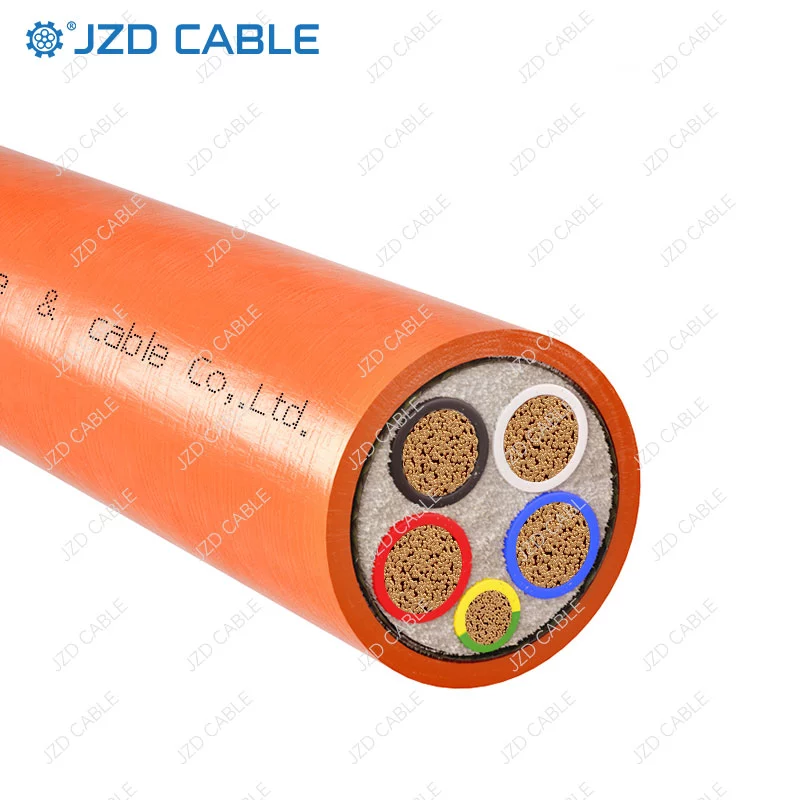
Single-core or multi-core, with no practical limit on the number of cores.
|
Typically 1, 2, 3, or 4 cores + earth. Specifically governs the common configurations.
|
|
TPS Flat Cable
|
Not covered.
|
Specifically included and defined. This is the standard for the iconic flat cable used in Australian homes.
|
|
Typical Products
|
V-90, X-90 cables, multi-core cables (armoured or unarmoured) for distribution.
|
TPS flat cable, round sheathed multi-core cables for final subcircuits.
|
Choosing the Right Standard: A Simple Guide
Use this quick decision flowchart for your next project:
1.What is the Voltage?
- Is it a 0.6/1kV circuit (like a main feed)? → Look to AS/NZS 5000.1.
- Is it a 450/750V circuit (like a final subcircuit)? → Proceed to question 2.
2.What is the Application & Cable Type?
- Is it for general distribution, underground, or industrial power? → AS/NZS 5000.1.
- Is it for fixed interior wiring in a building (walls, ceilings)?
- Are you using a large cable (>16mm²)? → Likely AS/NZS 5000.1.
- Are you using a small cable (≤16mm²) or specifically TPS flat cable? → AS/NZS 5000.2.
Incorrect application, such as using a 5000.2 cable for a 0.6/1kV circuit, is a serious safety and compliance risk.
Conclusion: Safety Through Correct Specification
Understanding the distinction between AS/NZS 5000.1 and 5000.2 is fundamental. In essence:
- AS/NZS 5000.1 is your general-purpose, higher-voltage distribution standard.
- AS/NZS 5000.2 is your dedicated, lower-voltage fixed wiring standard, which includes the crucial TPS cable format.
Always specify cables according to their voltage rating and intended use as defined by these standards. This ensures not only regulatory compliance but also the long-term safety and reliability of your electrical installation.
Need Compliant Cables? At JZD Cable, we manufacture a full range of cables to both AS/NZS 5000.1 and 5000.2 standards. Whether you need V-90 for an industrial project or compliant TPS for a residential build, we ensure our products meet the rigorous requirements for performance and safety.
Explore our range of AS/NZS compliant cables or contact our technical team for specification support.