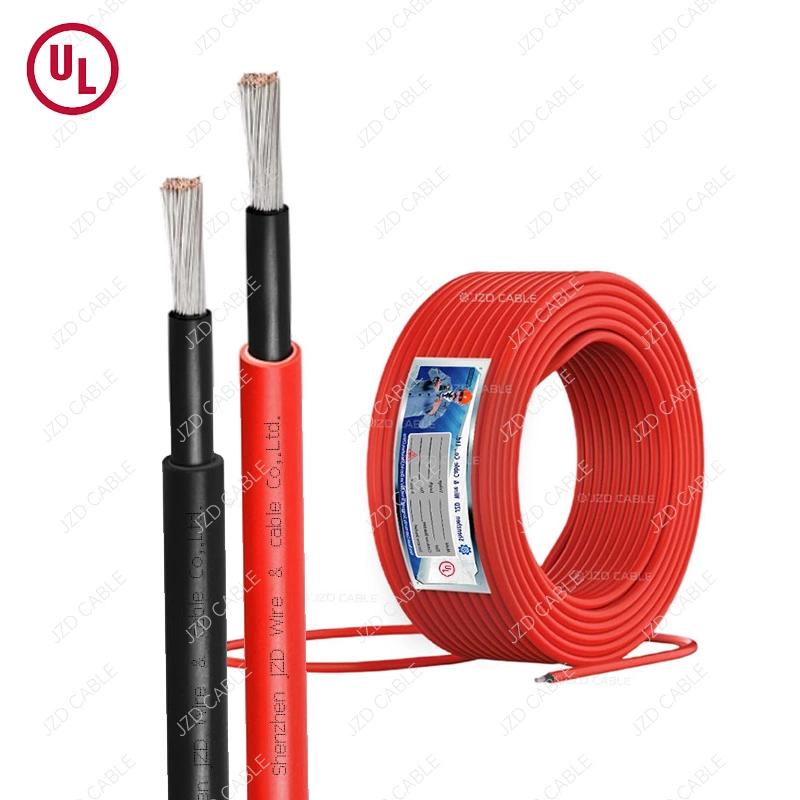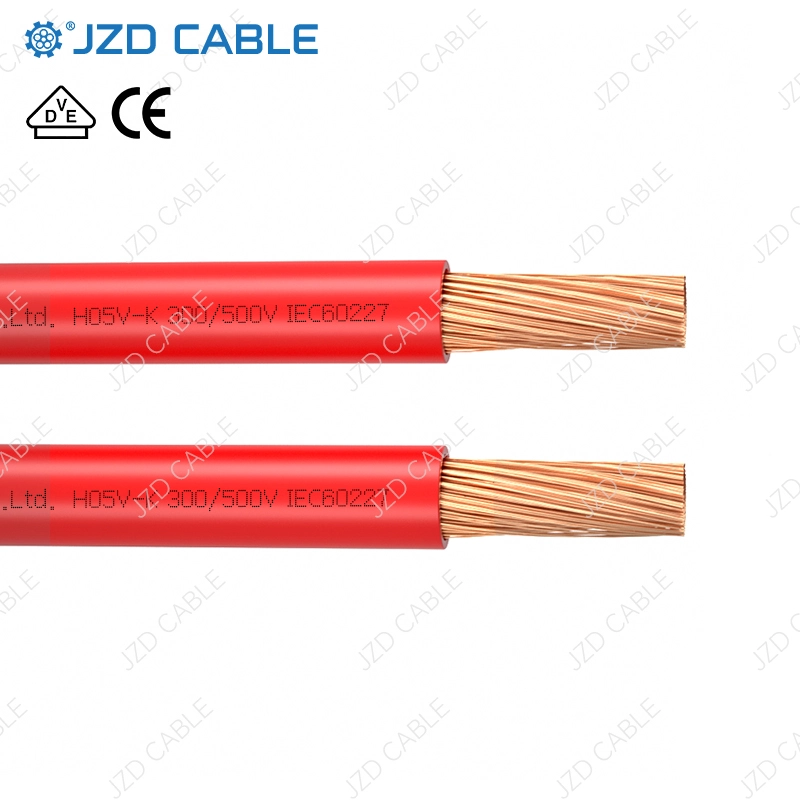


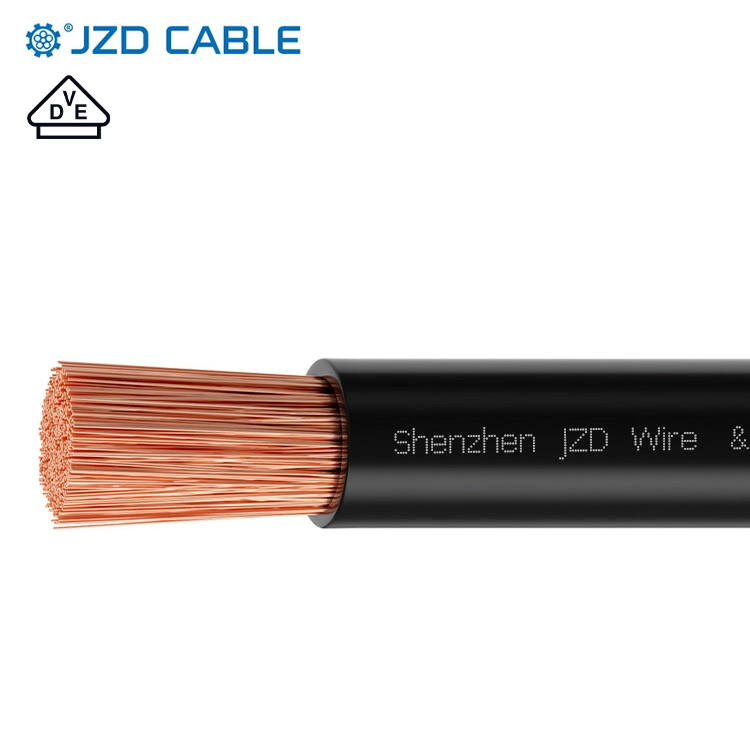
What Is Battery Cable?
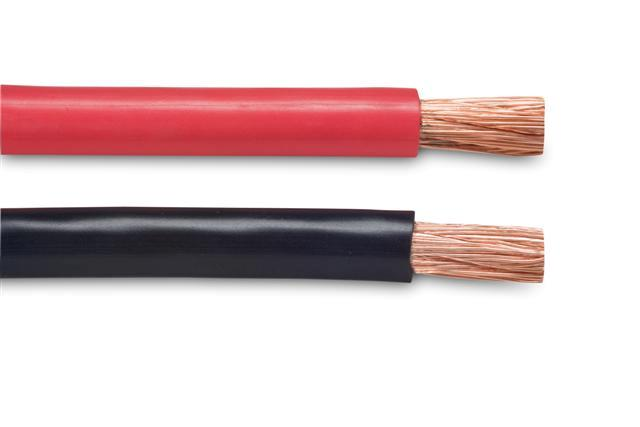
Common Features of Battery Cable
- Durable Insulation: Resists extreme temperatures, oil, and UV exposure.
- High Flexibility: Fine-stranded design allows easy routing in tight spaces.
- Corrosion-Resistant: Often coated or tinned to prevent oxidation.
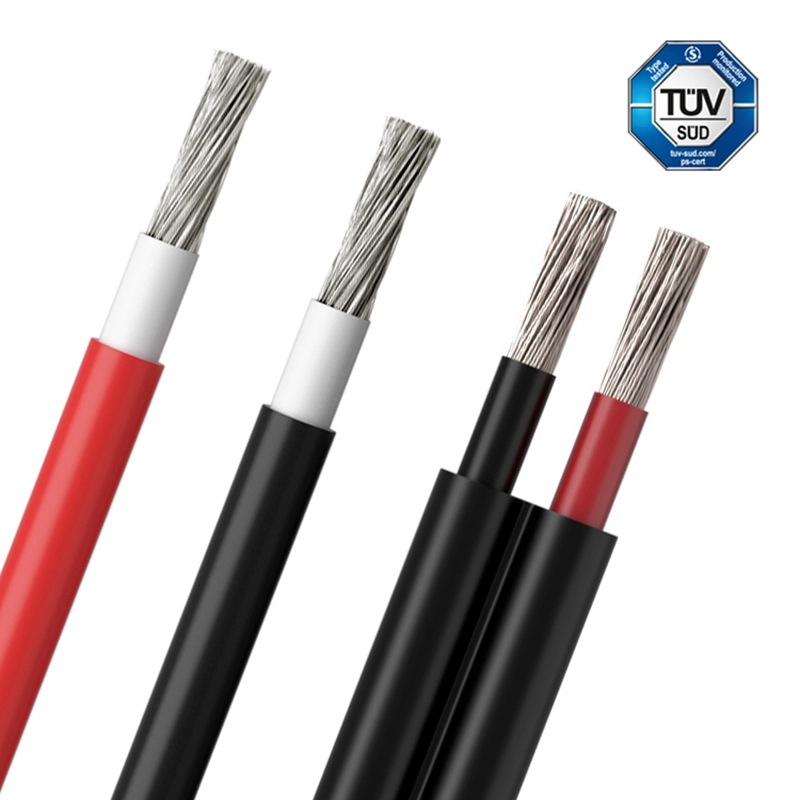
- Color-Coding: Standard red (positive) and black (negative) for easy identification.
- AMP Rating: Designed to handle specific current loads without overheating.
Applications of Battery Cable
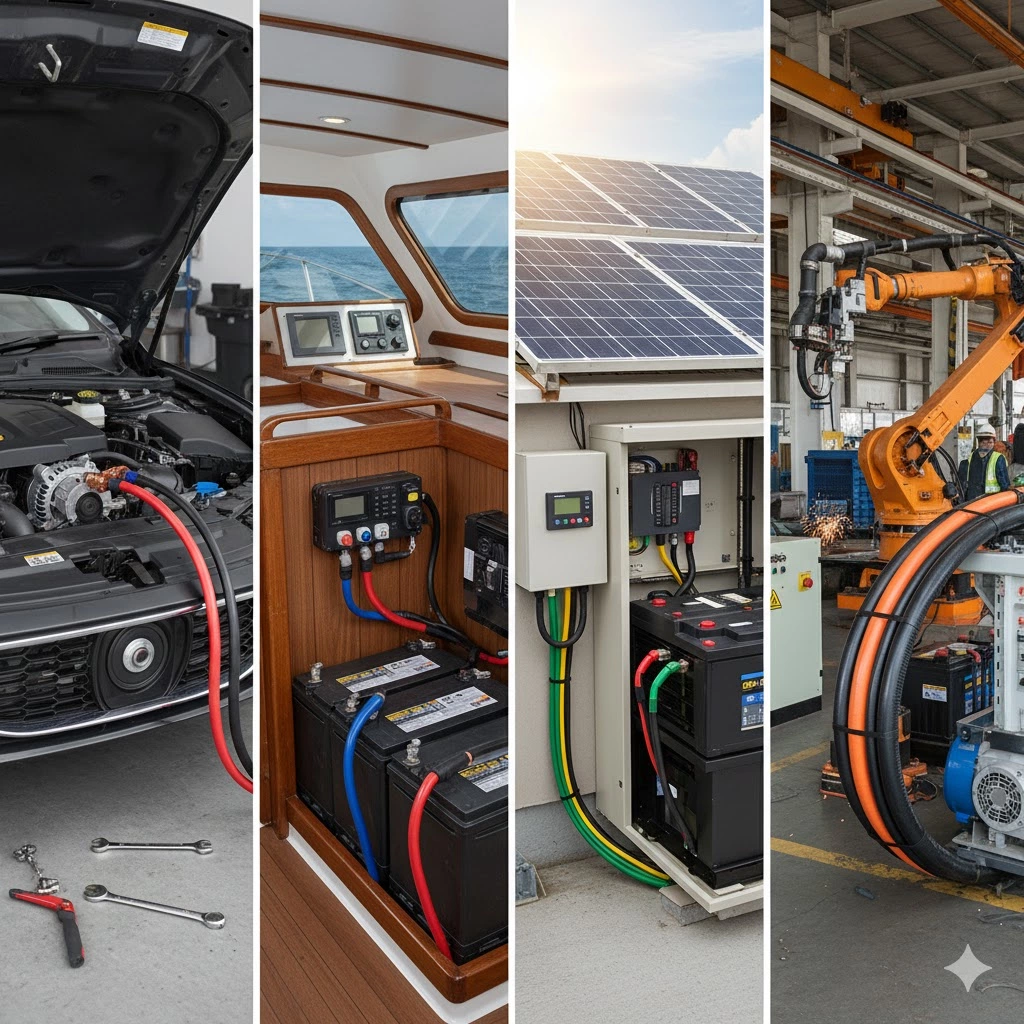
- Automotive: Connecting car batteries to starters, alternators, and grounding points.
- Marine: Powering boats and marine equipment, with enhanced resistance to moisture and salt.
- Solar Power Systems: Linking batteries to inverters and charge controllers in renewable energy setups.
- Industrial Machinery: Providing reliable power in manufacturing, construction, and backup power systems.
How to Choose Battery Cable
-
Current Load: Match the cable’s AMP rating to your system’s requirements. -
Cable Length: Longer runs may require thicker gauges to minimize voltage drop. -
Environment: Choose insulation material (e.g., PVC, XLPE) based on exposure to heat, chemicals, or abrasion. -
Compliance: Ensure cables meet industry standards like UL or CE.
Why Choose JZD Cable?
- Customizable lengths and terminations.
- Competitive pricing and fast global shipping.
- Expert technical support.