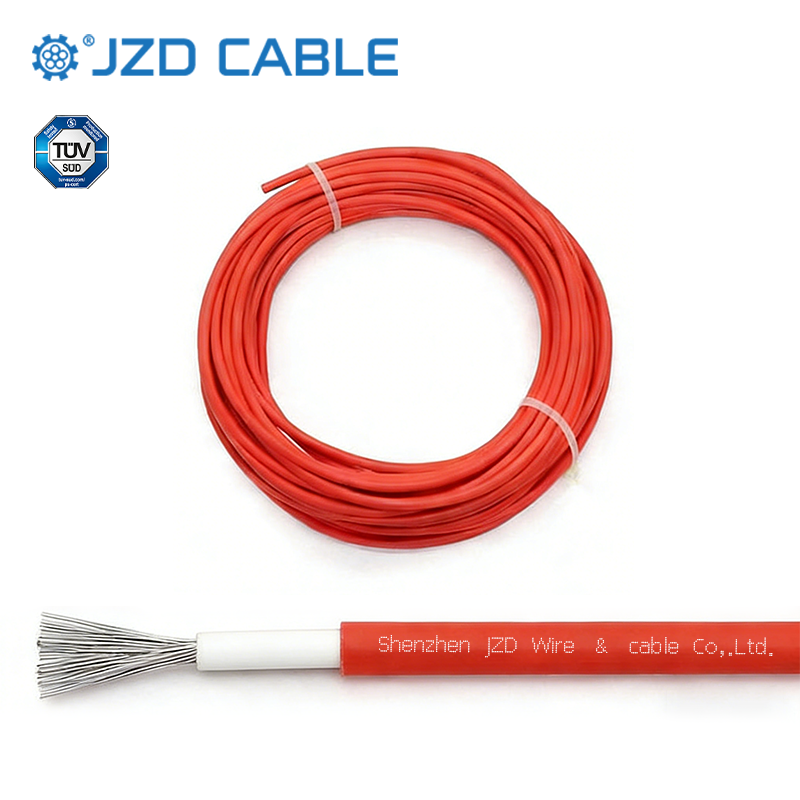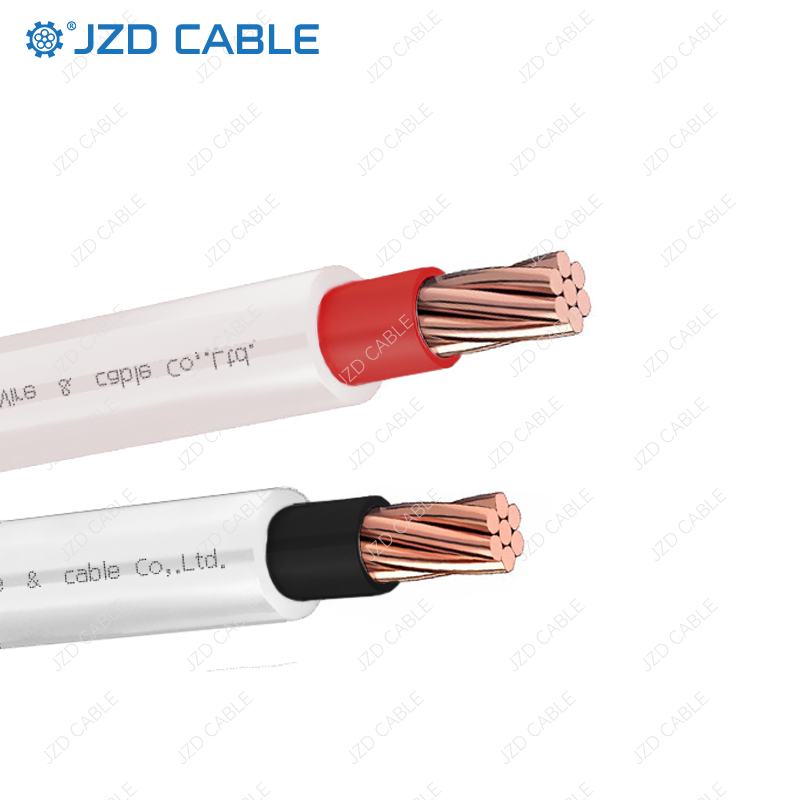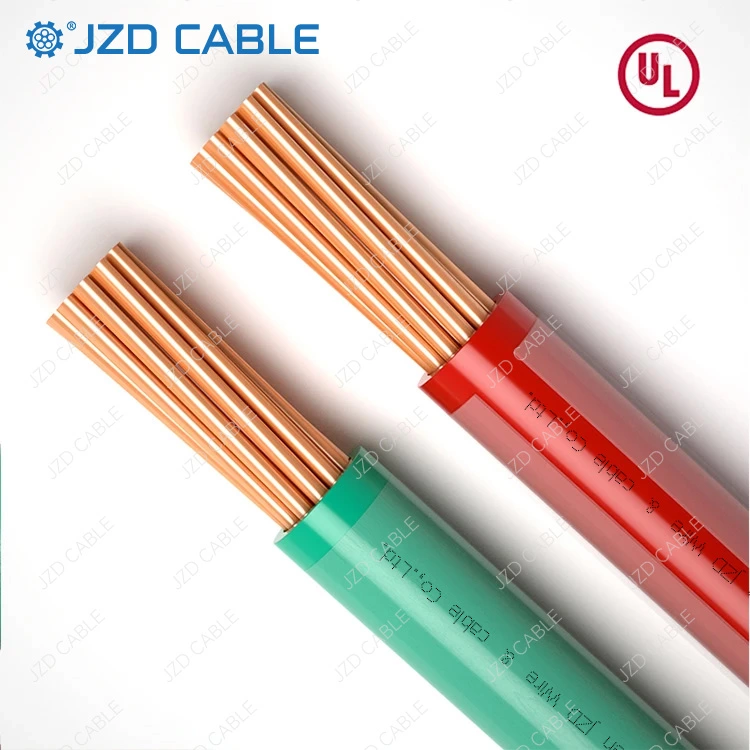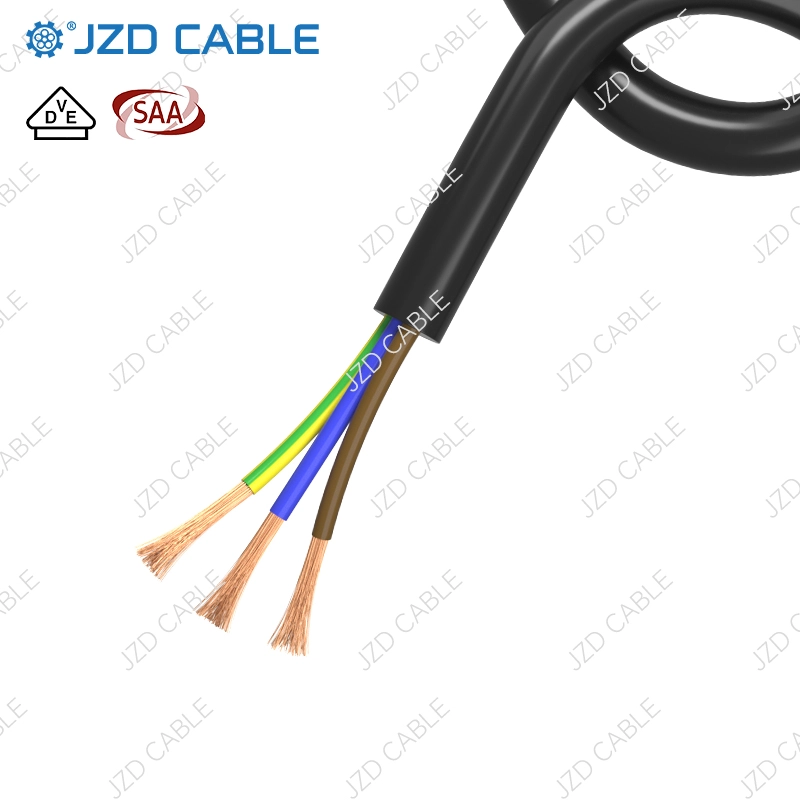


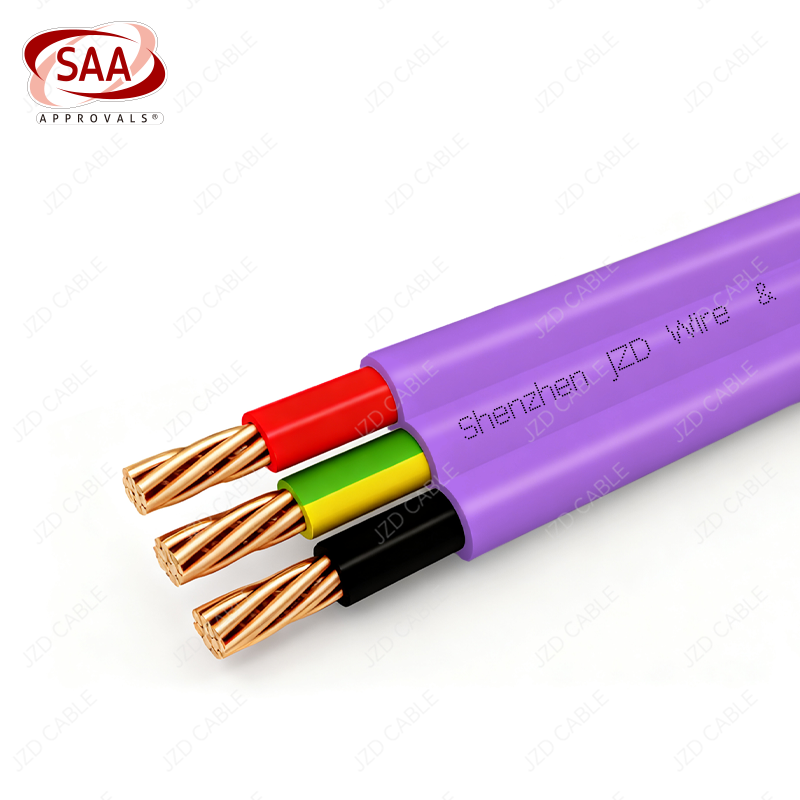
In the world of electrical wiring, choosing the right cable isn’t just about conductivity; it’s about safety, compliance, and future-proofing your installations. Two common types you’ll encounter are Thermoplastic Sheathed (TPS) cables, but they are not all created equal. Today, we at JZD Cable dive deep into the critical comparison between Low Smoke Zero Halogen (LSZH) TPS and Regular (or Standard PVC) TPS cables. Understanding their differences is key to making an informed, responsible decision for your project.
What Are TPS Cables?
First, a quick definition. TPS stands for Thermoplastic Sheathed cable. It’s a common building wire used for fixed indoor installations in residential, commercial, and industrial buildings. The core distinction lies in the material used for its insulation and sheathing.
Regular (PVC) TPS Cable: The Conventional Choice
Composition: The insulation and outer sheath of regular TPS are typically made from Polyvinyl Chloride (PVC).
Key Characteristics:
- Cost-Effective: PVC is an inexpensive material, making regular TPS the most economical option upfront.
- Durable & Flexible: It offers good general durability, moisture resistance, and is relatively easy to install.
- The Critical Drawback – Fire Behavior: This is where significant concerns arise. When exposed to fire, PVC decomposes and releases:
- Dense, Opaque Black Smoke: This smoke drastically reduces visibility, hindering escape and rescue efforts.
- Acidic/Corrosive Gases: Primarily hydrogen chloride (HCl) gas. When this gas mixes with moisture (e.g., in human lungs or on equipment), it forms hydrochloric acid. This can cause severe respiratory damage and corrode sensitive electronic equipment long after the fire is extinguished.
Low Smoke Zero Halogen (LSZH) TPS Cable: The Safety-Enhanced Choice
Composition: LSZH TPS uses specially formulated thermoplastic compounds for its insulation and sheath that contain no halogenated materials (like chlorine in PVC).
Key Characteristics & Advantages:
- Dramatically Reduced Smoke Emission: As the name suggests, LSZH cables produce very low levels of smoke when burning. The smoke is less dense and less opaque, maintaining better visibility for safe evacuation.
- Zero Halogen, Non-Corrosive: They do not emit significant amounts of toxic or corrosive halogen gases (like HCl). This protects both human health and valuable infrastructure.
- Enhanced Fire Safety Compliance: LSZH cables are increasingly mandated by building codes, regulations, and specifications for public spaces, high-rise buildings, transportation hubs (subways, airports), data centers, hospitals, and ships—anywhere where crowd safety and asset protection are paramount.
- Environmental & Health Consideration: Safer for the environment and occupants during a fire event, aligning with modern green building and safety principles.
Head-to-Head Comparison: LSZH TPS vs. Regular TPS
|
Feature
|
Regular (PVC) TPS
|
Low Smoke Zero Halogen (LSZH) TPS
|
|---|---|---|
|
Smoke Emission
|
High, dense, black smoke
|
Very Low, transparent smoke
|
|
Toxic/Corrosive Fumes
|
Emits halogenated acids (e.g., HCl)
|
Negligible non-corrosive fumes
|
|
Primary Advantage
|
Low cost, good general durability
|
Superior life safety and asset protection
|
|
Typical Applications
|
General residential wiring, low-risk areas where codes permit.
|
Public buildings, transport, data centers, high-rises, hospitals, confined spaces.
|
|
Cost
|
Lower initial material cost.
|
Higher initial cost, but justified by risk mitigation.
|
|
Compliance
|
Meets basic standards.
|
Meets stringent modern safety standards (e.g., IEC 60754, IEC 61034).
|
Conclusion: Which One Should You Choose?
The choice boils down to risk assessment and regulatory requirements.
- Choose Regular PVC TPS for cost-sensitive, low-risk residential projects or applications where local building codes still permit its use and fire safety is managed by other means.
- Choose LSZH TPS as the responsible and modern standard for any project where human life safety, equipment protection, and regulatory compliance are priorities. The higher initial investment pales in comparison to the potential cost of life and damage from a fire. It is the definitive choice for sustainable and safe construction.
Why Choose JZD Cable
At JZD Cable, we are committed to providing wiring solutions that don’t just power buildings, but protect them. Our range of high-quality LSZH TPS cables offers superior fire performance and peace of mind.
Ready to specify the safer cable for your next project? Browse our technical specifications or contact our expert team at jzdcable.com to discuss your requirements. Let’s build a safer future, together.