

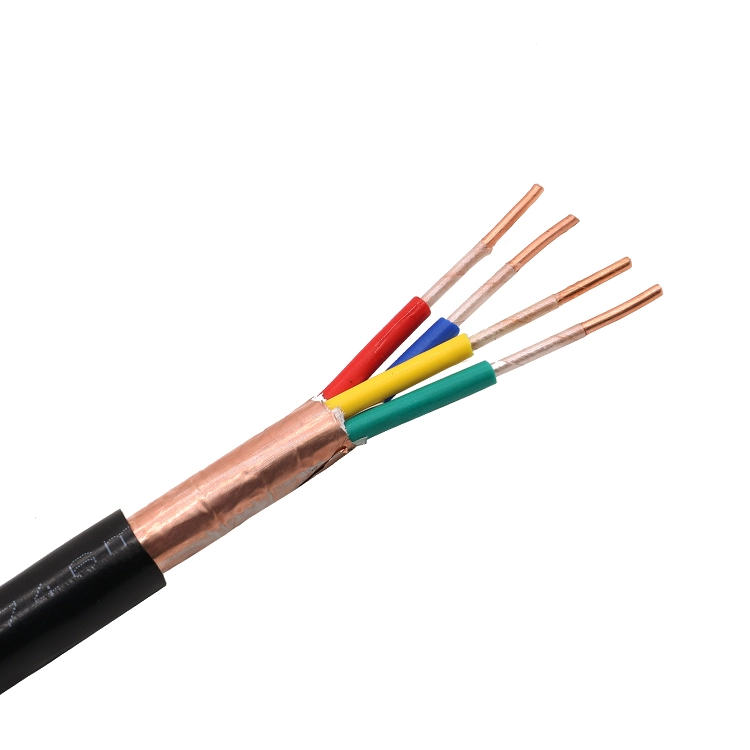
In today’s electronically dense world, where motors hum, wireless signals fly, and digital devices proliferate, a silent battle is constantly being waged. Electromagnetic interference (EMI) can disrupt critical data, distort signals, and cause system failures. The frontline defense in this battle? Shielded cables.
At JZD Cable, we engineer cables that ensure reliability. Shielded cables are specialized wires designed with a protective metal layer to safeguard signal integrity. This blog delves into how they work, their core benefits, and where they are indispensable.
Core Construction: How a Shielded Cable is Built
Understanding a shielded cable starts with its layered structure:
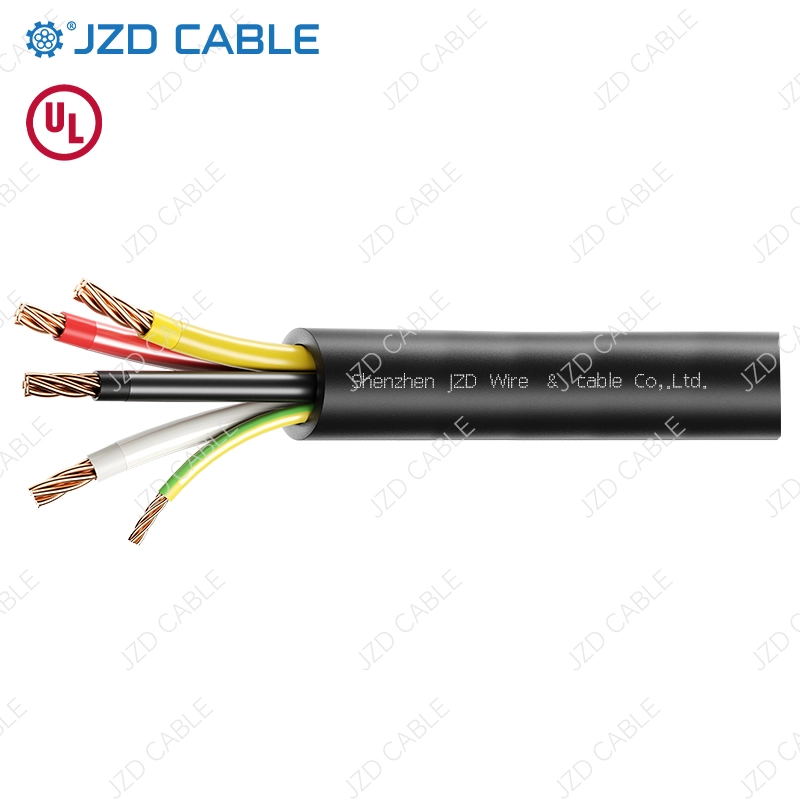
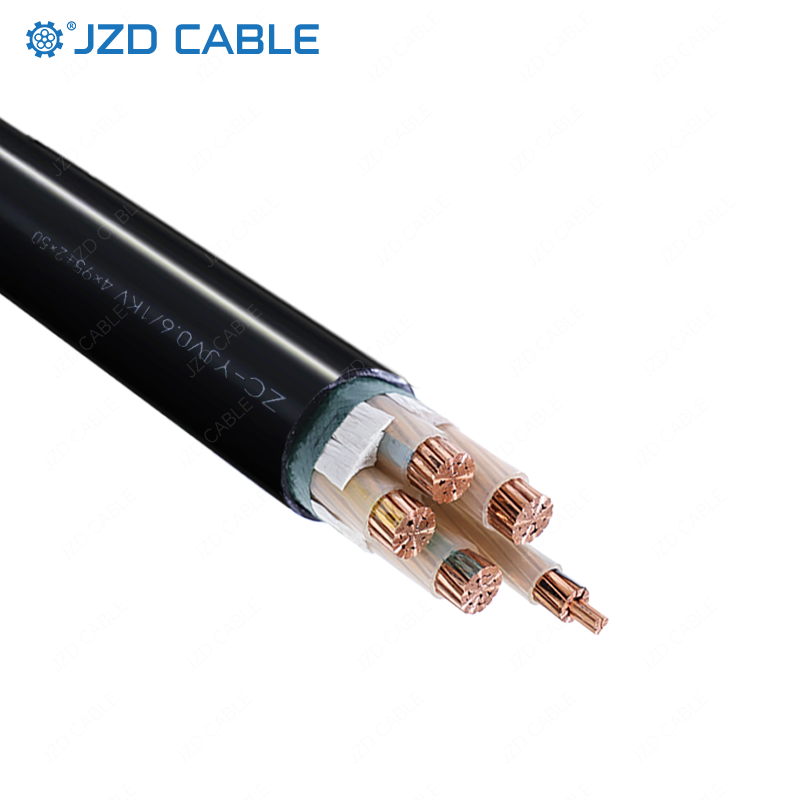
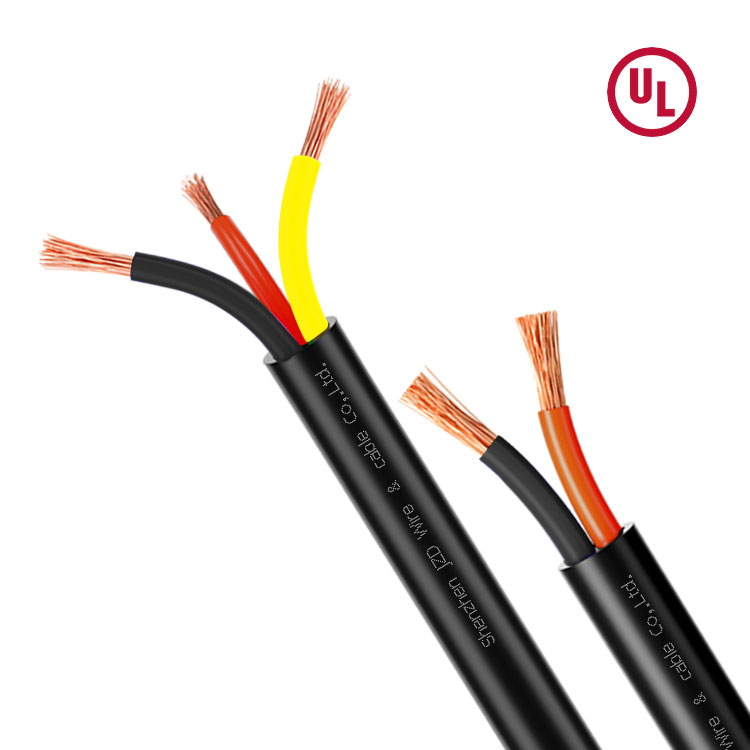
- Conductor & Insulation: Like any standard cable, the core consists of conductors (often stranded wires for flexibility) surrounded by an insulation layer. This carries the electrical signal or power.
- The Shield – The Key Differentiator: This is the added protective layer. It typically comes in two forms:
- Single Shield: A braided mesh of fine copper or aluminum wires, or a spiral-wound or longitudinal foil tape (usually aluminum). The shield works on the principles of the skin effect (where high-frequency currents flow on the conductor’s surface) and reflection, blocking external EMI.
- Double/Foil + Braid Shield: For superior protection, especially against high-frequency interference, a combination shield is used. A foil layer provides 100% coverage, while an overbraid adds mechanical strength and better low-frequency protection.
- Critical: Proper Grounding: The shield’s effectiveness hinges on correct grounding. It is typically grounded at one end only (single-point grounding) to prevent ground loops—circulating currents that can themselves become a source of noise. In complex systems like computer control networks, a centralized single-point ground is standard practice.
Primary Functions: Why Shielded Cables Are Essential
The investment in shielded cabling pays off in three key areas of system performance:
- Immunity to External Interference: The shield acts as a Faraday cage, blocking EMI from external sources like industrial motors, radio transmitters, and power lines, ensuring the internal signal remains clean and stable.
- Containment of Internal Emissions: It prevents the cable itself from radiating electromagnetic noise, which could interfere with nearby sensitive equipment or fail regulatory tests.
- Achieving Electromagnetic Compatibility (EMC): By both reflecting and absorbing electromagnetic energy, shielded cables are crucial for helping electronic devices and systems operate reliably in shared electromagnetic environments without causing or succumbing to interference.
Key Application Scenarios for Shielded Cables
Where is this protection most critical? Our cables at JZD are deployed in:
- Industrial Power & Automation: Used with variable-frequency drives (VFDs), large motors, and transformers to prevent magnetic flux leakage and protect sensitive control signals (e.g., PLC communication) in automated factories.
- Communication & Data Networks: Essential for high-speed data transmission lines (Ethernet, audio/video), where signal integrity is paramount. They prevent data corruption and crosstalk.
- Precision Instrumentation: Found in medical imaging equipment, laboratory instruments, and test & measurement devices where even minor EMI can skew results or cause malfunctions.
- Automotive & Transportation: Modern vehicles, especially EVs with high-power drives, rely on shielded wiring harnesses for reliable sensor data and infotainment systems.
- Consumer Electronics: High-quality audio cables (microphone, speaker) and USB cables often use shielding to prevent hum and ensure clear data transfer.
Conclusion: Investing in Signal Integrity
Choosing the right cable is a critical engineering decision. Shielded cables are not an extra cost but a necessary investment in system reliability, data accuracy, and regulatory compliance. By understanding their construction and proper application, you can effectively mitigate EMI risks.
For robust, reliable shielded cable solutions tailored to your specific EMI challenges, trust JZD Cable. Explore our capabilities or contact our team at jzdcable.com to discuss your project requirements.