

Selecting the correct type of cable is a fundamental decision in any electrical or control system project. The choice between single-core and multi-core cables significantly impacts performance, safety, installation ease, and overall cost. For engineers, project managers, and procurement specialists, understanding the key differences is essential. This guide provides a detailed, side-by-side comparison of single-core and multi-core cables, empowering you to make an informed decision for your specific application.
1. Structural and Material Composition: Simplicity vs. Complexity
The most apparent difference lies in their fundamental construction.
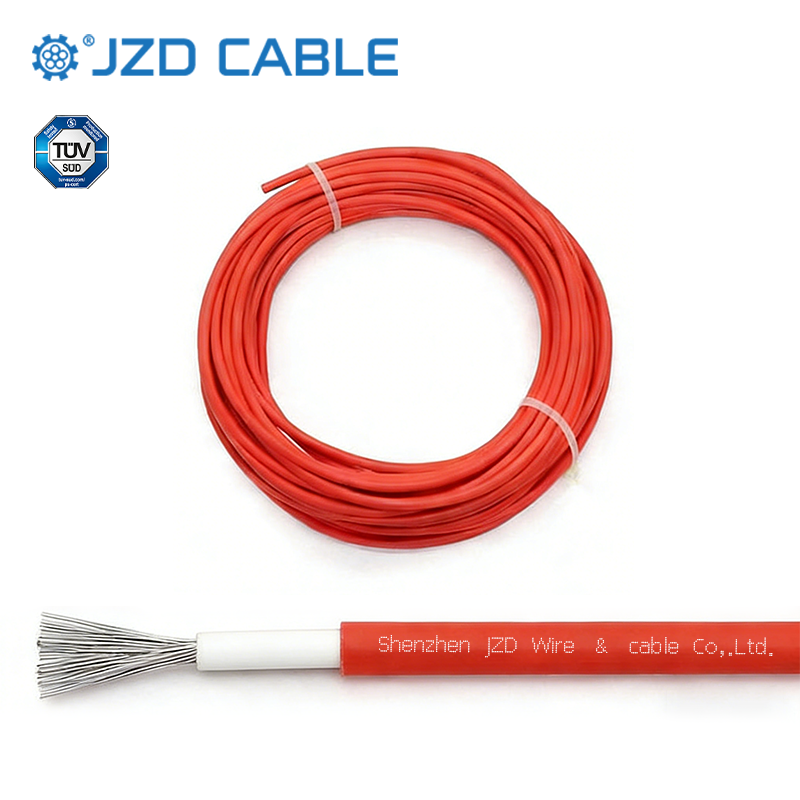
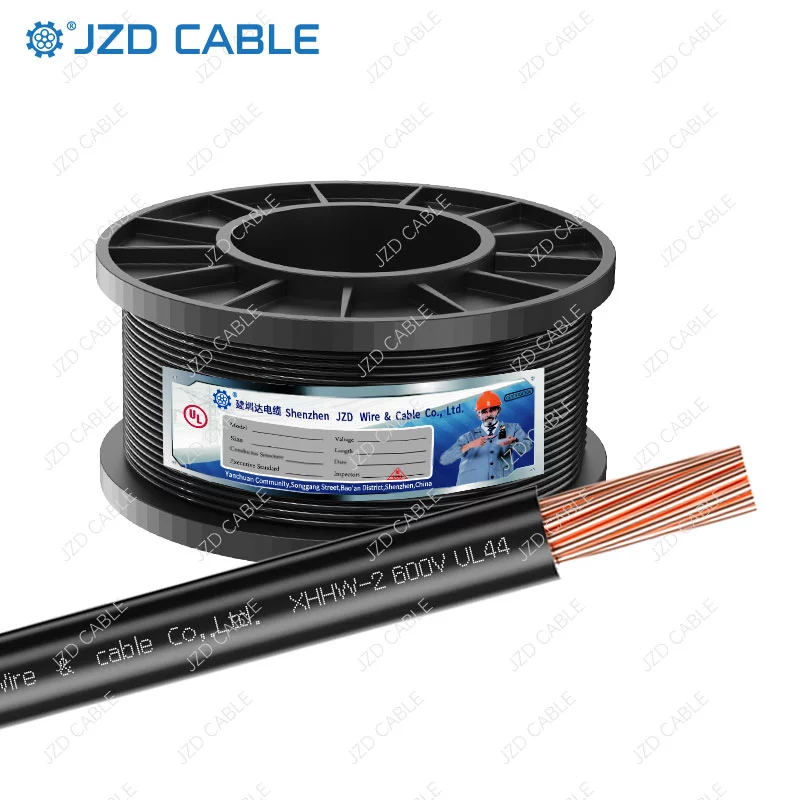
- Single-Core Cable: As the name suggests, it contains only one electrical conductor, typically made of copper or aluminum, surrounded by its own insulation and an outer protective sheath. This simple, straightforward design is its hallmark.
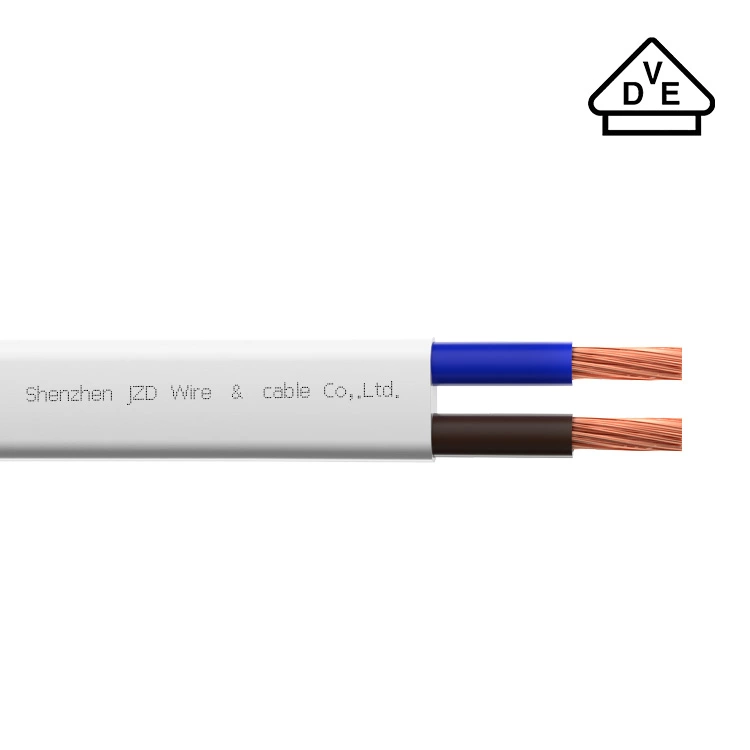
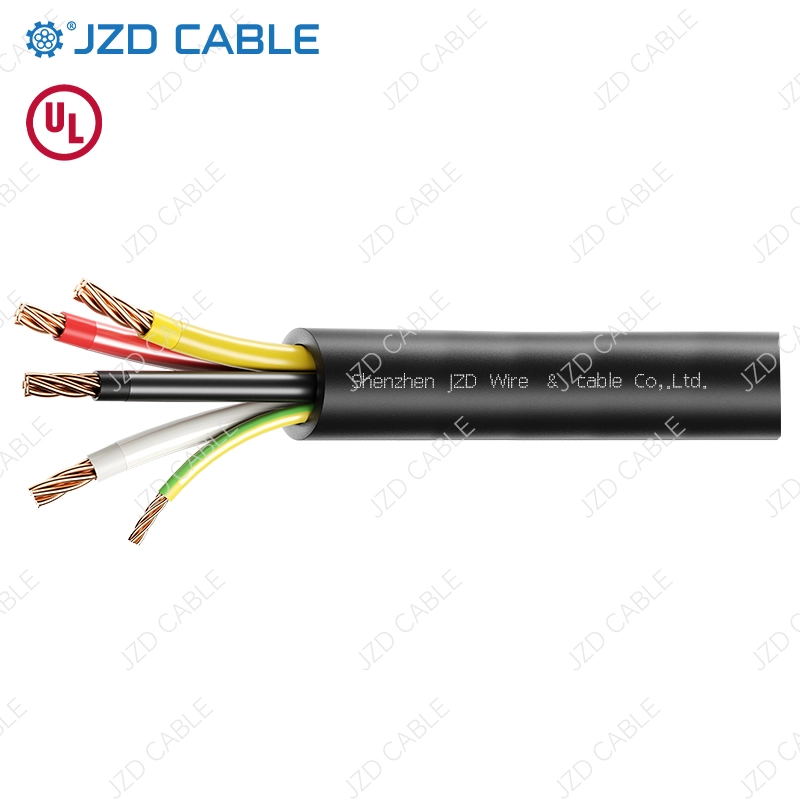
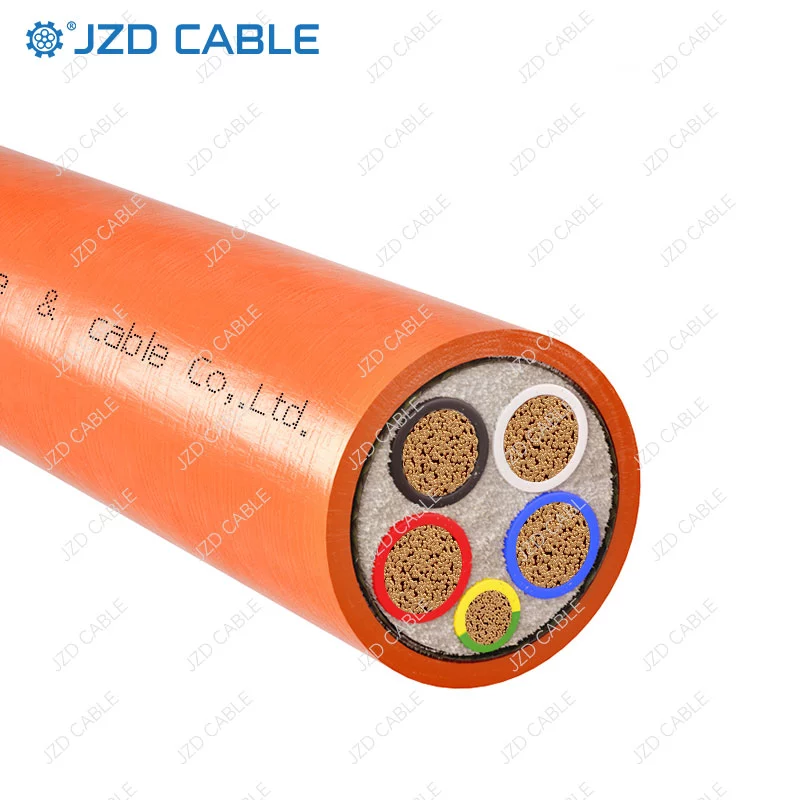
- Multi-Core Cable: This type integrates two or more insulated electrical conductors within a single common protective jacket. The individual conductors are often color-coded for identification and may be twisted together. Additional layers like screening, braiding, or fillers are common, resulting in a more complex structure.
Material & Cost Implication: The simplicity of a single-core cable often translates to a lower material cost per meter. Multi-core cables require more raw materials—multiple insulated conductors, collective shielding, and robust sheathing—which increases their base material cost.
2. Functional Comparison: Dedicated vs. Multifunctional
The core structure directly dictates the cable’s functional capabilities.
- Single-Core Cable: It is designed for a singular purpose. It excels in dedicated pathways for power transmission (e.g., building mains distribution, high-current feeds) or a single control signal. Its application is focused and efficient for its specific task.
- Multi-Core Cable: This is the versatile solution. It can carry power, data, control signals, and communication simultaneously within a single cable run. This makes it indispensable in complex machinery, automation panels, instrumentation, and networking systems where space saving and organized wiring are crucial. Its multifunctionality, however, often comes at a premium price, especially for cables with specialized performance ratings (e.g., shielded, armored, or certified to specific standards).
3. Installation, Performance & Safety: Key Practical Factors
Beyond structure and function, practical on-site considerations are vital.
- Heat Dissipation & Current Rating: For cables of the same cross-sectional area and type, single-core cables generally have better heat dissipation and a higher current-carrying capacity (ampacity) than multi-core cables. This is because the single, isolated conductor allows for more efficient cooling. In identical load or short-circuit conditions, a single-core cable tends to generate less heat, which can be a critical safety advantage in high-power applications.
- Ease of Installation:
- Handling & Termination: Single-core cables are easier to bend and maneuver in tight spaces. Cable termination (fitting end connectors) is also simpler due to the single conductor.
- Long-Distance Pulling: Here, the advantage can shift. A multi-core cable is often easier for long-distance pulls as it’s a single, integrated unit. Pulling multiple parallel single-core cables over a long distance requires careful management to avoid tangling and ensure equal tension, which can be more labor-intensive.
- Connection & Branching: The multi-core cable’s consolidated design simplifies connections at control panels, while single-core cables offer more flexibility for complex branching or tapping at different points.
4. Price Considerations: More Than Just the Per-Meter Cost
While multi-core cables typically have a higher initial purchase price per meter due to their complex construction, the total installed cost must be evaluated.
- Factors Influencing Price: For both types, price is affected by conductor material (copper vs. aluminum), cross-sectional area, insulation/jacket quality (e.g., PVC, LSZH), voltage rating, and compliance with standards (UL, CE, IEC, etc.).
- Total Cost of Ownership: Consider:
- Single-Core: Lower cable cost but potentially higher installation labor for multiple runs, plus the cost of additional conduits or trays.
- Multi-Core: Higher cable cost but potentially lower installation time and labor due to a single pull, and reduced need for auxiliary support systems.
The “cheaper” option is not always the most economical in the long run. The choice must be based on the specific application, technical requirements, and installation environment.
Conclusion: Making the Right Choice for Your Project
There is no universal “best” cable—only the most suitable one for your project’s needs.
- Choose Single-Core Cable when you need high-current power feeds, dedicated circuits, superior heat dissipation, and have a straightforward routing path. It’s ideal for main power distribution, residential wiring (as individual live, neutral, earth), and industrial high-load applications.
- Choose Multi-Core Cable when you need to transmit multiple signals or power sources within a compact space, require organized and reduced wiring complexity, and are installing in control systems, machine tools, instrumentation, or data networks.
Still Unsure? Consult the Experts at JZD Cable.
At JZD Cable, we specialize in manufacturing high-quality single-core and multi-core cables for diverse industrial and commercial applications. Our technical team can help you analyze your project specifications—considering voltage, current, environmental conditions, and flexibility requirements—to recommend the optimal, cost-effective cable solution.
Contact us today for a free consultation and quote. Let us help you power your project with reliability and efficiency. Visit our website at jzdcable.com or reach out to our sales team.