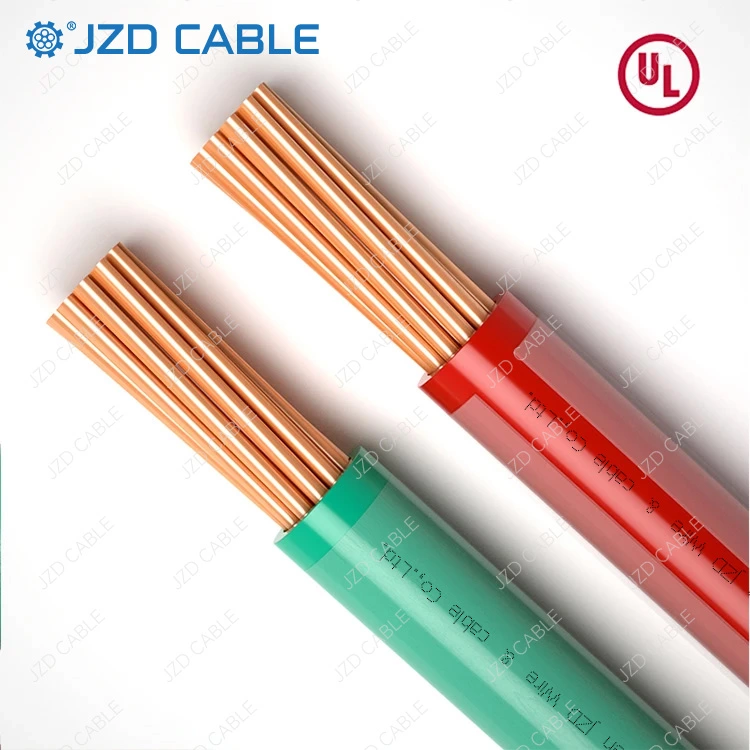



What is SIS Wire?
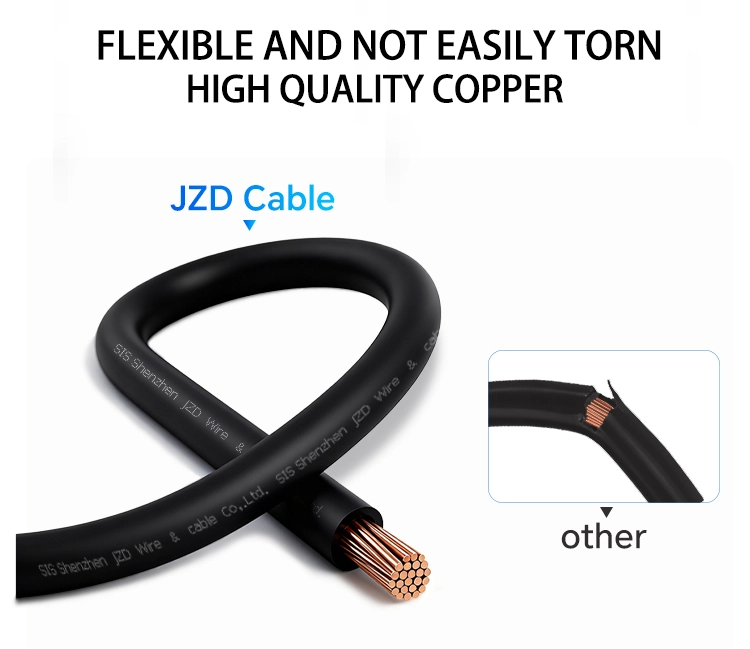
- Conductor: Typically uses stranded copper for flexibility within tight spaces.
- Insulation: Features cross-linked polyethylene (XLPE), a thermoset material known for its excellent thermal stability and resistance to deformation under heat.
- Key Ratings: Rated for 600 volts and can operate continuously at 90°C in dry locations.
- Standards: Certified under UL 44 and must pass stringent flame tests like VW-1.

What is SIS Cable Used For?
- Industrial Switchboards and Panelboards: For wiring circuit breakers, contactors, and relays.
- Control Panels and Motor Control Centers (MCCs): For control circuits, signaling, and power distribution within the cabinet.
- Instrumentation and Automation Systems: Connecting PLCs, sensors, and other control devices inside panels.
What is THHN Wire?
- T – Thermoplastic: The primary insulation material is PVC (Polyvinyl Chloride).
- H – Heat-Resistant: Rated for higher temperatures (common ratings are 90°C in dry locations and 75°C in wet locations).
- H – HH indicates a higher heat resistance than earlier versions.
- N – Nylon Coated: A thin, tough nylon jacket is extruded over the PVC insulation, providing superior resistance to abrasion, chemicals, and moisture.
What is THHN Wire Used For?
- Commercial and Residential Building Wiring: Powering outlets, lighting, and appliances within walls and ceilings.
- Machine and Equipment Wiring: Used in a wide array of industrial machinery and control systems (often where conditions are less extreme than those requiring SIS).
- Conduit and Duct Systems: Its smooth nylon jacket makes it easy to pull through long conduit runs.
- Wet Locations: When specifically rated as THWN or THHN-2, it can be used in wet or oily environments.
When to Use SIS Wire vs. THHN Wire: A Direct Comparison
|
|
|
|
|---|---|---|
|
|
|
|
|
|
|
|
|
|
|
|
|
|
|
|
|
|
|
|
|
|
|
|
|
|
|
|
|
|
|
|
When to Choose SIS Wire:
- For the internal wiring of any switchgear, panelboard, or control cabinet. This is its primary and intended use.
- When the application demands the highest thermal stability (90°C) in a dry, enclosed environment.
- When project specifications or industry standards explicitly call for UL 44 compliant SIS wire.
When to Choose THHN/THWN-2 Wire:
- For general-purpose building wiring routed through conduit in walls, ceilings, and floors.
- For applications that require a wet location rating.
- When cost-effectiveness and versatility are primary concerns for a project that doesn’t require the specialized pedigree of SIS.
- For longer runs inside conduit, where its smooth nylon jacket facilitates easier pulling.
Conclusion: Specialist vs. All-Rounder

-4-3.jpg)