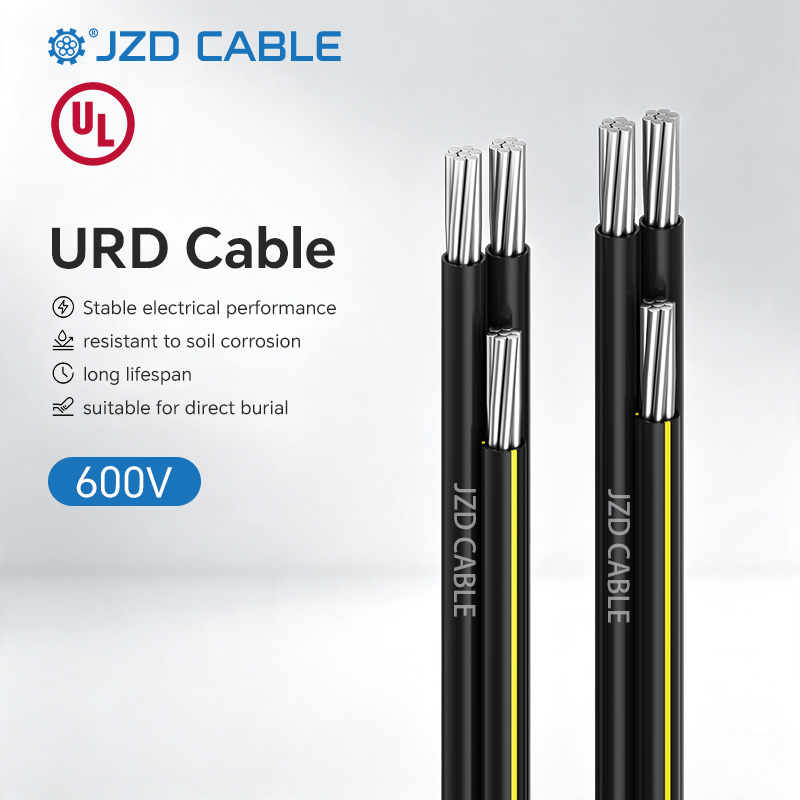



What is SIS Cable?
- Standard: UL 44
- Rating: 600 Volts
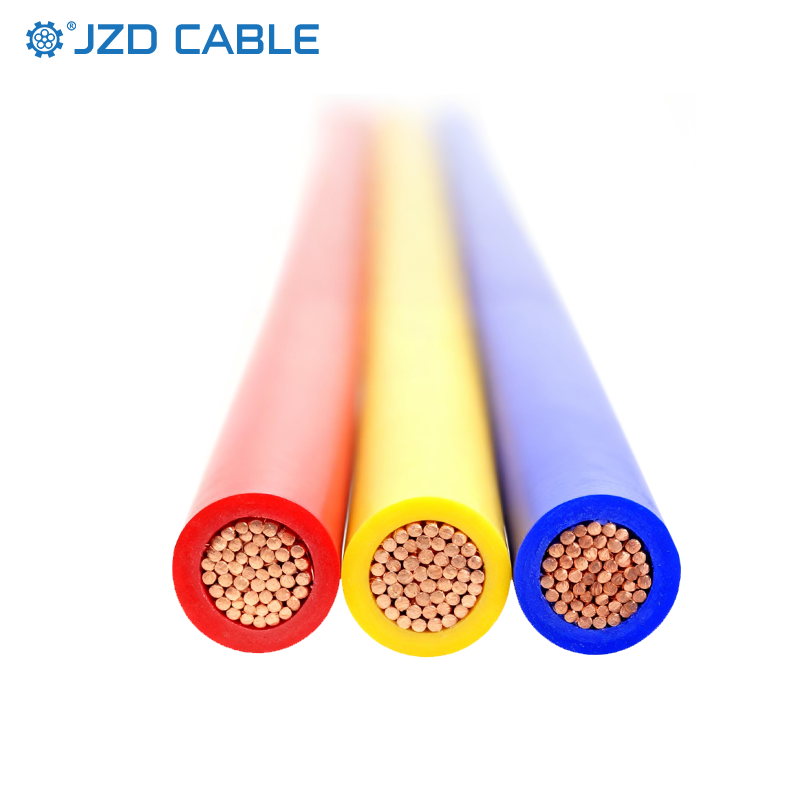
- Conductor: Typically made of soft annealed copper, complying with standard AWG (American Wire Gauge) sizes.
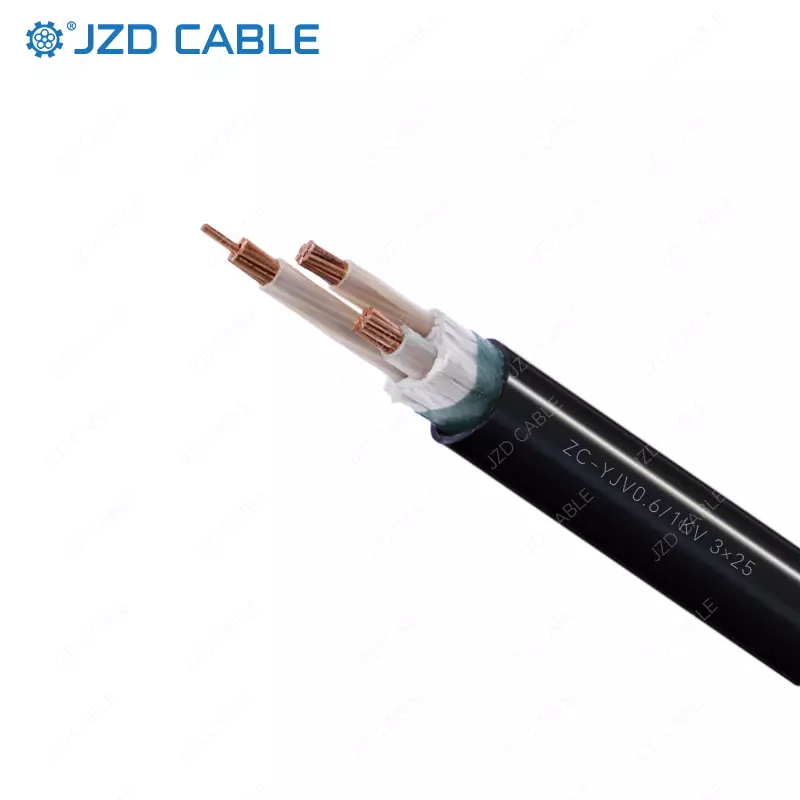
- Insulation: Made from thermoset materials like Cross-Linked Polyethylene (XLPE) , which provide excellent thermal and chemical resistance.
- Temperature Rating: A defining feature of SIS cable is its 90°C conductor temperature rating, both for dry locations and when damp or wet. This high-temperature capability is crucial for handling overloads and for use in warm environments.

Characteristics of SIS Cable
- Superior Thermal Stability: The thermoset insulation (e.g., XLPE) allows the cable to maintain its integrity and dielectric strength even at continuous temperatures up to 90°C. This prevents insulation melting or degradation that can lead to short circuits.
- Excellent Resistance to Elements: SIS cable is designed to withstand moisture, oil, and chemicals, making it suitable for various challenging environments within a data center, such as near cooling systems.
- High Mechanical Strength: The insulation and overall construction provide robust resistance to abrasion, impact, and crushing, ensuring longevity in dense cable trays and conduits.
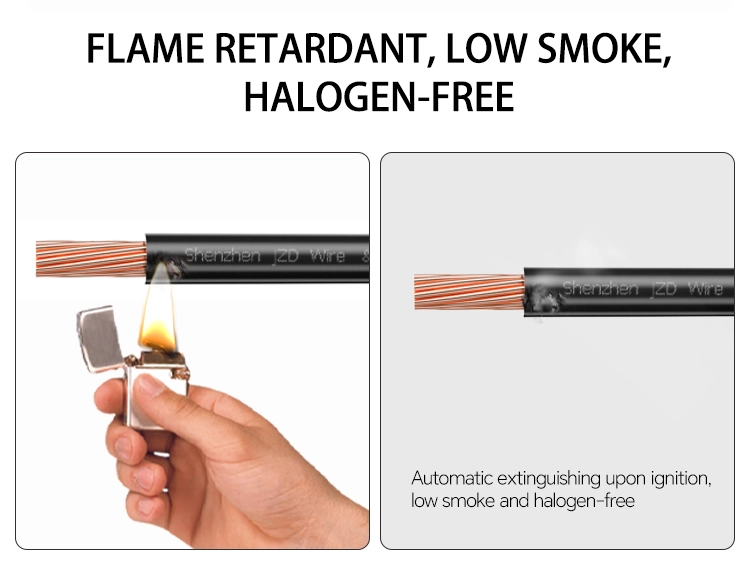
- Flame Retardancy: Compliant SIS cables exhibit strong flame-retardant properties, helping to prevent the spread of fire—a paramount safety concern in data centers packed with valuable equipment.
Why Data Centers Must Choose SIS Cable?
- Enhanced Safety and Reliability: The 90°C rating and robust construction of SIS cables mean they are less likely to fail under electrical stress or high ambient temperatures, directly reducing the risk of fire or equipment damage.
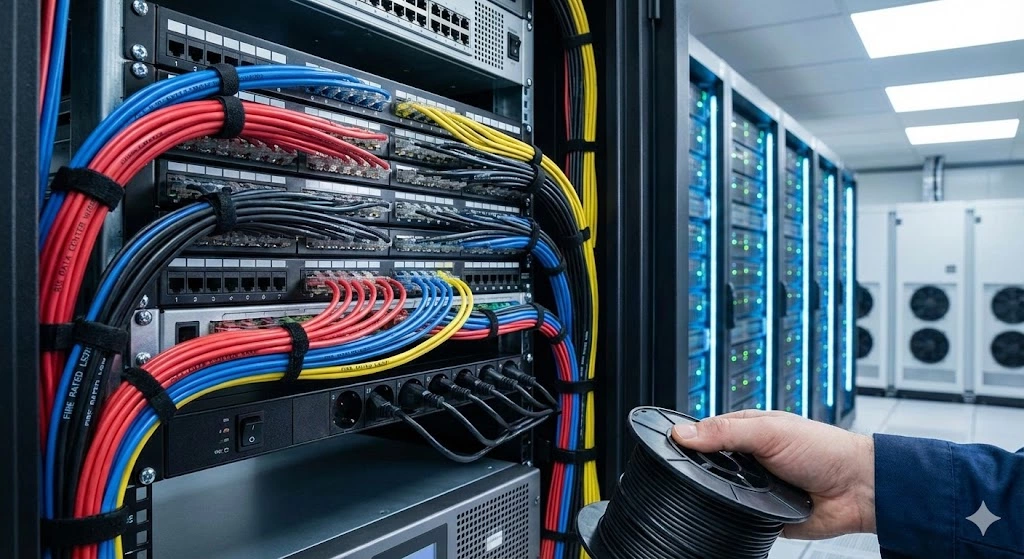
- Optimized for Power Distribution: SIS is ideal for feeding power to individual server racks, PDUs (Power Distribution Units), and critical control systems within the data center. Its 600V rating is perfectly suited for this task.
- Future-Proofing for Density: As data centers increase power density to support high-performance computing, the electrical loads on cables increase. SIS cables are engineered to handle these higher loads safely over the long term.
- Compliance and Insurance: Using UL-listed components like SIS cable helps data centers meet electrical codes and may simplify the insurance process by demonstrating a commitment to using certified, safe materials.
Considerations for Choosing Compliant SIS Cable
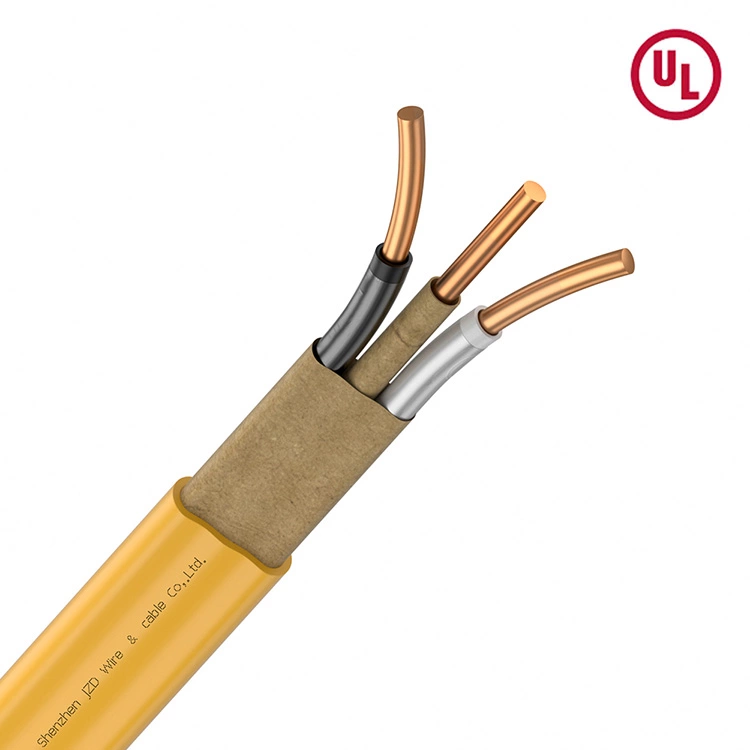
- UL Marking: The cable jacket must be clearly printed with designations like “SIS”, “UL 44”, voltage rating (600V), and temperature rating (90°C). Do not accept substitutes that lack these markings.
- Conductor Material and Size: Ensure the copper conductor is of high purity and the AWG size is correct for the current (ampacity) requirements of your application.
- Insulation Material: Verify that the insulation is a high-quality thermoset material. XLPE is a common choice for its balance of performance and cost.
- Reputable Manufacturer: Source your cables from established manufacturers like JZD Cable, who can provide test reports and certifications, ensuring the product you receive fully complies with the standard.