

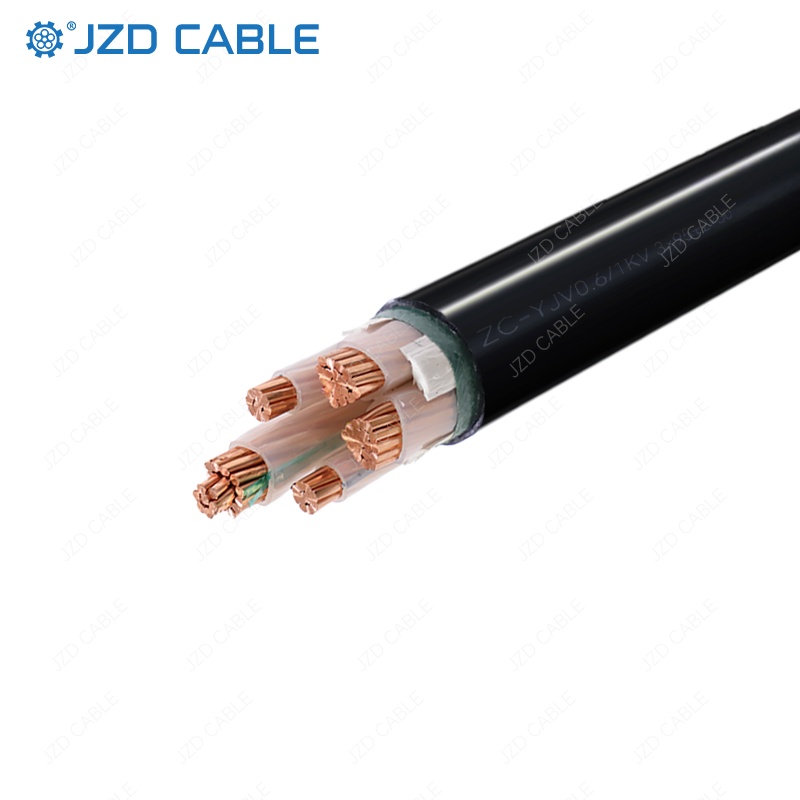
In the intricate web of a subway system, safety is paramount. Every component, down to the cables that power and control the network, plays a crucial role. For metro rail applications, Low Smoke Halogen-Free (LZSH/LSZH) cables are not merely a superior choice—they are a non-negotiable, life-saving mandate dictated by stringent global fire safety codes. Here’s an in-depth analysis of the four core reasons mandating the use of LZSH cables in underground mass transit systems.
1. Survival in Confined Spaces: Combating the Primary Killer – Smoke
Subway environments are inherently hazardous during a fire:
- Enclosed & Long Tunnels: Limited ventilation traps smoke and gases.
- High Passenger Density: Thousands of people need clear paths for evacuation.
Statistics show that in fires, over 80% of fatalities are caused by smoke inhalation and toxic gases, not the flames themselves.
- Standard PVC Cables: When burned, they produce dense black smoke (reducing visibility to zero in seconds) and release halogenated acid gases (like HCl). These gases are highly toxic, corrosive to the respiratory system, and spread rapidly with heat.
- LZSH Cables: Specifically engineered to emit extremely low levels of smoke and zero halogen-based acids. This provides vital minutes of clearer air and non-toxic atmosphere for safe evacuation, making it the cornerstone of subway fire safety regulations.
2. Ensuring Critical Systems Remain Operational
During a fire, the functionality of emergency systems is vital for disaster management. Subways must ensure continuous power for:
- Emergency Lighting
- Ventilation & Smoke Extraction Systems
- Signaling & Communication
- Escape Route Lighting
- Fire Pumps and Control Systems
- Standard Cable Failure: Ordinary cables can drip, propagate flame, and cause short circuits, leading to a catastrophic, total power failure early in a fire incident.
- LZSH Cable Performance: These cables are designed with superior flame-retardant properties. They resist flame spread, prevent dripping of burning material, and maintain circuit integrity longer under fire conditions. This ensures emergency life-support systems remain operational during the critical initial phase of a fire.
3. Protecting Vital Infrastructure from Corrosive Damage
The secondary, long-term economic impact of a fire is immense. PVC combustion releases hydrochloric acid (HCl) vapors, which form corrosive acids when mixed with moisture. This “acid smoke” causes severe damage to:
- Rolling Stock (Trains): Corroding electrical systems and chassis.
- Signaling & Control Equipment: Damaging sensitive electronics.
- Tunnel Structural Elements: Corroding steel reinforcements and fixtures.
- Platform Screen Doors, PLCs, and Telecommunications Gear.
- LZSH Cable Advantage: By eliminating halogen materials, LZSH cables do not produce these corrosive acid gases. This drastically reduces post-fire equipment damage, allowing for faster recovery, lower repair costs, and salvageable assets, protecting the massive capital investment in metro infrastructure.
4. Compliance with Global Metro Safety Standards
The use of LZSH cables in transit systems is enshrined in law and international best practice. It is a strict, enforceable requirement across all major codes:
- GB 50157 – Code for Design of Metro
- GB 50016 – Code for Fire Protection Design of Buildings
- NFPA 130 – Standard for Fixed Guideway Transit and Passenger Rail Systems (USA)
- IEC 60332 & IEC 60754 – International Standards for Flame Propagation and Halogen Acid Gas Emission
These regulations unequivocally mandate that power, control, signal, and communication cables used in underground and enclosed rail areas must be Low Smoke Halogen-Free (LZSH/LSZH) and possess certified flame-retardant properties. Using non-compliant cables is a direct violation of safety codes and jeopardizes project approval and operational licensing.
Conclusion: A Foundational Safety Investment
Choosing LZSH cables for a subway system is a fundamental decision for life safety, asset protection, and regulatory compliance. It addresses the unique triple threat of confined spaces, high occupancy, and critical system dependence. For any metro project, specifying LZSH cables is the only responsible path forward.
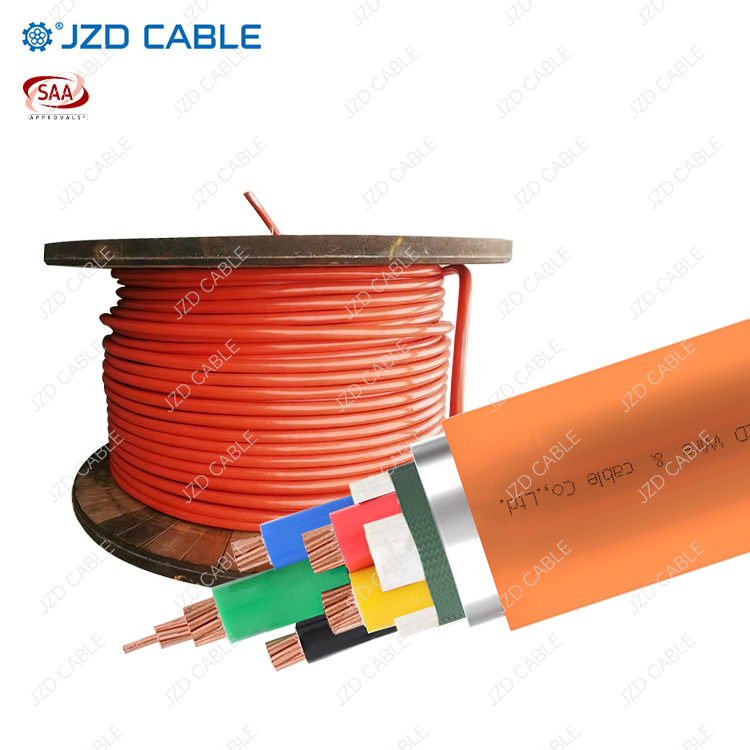
JZD Cable specializes in manufacturing high-performance, fully certified LZSH/LSZH cables that meet and exceed the requirements of global metro safety standards. Ensure your project’s safety and compliance with our reliable cable solutions.