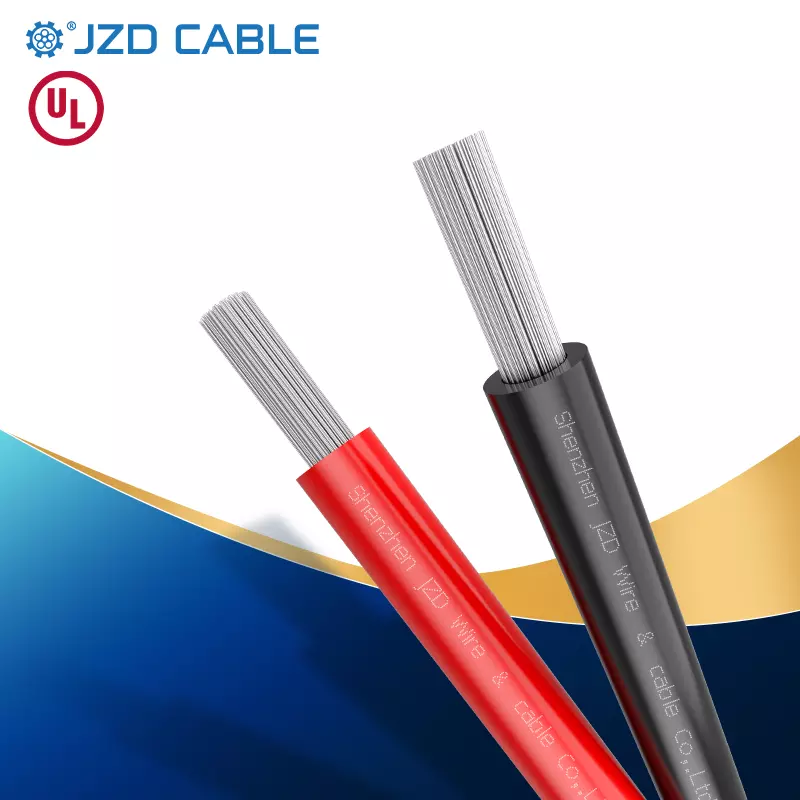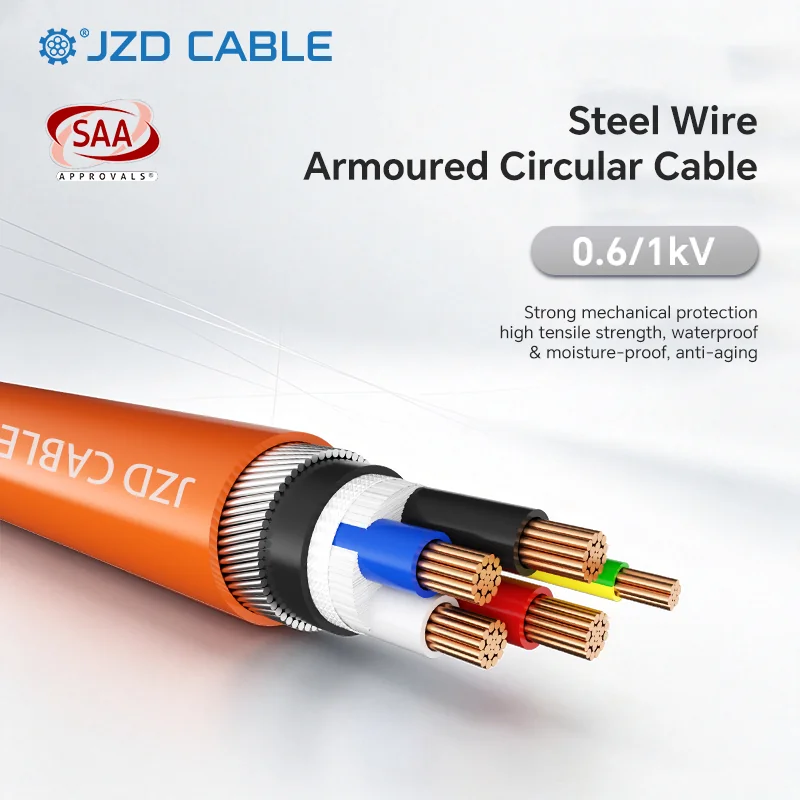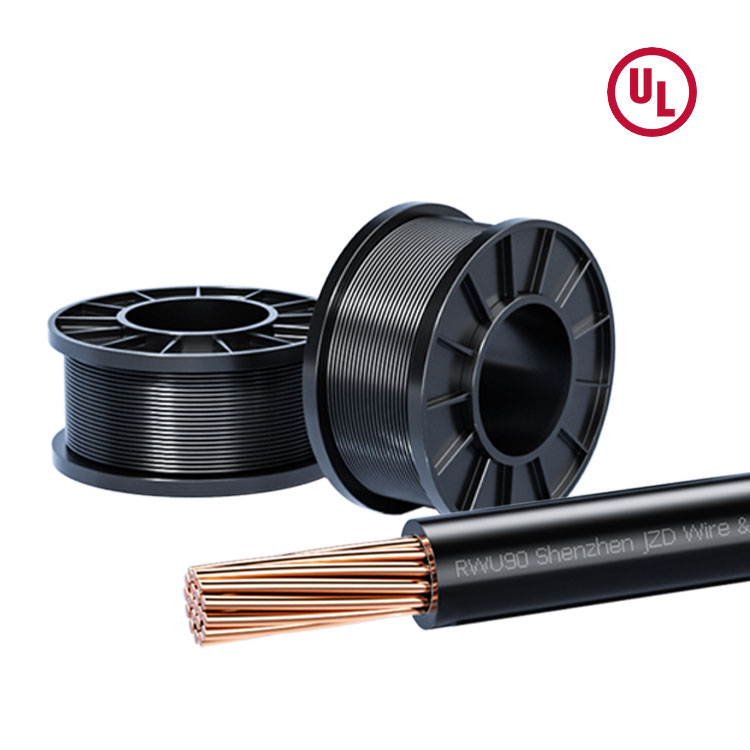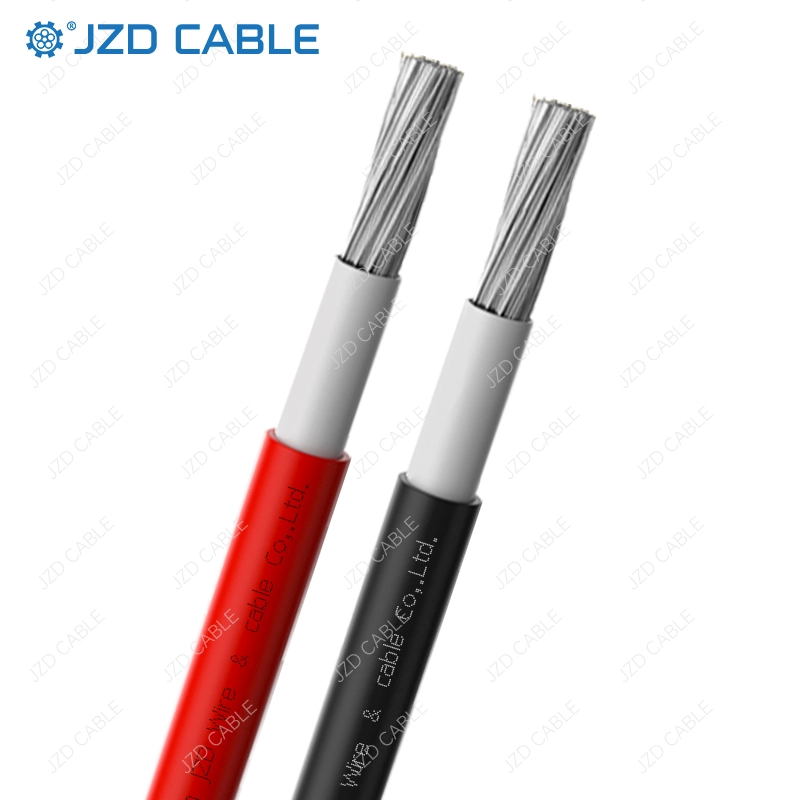


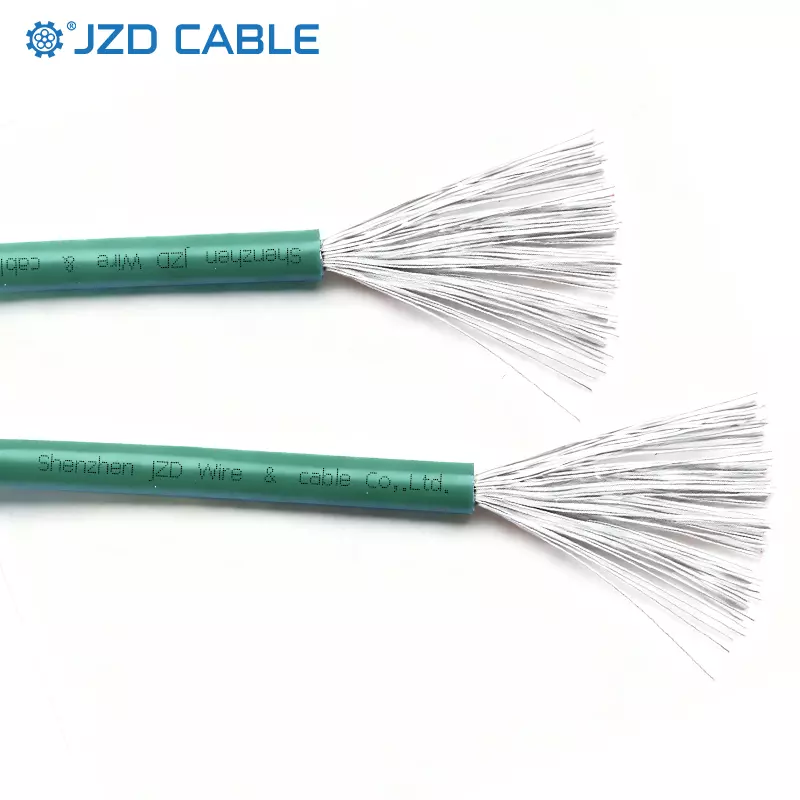
Is your data center wrestling with hotspots, tangled cables, and frustrating maintenance windows? Behind the sleek doors of server cabinets, improper cabling can silently strangle airflow, create thermal bottlenecks, and turn routine upgrades into a nightmare. The culprit is often overlooked: the cables themselves.
Choosing the right cable is not just about connectivity; it’s a critical infrastructure decision that directly impacts cooling efficiency, operational resilience, and total cost of ownership. For high-density racks, cold/hot aisle containment, and complex top/bottom-of-rack cabling, the wrong cable exacerbates core pain points: poor cooling, clutter, difficult maintenance, and high airflow resistance.
The solution starts with cables engineered for the modern data center environment. Here are the 7 essential cable characteristics your next cabling project must have.
1. Low Smoke Zero Halogen (LSZH) & Flame Retardant (The Safety Foundation)
- Standard Specifications: WDZ, WDZB, WDZC grade LSZH materials.
- Why It’s Essential: In a fire, traditional PVC jackets produce thick, toxic smoke and corrosive gases, obscuring escape routes and destroying sensitive server components. LSZH cables minimize smoke density and emit no halogenated acids, protecting both personnel and multi-million dollar IT assets. Never use standard PVC-jacketed cables in confined cabinet spaces.
2. Small Diameter & Thin-Wall Insulation (The Core Cooling Enabler)
- How It Works: Utilizing thin-wall cross-linked insulation and compact conductor stranding reduces the overall cable diameter without sacrificing performance.
- Cooling Impact: Smaller cables take up less space, reducing the “blockage” in critical front-to-rear or vertical airflow paths within the cabinet. This lowers air pressure drop (wind resistance), allowing cooling systems to work more efficiently and preventing hot air recirculation.
3. Lightweight & Highly Flexible (Boosts Installation & Maintenance Efficiency)
- Key Features: Fine-stranded conductors paired with flexible, high-grade jacketing result in a small minimum bend radius.
- Practical Benefit: Cables easily navigate tight spaces around cabinet corners, through vertical managers, and within crowded cable trays. This flexibility makes bundling, dressing, and routing in top/bottom configurations faster, drastically reducing installation and reconfiguration time during MACs (Moves, Adds, Changes).
4. Low Heat Generation & Low-Loss Materials
- Material Science: Insulation and sheathing made from XLPE, TPE, or premium LSZH compounds have superior thermal properties.
- The Result: They generate less inherent heat and, combined with stable conductor resistance, ensure lower temperature rise in power delivery loops. In dense bundles, this prevents additive heat buildup, eliminating local “hot spots” that can throttle server performance.
5. Long-Term Aging Resistance
- The Challenge: Data centers are 24/7 environments with constant, elevated ambient temperatures.
- The Cable Requirement: Cables must resist thermal aging, resist plasticizer migration (which causes hardening), and prevent cracking. This ensures insulation integrity over years of service, avoiding premature shorts in the closed, heated environment of a fully loaded cabinet.
6. Classified Shielding & Anti-Interference
- The Strategy: Segregate power, control, and data (copper/fiber) cables.
- The Execution: Use shielded cables for sensitive servo, control, or communication lines as needed. Proper separation and shielding prevent EMI/RFI from high-current power cables from disrupting network signals, ensuring data integrity and reducing packet loss or disconnections.
7. High-Density Compatibility & Standardized Construction
- For Organization: Cables with stable, uniform lay lengths and paired/grouped conductors are easier to dress neatly in finger ducts, horizontal/vertical managers, and raceways.
- For Durability: The outer jacket must be abrasion-resistant and withstand the pressure of repeated cable ties and long-term confinement without degrading, ensuring a reliable, neat installation for the lifecycle of the rack.
How Cable Selection Directly Improves Thermal Management
Your cable choice is a direct lever for cooling efficiency. Here’s how:
- Prioritize LSZH Thin-Wall Cables: These can reduce cross-sectional area by 15-25% compared to standard PVC cables. Less space occupied means clearer airflow pathways.
- Eliminate Oversized, Non-Standard Cables: Avoid cables with unnecessarily thick, non-standard jackets. They act like bricks in your cabinet’s ventilation channels, blocking critical exhaust paths.
- Implement Zonal & Layered Separation: Route high-power feeds (UPS, PDU) separately from data cables. Keep high-heat power lines to the sides of cabinets, never blocking server air intakes.
- Choose Low Thermal Conductivity Insulation: Materials like XLPE have a much lower dielectric loss and thermal gain than PVC, reducing the collective heat contribution from dense cable bundles.
- Right-Size Conductors & Eliminate Excess: Match the cable gauge precisely to the load. Avoid “oversizing” as a blanket policy, as the extra copper and insulation add unnecessary volume and heat mass.
Enhancing Operational Efficiency: Cabling & Installation Best Practices
The right cable enables superior workflow. Combine these features with smart practices:
-
Leverage High-Flexibility Cables: They simplify final dressing in cramped quarters, making future changes or troubleshooting faster and less disruptive.
-
Use Color Coding & Clear Printing: Differentiate power, network, and fiber cables by color and clear, permanent legends. This enables instant visual identification, speeding up audits, repairs, and expansions.
-
Opt for Smooth, Durable Jackets: Cables designed for high-density use allow for neat bundling with ties or combs and resist damage from friction in raceways, maintaining a clean, professional, and safe installation.
-
Consider Pre-Terminated Assemblies: For jumpers (DACs, AOCs) and power cords, factory-terminated options guarantee performance, reduce on-site labor, and eliminate field termination errors.
Conclusion: In the ecosystem of a data center, every component matters. Cabling is the circulatory system, and its design profoundly impacts health—thermal and operational. By specifying cables that are LSZH, small-diameter, flexible, low-heat, and durable, you transform your cabinet from a potential hotbox into a model of efficiency, reliability, and maintainability.
Upgrade your cabling strategy. Contact JZD Cable today to explore our comprehensive range of data center-optimized cable solutions designed to meet these critical challenges. Visit jzdcable.com for more technical resources and product specifications.