

Have you ever looked inside an electrical panel and wondered about the rainbow of wire colors? In the world of THHN cable, these colors are far more than just a visual aid—they are a critical safety language. Adhering to standardized color codes, primarily set by the National Electrical Code (NEC) in the US and the Philippine Electrical Code (PEC), prevents dangerous mistakes, ensures faster troubleshooting, and is mandatory for code-compliant installations.
This guide will decode the standard insulation colors for THHN wire, explaining their designated roles in both common and complex systems.
Part 1: Core Color Definitions (NEC / PEC Standards)
Understanding the fundamental purpose of each color is the first step to safe wiring.
1. Phase/Hot Conductors (Live, Current-Carrying)
These wires carry voltage from the source to the load.
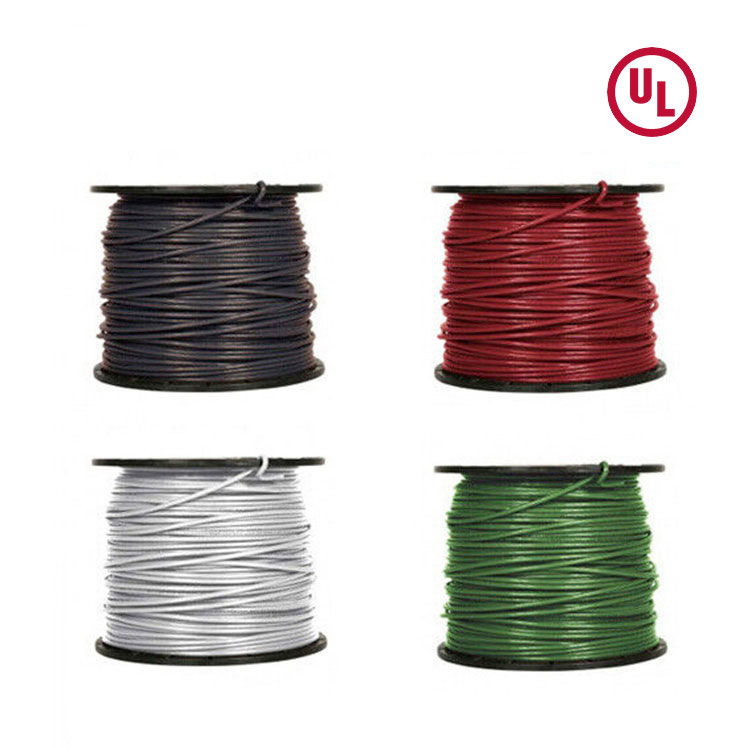
Black:
- Standard Use: The universal color for the first “hot” leg. In a single-phase system, it’s the primary live wire. In a three-phase system, it typically denotes Phase 1 (L1).
- Common Applications: General branch circuits for lighting and outlets in homes, small appliances, and as a primary feed.
Red:
- Standard Use: Designates the second “hot” leg. In a split-phase (240V) system, it’s the second live wire. In three-phase, it’s Phase 2 (L2). It’s also used to identify a separate circuit or a switched leg in multi-wire branch circuits.
- Common Applications: Large appliances (dryers, stoves), dedicated AC unit circuits, and traveler wires in three-way switches.
Blue:
- Standard Use: Commonly used for Phase 3 (L3) in a three-phase power system. It is also frequently specified for control circuits, 24V DC wiring, or in UPS/mechanical system installations.
- Common Applications: Three-phase motors, industrial machinery, control panels, and automation systems.
Orange:
- Standard Use: Often indicates the high-leg in a 240/120V delta three-phase system (where it carries 208V to neutral). More broadly, it can signify a 480V circuit or a distinct high-voltage branch.
- Common Applications: Industrial and commercial facilities with high-leg delta services, substation wiring, and large machine tools.
2. Neutral Conductor (Grounded Current-Carrying)
This wire completes the circuit by carrying current back to the source. It is grounded (at zero potential) at the main panel.
White or Gray:
- Standard Use (NEC/PEC): White is the universally mandated color for the neutral conductor in standard 120/240V systems. Gray is an approved alternate for the neutral, often seen in larger gauge wires or to distinguish between multiple neutral buses in complex systems.
- Key Rule: The neutral must never be used as a hot wire. If a white wire is used as a hot (e.g., in a switch loop), it must be permanently re-identified with tape or paint at all terminations.
3. Equipment Grounding Conductor (Safety Ground)
This wire provides a safe path for fault current, triggering the breaker to trip in case of a short. It carries current only under fault conditions.
Green or Green with a Yellow Stripe:
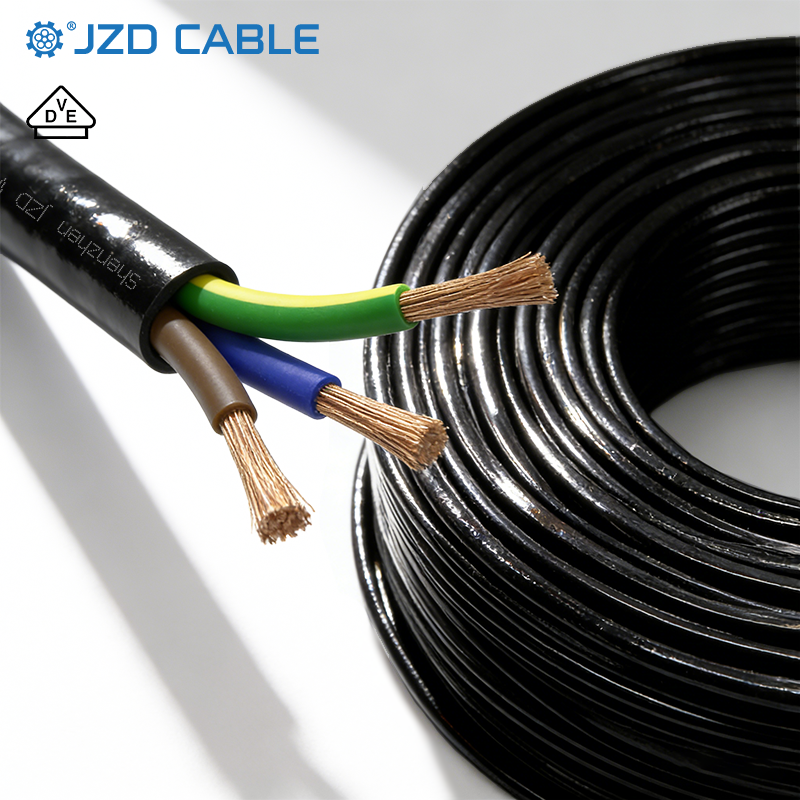
- Standard Use: Solid Green is the standard for equipment grounding in North America. Green with a Yellow Stripe is the international (IEC) standard and is commonly used in the Philippines and other regions following IEC conventions.
- Application: Connects to device enclosures, metal junction boxes, and grounding bars to prevent electric shock.
Part 2: Standard Color Scheme for Three-Phase Systems
For a standard three-phase, four-wire plus ground system (e.g., 208Y/120V or 480Y/277V), the established color code is:
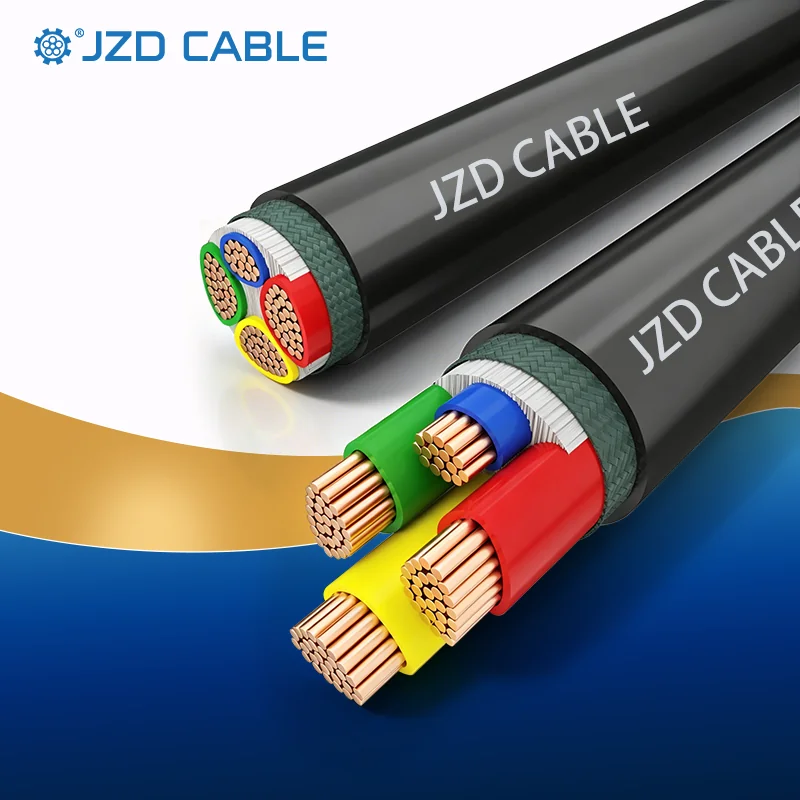
- Phase 1 (L1): Black
- Phase 2 (L2): Red
- Phase 3 (L3): Blue
- Neutral (N): White (or Gray)
- Ground (PE): Green or Green/Yellow
Part 3: Additional Colors for Control & Specialized Circuits
Beyond power distribution, other colors are used for control, signaling, and complex multi-branch systems.
- Yellow: Frequently used for control circuit “hot” legs, switch legs for lighting, and emergency circuits.
- Brown, Orange, Violet: Often designated for higher voltage phases (e.g., 480V), DC power (positive/negative), or as travelers in complex control wiring.
- Pink, Tan, Other Colors: Used for identification in multi-wire control cables, fire alarm circuits, or other specialized low-voltage systems to distinguish them from standard power wiring.
Choosing the Right THHN Wire Colors
Selecting the correct color is not optional—it’s a safety and code requirement. Always:
- Consult the Local Code: Always follow the NEC (for US projects) or PEC (for Philippine projects). Local amendments may exist.
- Match the System: Use the correct scheme for your system voltage (single-phase, three-phase, with/without high-leg).
- Plan for Identification: In complex panels, use colored tape or markers for clear identification beyond the base insulation color.
- Never Re-purpose a Ground or Neutral: The green/green-yellow and white/gray colors are reserved for safety. Misusing them can create lethal hazards.
Simplify Your Project with JZD Cable
Understanding wire color codes is essential for a safe, compliant installation. At JZD Cable, we supply a full spectrum of high-quality, standard-compliant THHN/THWN-2 wires in all required colors for both NEC (UL) and PEC (Philippine) projects. Ensure clarity, safety, and compliance on your job site—contact us today for the right cable in the right color for your application.