

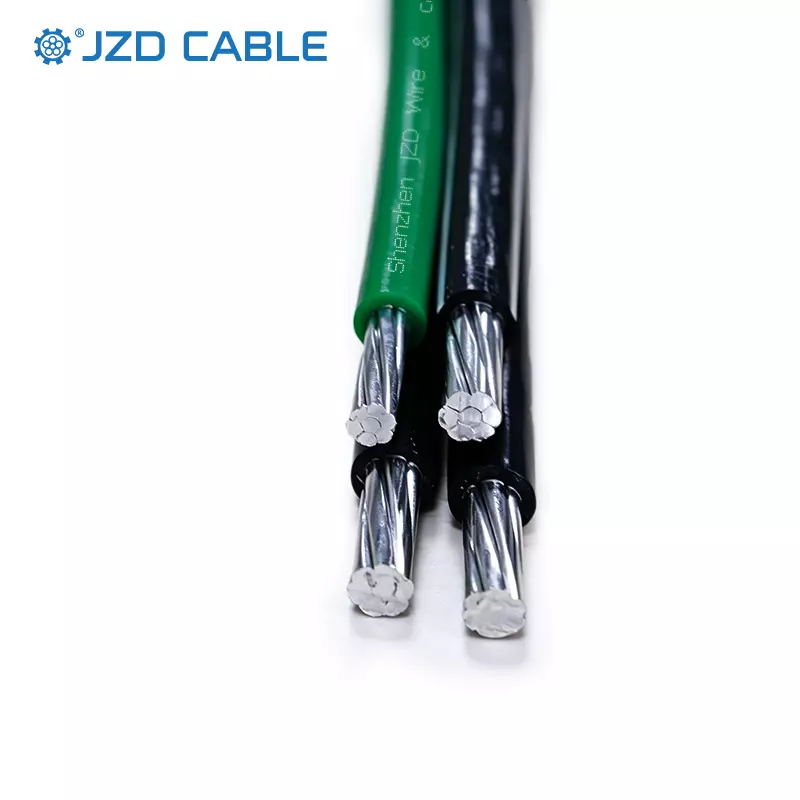
Navigating cable specifications for underground installations can be complex. Two common designations in the US standard system are URD and USE-2 cables. While both are designed for direct burial, they serve distinct roles in the power distribution chain. Choosing incorrectly can lead to inefficiencies or code compliance issues. This guide clarifies the key differences between URD and USE-2 cable, helping you specify the correct type for your project’s phase—from utility distribution to the final service entrance.
Core Definitions: Category vs. Certification
Understanding the fundamental nature of each cable is the first step to correct selection.
1.URD Cable (Underground Residential Distribution):
- What it is: A category or structural classification for cables used in underground power distribution. The name describes its primary application.
- Voltage: Commonly 600V (low-voltage) or 5-35kV (medium-voltage).
- Core Structure: Typically features aluminum conductors (for cost-efficiency) with XLPE insulation, and crucially, includes an insulated or concentric neutral conductor. It is designed as a complete multi-conductor assembly for distributing power.
2.USE-2 Cable (Underground Service Entrance):
- What it is: A specific cable type and UL certification. The “-2” denotes a 90°C rating in both wet and dry locations.
- Voltage: 600V.
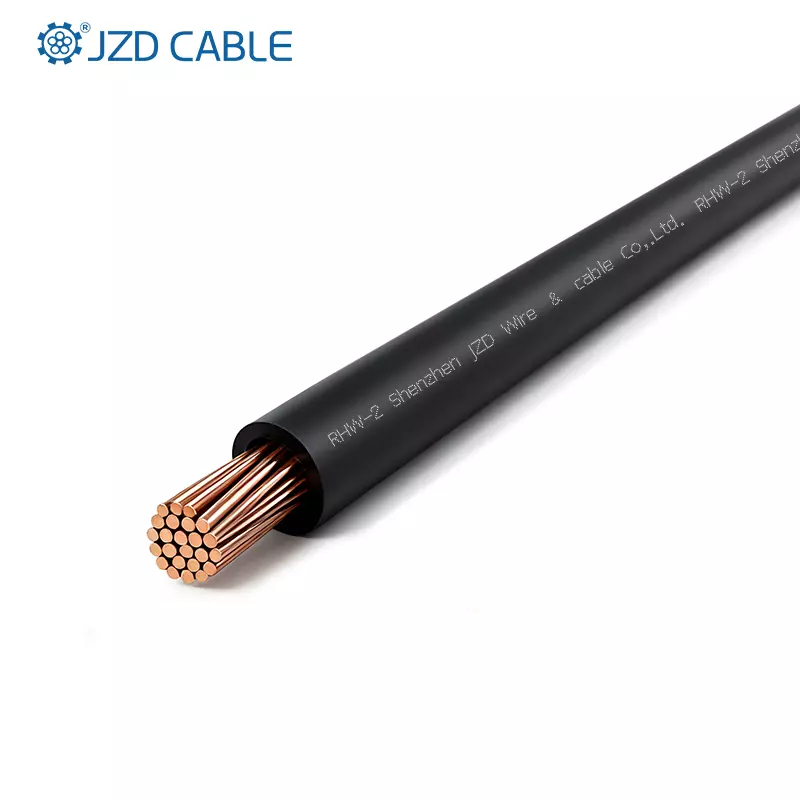
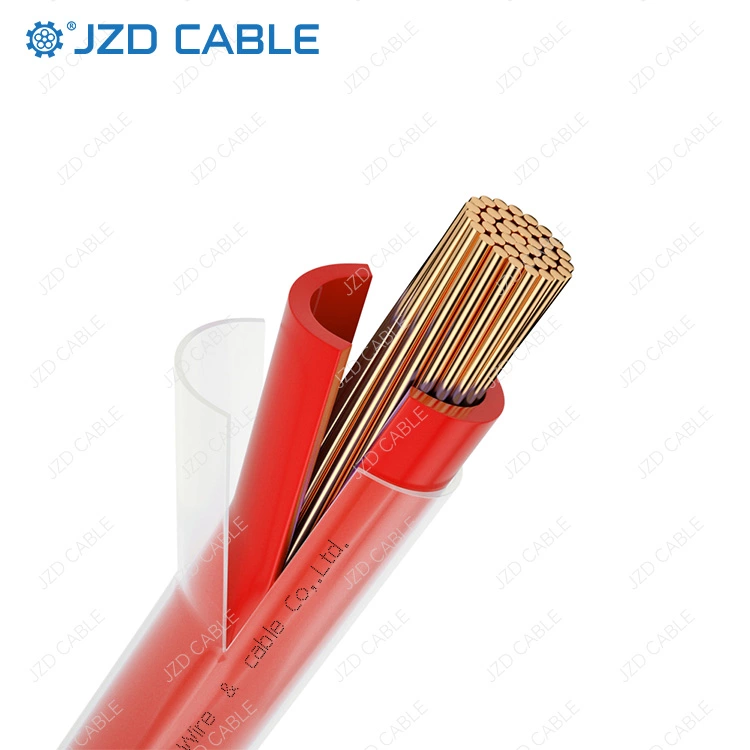
- Core Structure: A single-conductor cable (copper or aluminum) with a robust XLPE insulation that also acts as its jacket. It is designed for point-to-point runs, such as from a tap to a meter.
Key Differences: A Detailed Comparison
|
Feature
|
URD Cable
|
USE-2 Cable
|
|---|---|---|
|
Full Name
|
Underground Residential Distribution
|
Underground Service Entrance -2
|
|
Essence
|
Application / Structure Category
|
Specific Type & UL Certification
|
|
Typical Construction
|
Multi-Conductor (e.g., 2, 3, or 4 conductors) with a separate neutral.
|
Single-Conductor. No separate jacket; XLPE is both insulation and sheath.
|
|
Conductor
|
Almost exclusively Aluminum (cost-effective for distribution).
|
Copper or Aluminum available.
|
|
Neutral Conductor
|
YES. Includes an insulated or concentric neutral wire.
|
NO. It is a single conductor; a neutral must be run separately if needed.
|
|
Common Markings
|
Often printed with USE-2, RHW-2, UL.
|
Must be marked USE-2 (often triple-listed as RHH/RHW-2/USE-2).
|
|
Temp Rating
|
90°C (Wet & Dry)
|
90°C (Wet & Dry)
|
|
Typical Configurations
|
2×1/0+2 AWG, 3×4/0+1/0 AWG (phasor + neutral)
|
14 AWG ~ 4/0 AWG (single conductor)
|
|
Primary Application
|
Distribution Feeder: Transformer to street/neighborhood.
|
Service Entrance / Branch: Transformer to meter, PV DC lines, outdoor feeders.
|
|
Key Standards
|
ICEA S-105-692, UL 854
|
UL 854, NEC Article 338, ICEA S-105-692
|
Important Note:Many URD cables carrythe USE-2/RHW-2 listing, meaning they are certified for use in service entrance applications. This is why the terms are often mentioned together. However, not all USE-2 cables are constructed as multi-conductor URD cables.
Application & Installation: Where Each One is Used
1.URD Cable: The Distribution Backbone
- Role: Focuses on the utility distribution level. It carries power from a substation or pad-mounted transformer to secondary panels serving a group of homes, a street, or a commercial complex.
- Installation: Used in underground ducts, conduits, or direct-buried as primary or secondary distribution feeders. Its integrated neutral makes it a complete “wiring system” for this phase.
2.USE-2 Cable: The Service Entrance & Branch Specialist
- Role: Focuses on the end-point connection and internal building wiring. Its primary use is the final “service drop” from a utility connection point to a building’s meter.
- Installation: Used for direct burial, in conduit, or exposed (where sunlight resistant) for:
- Service Entrance: The final run to a residential or commercial meter.
- Photovoltaic Systems: As the DC circuit cable connecting solar panels (per NEC 690).
- Branch Feeders: Supplying power to outdoor equipment like pumps, lights, or EV chargers.
Conclusion: How to Choose the Right Cable
Think of it in terms of the electrical system’s flow:
- Choose URD Cable when you are working on the distribution side—installing a multi-conductor feeder cable that includes a neutral, typically from a transformer to a distribution point for multiple buildings. It’s the “trunk line.”
- Choose USE-2 Cable when you are making the final service connection (a single conductor from a tap to a meter) or for specific point-to-point branch circuits like solar DC lines or outdoor equipment feeds. It’s the “branch line.”
Simplified Rule: For a complete, ready-to-install multi-conductor assembly that includes a neutral, you specify a URD cable with USE-2/RHW-2 listing. For single-conductor runs, especially in solar or as individual service entrance legs, you specify single-conductor USE-2 cable.
Ensure your project uses the correctly specified cable. Whether you need multi-conductor URD for distribution or single-conductor USE-2 for service entrance and solar applications, JZD Cable provides high-quality, UL-listed solutions. Contact us today to discuss your project requirements or visit our website at jzdcable.com to explore our product range.