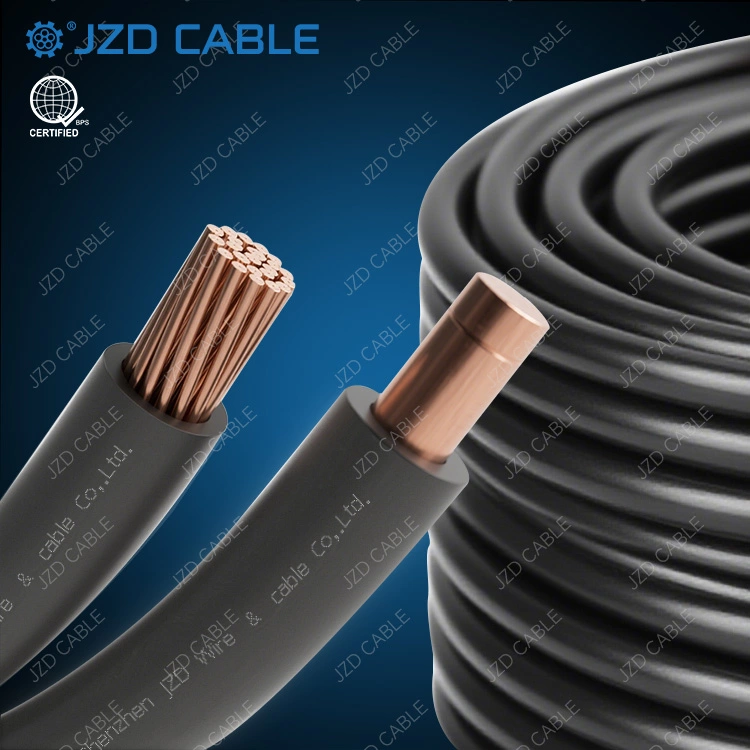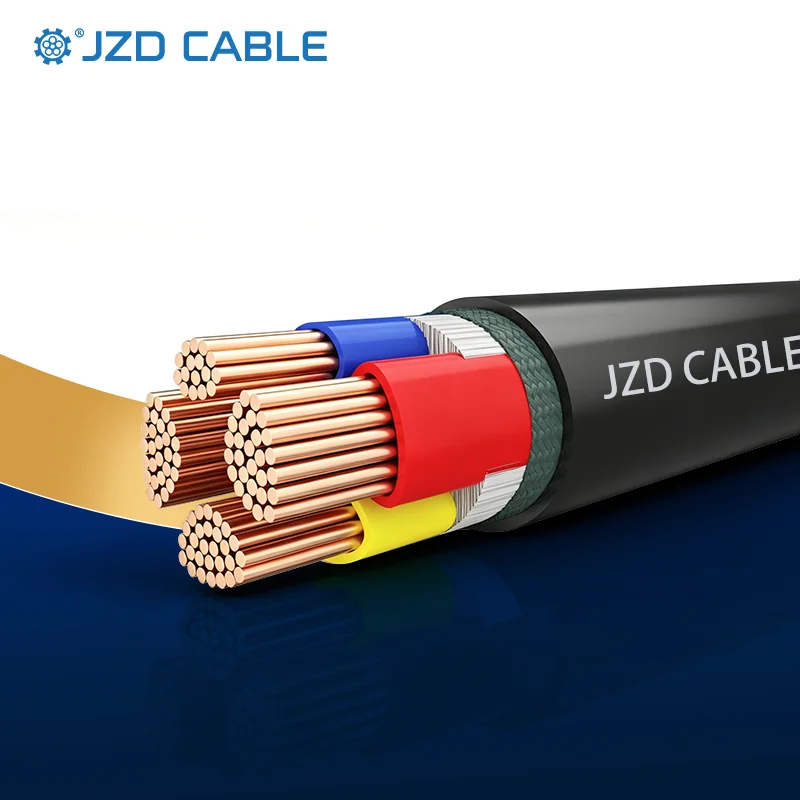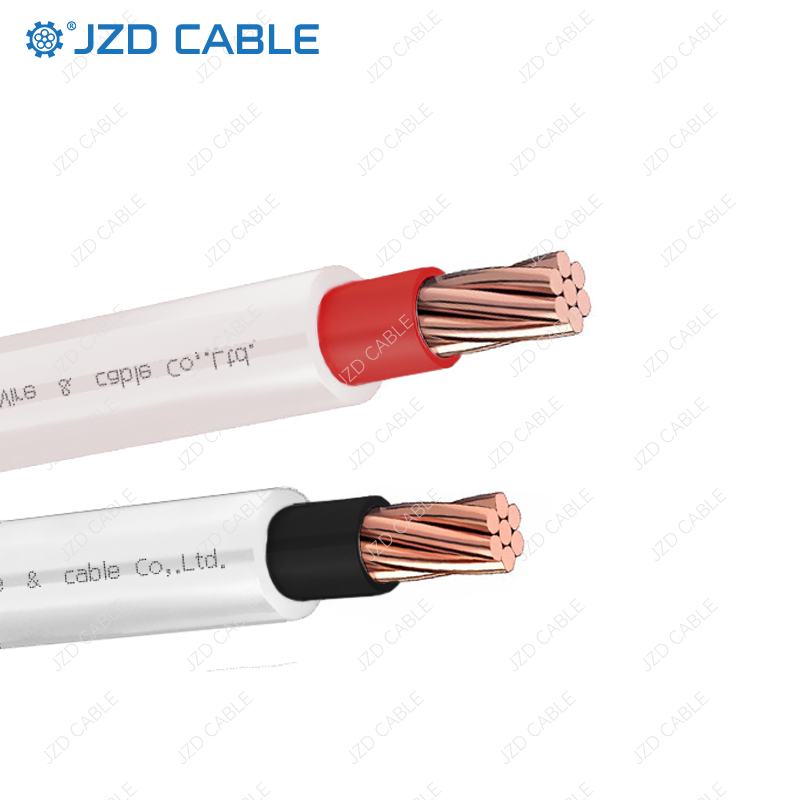


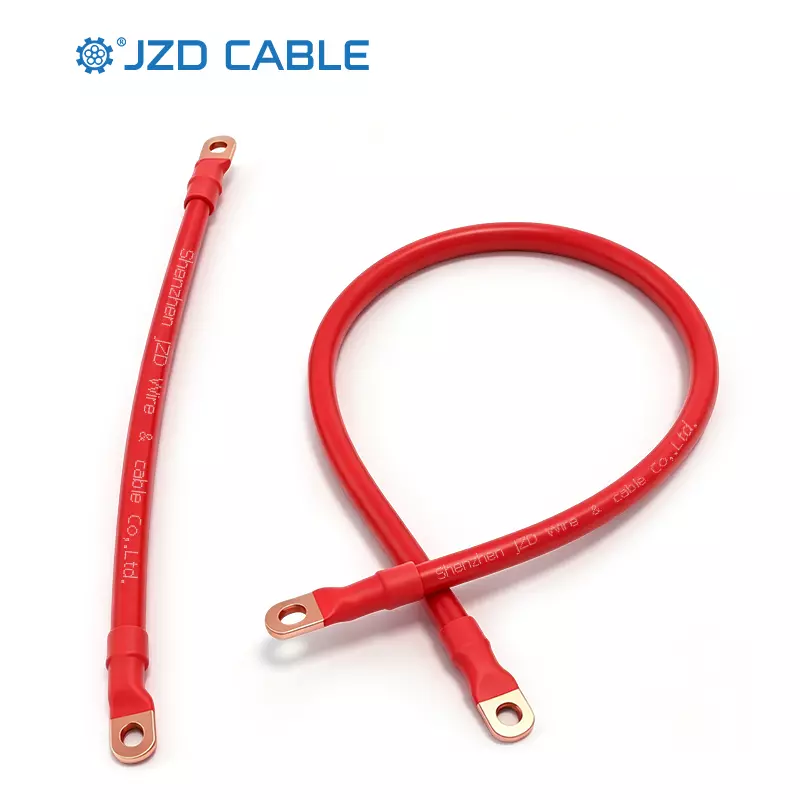
When people think of battery cables, they often picture thick, heavy-gauge wires connecting a car battery to a starter motor. But the vast majority of battery-powered devices rely on small-gauge battery cables — conductors with a cross-section of ≤6 mm² (AWG 18 to 8) . These slim, flexible wires are the unsung heroes of modern electronics, electric mobility, security systems, and countless other applications.
This guide explores the full spectrum of small-gauge battery cable applications, helping you understand which material (PVC, silicone, or rubber) suits each scenario.
What Defines a Small-Gauge Battery Cable?
Small-gauge battery cables are characterized by:
- Conductor cross-section: ≤6 mm² (metric) or AWG 18–8 (American)
- Fine stranding: Class 5 or 6 soft copper for flexibility
- Insulation: PVC, silicone rubber, or elastomeric rubber depending on environment
- Typical current range: Up to approximately 50–60 A (varies by gauge, insulation, and ambient temperature)
These cables are used for signal-level and low-to-medium current DC power in devices where space is tight, weight matters, and routing requires flexibility.
Application Scenarios by Industry
1. Consumer Electronics & Digital Lithium Batteries
Preferred cable type: Silicone (for flexibility, flame retardancy, and compactness)
Small-gauge silicone cables dominate inside portable electronics and lithium battery packs because of their extreme flexibility and fire safety.
Specific uses:
- Lithium battery pack internal wiring: Connecting 18650 / 21700 cells in series/parallel; BMS (Battery Management System) sense and balance leads
- Portable power banks: Internal cell-to-PCB connections
- RC hobbies (drones, cars, boats): LiPo battery main power leads and balance wires — need ultra-flexible, high-strand-count wire that survives crash impacts and repeated plugging
- Wearable devices: Smartwatch and fitness tracker battery connections (tiny gauge, high flex life)
Common sizes: 0.5 mm² – 2.5 mm² (AWG 20–14)
2. Electric Bikes, Scooters & Low-Speed EVs (Low-Voltage Auxiliary Circuits)
Preferred cable type: PVC (budget) or silicone (flex/heat), rubber for oily areas
Main power circuits in e-bikes and scooters often use larger cables, but the auxiliary and control circuits rely on small-gauge wires.
Specific uses:
- Dashboard displays, headlights, taillights, turn signals
- Horn and buzzer wiring
- Central locking and alarm systems
- Throttle and brake sensor cables
- Controller low-voltage power and signal lines
Common sizes: 1.0 mm² – 2.5 mm² (AWG 17–14)
3. Automotive & Heavy Equipment (Low-Voltage Accessories)
Preferred cable type: Oil-resistant rubber (NBR/CR) or heat-resistant PVC
Inside vehicles, small-gauge cables power everything except the main starter and alternator circuits. They must resist oil, vibration, and temperature swings.
Specific uses:
- Interior lighting: Dome lights, reading lamps, glovebox lights
- Infotainment & USB chargers: Power and signal to radio, navigation, rear-seat entertainment
- Sensors: Parking sensors, rain sensors, tire pressure monitors
- Door actuators & window switches
- Engine bay sensors (oxygen sensor, coolant temp) — require heat-resistant insulation
Common sizes: 1.0 mm² – 2.5 mm² (AWG 17–14)
4. Energy Storage & Backup Power (Indoor/Outdoor)
Preferred cable type: PVC (indoor, budget) or silicone (outdoor, high-temp)
Small-gauge cables are essential for monitoring, communication, and auxiliary power within battery racks and UPS systems.
Specific uses:
- Battery management system (BMS) sense wires: Voltage and temperature monitoring for each cell/module
- CAN bus / RS485 communication lines between battery modules and inverter
- Auxiliary power supply for control boards, relays, and fans
- Indicator LEDs and status display wiring
Common sizes: 0.5 mm² – 1.5 mm² (AWG 20–16)
5. Security, Access Control & Fire Alarm Systems
Preferred cable type: PVC (flame-retardant grade); silicone for fire-critical zones
These systems require reliable, low-current DC power and signal transmission, often in concealed or plenum spaces.
Specific uses:
- Access control: Power to door locks, card readers, exit buttons
- Surveillance cameras: DC power for IP cameras (12 V or 24 V), PTZ control signals
- Fire alarm panels: Battery backup connection, detector loop wiring
- Emergency lighting: Battery-powered exit signs and emergency luminaires
Common sizes: 1.0 mm² – 2.5 mm² (AWG 17–14)
6. Small Industrial Equipment & Instrumentation
Preferred cable type: Silicone (high-temp/flex) or PVC (general)
Factory automation and test equipment often use small-gauge battery cables for internal power distribution and sensor connections.
Specific uses:
- DC power supplies: Internal output wiring to terminals
- Programmable logic controllers (PLCs): Power and I/O module connections
- Sensors & actuators: Proximity sensors, photoelectric eyes, solenoid valves
- Small robots & collaborative robots (cobots): Power and signal in moving cable chains
Common sizes: 0.5 mm² – 4 mm² (AWG 20–12)
7. Toys, Hobby Kits & Small Appliances
Preferred cable type: PVC (economy) or silicone (premium)
Mass-produced toys and small appliances prioritize cost, but premium hobby kits demand flexibility and safety.
Specific uses:
- Remote-control toy cars/boats: Battery compartment wiring
- Electric toothbrushes, shavers, handheld fans: Internal battery connections
- Model train layouts: Power distribution to track sections
- DIY electronics projects: Breadboard and prototyping jumper wires
Common sizes: 0.5 mm² – 1.5 mm² (AWG 20–16)
Material Selection Guide for Small-Gauge Battery Cables
|
Environment / Requirement
|
Recommended Insulation
|
Why
|
|---|---|---|
|
Tight spaces, frequent bending, high flex life
|
Silicone
|
Ultra-soft, ≥3× OD bend radius, millions of cycles
|
|
High temperature (>80°C) or extreme cold (<–20°C)
|
Silicone
|
–60°C to +200°C range
|
|
Fire safety critical (enclosed battery, plenum)
|
Silicone (V-0)
|
Self-extinguishing, no drip, low smoke
|
|
Oil, grease, fuel exposure (engine bay, workshop)
|
Rubber (NBR/CR)
|
Excellent oil resistance, tough jacket
|
|
General indoor, budget-constrained, fixed wiring
|
PVC
|
Lowest cost, adequate for benign environments
|
|
Outdoor exposed (UV, rain)
|
Silicone (UV stable)
|
8–10 year outdoor life
|
|
Abrasion, dragging, mechanical abuse
|
Rubber or PVC with jacket
|
Tougher surface than bare silicone
|
Quick Reference: Common Small-Gauge Sizes and Their Typical Uses
|
AWG
|
mm²
|
Typical Current (PVC, chassis wiring)
|
Common Applications
|
|---|---|---|---|
|
18
|
0.82
|
5–10 A
|
Signal wires, LED indicators, BMS sense leads
|
|
16
|
1.31
|
10–15 A
|
Interior lighting, sensors, small fans
|
|
14
|
2.08
|
15–20 A
|
E-bike lights, door locks, camera power
|
|
12
|
3.31
|
20–30 A
|
Solenoid valves, small motors, auxiliary circuits
|
|
10
|
5.26
|
30–40 A
|
Power tool battery packs, inverter control power
|
|
8
|
8.37
|
40–55 A
|
(Borderline — often considered medium gauge)
|
Note: Actual ampacity depends on insulation type, ambient temperature, bundling, and duty cycle. Always consult manufacturer data sheets.
Why Choose JZD Cable for Small-Gauge Battery Cables?
At JZD Cable, we manufacture small-gauge battery cables in all three major insulation families:
- PVC: Economical, VW-1 rated, 0.5–6 mm² (AWG 20–10)
- Silicone: Ultra-flexible, –60°C to +200°C, UL94 V-0, 0.5–6 mm² (AWG 20–10)
- Rubber (NBR/CR/EPR): Oil-resistant, tough jacket, 1.0–6 mm² (AWG 18–10)
All available in red, black, and custom colors, with bare or tinned copper stranding. We supply bulk spools for OEMs and custom-cut lengths with terminated ends for integrators.
Looking for the right small-gauge cable for your project?
Contact our team at jzdcable.com/contact — tell us your application, environment, and current requirements, and we’ll recommend the optimal cable type and gauge.