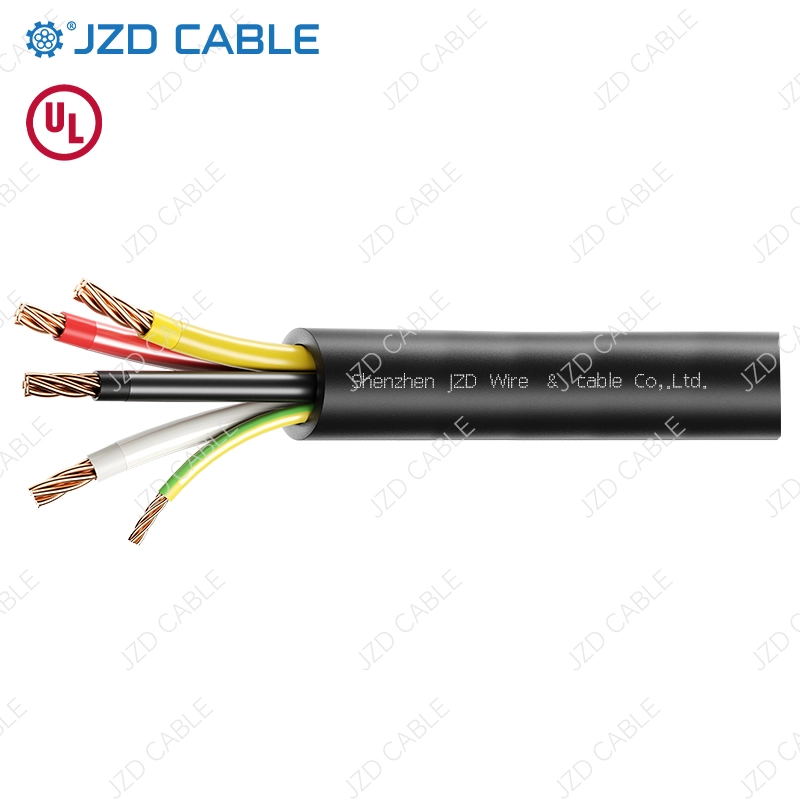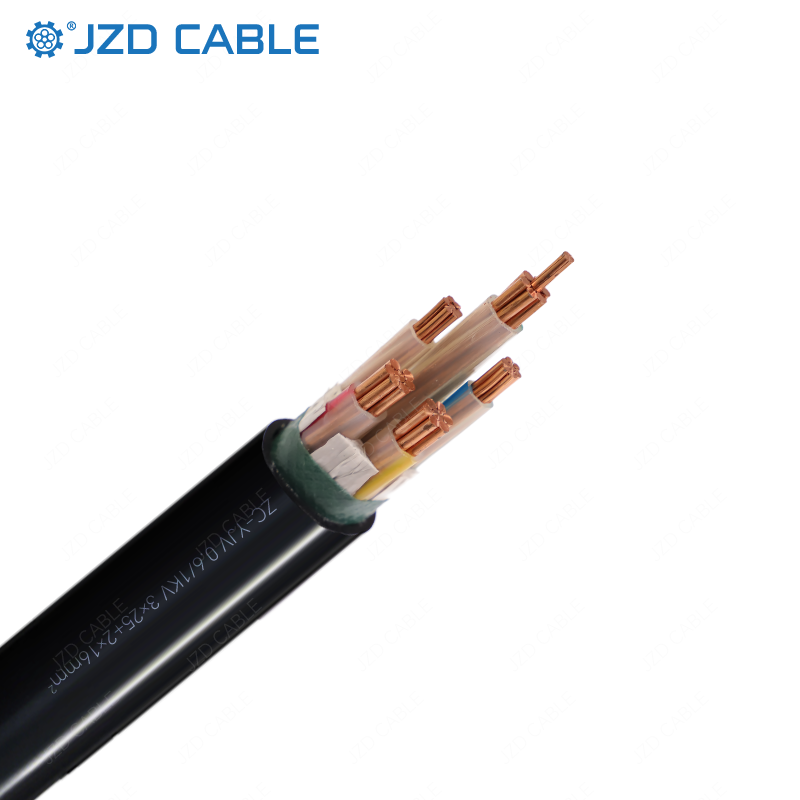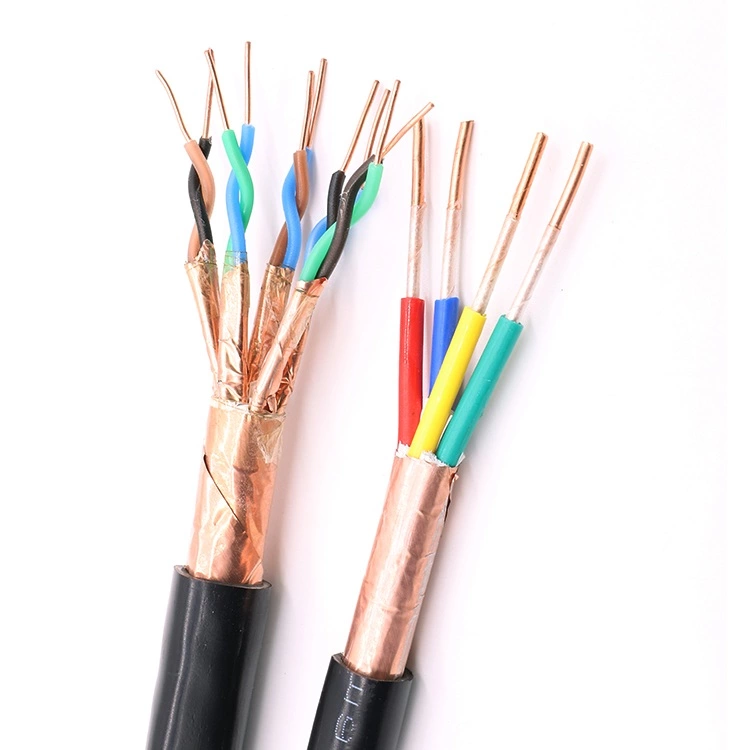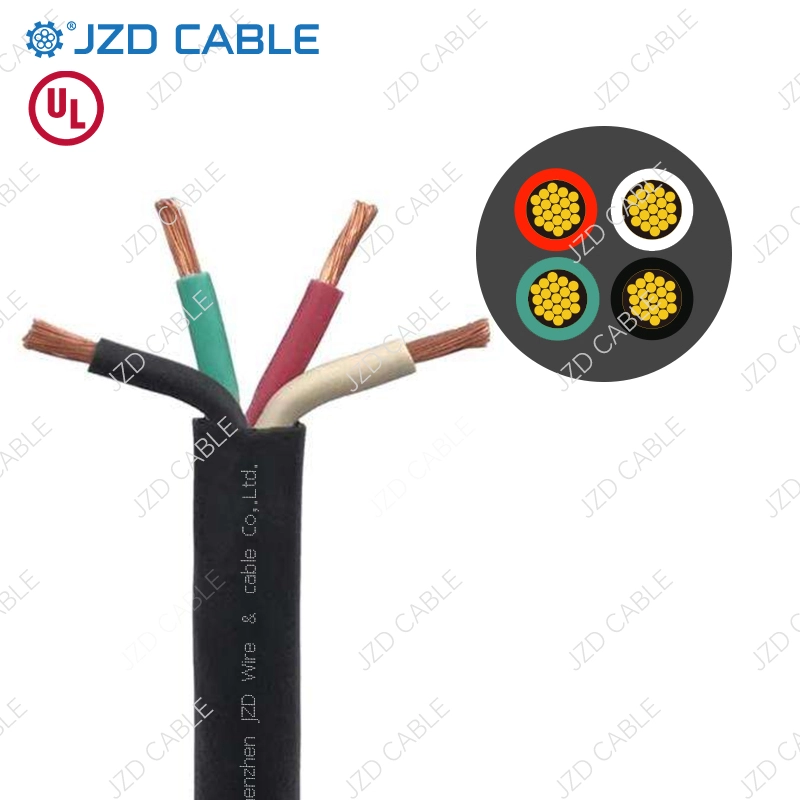


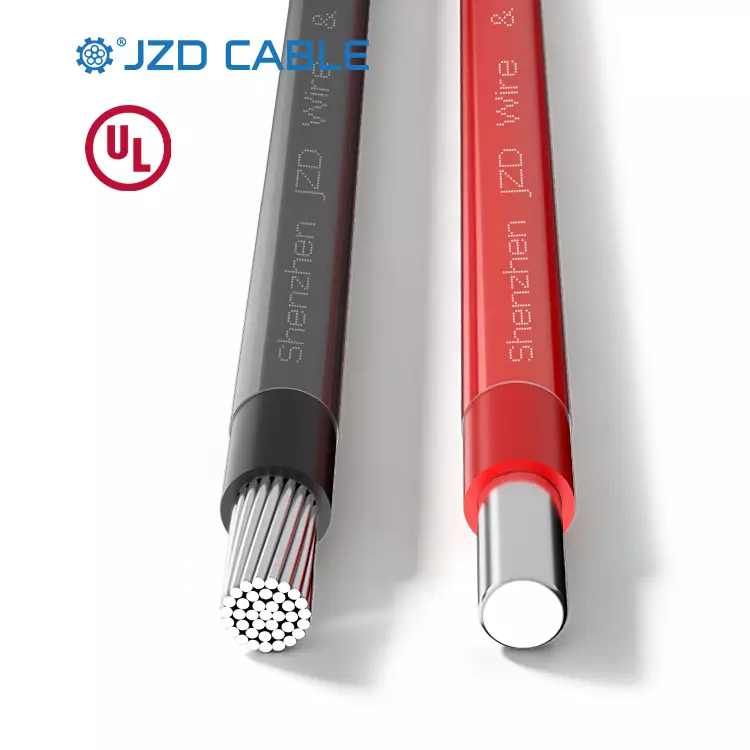
When planning an electrical installation, one of the most critical decisions you will make is selecting the right conductor material for your THHN wire. While both copper and aluminum AA8000 series THHN wires share the same robust outer construction—PVC insulation with a nylon jacket, rated for 600V and 90°C in dry locations—their internal differences are profound.
At JZD Cable, we manufacture both types to UL83 and NEC standards. This guide provides a detailed, data-driven comparison to help engineers, contractors, and distributors make informed decisions for their specific applications.
Core Electrical Performance: Conductivity & Ampacity
The fundamental difference lies in the material’s ability to conduct electricity.
- Conductivity: Copper THHN has an IACS conductivity of 100%, while AA8000 aluminum alloy offers approximately 61%. This means aluminum is inherently less efficient at carrying current.
- Ampacity: For the same AWG size, aluminum THHN carries only about 78-81% of the current that copper can handle.
- NEC Replacement Rule: To achieve the same ampacity as copper, you must increase the aluminum wire by two AWG sizes. For example, replace 12 AWG copper with 10 AWG aluminum, or 6 AWG copper with 4 AWG aluminum.
- Voltage Drop: Aluminum has higher resistance (0.0283 Ω·mm²/m vs. 0.01724 for copper). This results in a voltage drop roughly 1.6 times greater than copper for the same length and load. Long-distance runs often require even larger aluminum conductors to compensate.
- Temperature Rise: Under equal loads, aluminum conductors run hotter (by 10–15°C), which can accelerate insulation aging over time.
Winner: Copper for superior electrical performance, especially in long runs and tight spaces.
Termination & Safety: The Critical Difference
This is the most significant safety distinction between the two materials.
- Copper THHN: Fully compatible with standard copper terminals, lugs, breakers, and bus bars. No special tools, pastes, or connectors are required. Standard crimping is sufficient.
- Aluminum THHN (AA8000): Never connect directly to copper terminals. The dissimilar metals create galvanic corrosion, leading to overheating, arcing, and potential fire hazards.
- Mandatory Requirements:
- AL-CU Rated Connectors: Use only aluminum-specific or AL-CU rated lugs.
- Anti-Oxidant Compound: Apply a generous coating of antioxidant paste to prevent oxidation.
- Torque Wrench: Tighten connections to the precise torque specified by the NEC. Loose connections are a primary failure point.
- Mandatory Requirements:
- Thermal Creep: Aluminum expands and contracts more than copper under thermal cycling. Over time, this “creep” loosens connections, requiring periodic re-torquing—a maintenance step not needed for copper.
- Solderability: Copper can be easily soldered. Aluminum’s oxide layer makes soldering impractical; it can only be crimped.
Winner: Copper for simplicity, reliability, and lower maintenance.
Physical Properties: Weight vs. Flexibility
- Weight: Aluminum is a game-changer here. At just 2.7 g/cm³, it is about 70% lighter than copper (8.96 g/cm³). This is a massive advantage for large feeder runs in cable trays, high-rise risers, and overhead installations where structural load matters.
- Flexibility: Copper is far more flexible. It withstands repeated bending and pulling through conduit without breaking strands. Aluminum is stiffer and more brittle; excessive bending can cause strand breakage.
- Cable Diameter: Because aluminum requires upsizing (e.g., 4 AWG Al instead of 6 AWG Cu), the overall cable diameter is larger. This necessitates larger conduits and junction boxes, increasing hardware costs.
Winner: Copper for flexibility and ease of installation in tight spaces. Aluminum for weight savings on large-scale projects.
Cost Analysis: Upfront Savings vs. Total System Cost
-
Per-AWG Price: Raw aluminum THHN costs about 55–65% of its copper equivalent. This is attractive for budget-conscious projects.
- Total System Cost (Same Ampacity): When you factor in the need for larger wire, larger conduits, specialized aluminum terminals, and anti-oxidant compound, the total installed cost is only about 10–20% less than copper.
- Small Gauge (14, 12, 10 AWG): For branch circuits like lighting and receptacles, aluminum has no cost advantage. In fact, after adding all accessories, it can be more expensive and less practical.
- Large Gauge (4 AWG and above): This is where aluminum shines. The cost savings become significant, making it ideal for main feeders and service entrance cables.
Winner: Copper for small gauges. Aluminum for large-gauge, high-volume feeder lines.
Environmental Adaptability & Lifespan
- Corrosion: Copper forms a slow, stable patina and is highly resistant to corrosion, even in damp environments. Aluminum relies on a thin oxide layer for protection. The termination joint is the weak point; in coastal, humid, or underground environments, aluminum joints fail far more frequently than copper.
- Lifespan:
- Copper: 30+ years in dry indoor environments, with stable long-term performance.
- Aluminum: 20–25 years in similar conditions. Joint lifespan is significantly shorter than the wire itself.
Winner: Copper for harsh environments and long-term reliability.
Final Verdict: Application-Based Selection Guide
1.Choose Copper THHN When:
- Installing residential branch circuits (14, 12, 10 AWG) for outlets and lighting.
- Working in damp basements, outdoor conduits, or coastal areas.
- Running short distances with many connections in tight junction boxes.
- High reliability and zero maintenance are non-negotiable.
- Connecting directly to standard copper panels and equipment.
2.Choose Aluminum AA8000 THHN When:
- Running large feeder lines (4 AWG and above) from the main panel to subpanels.
- Working on long-distance tray runs or high-rise vertical risers where weight reduction saves structural costs.
- Managing a commercial or industrial project where the entire system uses aluminum-compatible terminals and breakers.
- Budget is the primary driver for large-amperage trunk lines.
For any project, understanding these trade-offs ensures a safe, code-compliant, and cost-effective installation. Need a custom quote for your next job? Contact JZD Cable today. We supply premium Copper and AA8000 Aluminum THHN wire for global distribution.