

What Does “DLO” Mean?
|
Letter
|
Meaning
|
|---|---|
|
D
|
Diesel — originally designed for diesel-electric locomotive traction motors
|
|
L
|
Locomotive — the original application environment (vibration, oil, heat)
|
|
O
|
Oil-resistant — the CPE jacket is formulated to resist diesel, engine oil, hydraulic oil, and cutting fluids (this is the key differentiator vs. standard PVC/EPR single-conductor cables)
|
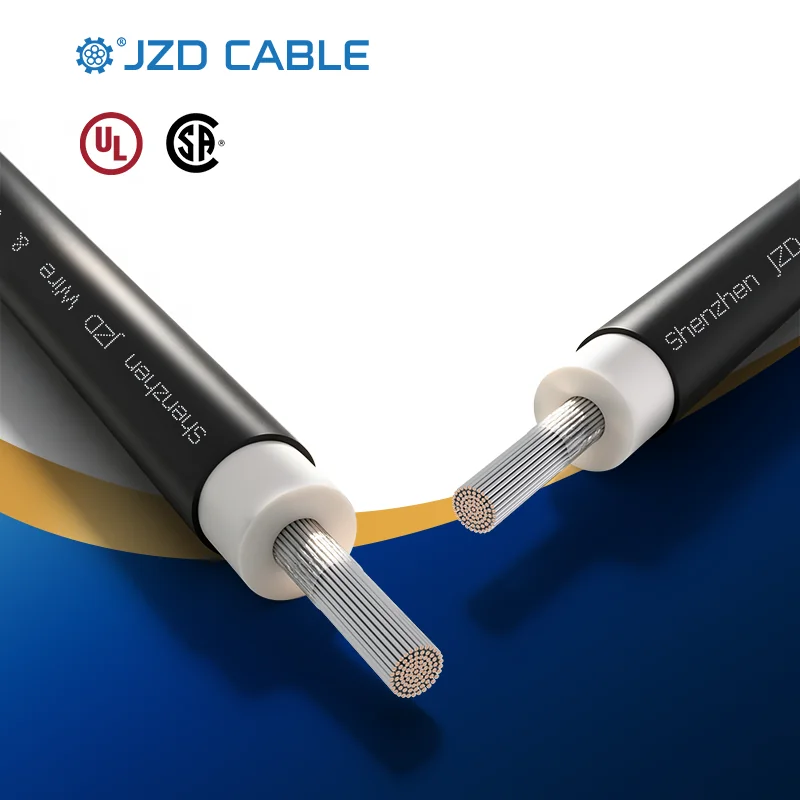
DLO Triple-Layer Construction
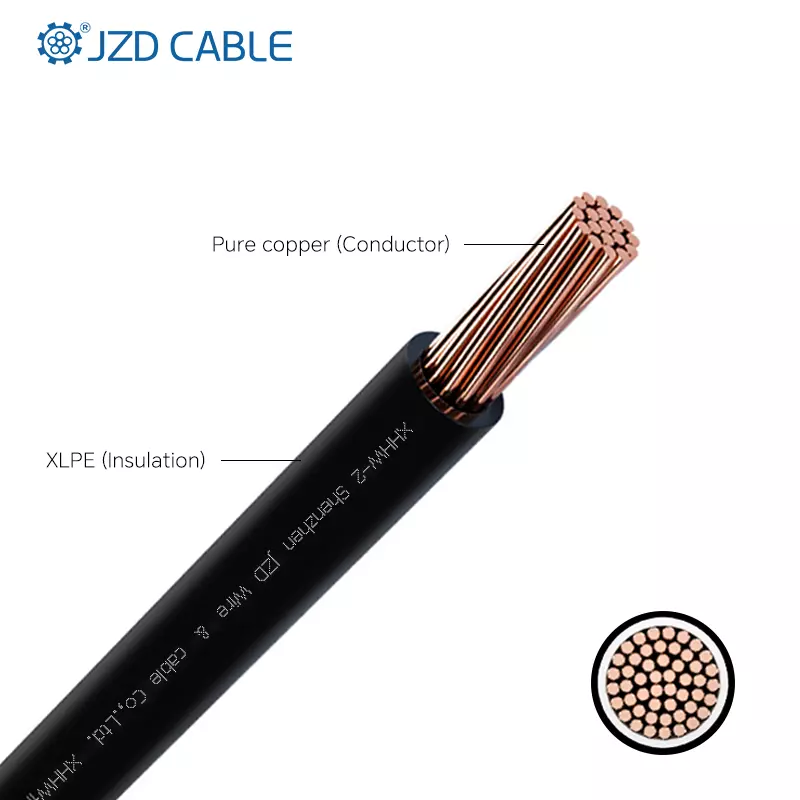
1. Conductor — Class I Flexible Tinned Copper
- Material: Multi-strand tinned oxygen-free copper — tinning prevents oxidation from oil vapor, seawater, and humidity
- Stranding class: Class I flexible (per ASTM B172/B174) — softer than building wire, suitable for vibration and moderate flexing
- Size range: 14 AWG – 1000 MCM (covers small auxiliary feeds up to massive busbar replacements)
- Separator: A polyester tape wraps the conductor before insulation — makes stripping clean and prevents insulation adhesion to copper
2. Insulation — EPR / EPDM (Cross-linked)
- Material: Ethylene Propylene Rubber (EPR) or EPDM — a thermoset cross-linked elastomer
- Properties: Ozone-resistant, acid/alkali-resistant, high dielectric strength, stable in both dry and wet environments
- Temperature: 90°C continuous, 130°C overload, 250°C short-circuit (≤5s) — far superior to PVC (which softens/melts at far lower temps)
- Why EPR, not PVC? Thermoset won’t melt under overload; critical in engine rooms and drilling rigs where fault currents can spike
3. Outer Jacket — TS-CPE (The Oil-Resistant Key Layer)
- Material: Thermoset Chlorinated Polyethylene — the defining layer of DLO
- Oil test: Passes UL 60°C oil immersion test — resists diesel, engine oil, hydraulic oil, cutting oil
- Other media: Weak acids/alkalis, seawater
- Bonus properties:
- UV-resistant (outdoor sun exposure OK)
- Abrasion-resistant (drag over deck plates)
- Low-temperature: remains flexible to approx. –40°C (no cracking)
- Flame-retardant
📌 Key distinction: UL10269 (previous article) has an oil-resistant PVCversion — but that’s only light oil exposure. Long-term immersion or heavy diesel/hydraulic oil will swell and crack PVC. DLO’s CPE jacket is in a completely different league — this is why DLO is the real “oil-field cable.”
Core Advantages of DLO
1. Top-Tier Oil Resistance
CPE jacket survives diesel, engine oil, hydraulic fluid, cutting oil, and seawater spray. UL10269’s oil-resistant PVC is a “light-duty” version by comparison — DLO is built for continuous oil-field duty.
2. 2000V Rating
Double the voltage of most building wires. Gives headroom for large drill rig DC feeds, PCS high-power buses, and locomotive traction where voltage spikes occur.
3. Thermoset Rubber — Heat & Overload Beats PVC
EPR insulation: 90°C continuous / 130°C overload / 250°C short-circuit. PVC (UL10269) tops out at 80–105°C and melts under fault. In an engine compartment or drill rig, DLO survives events that melt PVC.
4. Wide Temperature Range: –40°C to +90°C
Works in Canadian winter drill pads, desert oil fields, engine rooms, and below-deck marine — one SKU covers all.
5. Flexible & Vibration-Resistant
Class I tinned copper + rubber construction absorbs diesel-locomotive and mining-shift vibration. Standard PVC electronic wires crack under repeated flex/vibration — DLO is built for it.
6. Waterproof & Saltwater-Resistant
CPE jacket + EPR insulation handle seawater spray and immersion. Offshore platforms and ship decks are legitimate DLO territory (unlike most PVC building wires).
7. MSHA Mining Certification
DLO carries MSHA (Mine Safety and Health Administration) approval — making it the only compliant heavy-duty oil-resistant single-core cable for US coal mine underground installations. If your bid says “MSHA required,” DLO is the answer.
Typical Applications (Oil & Gas Is the Core)
1. Oil & Gas Drilling — DLO’s Signature Scene
- Onshore/offshore drilling rigs, frac fleets, well-service rigs
- Oil-field generators, mud pump power leads
- Long-term contact with diesel, hydraulic oil, and drilling wastewater
This is where DLO outsells almost everything else. If a cable runs on a drilling pad, it’s probably DLO.
2. Rail & Transit (Original Development Use)
- Diesel-electric locomotive traction motor leads (the original use case)
- Locomotive generator outputs, battery bank high-current feeds
- Subway/light-rail maintenance vehicle wiring
3. Heavy Mining & Construction
- Excavators, wheel loaders, mine hoists, underground mobile equipment
- MSHA-certified for US coal mine underground feeders
- Drag and crush resistance on mine decks
4. Marine & Shipyard
- Dockyard cranes, shipboard high-power motors, welder feeds
- Saltwater + diesel double-corrosion environment — CPE handles both
- Deck-mounted generator interconnections
5. New Energy / Wind ESS (Oil-Contaminated Cabinets)
- Wind turbine tower internal power feeds
- Large ESS battery clusters and PCS high-power buses where the cabinet environment has oil mist or hydraulic lines nearby (e.g., hybrid储能 cabinets with cooling oil loops)
6. Industrial Heavy-Duty
- Large welding machines, gensets, hydraulic press shops
- Mobile temporary high-power distribution on industrial sites
- Anywhere oil + flex + heat coexist
DLO vs UL10269 (Oil-Resistant PVC) — Quick Reality Check
|
Parameter
|
DLO
|
UL10269 (Oil-Resistant Version)
|
|---|---|---|
|
Voltage
|
2000V
|
1000V
|
|
Insulation
|
EPR/EPDM (thermoset rubber)
|
PVC (thermoplastic)
|
|
Jacket
|
CPE (thermoset, heavy oil)
|
PVC (light oil only)
|
|
Temp (cont.)
|
90°C
|
80°C / 105°C
|
|
Short-circuit
|
250°C
|
~160°C (PVC melts)
|
|
Oil exposure
|
Diesel, hydraulic, long-term immersion ✅
|
Light oil mist only ⚠️
|
|
Saltwater
|
✅ CPE + EPR
|
❌ PVC degrades
|
|
MSHA
|
✅
|
❌
|
|
Application
|
Oil-field, mining, marine, locomotive
|
ESS, solar inverter, indoor industrial (lighter duty)
|
Rule of thumb: If the environment has real oil (diesel, hydraulic, drilling fluid) or MSHA/mine requirement → DLO. If it’s ESS cabinet or solar inverter internal HV (dry/clean) → UL10269 is the economical choice.
Frequently Asked Questions
Why Source DLO from JZD Cable?
- Conductor: Class I flexible tinned copper, 14 AWG – 1000 MCM
- Insulation: EPR/EPDM, 90°C / 130°C overload / 250°C SC
- Jacket: TS-CPE, oil-resistant (60°C oil immersion), UV-resistant, –40°C flex
- Voltage: 2000V
- Approvals: UL 1072, MSHA available
- Colors: Black (standard), custom on request