

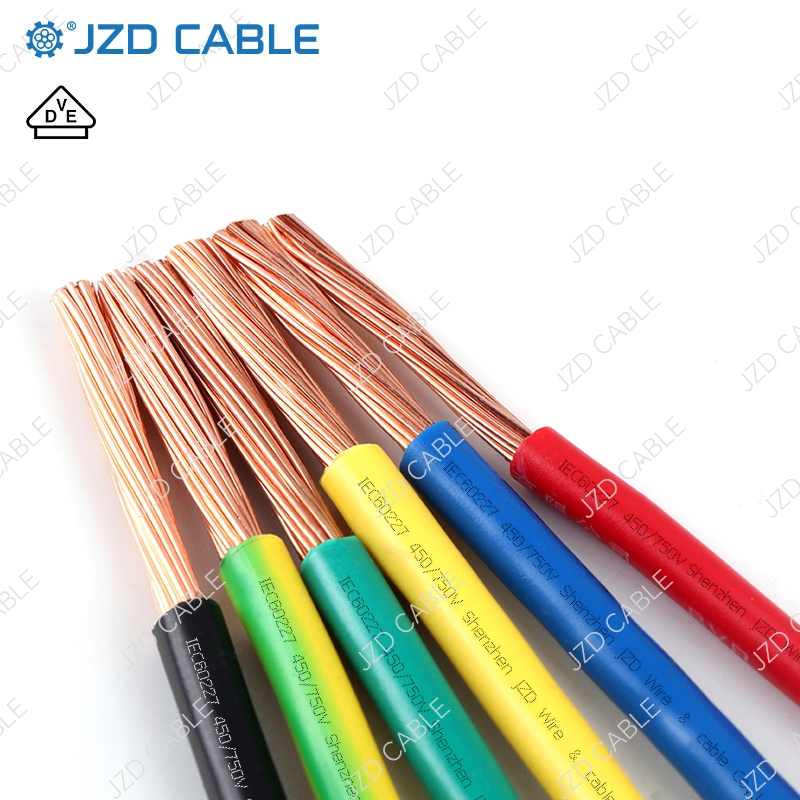
In critical environments like hospitals, schools, and data centers, conventional cables can become a deadly hazard during a fire, emitting dense smoke and toxic corrosive gases. So, how can you maximize safety and survivability? The answer lies in H07Z-R Low Smoke Zero Halogen (LSZH) Cable. This article explores how H07Z-R’s superior material properties provide vital protection for both people and essential equipment.
What is H07Z-R Cable?
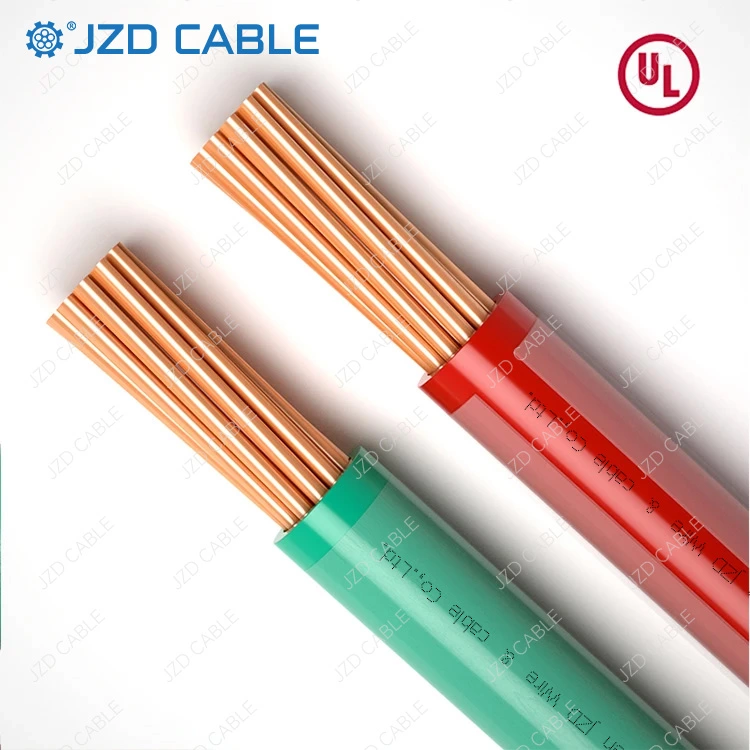
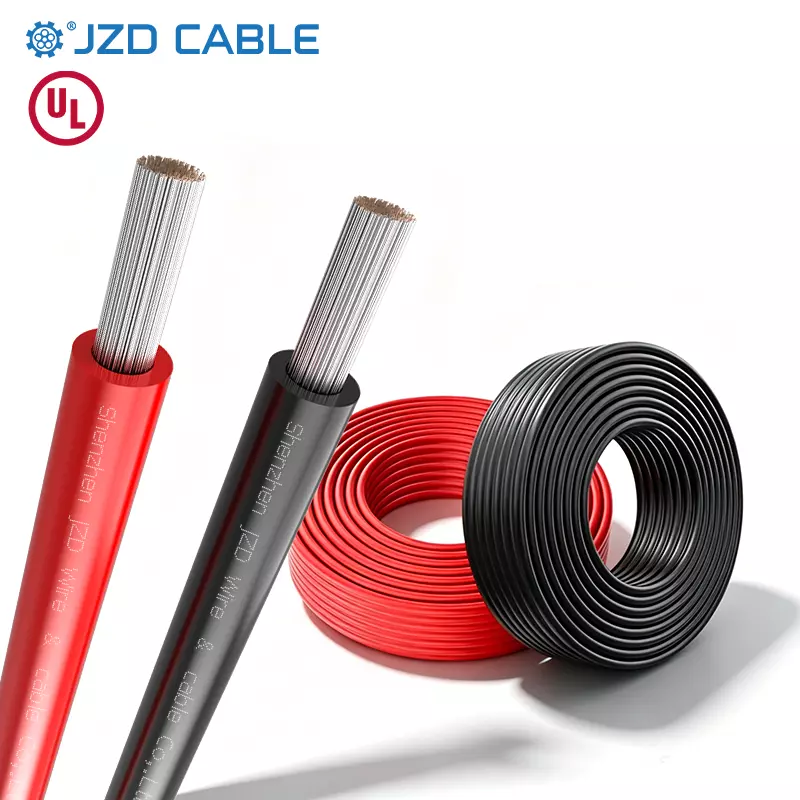
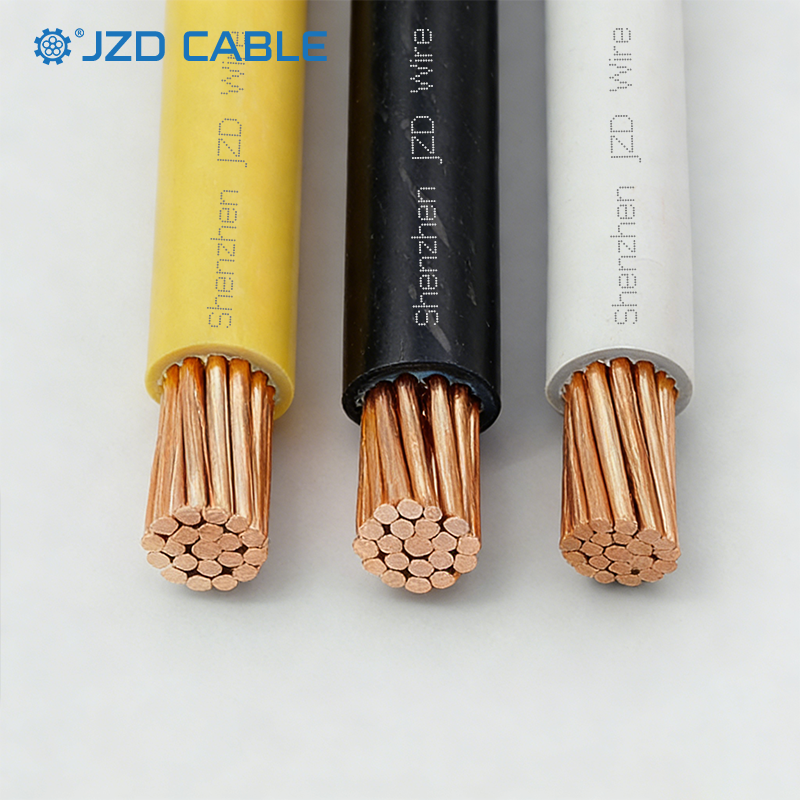
- Conductor:High-purity (tinned) copper wire compliant with IEC 60228 Class 1/2/5 standards, offering excellent conductivity and corrosion resistance. The tinned coating prevents oxidation during storage and installation.
- Insulation:Cross-linked LSZH polyolefin material, combining thermal stability (no melting at high temperatures) with mechanical strength against wear and moisture. Insulation colors (e.g., black, white, red) can be customized for project-specific identification.
- Rated Voltage:450/750V
- Temperature Range:
- Mobile installation: -5°C to +90°C
- Fixed installation: -30°C to +90°C

Key Features & Applications of H07Z-R
- CE-certified, meeting EU environmental and safety requirements.
2.Eco-Friendly & Safe
- Complies with RoHS directives, using environmentally friendly materials.
- Flame retardant and resistant to flame propagation (IEC 60332-1), suitable for industrial and commercial settings.
- Ideal for hospitals, schools, shopping malls, and office complexes where smoke/toxic gas emissions during a fire could endanger lives.
- Perfect for high-reliability industrial environments.
Typical Applications:
- Commercial Buildings:Hospitals, schools, shopping centers, and offices where safety is paramount.
- Industrial Facilities:Factories, warehouses, and manufacturing plants for internal wiring of machinery and control panels.
- Critical Infrastructure:Data centers, airports, and government buildings requiring uninterrupted power and fire safety.
- Equipment Wiring:Internal connections for switches, control boards, and electrical modules, thanks to its slim, flexible design for tight spaces.

Common Mistakes in Cable Selection
-
Incorrect Conductor Size/Voltage Rating:Undersized cables can overheat, causing voltage drops or safety hazards. -
Improper Installation:Excessive bending or compression may damage insulation, leading to short circuits. -
Ignoring Environmental Conditions:Temperature, chemical exposure, and mechanical stress must be considered to prevent premature aging. -
Using Low-Quality Cables:Cheap options may save costs initially but lead to failures, wear, or malfunctions. -
Overlooking Certifications:Non-compliance with UL, CE, or TUV standards can result in regulatory issues.
Pro Tips:
- Evaluate environmental conditions, mechanical demands, and electrical requirements.
- Verify certification compliance and ensure cables meet project-specific parameters.