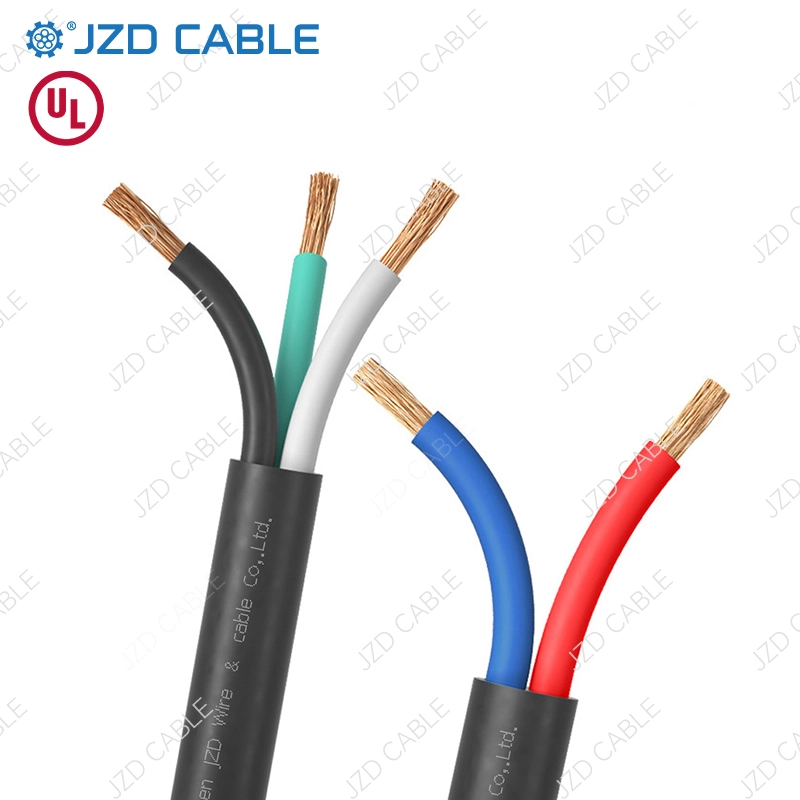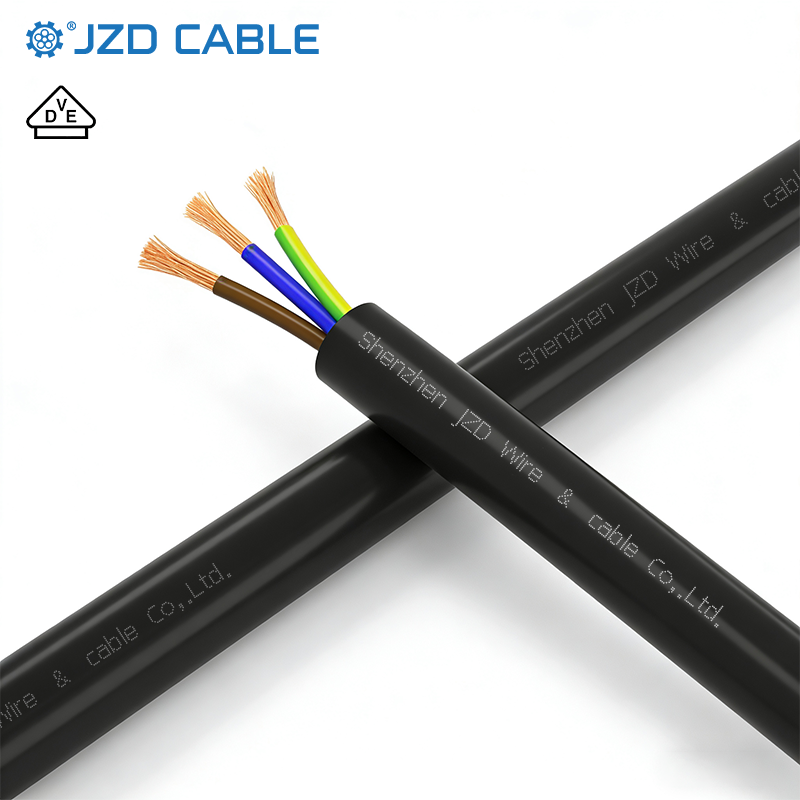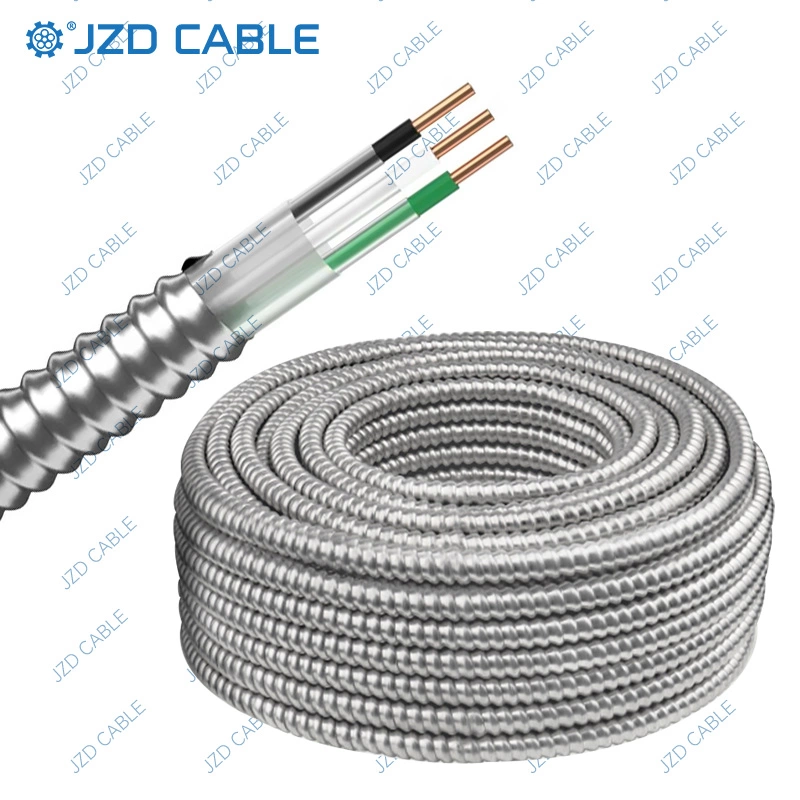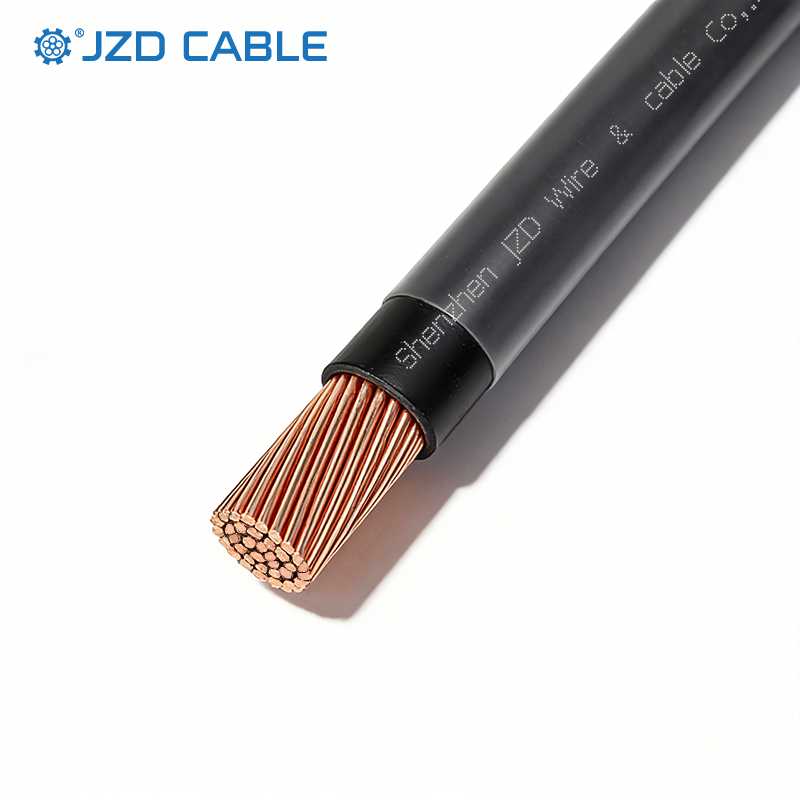


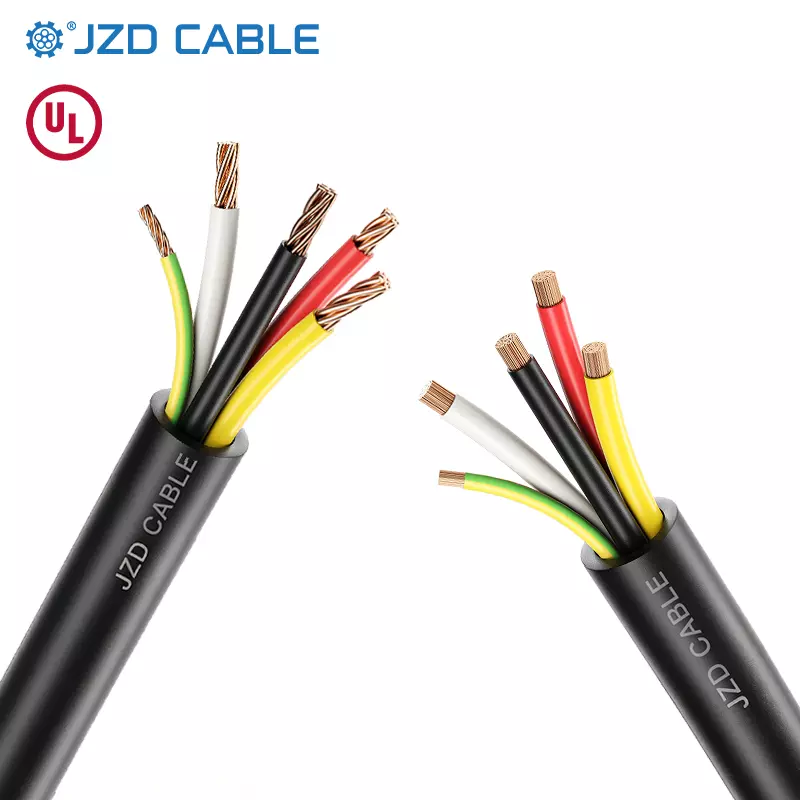
Navigating the specifications of industrial and photovoltaic (PV) cables can be complex. For projects requiring UL1277 TC-ER (Tray Cable, Exposed Run) certified cables, two common types stand out: THHN TC-ER and XHHW-2 TC-ER. While both are 600V multi-conductor cables approved for use in cable trays and exposed runs, their core differences in insulation material dictate vastly different performance profiles and ideal applications.
Understanding these differences is crucial for ensuring system safety, longevity, and cost-effectiveness, especially in demanding sectors like solar energy and heavy industry.
Part 1: Core Definitions & Construction (UL Standards)
Both cables meet the UL1277 TC-ER standard, which permits their use in cable trays without additional conduit—even in exposed locations. The fundamental distinction lies in their conductor insulation.
1. THHN TC-ER: The Cost-Effective Standard
- Full Name: Thermoplastic High Heat-resistant Nylon-coated, Tray Cable Exposed Run
- Conductor Insulation: A dual-layer of PVC (Polyvinyl Chloride) with an outer nylon jacket. This is a thermoplastic material (can re-melt).
- Key Standards: UL1277 (TC-ER), UL83, NEC 336.
- Overview: THHN TC-ER is a widely used, economical choice. Its PVC+nylon insulation performs well in standard conditions but has limitations in environmental resistance.
2. XHHW-2 TC-ER: The High-Performance Champion
- Full Name: Cross-linked Polyethylene High Heat-resistant Water-resistant – 2nd edition, Tray Cable Exposed Run
- Conductor Insulation: Single-layer XLPE (Cross-linked Polyethylene). This is a thermoset material (does not re-melt, offering superior thermal stability).
- Key Standards: UL1277 (TC-ER), UL44, NEC 336, ICEA.
- Overview: XHHW-2 TC-ER is engineered for durability. The XLPE insulation provides excellent resistance to heat, moisture, chemicals, and physical stress, making it the preferred cable for harsh and critical applications.
Part 2: Key Performance Parameter Breakdown
Here’s a direct comparison of how these insulation materials translate into real-world performance:
|
Parameter
|
THHN TC-ER
|
XHHW-2 TC-ER
|
|---|---|---|
|
Conductor Insulation
|
PVC + Nylon (Thermoplastic)
|
XLPE (Thermoset)
|
|
Temperature Rating
|
Dry: 90°C / Wet: 75°C
|
Dry & Wet: 90°C (Uniform)
|
|
Minimum Installation Temp
|
-10°C (can become brittle)
|
-40°C (Excellent Cold Flexibility)
|
|
UV Resistance
|
Only if outer jacket is SUN RES rated; conductor insulation is not UV resistant.
|
Excellent. Both insulation and jacket are inherently UV resistant.
|
|
Chemical/Oil Resistance
|
Fair. PVC can be degraded by solvents, acids, and oils.
|
Excellent. XLPE resists oils, acids, alkalis, and ozone.
|
|
Ampacity (Same Size)
|
Based on 90°C dry rating.
|
Typically 5-10% higher due to superior thermal properties.
|
|
Long-Term Aging & Life
|
Prone to cracking in outdoor/wet environments; shorter lifespan (~5-10 years in harsh settings).
|
Superior resistance to electro-thermal stress; lifespan often exceeds 25 years, matching PV system life.
|
|
Flame & Smoke
|
Flame retardant (VW-1). PVC can produce dense, toxic smoke when burning.
|
Flame retardant (VW-1). XLPE generates lower smoke and toxicity (LSZH jacket options available).
|
|
Cost
|
Lower (approx. 15-25% less).
|
Higher, reflecting its premium performance and durability.
|
Part 3: Application Scenarios: Making the Right Choice
Choosing the wrong cable can lead to premature failure, safety hazards, and costly replacements. Here’s where each cable shines.
Ideal Applications for THHN TC-ER:
- Indoor, Dry Environments: Manufacturing plants, electrical rooms, control panels.
- Standard Installations: Conduit, enclosed wireways, and cable trays in dry locations.
- General Purpose Power & Control: Low-voltage distribution and control circuits without exposure to moisture, UV, or chemicals.
- Budget-Conscious Projects with stable, mild environmental conditions.
Ideal Applications for XHHW-2 TC-ER (The Preferred Choice for Solar/Energy Storage):
- Photovoltaic (PV) Solar Plants (AC Side) & Energy Storage Systems:
- Inverter to Combiner Box/Grid-Tie Connections.
- Energy Storage System (ESS) PCS AC output lines.
- Why it’s the #1 Choice: Its -40°C flexibility, 90°C wet rating, and inherent UV resistance withstand rooftop/outdoor exposure, temperature swings, and coastal salt air. Its 25+ year lifespan aligns perfectly with PV system warranties.
- Demanding Industrial Environments:
- Damp/Wet industrial facilities, cold storage facilities (-40°C), chemical processing plants, oil & gas fields, and mining operations.
- Critical Infrastructure:
- Long-distance tray runs, direct burial (with appropriate jacket), and feeders where higher ampacity and lower voltage drop are beneficial.
- Installations requiring low smoke, zero halogen (LSZH) cables for enhanced fire safety.
Conclusion and Recommendation
The choice is fundamentally about insulation material and environmental tolerance.
- Choose THHN TC-ER for cost-effective, indoor, dry, and controlled environments where budget is a primary constraint and conditions are mild.
- Choose XHHW-2 TC-ER for any outdoor, harsh, wet, or critical application. It is the non-negotiable standard for solar farms, energy storage systems, and industrial settings with exposure to temperature extremes, moisture, UV radiation, or chemicals. While the initial cost is higher, its superior longevity, reliability, and performance provide a much lower total cost of ownership over the life of the project.
For your next industrial, PV solar, or energy storage project, ensure unwavering reliability. At JZD Cable, we specialize in high-performance cables like XHHW-2 TC-ER designed to meet the toughest challenges. Contact our team today to discuss the perfect cable solution for your specific application requirements.