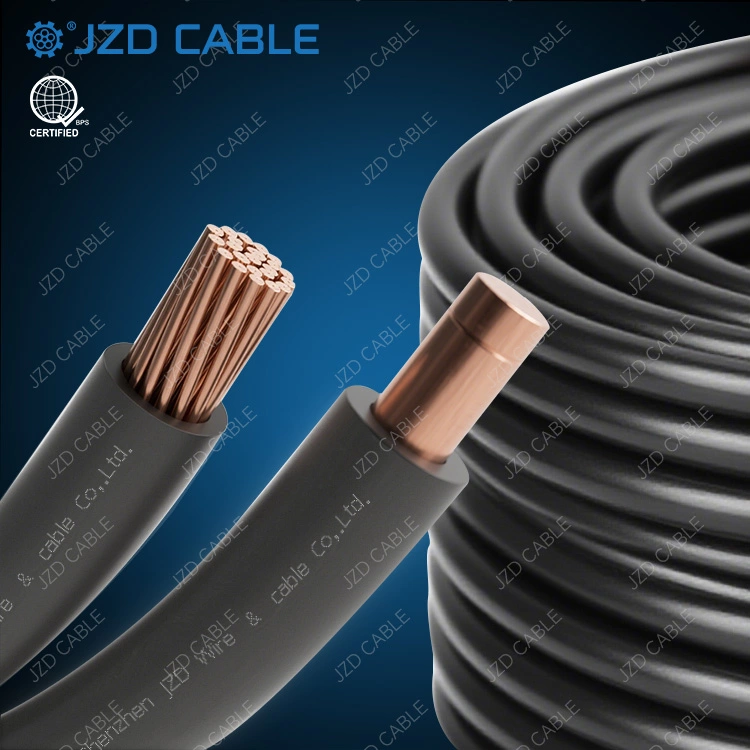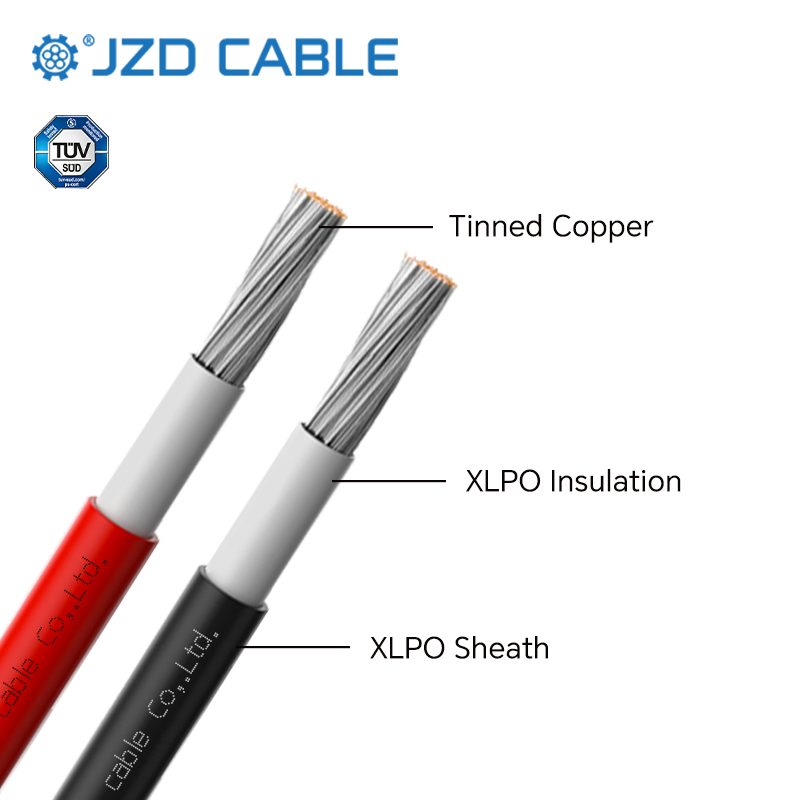


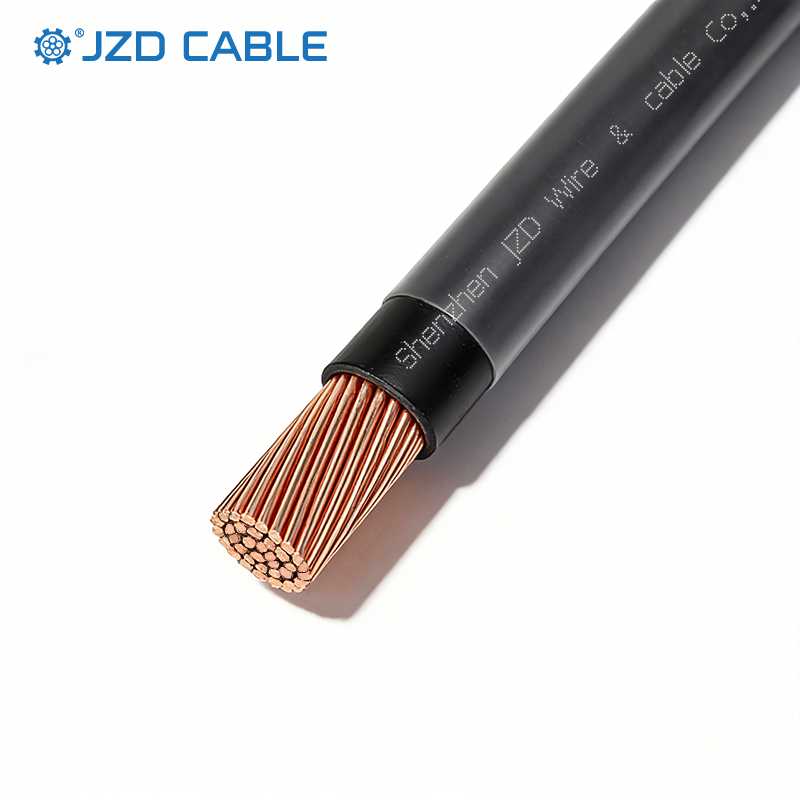
At first glance, THHN wire from the US and the Philippines might look identical. However, for engineers, contractors, and procurement specialists working on international projects, understanding the distinction is crucial. Using the wrong standard can lead to compliance issues, safety risks, and project delays.
This guide will demystify the core differences between American-standard (UL) THHN and Philippines-standard (PNS) THHN, helping you make an informed decision for your specific application.
1. Standards and Certification: UL Listing vs. BPS Mark
The most fundamental difference lies in the governing standards and mandatory certifications.
American Standard (UL) THHN:
- Primary Standards: UL 83, the National Electrical Code (NEC), and ASTM specifications for copper (B3/B8).
- Certification: UL Listing is non-negotiable. Any THHN wire used in US installations must be UL Listed and marked. This certification involves rigorous factory audits and continuous compliance monitoring. Without the UL mark, the product is not compliant for American projects.
Philippines Standard (PNS) THHN:
- Primary Standard: PNS 35:2021 (superseding the older PNS 35-1). This standard is aligned with IEC (International Electrotechnical Commission) principles but also references UL requirements.
- Certification: The mandatory local certification is the BPS/PS Mark from the Bureau of Philippine Standards. Imported wires require an ICC (Import Commodity Clearance). A key differentiator is that UL certification is optional but not required for the Philippine market. Many manufacturers, like JZD Cable, may seek dual certification (PNS and UL) for export-oriented products.
2. Temperature and Moisture Ratings
Temperature ratings define the wire’s safe operating environment and directly impact current-carrying capacity (ampacity).
American Standard THHN/THWN-2:
- Dry Location (THHN): Rated for up to 90°C.
- Wet Location (THWN-2): Modern dual-rated THHN/THWN-2 cable is rated for 90°C in both dry and wet locations, offering greater versatility.
Philippines Standard PNS THHN:
- Traditional Rating: Historically, PNS THHN was rated for 90°C in dry locations and 60°C in wet locations.
- Modern Trend: To align with global projects and UL standards, newer PNS-compliant products are increasingly offered as THHN/THWN-2 with a 90°C dry/wet rating. Always verify the specific marking on the cable.
3. Construction and Materials
While both share a similar PVC insulation + nylon jacket construction, the devil is in the details.
Conductor:
- UL THHN: Follows strict AWG (American Wire Gauge) sizing. Uses high-conductivity copper (minimum 99.95% pure), available in solid or stranded (Class B) forms.
- PNS THHN: Uses metric cross-sectional area (mm²). Multi-stranded conductors are more common for flexibility, though solid core is used for certain sizes.
Insulation and Jacket:
- UL THHN: Enforces very strict controls on material composition, wall thickness, concentricity (within ±5%), and adhesion between layers.
- PNS THHN: While meeting core performance criteria, material specifications can be more cost-optimized. Notably, to suit the local hot, humid, and acidic rain-prone climate, some Philippine-manufactured THHN may feature slightly thickened or chemically enhanced jacketing for better corrosion and weather resistance.
4. Testing and Performance Focus
Certifications are earned through testing, but the scope and stringency vary.
- UL Testing Regime: Extensive and unforgiving. Tests include long-term thermal aging, cold bend/impact, dielectric strength, oil resistance, and the stringent VW-1 vertical flame test. Manufacturing is tracked via MES systems for full traceability.
- PNS Testing Regime: Covers similar key performance areas (e.g., electrical, physical, flame retardancy) but the requirements and acceptable thresholds are often less rigorous than UL’s. The testing philosophy adapts to local needs, with a stronger focus on humidity aging and tropical weathering tests.
Core Comparison at a Glance
|
Feature
|
American Standard UL THHN
|
Philippines Standard PNS THHN
|
|---|---|---|
|
Governing Standard
|
UL 83, NEC
|
PNS 35:2021, Philippine Electrical Code (PEC)
|
|
Mandatory Certification
|
UL Listing (Required)
|
BPS/PS Mark (Required)
|
|
Common Conductor
|
AWG, High-Purity Copper
|
mm², Multi-Stranded Common
|
|
Material Philosophy
|
Maximum Consistency & Safety
|
Climate-Adapted, Cost-Optimized
|
|
Testing Focus
|
Comprehensive & Stringent
|
Core Performance, Local Weathering
|
|
Typical Application
|
US Industrial/Commercial, High-Safety Global Projects
|
Local Philippine Construction, Cost-Sensitive Projects
|
Conclusion: Making the Right Choice
The choice isn’t about which standard is “better,” but which is correct for your project’s location and specifications.
- Choose UL THHN if: Your project is in the United States, requires UL listing for permit approval, serves a high-reliability industrial application, or demands globally recognized, stringent safety certification.
- Choose PNS THHN if: Your project is in the Philippines and must comply with the Philippine Electrical Code (PEC) and BPS requirements, or you are sourcing for local construction where cost-optimization for tropical conditions is a priority.
Need a Reliable Source for Both Standards?
At JZD Cable, we understand these nuanced global standards. We provide high-quality THHN wires manufactured to meet both UL and PNS specifications, ensuring compliance, safety, and performance for your specific market needs. Contact us today for a quote and let our expertise power your project.