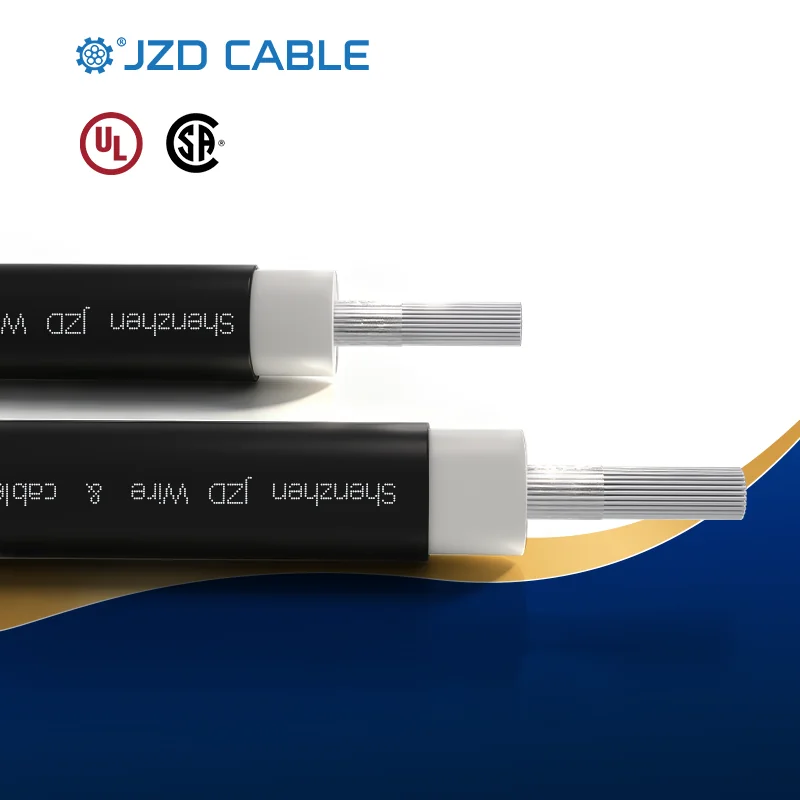


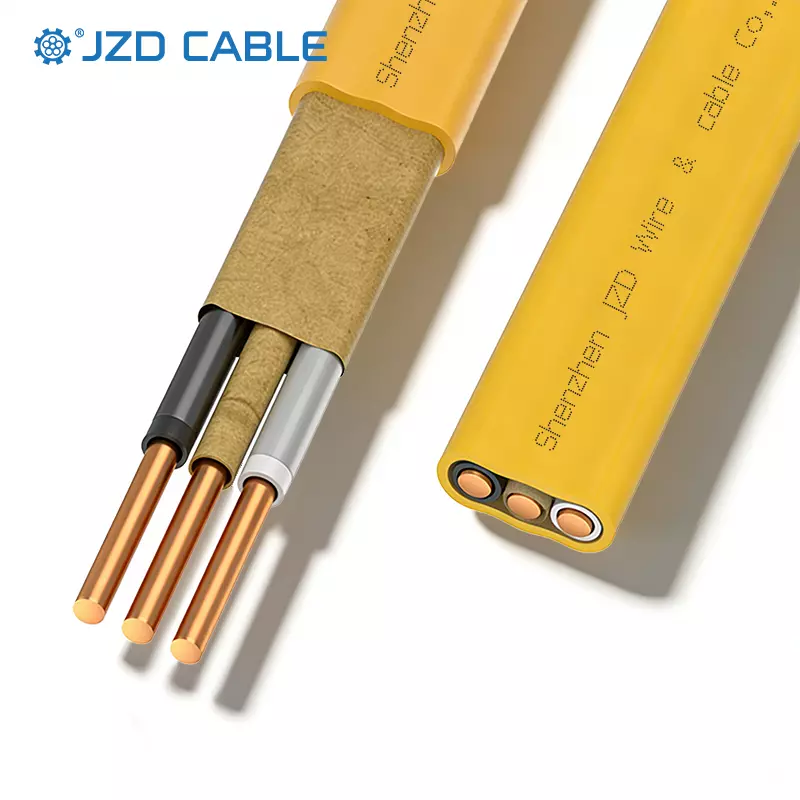
When browsing for electrical wire at your local hardware store or planning a wiring project, you’ve likely come across the term “NM-B Cable.” It’s the standard cable used in millions of homes, yet its name can be a puzzle. What does the “NM” actually mean? And is it the right choice for your project?
As a leading wire and cable manufacturer, JZD Cable is here to clear up the confusion. This guide will decode the NM-B cable, explain its components, and outline its ideal applications to ensure you select the correct, safe wiring for the job.
Part 1: Decoding “NM-B” – What Does NM Stand For?
The “NM” in NM-B cable is an acronym for Non-Metallic Sheathed. Let’s break down what that means for the cable’s construction and safety rating.
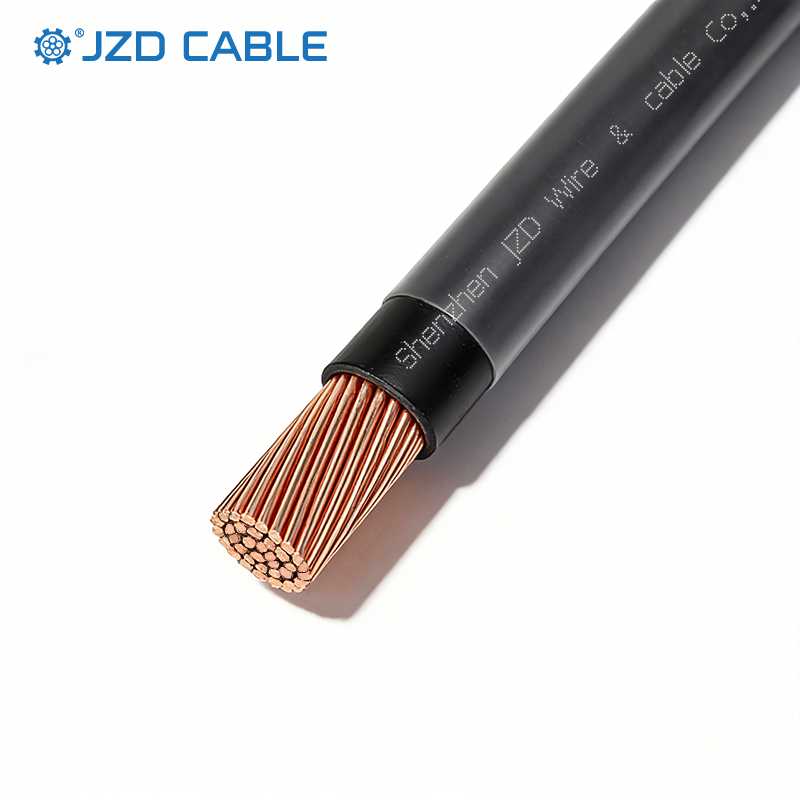
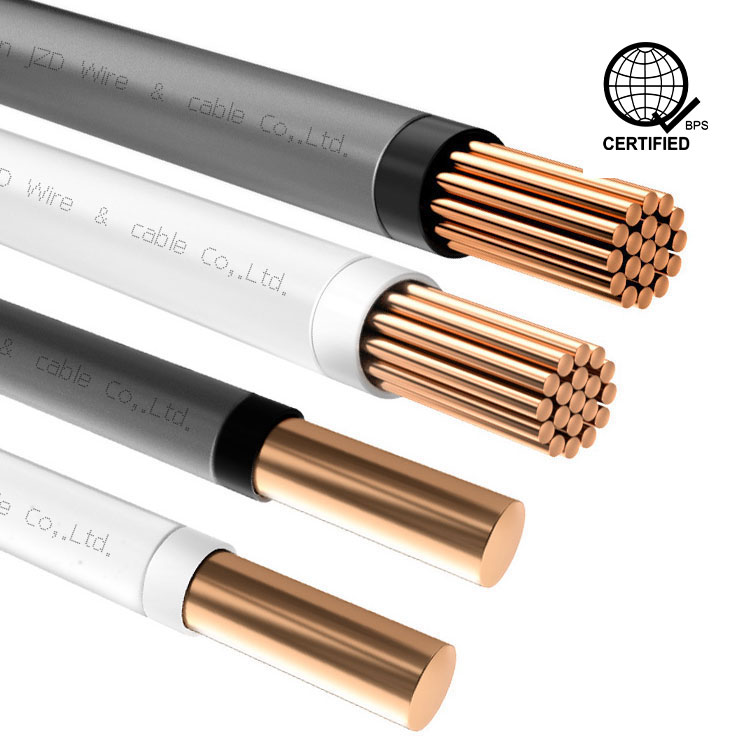
- NM = Non-Metallic Sheath: This refers to the outer jacket of the cable. Unlike metal-clad cables (like AC or MC cable), NM cable is protected by a durable, flexible plastic sheath, typically made of PVC (Polyvinyl Chloride). This makes it lighter, easier to cut and strip, and resistant to corrosion.
- -B = The Temperature Rating: The “B” suffix is a crucial part of the modern designation. It indicates that the cable’s insulation is rated for 90°C (194°F). This is a significant upgrade from older “NM” cables (without the -B), which were only rated for 60°C and are now obsolete. The 90°C rating refers to the heat resistance of the individual insulated conductors (wires) inside the sheath, providing a higher safety margin for modern electrical loads.
In simple terms: NM-B is a 90°C rated, non-metallic sheathed cable designed for indoor use. You might know it by its common brand name: Romex® (a trademark of Southwire, now used generically like “Kleenex”).
Part 2: Where to Use NM-B Cable: Ideal Applications & Scenarios
NM-B cable is versatile but has specific, code-approved applications. It is designed for dry, indoor locations only. It should never be used outdoors, in direct burial applications, or in areas where it could be exposed to excessive moisture or physical damage.
Here are the primary, safe, and code-compliant applications for NM-B cable:
1. Residential Indoor Wiring (Most Common Use)
This is the bread and butter of NM-B cable. It’s the standard for most branch circuit wiring in homes.
- General Purpose Circuits: Powering outlets (receptacles), switches, and lighting fixtures in walls, ceilings, and attics.
- Room-by-Room Use: Perfect for standard circuits in living rooms, bedrooms, hallways, and dry areas of kitchens and bathrooms (always consult local codes, as some wet locations may require additional protection like GFCI).
- Appliance Dedicated Circuits: Running power to major appliances like refrigerators, dishwashers, ovens, clothes dryers (in dry environments), and garbage disposals.
2. Light Commercial & Multi-Family Buildings
NM-B is also suitable for many smaller-scale commercial projects.
- Office Spaces: Wiring for outlets, lighting, and equipment in standard office drywall partitions.
- Retail Shops & Storefronts: For general lighting and receptacle circuits in non-industrial settings.
- Apartment Units: Used for internal branch circuit wiring within individual residential units.
3. Approved Installation Methods
Understanding howto install NM-B is key to its proper application. It can be installed in a variety of ways:
- Concealed within Building Cavities: Run through the stud bays and joist spaces inside framed walls, ceilings, and floors.
- Behind Solid Surfaces: Can be fished through the hollow spaces in masonry or tile walls (in dry locations).
- Exposed on Surfaces (Where Protected): In accessible attics, basements, or crawlspaces, NM-B can be run along the sides of joists or on top of ceiling tiles, but only if protected from physical damage by running boards, guard strips, or by following specific code-specified securement methods. It cannot be left exposed on wall surfaces in living areas.
Conclusion and Buying Guide
NM-B cable, with its non-metallic sheathing and 90°C rating, is the safe, reliable, and cost-effective backbone of modern indoor electrical systems. By understanding that NM means Non-Metallic and that it’s meant for dry, indoor locations, you can confidently specify it for your residential and light commercial projects.
Always remember:
- Check your local building and electrical codes (NEC in the US) for the most current installation requirements.
- For any location that is damp, wet, or prone to physical impact, other cable types like UF-B, MC, or conduit systems are required.
- For complex projects, always consult a licensed electrician.
When you need reliable NM-B cable, source it from a trusted manufacturer. At JZD Cable, we produce high-quality electrical cables that meet and exceed industry standards, ensuring safety and performance for every connection. Browse our catalog or contact us for your wiring needs.