


When specifying wiring for internal electronic, industrial control, or appliance applications, UL2464 (AWM Style 2464) is a prevalent choice. A common question arises: why is tinned copper almost exclusively used for the conductor in these cables, even though the standard permits bare copper?
The answer lies in performance, reliability, and compliance. While bare copper is technically allowed, the industry overwhelmingly opts for tinned copper conductors for critical reasons. This blog explains the five compelling advantages that make tinned copper the superior and necessary choice for UL2464 cables.
Understanding UL2464 AWM Cable
First, let’s briefly outline the cable. UL2464 is a 300V, 80°C-rated multi-conductor cable under the UL758 AWM (Appliance Wiring Material) standard. It is designed for internal signal, control, and power supply connections within electronic equipment, industrial machinery, and household appliances.
A typical construction includes:
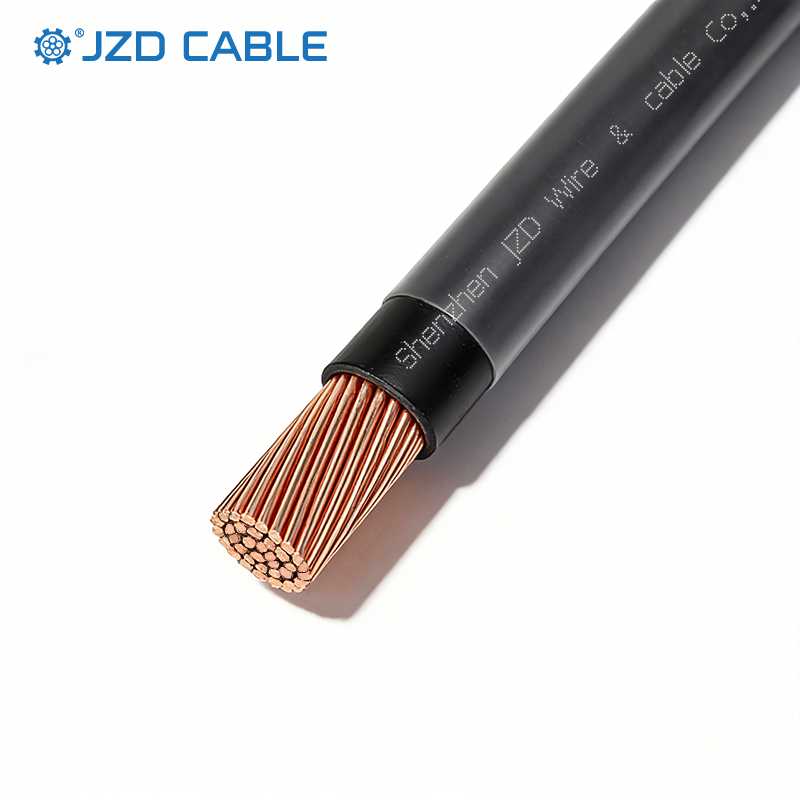
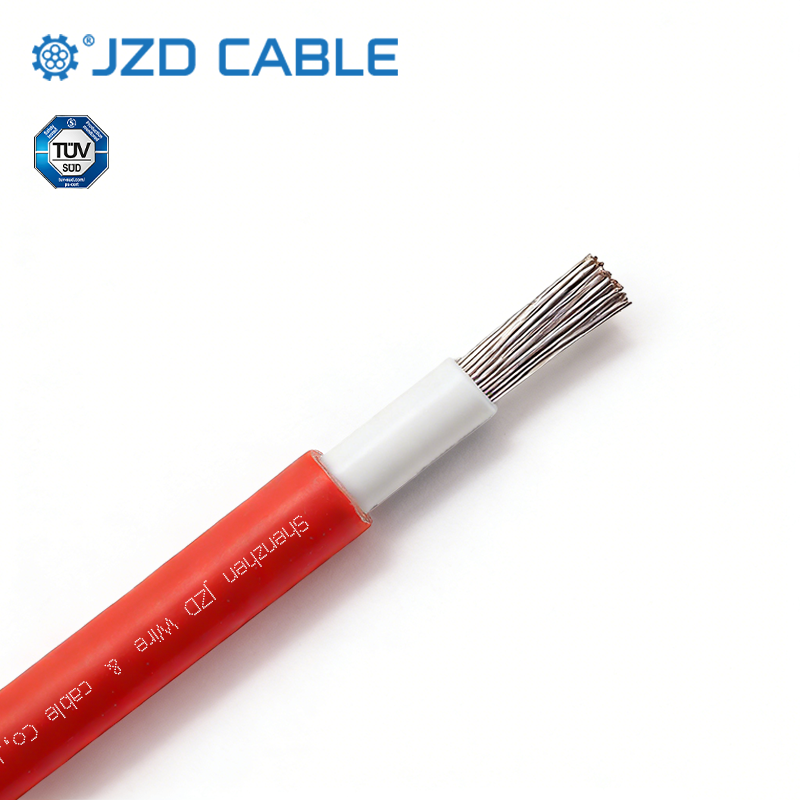
- Conductor: Tinned Copper, Stranded
- Insulation: PVC
- Optional Shield: Aluminum Foil + Tinned Copper Braid
- Jacket: PVC
5 Reasons Tinned Copper is Essential for UL2464 Cables
1. Superior Oxidation Resistance: Preventing the “Green Death”
Bare copper is highly susceptible to oxidation in the presence of moisture, heat, or sulfur-containing environments. This leads to the formation of a non-conductive black oxide layer or green copper carbonate (“verdigris”). This layer dramatically increases contact resistance—up to 10 times that of pure copper—causing signal loss, heat generation, and potential failure.
The Tinned Copper Advantage: The tin coating forms a dense, protective barrier that seals the copper core from air and moisture. Furthermore, tin has a lower electrochemical potential (-0.14V) than copper (+0.34V), meaning it will corrode preferentially, sacrificially protecting the underlying copper. This is crucial for UL2464 cables often used in sealed, humid, or continuously powered devices where long-term reliability is non-negotiable.
2. Excellent Solderability for Efficient Electronics Assembly
UL2464 cables are terminated through soldering, crimping, or PCB connections in electronic manufacturing. Tin has a much lower melting point (232°C) than copper (1083°C), making it ideal for wave soldering, dip soldering, or hand-soldering processes. It results in bright, strong, and reliable solder joints with minimal risk of cold joints.
The Bare Copper Challenge: Oxidized bare copper surfaces repel solder, requiring aggressive, corrosive flux to achieve a bond. This extra step damages components, reduces assembly line efficiency, and can leave harmful residues. Tinned copper conductors are “solder-ready,” streamlining automated wire harness production.
3. Enhanced Corrosion & Chemical Resistance
Tin offers better resistance to weak acids, alkalis, oil, and fungus compared to bare copper. UL2464 cables may be deployed in control panels, appliances, or automotive interiors where exposure to mild oils, condensation, or varying temperatures is possible.
The Reliability Factor: Tinned copper conductors resist blackening, and their corresponding terminals resist corrosion. This ensures stable, low-resistance electrical connections over the cable’s lifetime, making it the preferred choice for export equipment and demanding operational environments.
4. Stable Signal Integrity and Low Loss
A core application of shielded UL2464 cables is transmitting low-voltage digital or analog control signals. These signals are extremely sensitive to fluctuations in contact resistance and the presence of insulating oxide layers.
Why Tinned Copper Wins: Tinned copper maintains a consistent, low-resistance surface. This minimizes signal attenuation, reduces crosstalk in multi-conductor setups, and ensures the accurate transmission of data and control commands. The instability caused by bare copper oxidation can lead to signal drift, data errors, and intermittent failures—risks that are eliminated with a tinned conductor.
5. Compliance with UL & Environmental Standards (ROHS/REACH)
While UL758 permits bare copper, cables with tinned copper conductors consistently demonstrate better performance in long-term UL aging tests (like the 80°C continuous operation test), ensuring they do not degrade prematurely.
The Environmental Mandate: Modern tinning processes are lead-free, ensuring compliance with strict ROHS, REACH, and other global environmental directives. Bare copper oxidation can produce compounds that pose environmental and compliance risks. For manufacturers targeting markets in the US, EU, and other regulated regions, tinned copper is the clear choice for meeting both performance and environmental standards.
Conclusion: The Industry Standard for a Reason
The choice is clear. While bare copper is a listed option, the practical demands of modern electronics manufacturing, long-term reliability, signal integrity, and global compliance make tinned copper the de facto and essential conductor for UL2464 AWM cables.
At Jianzhen Da Cable (JZD Cable), we manufacture high-quality UL2464 cable with premium tinned copper conductors, ensuring your products benefit from maximum reliability, ease of assembly, and full standards compliance. For your next project requiring dependable internal wiring, specify UL2464 with tinned copper.
Contact us today at jzdcable.com to discuss your cable requirements or request a sample.