

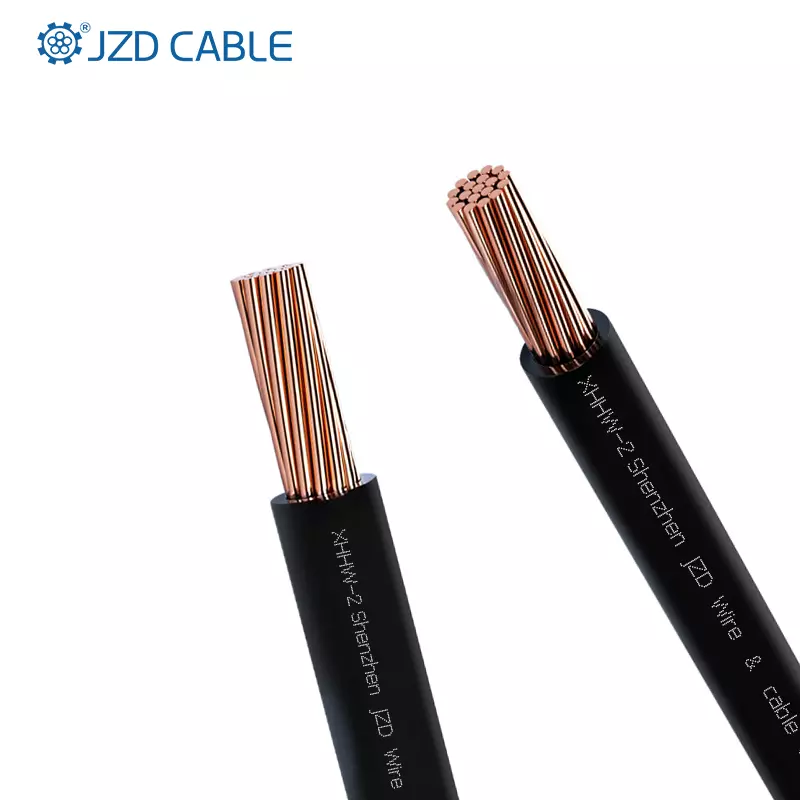
In the mission-critical ecosystem of a data center, every component must be engineered for maximum uptime, safety, and longevity. This is especially true for the power distribution infrastructure, where cable failure is not an option. When it comes to reliable, high-performance electrical wiring, XHHW-2 insulation has become the de facto standard for modern data center power systems. Known for its exceptional thermal stability, moisture resistance, and durability, XHHW-2 serves as the robust backbone for everything from UPS feeds to HVAC power, both in conduit and—in its TC-ER multi-conductor form—in exposed cable tray.
This guide explores why XHHW-2 is the preferred choice for data center engineers and how it is applied to ensure a resilient and efficient power infrastructure.
XHHW-2 Fundamentals: Built for Demanding Environments
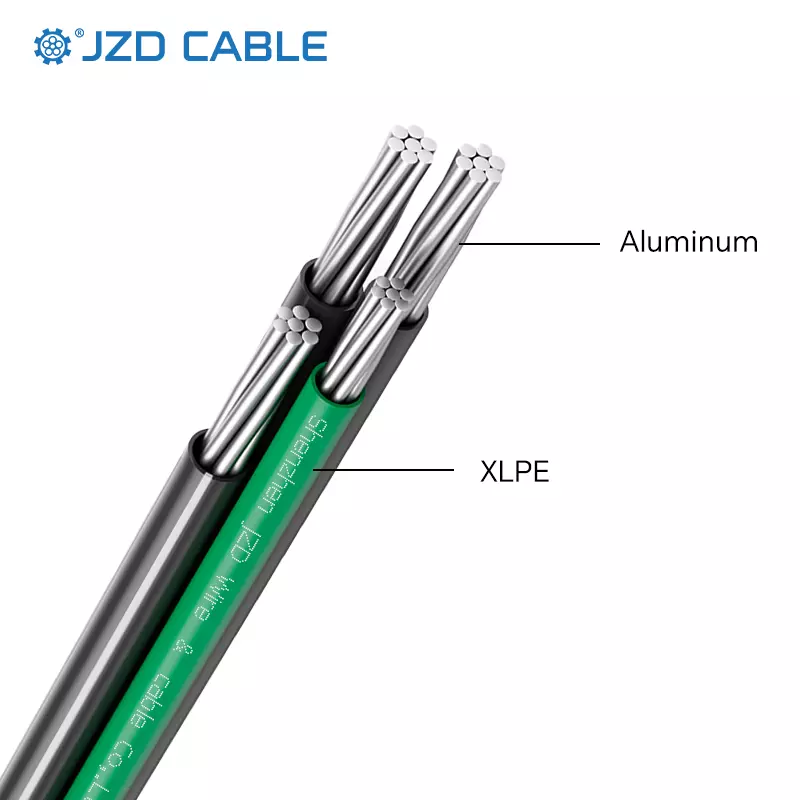
XHHW-2 stands for Cross-linked Polyethylene High Heat-resistant Water-resistant – 2nd edition. Its superior performance stems from its core insulation material.
- Insulation Material: XLPE (Cross-linked Polyethylene), a thermoset material that does not melt or re-flow under heat, providing excellent thermal and mechanical stability.
- Temperature Rating: 90°C in both dry and wet locations. This is a key advantage over older thermoplastic insulations (like THHN/THWN-2) which have a lower wet rating.
- Key Advantages: Superior resistance to heat, moisture, chemical/oil exposure, and aging. It remains flexible at low temperatures (-40°C) and offers higher ampacity and better long-term reliability than PVC-based insulations.
In data centers, XHHW-2 primarily appears in two forms:
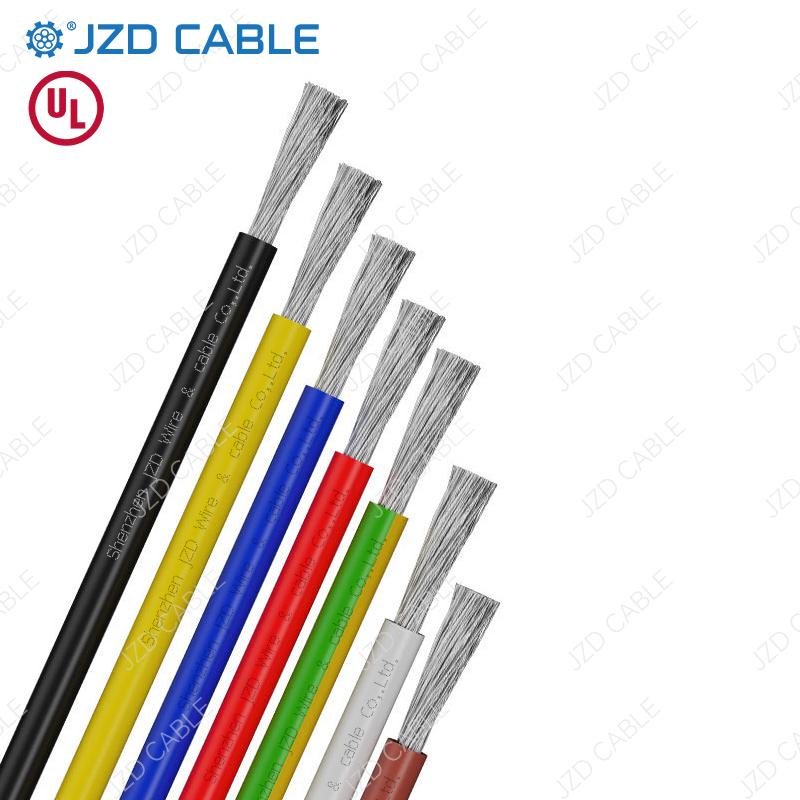
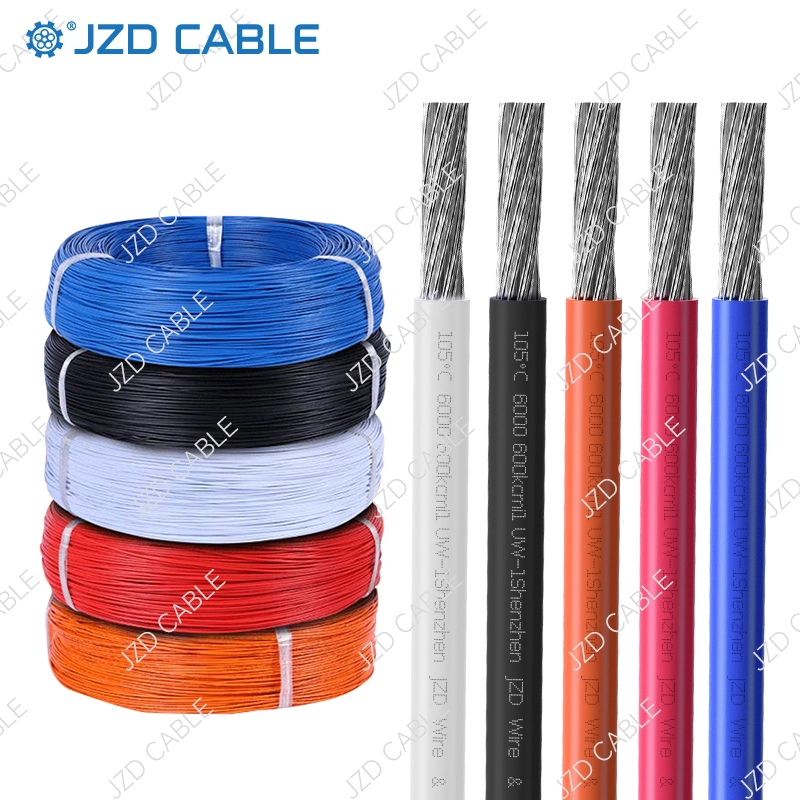
- Single-Conductor XHHW-2 Cable: Used in conduit, or alongside busway in cable tray.
- XHHW-2 TC-ER Multi-Conductor Tray Cable: The core insulation inside UL1277 TC-ER cables, approved for exposed run installation in cable tray without conduit.
Core Applications of XHHW-2 in Data Centers
The robust properties of XHHW-2 make it ideal for the most critical and demanding circuits within a data center’s support infrastructure.
|
Application
|
Why XHHW-2 is the Ideal Choice
|
|---|---|
|
1. UPS Input/Output & Main Feeds
(Utility Switchgear to UPS, UPS to PDU) |
These are high-current, often continuously loaded circuits. The 90°C rating of XHHW-2 ensures full ampacity, lower operating temperature, and unmatched reliability for critical power paths.
|
|
2. Low-Voltage Power Distribution (480V/277V)
(Switchgear to Power Distribution Units / RPPs) |
In dense cable tray environments with potential for temperature variance, the uniform 90°C dry/wet rating prevents derating issues due to ambient moisture, a common weakness of PVC insulation.
|
|
3. Diesel Generator & ATS Feeds
(Generator Output to Automatic Transfer Switch) |
Emergency power circuits demand safety and durability. XLPE insulation offers excellent resistance to oil and heat aging, providing a safer, more reliable connection than standard PVC cables.
|
|
4. HVAC & Mechanical System Power
(CRAC/CRAH Units, Chillers, Cooling Tower Pumps) |
These areas are often humid and have wide temperature swings. XHHW-2’s moisture resistance, weathering ability, and cold flexibility make it the premier choice for mechanical system power.
|
|
5. Exposed Tray Installation (XHHW-2 TC-ER)
(Modern, Dense Cable Tray Routing) |
The XHHW-2 TC-ER cable is a game-changer. Compliant with NEC 336 and UL1277, it can be installed directly in cable tray without conduit, drastically speeding up deployment, improving airflow management, and simplifying maintenance. This is now standard in modern data hall design.
|
|
6. Battery/Energy Storage System Links
(High-Current DC Links in Backup Systems) |
For 48V/240V DC battery strings, XHHW-2 provides stable DC performance, low voltage drop, and long-term thermal endurance, crucial for backup system integrity.
|
Why XHHW-2 is the Smart, Future-Proof Choice
Choosing XHHW-2, whether as single conductors or within TC-ER cable, is an investment in data center resilience:
- Guaranteed Performance: Its 90°C wet rating eliminates the uncertainty and potential safety issues of using cables with lower wet location ratings in humid or condensing environments.
- Long-Term Reliability: The cross-linked polyethylene (XLPE) insulation resists thermal degradation and electrochemical stress far better than thermoplastics, aligning with the 20+ year lifespan of the data center facility.
- Design & Installation Flexibility: The availability of XHHW-2 in both conduit and exposed-run (TC-ER) forms gives engineers and contractors the optimal tool for each part of the distribution network, from the utility vault to the final server cabinet branch circuit.
Conclusion: The Foundation of a Resilient Power Infrastructure
For new data center construction or major upgrades, specifying XHHW-2 insulated cables is a best practice that ensures a robust, code-compliant, and high-performance electrical distribution system. Its superior technical characteristics directly address the unique environmental and reliability challenges of data centers, from the heat of a UPS room to the humidity of a cooling plant.
By standardizing on XHHW-2—and leveraging the installation efficiency of XHHW-2 TC-ER tray cable—you build a power infrastructure that is not only safe and reliable today but also engineered for the demands of tomorrow.
Power your critical infrastructure with the industry standard. At JZD Cable, we supply premium XHHW-2 and XHHW-2 TC-ER cables that meet the rigorous demands of modern data centers. Contact our experts to ensure your project is powered by reliability.