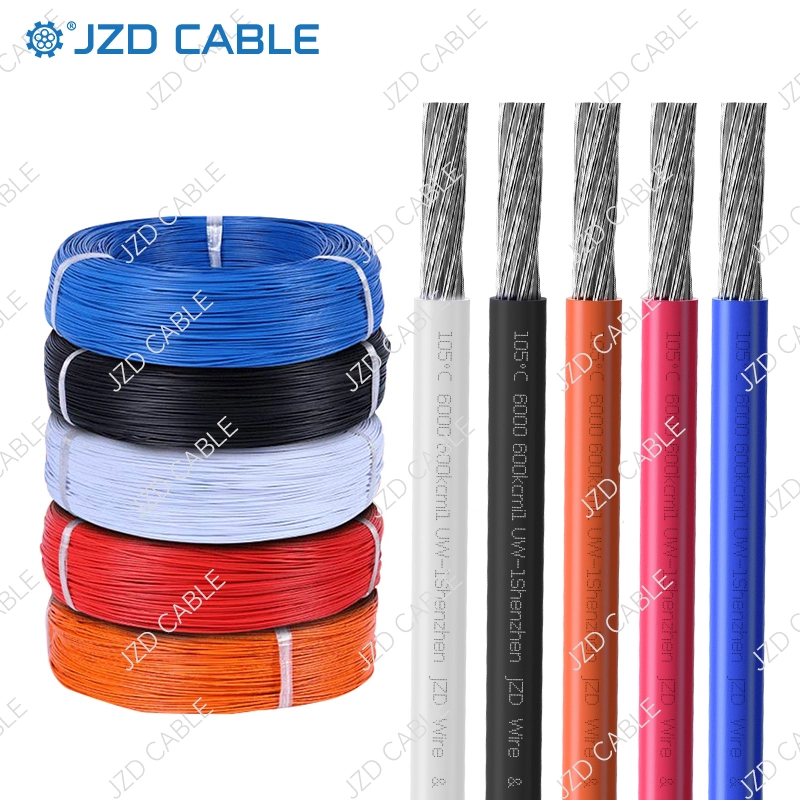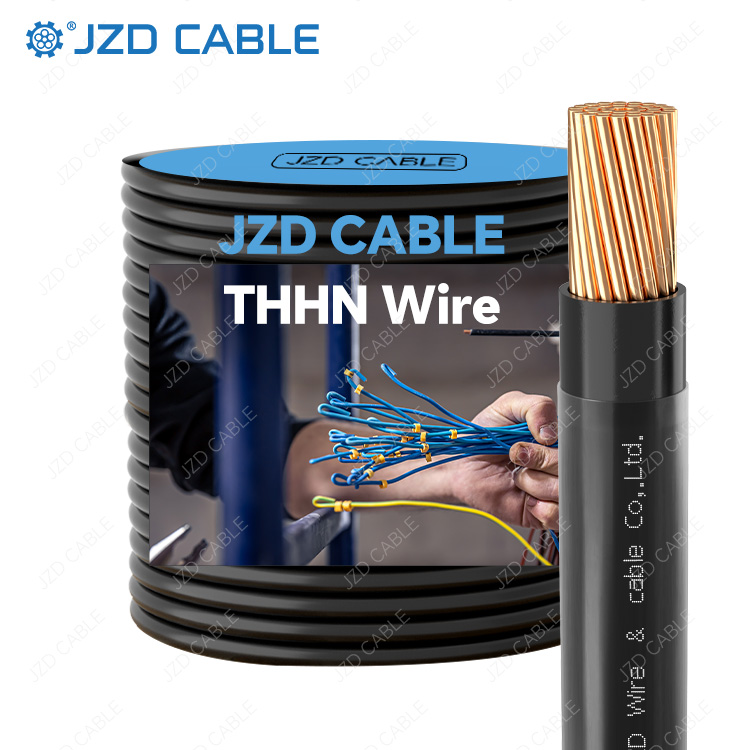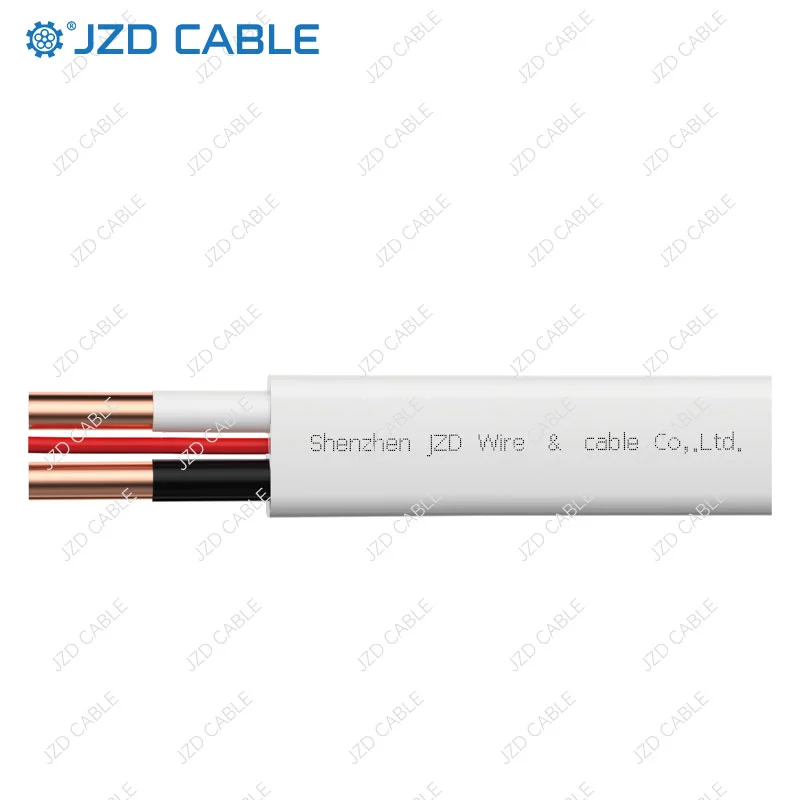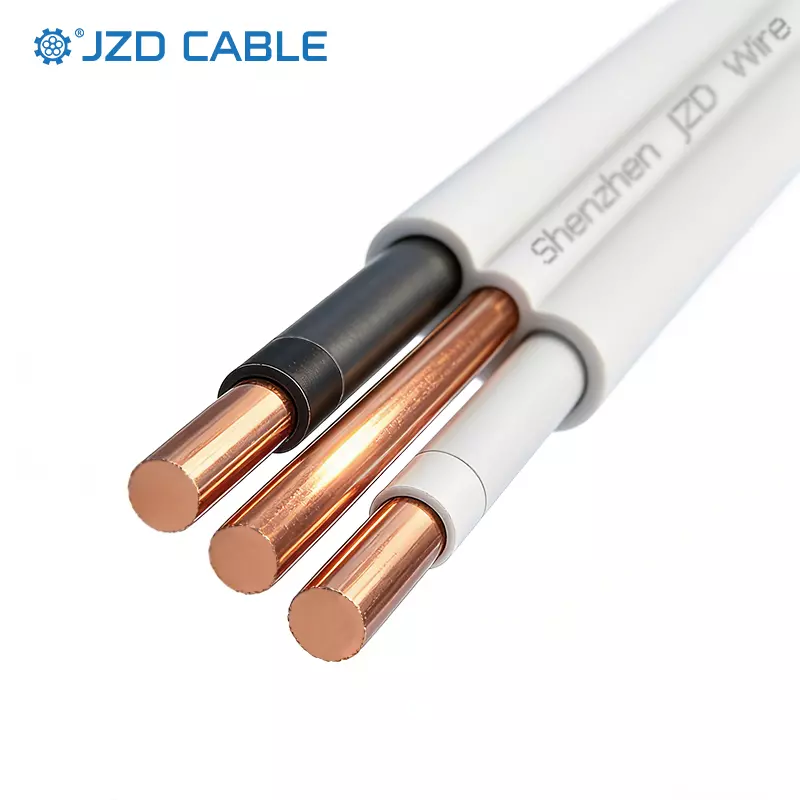


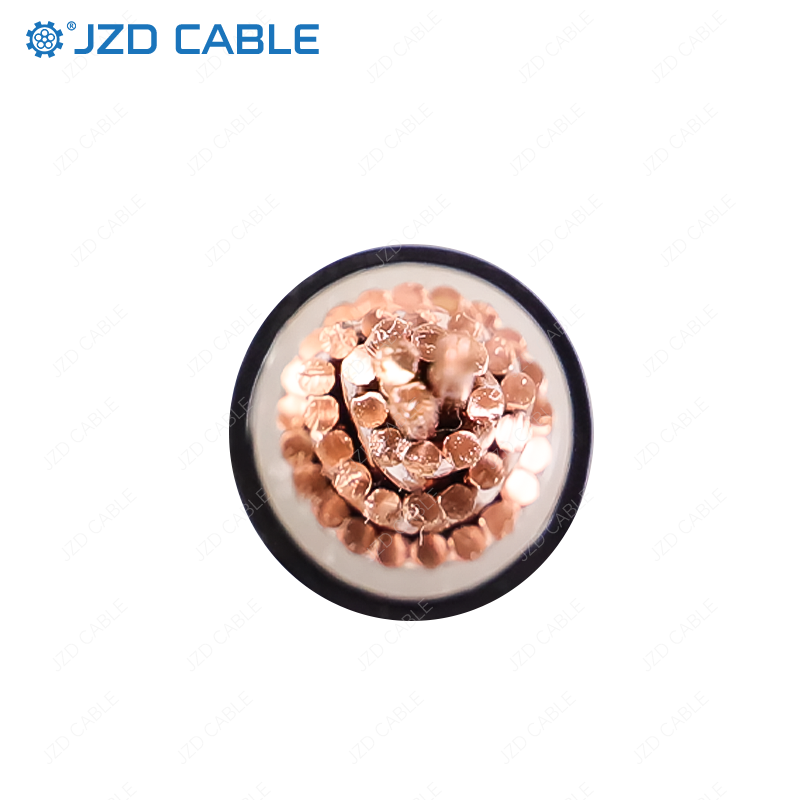
In the realm of utility-scale and large commercial solar farms, efficiently managing the consolidated power from thousands of panels is a monumental task. After DC power is converted to AC by the inverters, the challenge becomes transporting massive currents over potentially long distances to the grid interconnection point. This is where the YJV 300mm² cable proves indispensable. As a premier cable manufacturer, JZD Cable underscores a vital principle: YJV cables are engineered exclusively for AC applications and are categorically unsuitable for any DC-side connections. This guide delves into the specific role of the YJV 300mm² as the high-capacity workhorse of the solar AC collection system.
Core Positioning: The High-Voltage, High-Current AC Feeder
The YJV 300mm² (XLPE insulated, PVC sheathed, 0.6/1kV, GB/T 12706 compliant) is designed to handle the substantial electrical loads on the AC side of a PV plant, specifically from inverter output terminals to the main low-voltage (LV) switchgear or step-up transformer.
CRITICAL SAFETY NOTICE:
Using standard YJV cable on the DC side is a severe design flaw with dangerous consequences. It lacks UV stabilization, has inadequate temperature rating for DC environments, and its insulation is not designed for continuous DC stress. Deployment in outdoor DC applications will lead to rapid insulation degradation, cracking, and premature failure within 1-3 years, posing significant fire and operational risks.
Technical Specifications: Engineered for Megawatt-Scale Currents
1. Model & Construction
- Standard Configuration:
YJV-3x300+1x150(3 phase cores + 1 neutral core). - For Direct Burial: The steel tape armored variant,
YJV22-3x300+1x150, is mandatory for mechanical protection.
2. Electrical Ratings
- Rated Voltage: 0.6/1kV, standard for 400V three-phase AC systems.
- Current Carrying Capacity (Ampacity): Approximately 475A in free air at 40°C ambient (consult manufacturer datasheets/standards for precise values under specific installation conditions).
- DC Resistance (20°C): Approximately 0.057 Ω/km, enabling exceptionally low voltage drop and power loss over distance—a critical factor for long cable runs.
3. Environmental & Durability
- Operating Temperature: Conductor rated for continuous operation at 90°C, with short-circuit withstand of 250°C for 5s.
- Application Environment: Suitable for indoor cable trays, cable trenches, or direct burial (armored version only). Strictly prohibited for unprotected outdoor exposure.
- Service Life: When installed correctly in its intended environment, lifespan exceeds 25 years, aligning with the PV plant’s operational cycle.
Primary Application Scenarios (AC Side Only)
1. Main Output for Large Central Inverters
- A single 500kW central inverter operating at 400V has a full-load current of roughly 720A. A single 300mm² cable is insufficient for this current. Standard practice is to use two parallel runs of YJV-3×300+1×150 or a single, larger cross-section cable (e.g., 400mm² or 500mm²).
2. Aggregated Feeder for Multiple String Inverters
- In large distributed setups, the combined output of multiple string inverters is consolidated. For example, the aggregated output of four 100kW inverters (~580A) would commonly be carried by two parallel 300mm² cables.
3. Long-Distance, Low-Voltage Power Transmission
- For distances between the inverter bank and the step-up transformer ranging from 80m to 200m, controlling voltage drop to within 1-2% is paramount. The YJV 300mm²’s low resistance makes it the standard choice for this “last mile” of low-voltage collection.
4. 0.4kV Collection Lines in Ground-Mount Power Plants
- Serves as the primary LV collection backbone, aggregating power from multiple feeder circuits before it is stepped up to medium voltage for grid injection.
Installation & Wiring Code: Non-Negotiable Best Practices
1. Installation Methods
- Indoor/Cable Tray: Use standard YJV, fixed at intervals ≤1.5m. Minimum bending radius ≥15x cable diameter (approximately 225mm).
- Direct Burial/Cable Trench: Must use armored YJV22. Bury at a depth ≥0.8m with sand bedding and protective covers. Maintain a minimum separation of 30cm from all DC cables to prevent electromagnetic interference.
2. Connection & Termination
- Use high-quality, properly sized copper lugs with precision compression or welding. Termination contact resistance should be ≤5mΩ.
- Never make direct copper-to-aluminum connections due to galvanic corrosion risk.
- For any outdoor junctions or repairs: Use IP65 or higher-rated waterproof enclosures.
3. Safety & Protection
- Route cables away from heat sources, sharp edges, and corrosive chemicals.
- For installations with dense cabling or within buildings, specify WDZ-YJV (Low Smoke Zero Halogen, Flame Retardant) versions to enhance fire safety.
Conclusion: The Robust Foundation for AC Power Evacuation
The YJV 300mm² cable is the robust, high-capacity conduit that forms the critical link between a solar farm’s generation assets and the grid. Its proper selection and installation—strictly on the AC side—are fundamental to achieving low losses, high reliability, and safe operation over the plant’s decades-long lifespan. For utility-scale projects where performance is measured in megawatts and reliability is paramount, trust in the engineering and quality of cables from JZD Cable.
Engineering a large-scale solar or storage project? Ensure your AC collection system is designed for efficiency and longevity. Contact JZD Cable for certified cable solutions and technical support at jzdcable.com.