

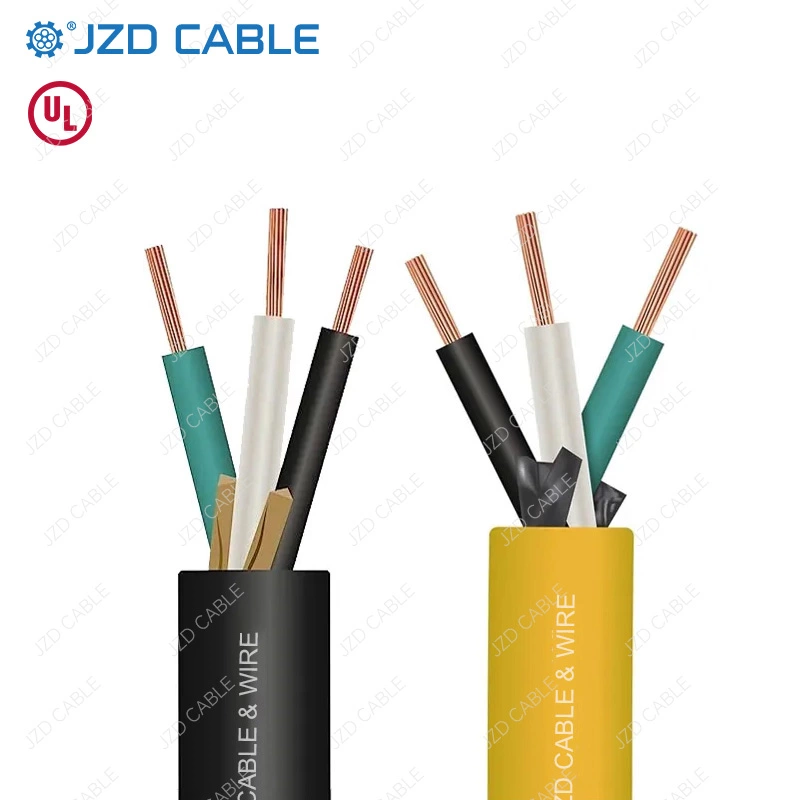
When selecting portable electrical cords, two common types you’ll encounter are SJT and SVT cables. Both are widely used in residential, commercial, and light industrial applications, but they differ in construction, durability, and use cases. Choosing the wrong type can affect safety, performance, and compliance. In this blog, we break down the features, similarities, and differences between SJT and SVT cords to help you make the right choice.
What is SJT Cable?
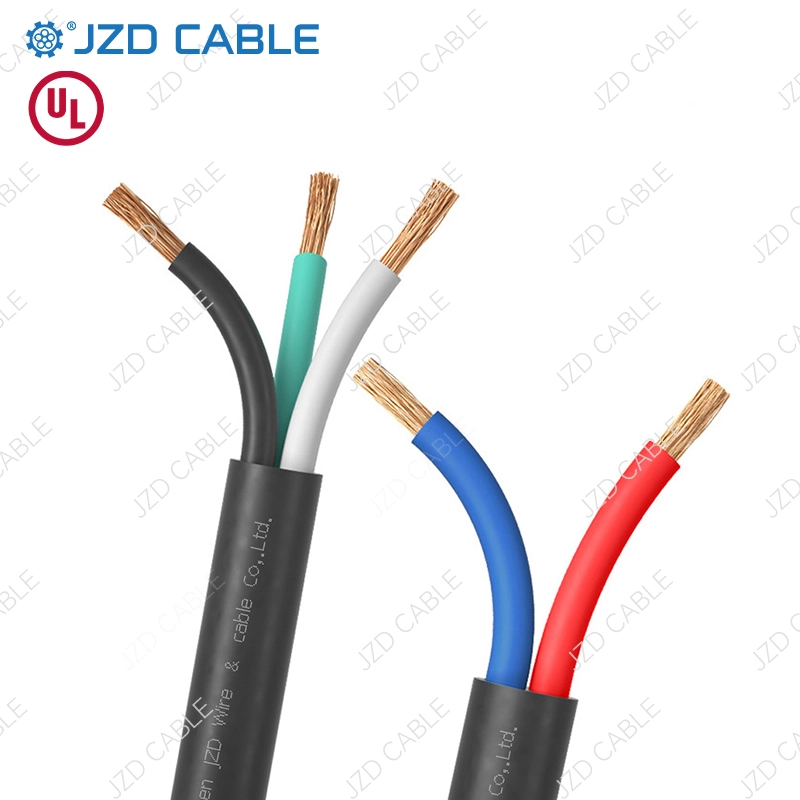
SJT stands for Service Junior Thermoplastic. It is a common portable cord with a thermoplastic jacket that is oil-resistant and water-resistant. SJT cables are typically rated for 300V and are suitable for indoor and limited outdoor use. They feature stranded copper conductors, making them flexible enough for power tools, appliances, and extension cords. Their robust design makes them ideal for medium-duty applications where slight exposure to oils, moisture, or physical wear is expected.
What is SVT Cable?
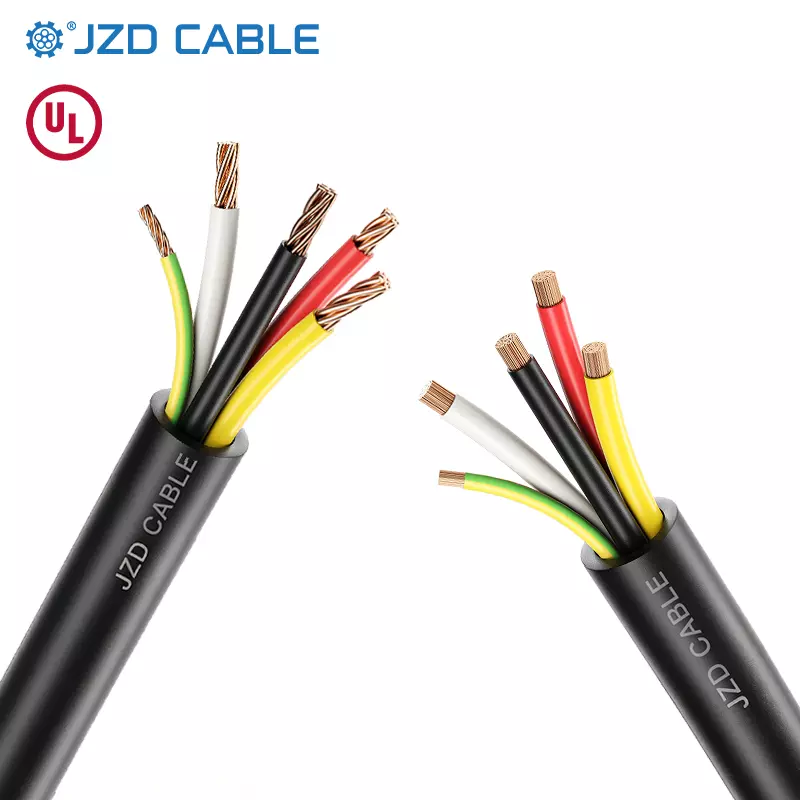
SVT stands for Service Vacuum Thermoplastic. This cord is also a portable, flexible power cable with a thermoplastic PVC jacket, but it is generally designed for lighter-duty use compared to SJT. SVT cords are rated for 300V and commonly used in indoor environments for appliances, lamps, and light extension cords. While flexible and cost-effective, SVT cords are not recommended for environments with oils, chemicals, or excessive physical stress.
Common Features Between SJT and SVT Cables
- Both are portable, flexible cords rated for 300 volts.
- Constructed with stranded copper conductors for ease of use.
- Jackets are made of thermoplastic PVC for basic durability.
- Widely used in residential, office, and light commercial settings.
- Available in various conductor sizes (e.g., 18 AWG to 10 AWG).
Differences Between SJT and SVT Cables
|
Feature
|
SJT Cable
|
SVT Cable
|
|---|---|---|
|
Jacket Thickness
|
Thicker, more durable jacket
|
Thinner, lighter-duty jacket
|
|
Oil Resistance
|
Good resistance to oils and chemicals
|
Not oil-resistant
|
|
Usage Environment
|
Indoor/outdoor (limited exposure)
|
Indoor use only
|
|
Durability
|
More rugged, handles moderate abrasion
|
Less resistant to physical wear
|
|
Common Uses
|
Power tools, machinery, heavy-duty extension cords
|
Lamps, small appliances, light extension cords
|
|
Temperature Rating
|
Often rated up to 60°C–90°C
|
Typically rated up to 60°C
|
How to Choose Between SJT and SVT Cables
- Assess the Environment – If the cord will be exposed to oils, moisture, or outdoor conditions, SJT is the better choice. For dry indoor settings, SVT is sufficient.
- Consider Mechanical Stress – SJT cables withstand more bending, dragging, and abrasion, making them suitable for workshops or construction sites.
- Check Voltage and Load Requirements – Both are 300V cords, but ensure the gauge (AWG) matches your current load.
- Review Compliance Needs – Verify that the cable meets relevant standards (UL, CSA, etc.) for your application.
Why choose JZD Cable?
At JZD Cable, we specialize in manufacturing high-quality SJT and SVT cables tailored to your requirements. Whether you need durable cords for industrial equipment or cost-effective solutions for everyday appliances, we ensure compliance, safety, and performance.
Contact us today for custom specifications, bulk orders, or expert advice on selecting the right portable cord for your project.