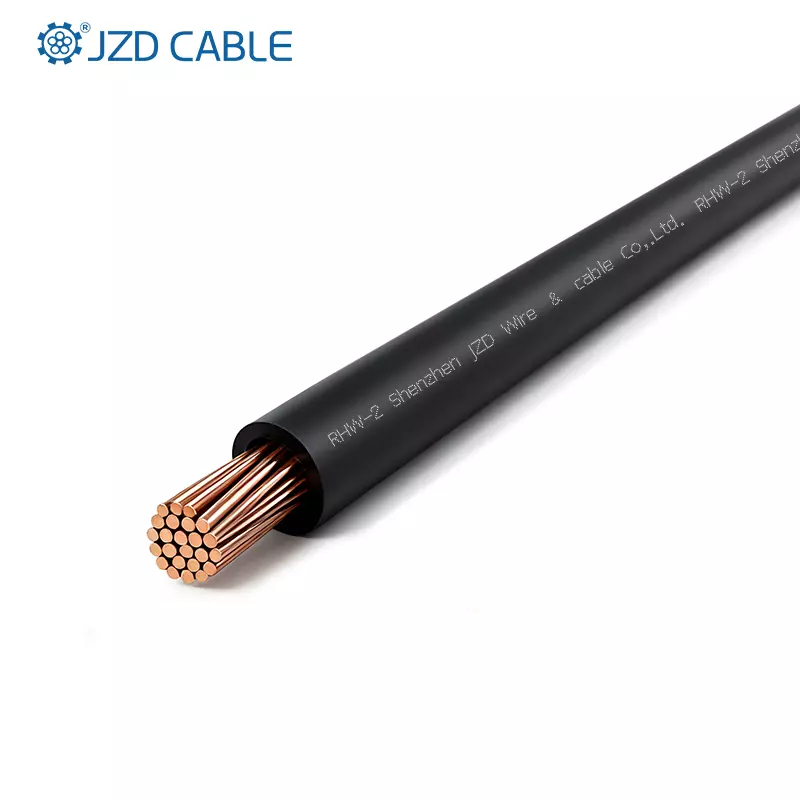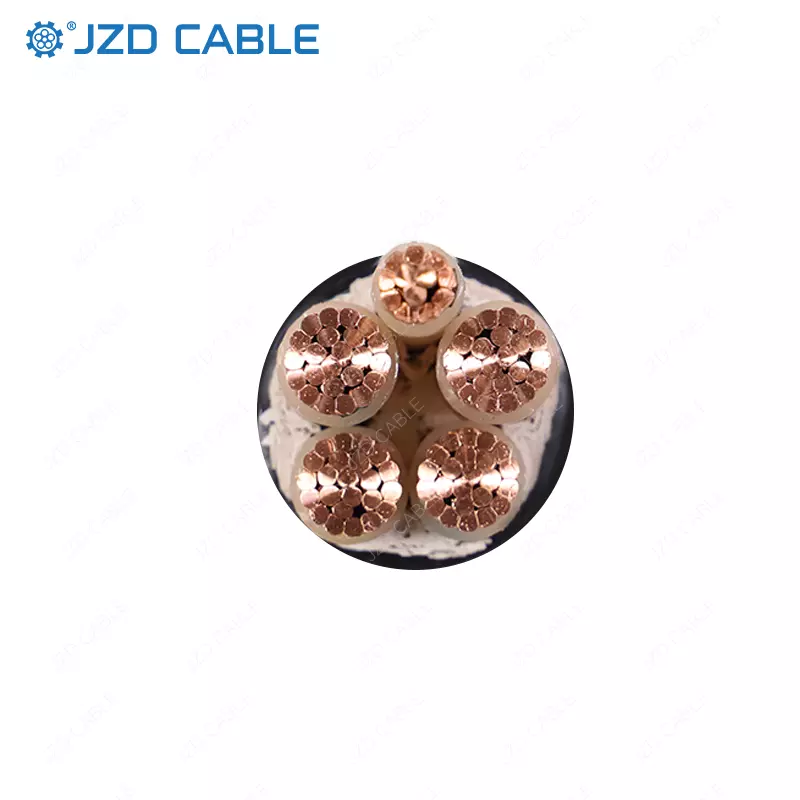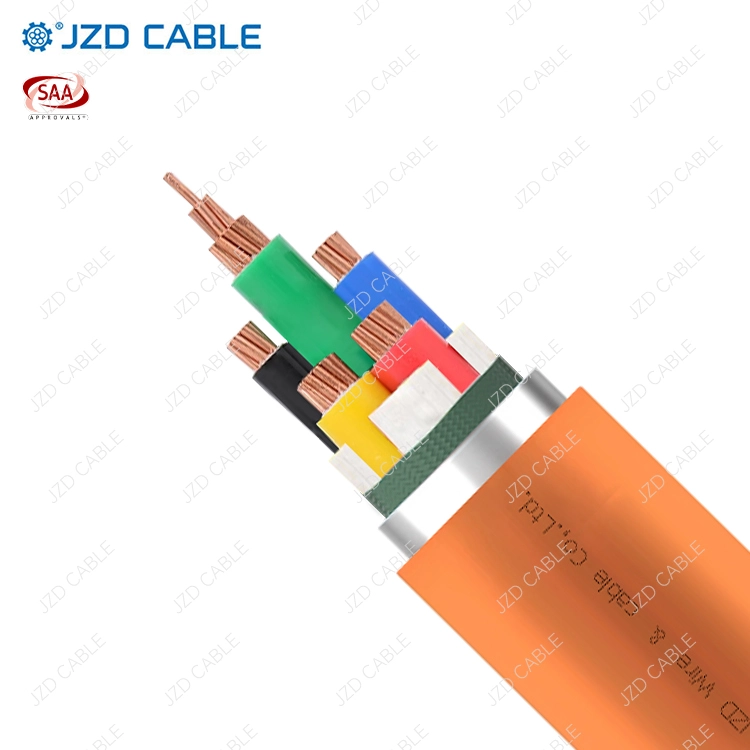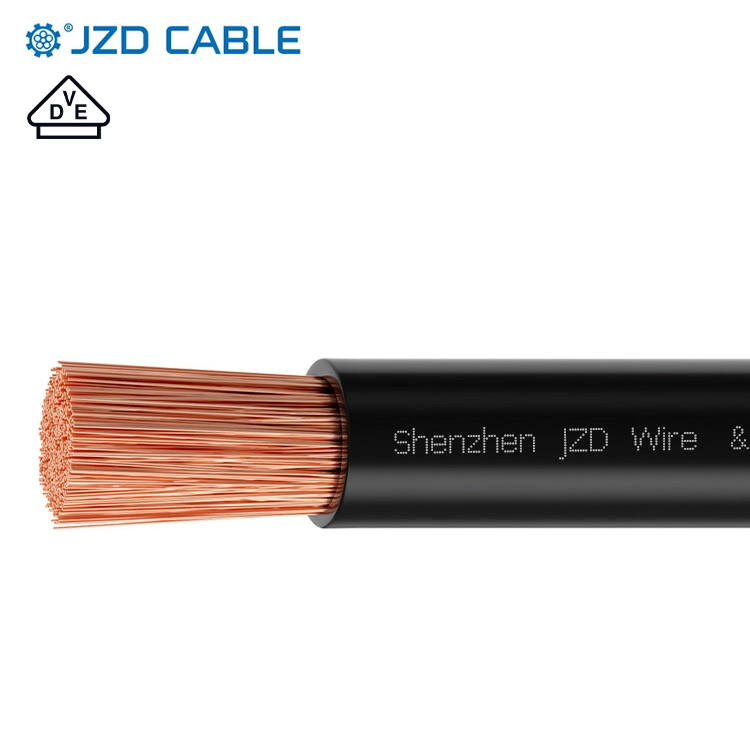


As the global push for clean energy accelerates, photovoltaic (PV) systems are becoming ubiquitous—from vast solar farms to residential rooftops. While much attention is given to panel efficiency and inverters, the safety and reliability of the cabling infrastructure are equally critical. This is where the choice of insulation material makes a profound difference. Increasingly, industry leaders are specifying Low Smoke Zero Halogen (LSZH) cables. But what exactly are they, and why are they becoming the gold standard for PV applications?
What Does “Low Smoke Zero Halogen” Mean?
The name itself defines its core advantages:
- Zero Halogen: The material contains no fluorine, chlorine, bromine, or iodine. These halogens, common in traditional PVC or halogenated compounds, are the source of highly toxic and corrosive gases when burned.
- Low Smoke: In the event of a fire, LSZH materials produce extremely low levels of smoke with high light transmittance (typically >60%), maintaining visibility for safe evacuation.
Simply put, LSZH cables are engineered for fire safety and environmental responsibility.
Key Advantages of LSZH Materials in PV Insulation
1. Unmatched Safety & Environmental Performance
The primary driver for adopting LSZH is its superior safety profile, which acts as a crucial last line of defense in emergency scenarios.
- Toxic Fume Reduction: Traditional halogenated cables, when exposed to fire, emit dense, black smoke and corrosive/toxic gases like Hydrogen Chloride (HCl) and Carbon Monoxide (CO). These are major causes of fatalities in fires due to suffocation and poisoning. LSZH cables virtually eliminate this risk, protecting both personnel and equipment.
- Eco-Friendly Composition: Beyond halogens, LSZH compounds are free from heavy metals like lead and cadmium. This prevents soil and water contamination, aligning perfectly with the green ethos of solar power and modern green building standards (like LEED, BREEAM).
2. Superior Flame Retardancy & Fire Protection
PV systems, especially in large-scale installations, require cables that won’t contribute to fire spread.
- High Flame Retardance: LSZH materials possess excellent inherent flame-retardant properties, effectively preventing flames from traveling along the cable and limiting fire damage to the structure and other electrical components.
- Self-Extinguishing: In the case of a small, localized ignition source (e.g., from an electrical fault), LSZH cables have the ability to self-extinguish once the ignition source is removed, minimizing potential damage and loss.
3. Enhanced Electrical Reliability & Durability
PV systems operate under demanding environmental conditions for 25+ years. The cable insulation must withstand these challenges.
- Long-Term Thermal & Insulation Stability: LSZH cables for PV are typically based on cross-linked polyolefin (XLPO). This material offers excellent long-term resistance to high temperatures (from continuous heat generated by panels), UV radiation, and thermal cycling. This ensures stable insulation resistance and reliable performance of the DC system over decades.
- Excellent Environmental Resistance: Formulated to endure harsh outdoor conditions—extreme humidity, temperature swings, and constant UV exposure—LSZH insulation maintains its mechanical and electrical integrity, directly contributing to a longer, more reliable system lifespan.
4. Total Cost of Ownership & Growing Adoption
While the initial investment in LSZH cable can be slightly higher than standard PVC alternatives, the long-term economics are compelling.
- Life-Cycle Cost Advantage: The combination of low maintenance needs, reduced risk of fire-related downtime or damage, and extended service life makes LSZH a more economical choice over the system’s lifetime.
- Increasing Market Maturity: As the PV industry has matured and safety regulations have tightened, the production scale of LSZH cables has increased, making them more accessible and cost-competitive than ever before.
Conclusion: A Responsible and High-Performance Investment
Choosing Low Smoke Zero Halogen cables for your photovoltaic installation is not just a technical specification—it’s a commitment to safety, sustainability, and system resilience. By providing a critical safety buffer, ensuring environmental compliance, and delivering proven long-term performance, LSZH insulation is the clear and responsible choice for modern solar energy projects.
At JZD Cable, we are committed to providing high-performance wire and cable solutions that meet the highest standards of safety and reliability. Our range of LSZH cables for photovoltaic applications is designed to power the future of clean energy, safely and efficiently.
Ready to specify the safest cable for your next solar project? Explore our solutions or contact our team to learn more about our LSZH product offerings.