

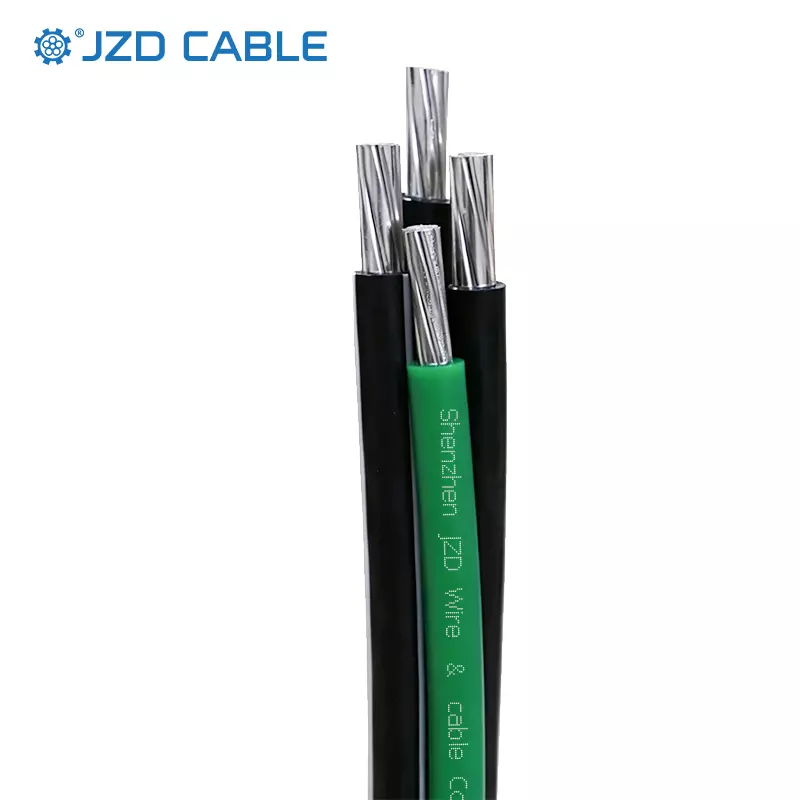
Selecting the correct 600V, 90°C rated XLPE-insulated cable is crucial for code compliance and long-term reliability. Two of the most common types—XHHW-2 and USE-2—are often compared, but they serve distinct primary purposes. Simply put: XHHW-2 is the versatile all-rounder for installations inside conduit, while USE-2 is the rugged specialist designed for direct burial and harsh outdoor exposure. This guide breaks down their differences to ensure you specify the right cable for the job.
Core Identity: General-Purpose vs. Mission-Specific
1.XHHW-2 (Cross-linked High Heat Water-resistant -2):
- Standard: Governed by UL 44 (Building Wire).
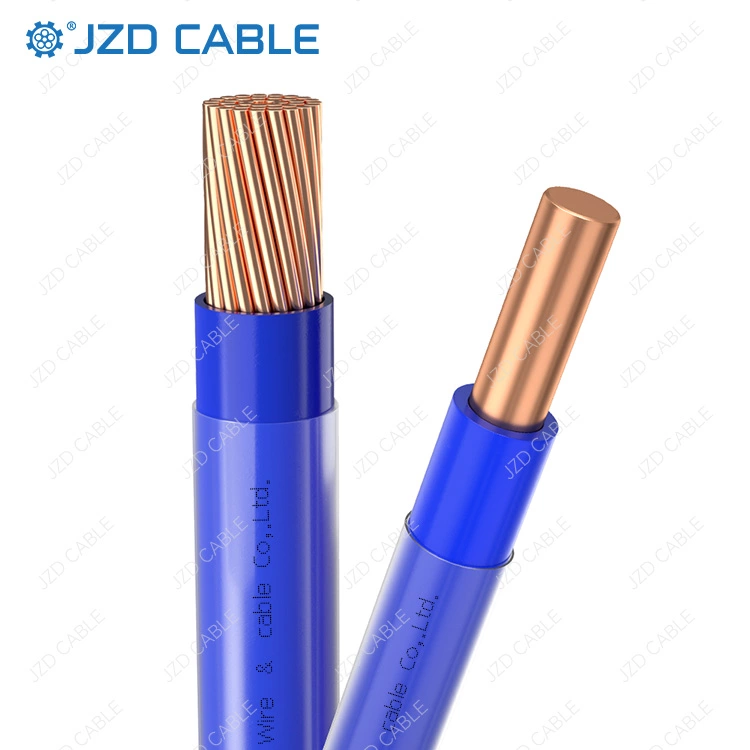
- Core Identity: A general-purpose building wire. Its “2” suffix denotes a 90°C rating in both wet and dry locations. It is engineered first and foremost for installation within conduit, raceways, and cable trays inside buildings. While it can be used outdoors, that is not its primary design intent.
2.USE-2 (Underground Service Entrance -2):
- Standard: Governed by UL 854 (Service-Entrance Cable).
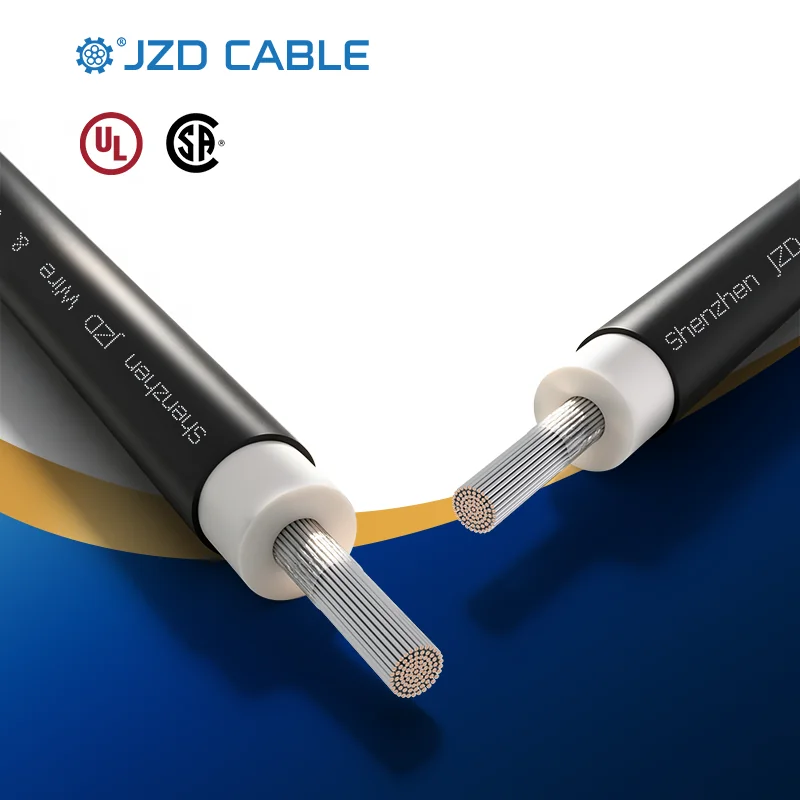
- Core Identity: A specialized service entrance and direct burial cable. Often triple-listed as RHH/RHW-2/USE-2, it is specifically engineered to be directly buried in earth or exposed to sunlight without conduit protection. Its design mission is to withstand the unique stresses of outdoor and underground environments.
Key Differences: A Detailed Breakdown
|
Feature
|
XHHW-2 Cable
|
USE-2 Cable
|
|---|---|---|
|
Full Name
|
Cross-linked High Heat Water-resistant -2
|
Underground Service Entrance -2
|
|
Governing Standard
|
UL 44 (Building Wire)
|
UL 854 (Service-Entrance Cable)
|
|
Voltage Rating
|
600V or 1000V (Versatile)
|
600V
|
|
Insulation
|
Standard XLPE (Water & Heat Resistant)
|
Enhanced, Robust XLPE (Superior resistance to moisture, UV, crushing, soil chemicals)
|
|
Mechanical Strength
|
Standard (suited for protected conduit runs)
|
High (Designed to resist crushing, abrasion, and corrosion in direct burial)
|
|
UV / Sunlight Resistance
|
Good (suitable for occasional outdoor use)
|
Excellent (Formulated for long-term, unprotected exposure)
|
|
Direct Burial Rating
|
Permitted, but not its primary purpose.
|
Mandatory & Core Purpose. Its UL 854 listing certifies it for this.
|
|
Ampacity
|
Baseline (NEC Table 310.16)
|
Slightly higher for same size (due to enhanced thermal properties)
|
|
Common Colors
|
Black, White, Red, Blue, Green (full color code)
|
Primarily Black (for optimal UV stability)
|
|
Typical Cost
|
Lower (high-volume, general-purpose product)
|
Higher (specialized formulation and certifications)
|
Application Scenarios: Where to Use Each Cable
1.Use XHHW-2 When: The Application is Primarily Indoorsor in Protected Conduit.
- Commercial/Industrial/Residential Wiring: Inside conduit, EMT, cable trays, and wireways.
- General Outdoor Conduit Runs: Where the cable is fully protected within a raceway.
- 1000V Low-Voltage Power Distribution: Such as on the AC side of a photovoltaic (PV) system.
- Non-Preferred for Direct Burial: While permittedby NEC, it is not the optimal or most ruggedchoice for permanent direct burial.
2.Use USE-2 When: The Application is Outdoors, Exposed, or Direct Burial.
- Direct Burial: For service drops from a transformer to a residential meter, or for underground feeders.
- Photovoltaic DC Circuits: Specifically recognized by NEC 690 for the DC side of solar arrays (exposed on rooftops or in trenches).
- Unprotected Outdoor Exposure: On rooftops, for agricultural PV, or other areas with full sun exposure.
- Harsh Environments: Coastal, high-moisture, or corrosive soil areas due to its superior hydrolysis and chemical resistance.
- Any Project Requiring a UL 854 Listed Direct Burial Cable.
Conclusion: Making the Right Choice for Safety and Performance
The choice ultimately hinges on the installation environment:
- Choose XHHW-2 for cost-effective, reliable wiring inside conduits, walls, and protected locations. It’s the workhorse for most general electrical construction.
- Choose USE-2 when the cable will be directly buried, exposed to sunlight, or subjected to harsh conditions without conduit protection. Its enhanced construction is an investment in long-term, maintenance-free reliability, and it is often a code-required specification for applications like solar DC lines.
Don’t compromise on cable selection. Using an indoor wire in a direct burial application can lead to premature failure. For your conduit-based projects, trust reliable XHHW-2. For your solar, direct burial, and exposed outdoor applications, demand the rugged performance of USE-2.
JZD Cable manufactures high-quality, code-compliant XHHW-2 and USE-2 cables. Contact us today to ensure you get the right cable for your specific application, or visit jzdcable.com to explore our full product range.